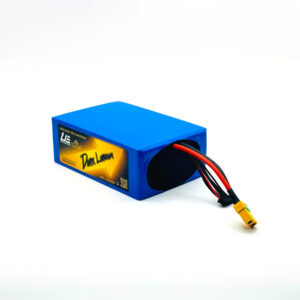
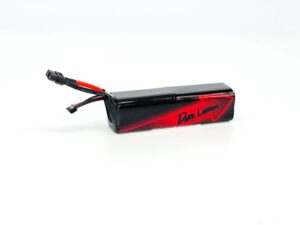
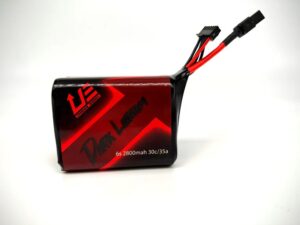
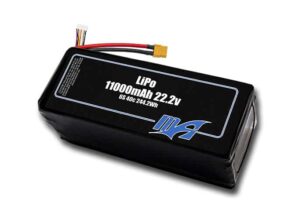
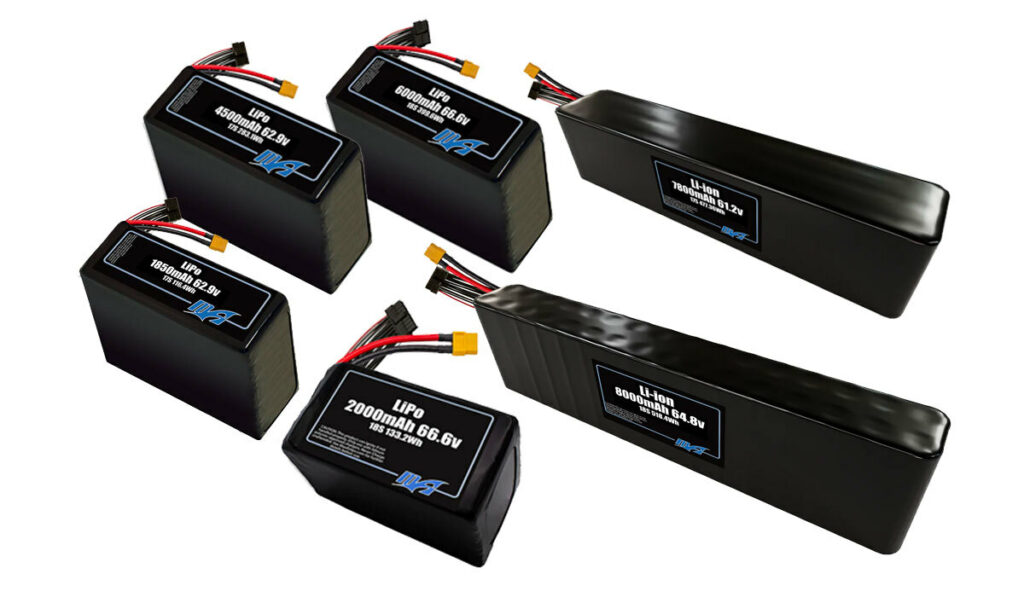
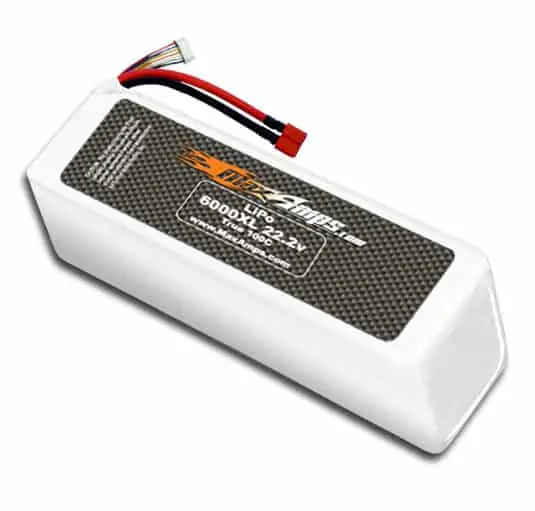
NDAA-compliant batteries for drones are certified energy storage solutions manufactured and sourced to meet U.S. National Defense Authorization Act supply chain requirements for unmanned systems. These batteries are optimized for UAS platforms requiring high power density, lightweight construction, and predictable discharge behavior for flight-critical operations.
This guide showcases suppliers of NDAA-compliant drone batteries deployed across defense, security, and government-approved commercial programs where compliance, reliability, and traceability are mandatory.
If you design, build or supply NDAA-Compliant Batteries, create a profile to showcase your capabilities and connect with visitors who have an active requirement for your solutions.
Introduction to NDAA-Compliant Batteries for Drones & Unmanned Systems
In the current landscape of uncrewed systems, an NDAA-compliant drone battery is no longer just a power source, serving as a critical gatekeeper for mission success and procurement eligibility. For system integrators, a drone battery now plays a determining role in a platform’s eligibility for federal procurement, federally funded deployments, and compliance with applicable authorization and supply chain requirements.
From a technical standpoint, batteries in both small and medium Unmanned Aerial Systems (UAS) are the most vital subsystem after the flight controller. They directly dictate whether a platform can safely complete high-stakes operations or whether it is sidelined due to sourcing gaps, documentation deficiencies, or compliance risks identified during acquisition or program review.
With the maturation of National Defense Authorization Act (NDAA) enforcement, battery sourcing and battery electronics are now routinely examined as part of program-level compliance assessments. Factors such as manufacturer ownership and control, cell traceability, and battery management system firmware governance are increasingly treated as determinative elements. A single non-compliant issue in these areas can render a platform ineligible for specific procurements or trigger component replacement and re-validation requirements.
Navigating the NDAA Framework for Drone Batteries
Statutory Requirements and Security Risks
The NDAA establishes the primary legal framework intended to protect federal supply chains from national security risks. While earlier enforcement efforts focused largely on airframes and radio-frequency subsystems, current compliance practice increasingly recognizes energy storage systems as high-risk nodes due to their embedded electronics, firmware, and complex global manufacturing networks.
For an NDAA-compliant drone battery, compliance expectations extend across the full lifecycle. This includes scrutiny of manufacturer ownership and control, documented provenance of silicon used within the battery management system, and clear governance of the software that manages charge, discharge, and safety behavior.
Critical NDAA Sections and FY2026 Updates
Current NDAA provisions emphasize the exclusion of prohibited entities and their subsidiaries from participation in federal supply chains. For lithium-based energy storage systems, this creates layered compliance considerations that typically include traceable cell manufacturing, controlled and auditable pack integration processes, and verified sourcing of embedded electronics and firmware development.
Recent Department of Defense procurement guidance and program-level practices increasingly emphasize supply chain transparency, auditability, and low-risk sourcing as part of best-value evaluations. As a result, battery suppliers that maintain stable manufacturing processes and comprehensive provenance documentation are better positioned to meet acquisition and compliance expectations.
The Role of the FCC and Section 1709
In parallel to NDAA enforcement, a significant regulatory development occurred in late 2025 following an Executive Branch national security determination under Section 1709 of the FY25 National Defense Authorization Act. Acting on this determination, the Federal Communications Commission (FCC) expanded the scope of equipment subject to review under its Covered List authority to include UAS and critical components produced in foreign countries.
This means that new smart batteries containing Radio Frequency (RF) components, wireless monitoring, or advanced telemetry interfaces are now subject to formal equipment authorization restrictions. Devices that cannot obtain authorization are effectively excluded from the market on a going-forward basis, while previously authorized equipment remains unaffected.
Applications of NDAA-Compliant Batteries for Drones
Defense and Tactical Programs
In the military sector, NDAA-compliant batteries for drones are essential for sustainment. Tactical units operating Group 1–3 UAS require power systems that can handle extreme discharge rates and environmental stress. Defense programs now lock in their battery suppliers during the early prototyping phase, favoring supply chain stability over minor performance boosts that might risk future non-compliance.
Public Safety and Law Enforcement
Agencies utilizing federal grants or centralized procurement frameworks must adhere to strict “Green UAS” or NDAA standards. A non-compliant battery can result in the immediate clawback of funding. Consequently, public safety operators are increasingly demanding batteries with clear, auditable documentation.
Critical Infrastructure and Industrial Inspection
For the protection of power grids, pipelines, and port security, reliability is the primary metric. These operators view any regulatory uncertainty as an operational risk. A compliant power system ensures that long-term service contracts are not disrupted by sudden legislative shifts.
Battery Chemistries & Technical Trade-offs
Lithium-Ion (Li-ion)
Li-ion remains the standard for NDAA-compliant drone batteries due to its energy density and maturity. The challenge is ensuring sourcing consistency. Engineers often value a “locked” cell specification that guarantees the same internal chemistry over a three-year program life, rather than chasing the latest high-capacity cells that may originate from restricted regions.
Lithium-Polymer (LiPo)
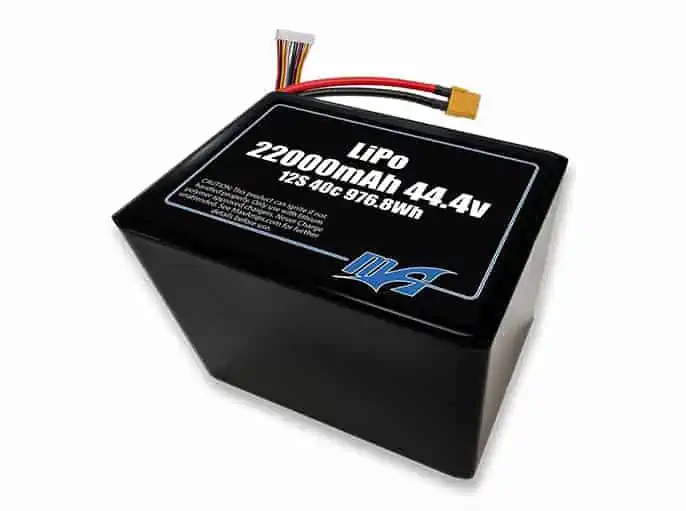
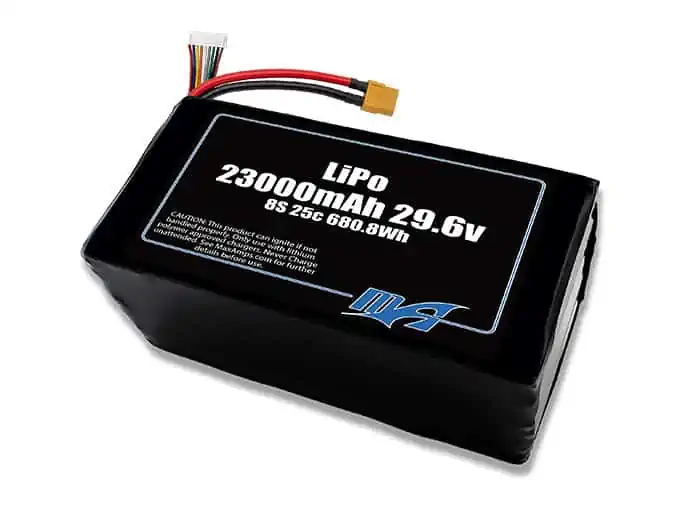
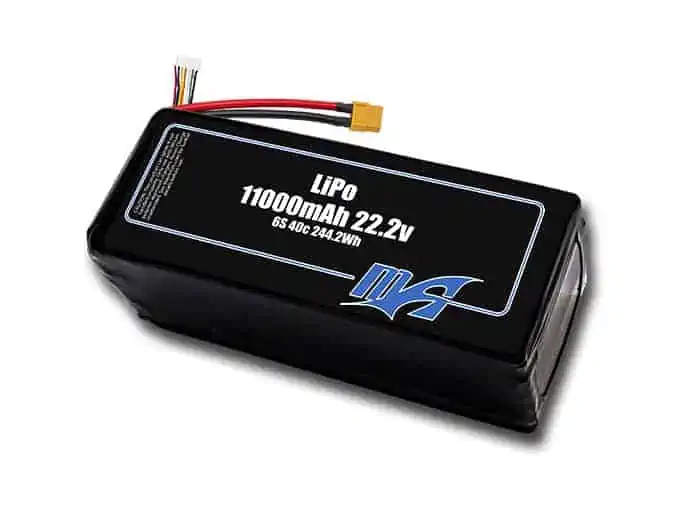
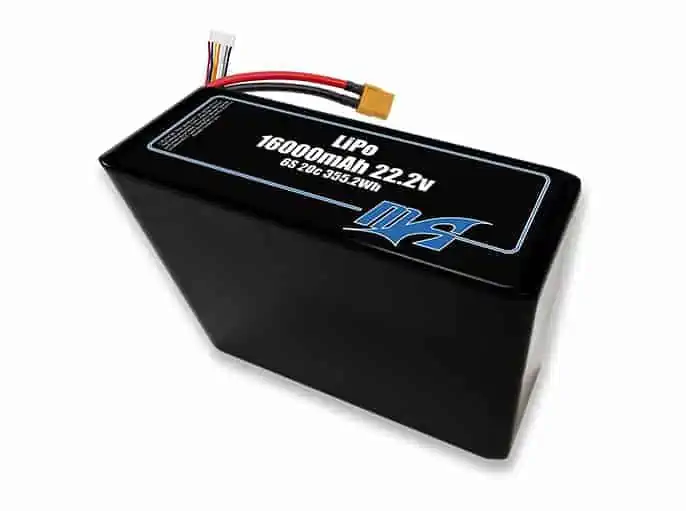
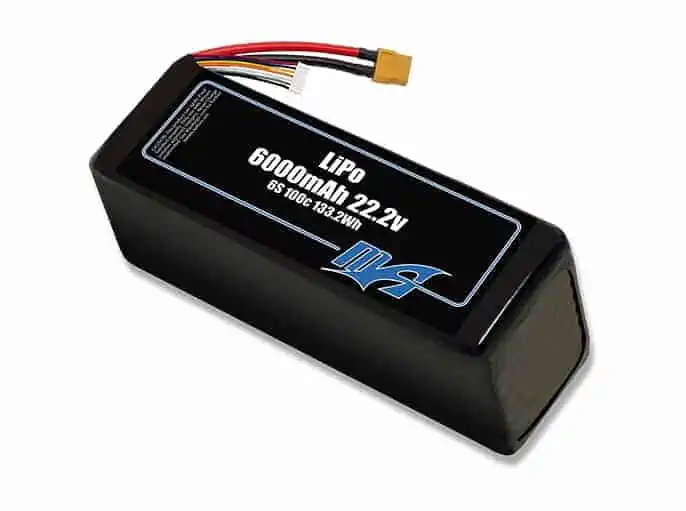
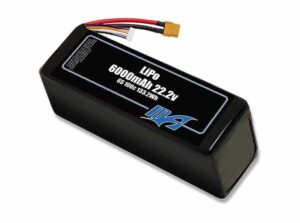
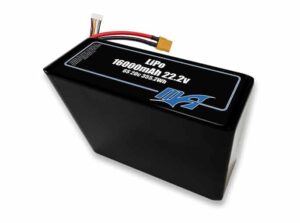
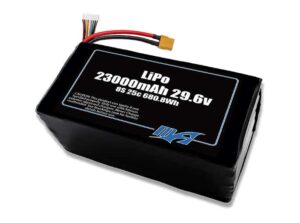
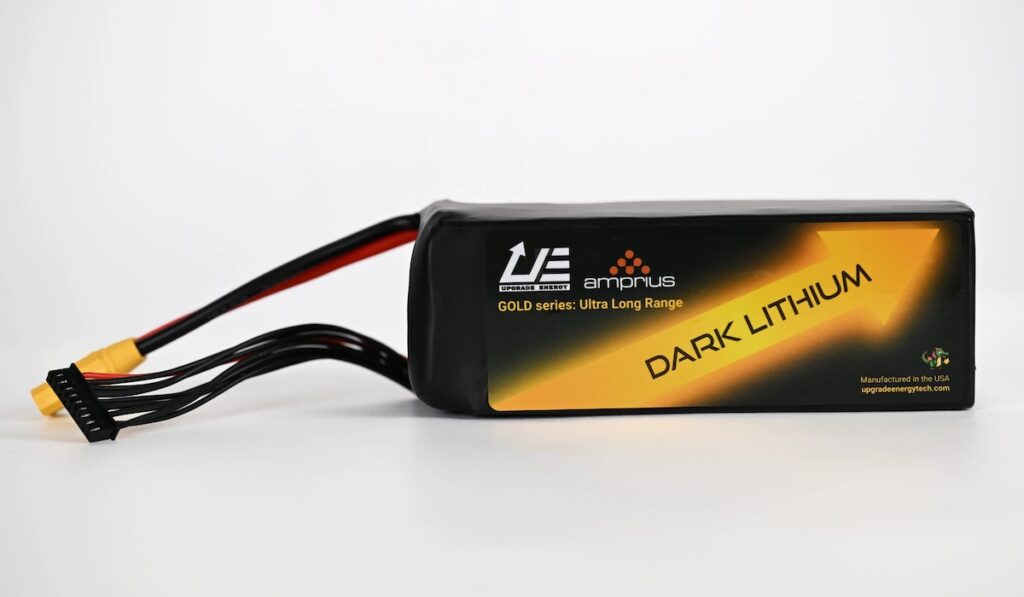
While LiPo batteries offer high discharge rates, they remain a compliance challenge. Much of the LiPo ecosystem is rooted in commercial supply chains with opaque origins. For a LiPo battery to be considered NDAA-compliant, it requires rigorous quality assurance and documented cell-level provenance that many manufacturers cannot provide.
Emerging Technologies (Solid-State and LFP)
Lithium Iron Phosphate (LFP): Gaining traction in industrial UAS for its safety and cycle life, though the weight penalty remains a factor for smaller aircraft.
Solid-State: While promising, solid-state batteries currently lack the high-volume, compliant manufacturing base typically required for large-scale government programs.
While each NDAA-compliant battery chemistry presents distinct advantages in areas such as safety, energy density, and supply chain resilience, many unmanned platforms operate within constraints that standard battery formats cannot fully accommodate. Custom battery designs can enable developers to balance chemistry selection, capacity, mechanical packaging, and integration requirements to support specific endurance targets, payload configurations, and compliance considerations across defense and government-aligned programmes.
Supply Chain Integrity & Manufacturing
Trusted Manufacturing vs. Geographic Origin
Being manufactured in an “approved” country is only half the battle. True compliance involves:
Corporate Transparency: Ensuring no prohibited entities have a controlling interest in the manufacturer.
Process Stability: Guaranteeing that tooling and sub-tier suppliers will not shift during the contract.
BMS Security: Verifying that the battery management system does not have “phone-home” capabilities or unvetted update paths.
Vertical Integration: The Compliance Advantage
The industry is seeing a trend toward vertical integration. Suppliers who manufacture their own battery packs, design their own BMS hardware, and write their own firmware have a massive advantage during audits. Distributed supply chains, while often cheaper, require a level of governance that can become a significant administrative burden for the end user.
Emerging Certification Trends in NDAA-Compliant Batteries
It is vital to distinguish between a battery being “NDAA-compliant” and “Blue UAS cleared.”
NDAA Compliance is a legal baseline that applies to all federal procurement.
Blue UAS (now managed by the DCMA) is a specific vetting process for the Department of Defense. While all Blue UAS components are NDAA-compliant, not all NDAA-compliant batteries have gone through the full Blue UAS vetting process.
The strategic importance of power systems is expected only to grow. NDAA-compliant batteries for drones are no longer optional accessories, but foundational components of the American drone industrial base. For designers and manufacturers, the message is clear: the battery is as sensitive as the camera or the flight controller.
SES AI upgrades its Chungju facility to produce NDAA-compliant, AI-enhanced high-energy density drone cells, leveraging its Molecular Universe platform to accelerate battery development and optimization
MaxAmps, a leading manufacturer of high-quality energy-dense lithium polymer (LiPo) batteries and battery packs for unmanned and autonomous vehicles, has...
Sep 10, 2021
Advancing Unmanned Systems Through Strategic Collaboration
UST works with major OEMs to foster collaboration and increase engagement with SMEs, to accelerate innovation and drive unmanned systems capabilities forward.