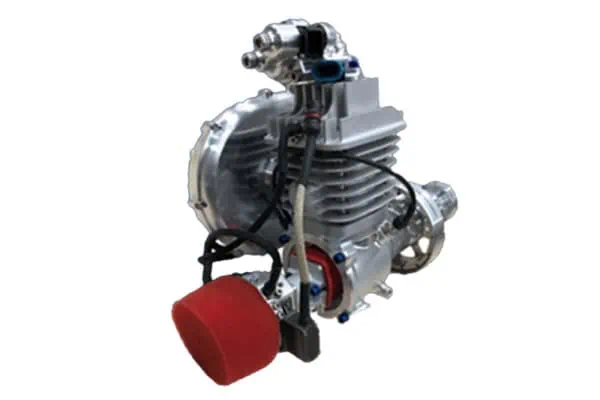
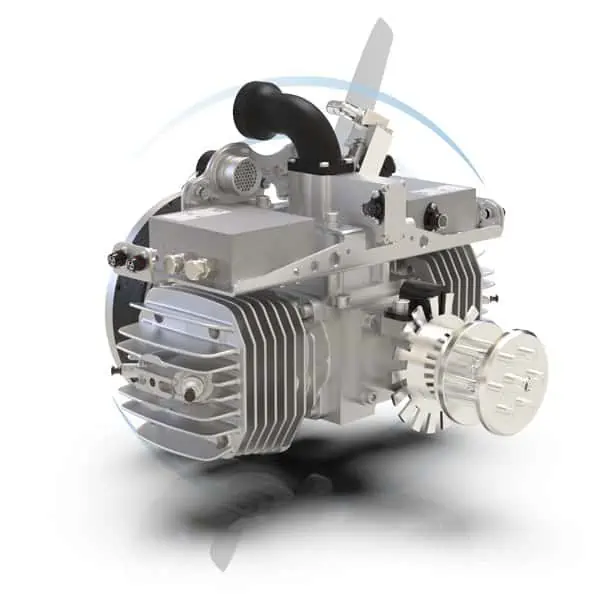
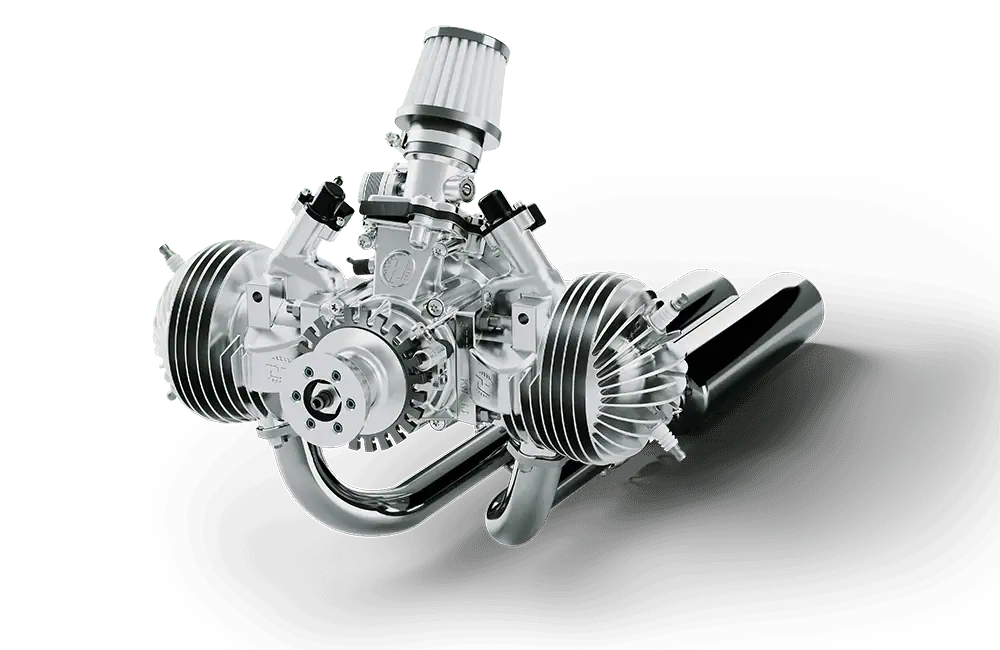
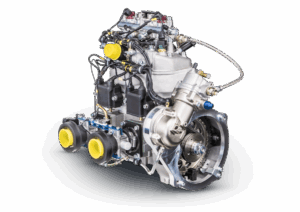
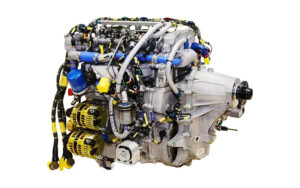
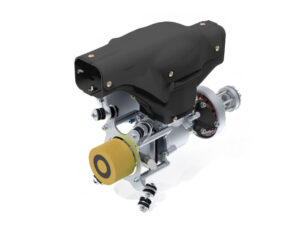
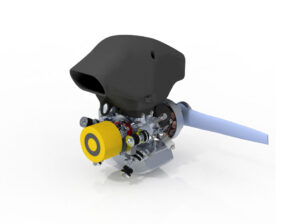
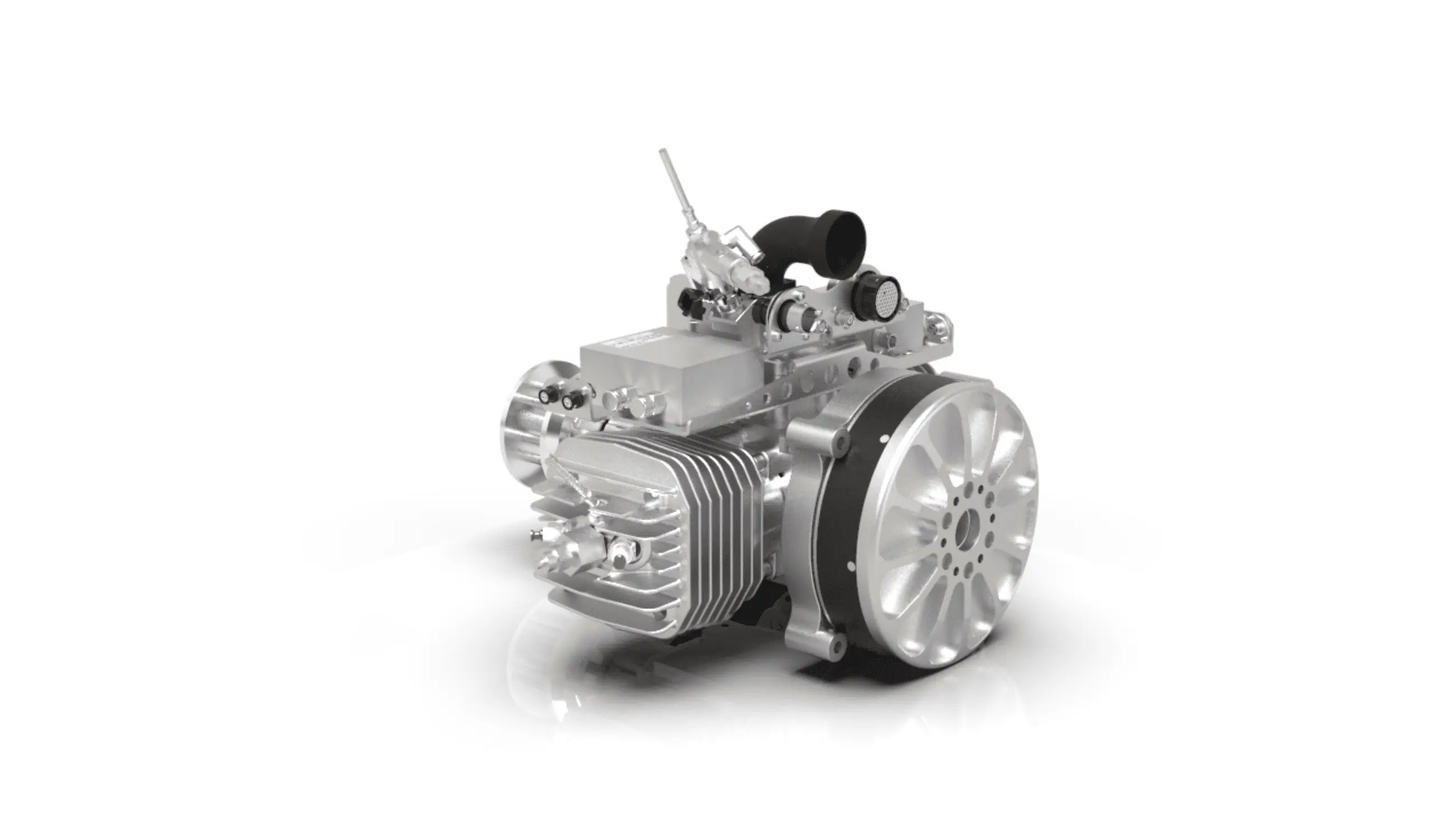
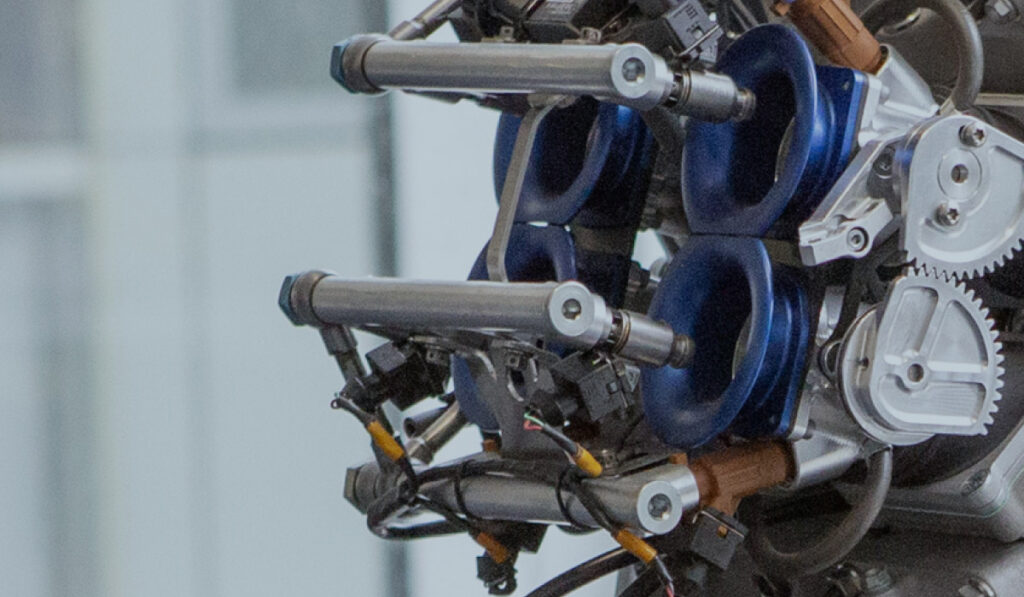
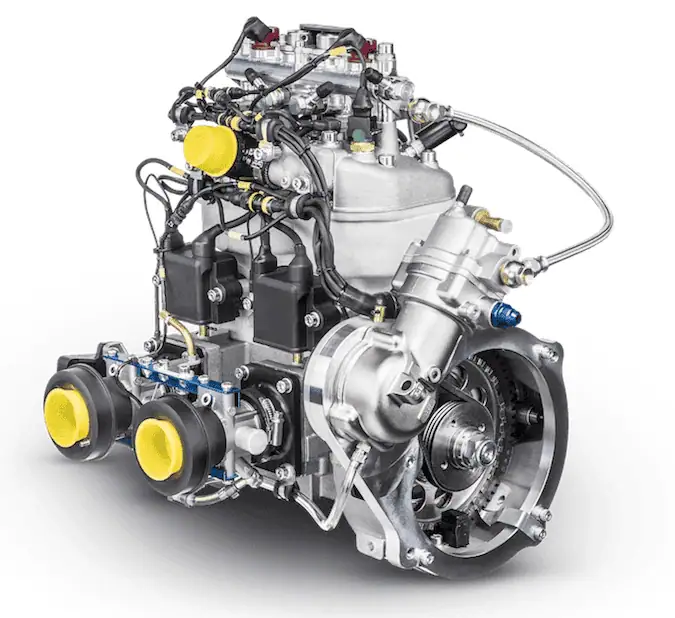
Heavy Fuel UAV Engines, also known as drone diesel engines, are advanced propulsion systems designed for unmanned aerial vehicles (UAVs), which prioritize fuel efficiency and operational flexibility. These engines utilize heavier fuels, like diesel or JP-8, preferred for their higher energy density compared to traditional gasoline. This characteristic enables extended flight times and enhanced payload capacities, making them ideal for a variety of autonomous applications, including military reconnaissance, long-range surveillance, and cargo delivery.
If you design, build or supply Diesel / Heavy Fuel UAV Engines, create a profile to showcase your capabilities and connect with visitors who have an active requirement for your solutions.
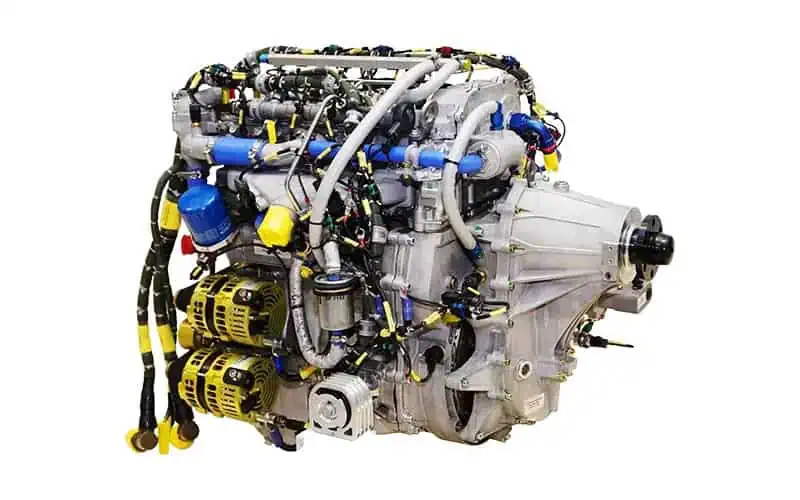
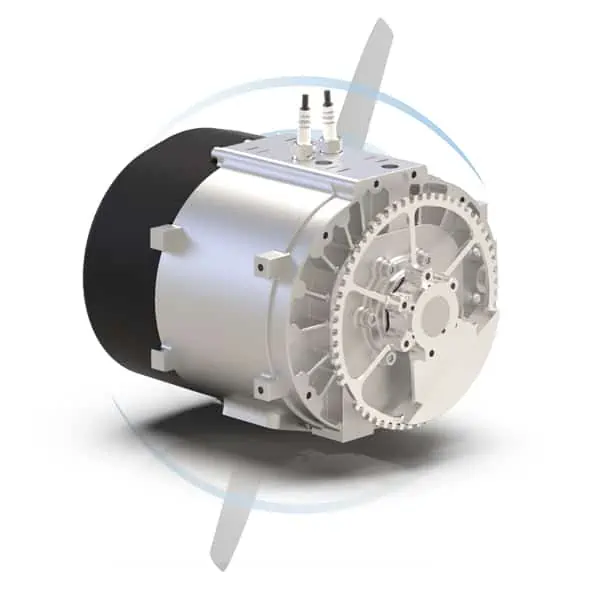
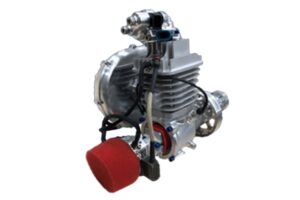
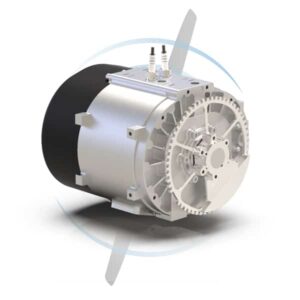
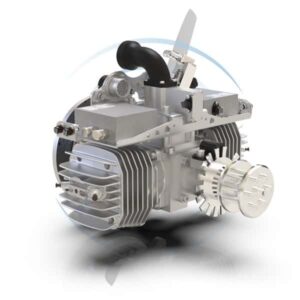
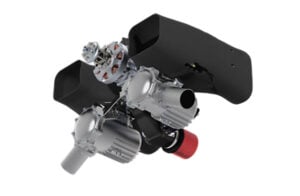
... single rotary engine with 180 ccm combustion chamber and a directly attached starter generator.... ... with multiple engine systems flying in all environmental conditions globally. The SP-180 has a...
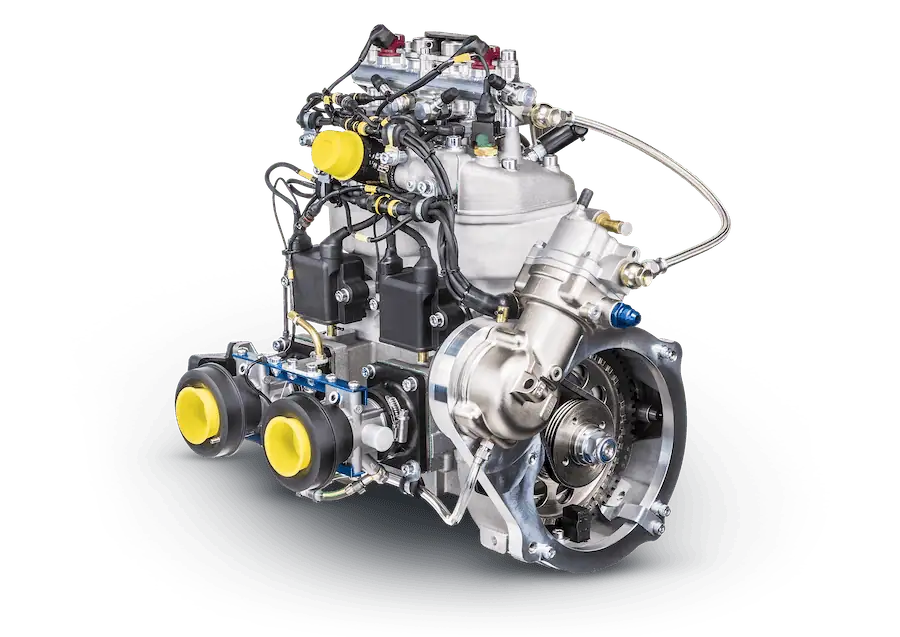
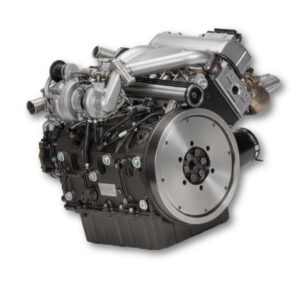
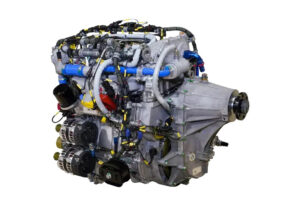
The 3507 HeavyFuelEngine is a 2-cyl inline, water-cooled, air-assisted direct-injection powerhouse... ... for: maritime UAV/USV, expeditionary and military platforms, industrial machinery, heavy-dutyUAV...
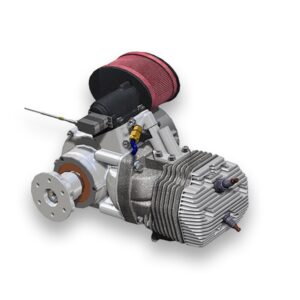
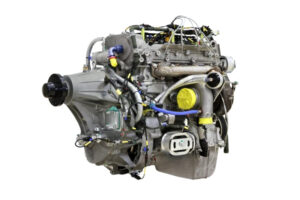
Heavy fuel & gasoline propulsion system for Group 3 UAS
Heavy fuel & gasoline propulsion system for Group 3 UAS
...on system is a heavyfuel and gasoline engine designed for small Group 3 unmanned aerial systems.... ......bustion setup and a parallel hybrid option that combines engine and motor power on a single...
Diesel and other heavy fuels such as jet fuel are used in a number of UAV (unmanned aerial vehicle designs), especially military drones. This allows armed forces to utilize a single fuel across all land vehicles, aircraft and equipment for simplified supply chains and logistics.
Some engine designs are capable of running on both diesel and kerosene-based heavy fuels such as JP-5, JP8 and Jet-A1.
Piston-Driven Heavy Fuel Engines
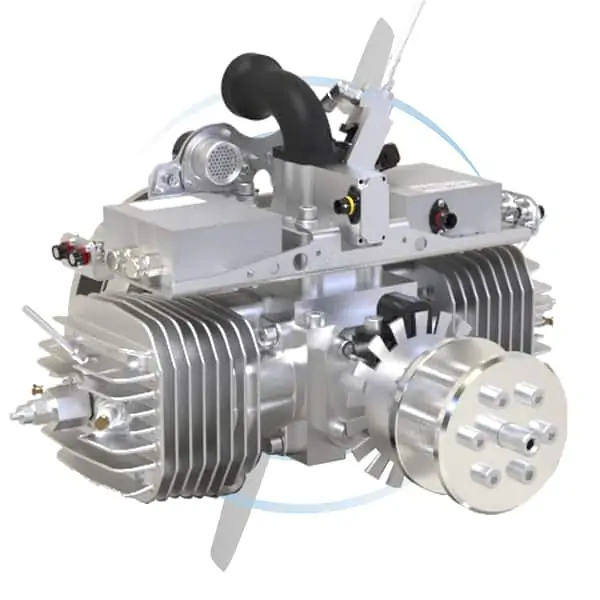
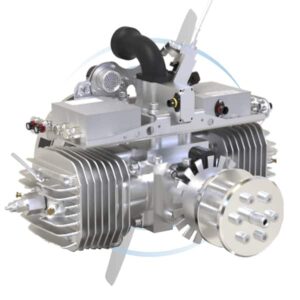
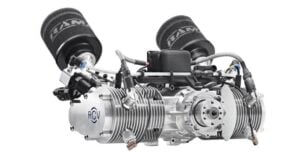
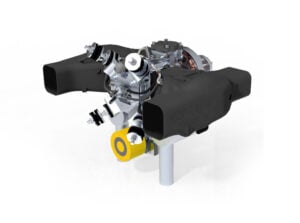
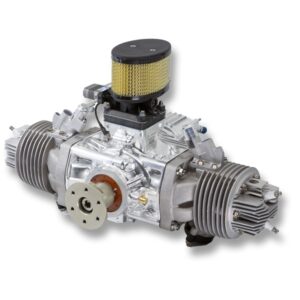
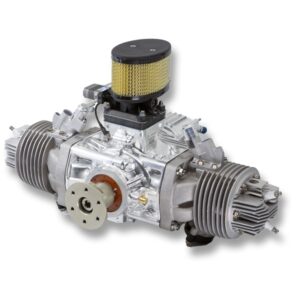
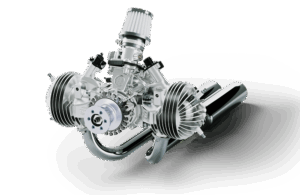
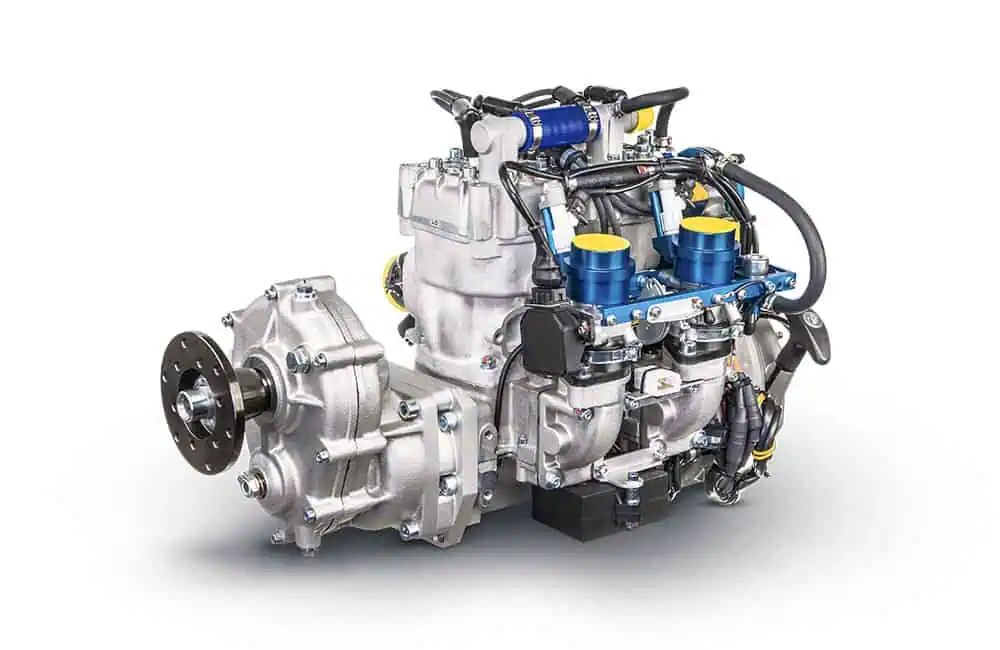
Dual Cylinder Heavy Fuel UAV Engine by Sky Power International.
Piston-driven diesel and heavy fuel UAV engines typically operate on different principles to gasoline-powered internal combustion engines (ICEs). Gasoline engines mix fuel with air, compress this mixture and then ignite it with a spark. Diesel and heavy fuel engines do not require spark plugs – instead, they compress the air only, and then inject fuel into this compressed air, relying on the heat to ignite the fuel. Due to the higher pressures involved, diesel and heavy fuel ICEs tend to be bulkier and thus suited to drones with higher payload capacities.
UAV Turbine Engines
Diesel and heavy fuel are also used to power UAV turbine engines, which include turbojet, turboprop and turboshaft engines. These engines mix air and fuel, ignite the mixture, and use the resulting stream of gas to propel the UAV.
Advantages of using heavy fuel for drone engines
Diesel and heavy fuels are denser than gasoline, due to being made up of longer-chain hydrocarbon molecules. This affects their properties, and in general, makes them harder to ignite. Other properties of heavy fuels include:
Being hard to ignite makes heavy fuel safer to use, store and transport than gasoline.
Remaining liquid at lower temperatures, makes these fuel types more suitable for drones flying in cold environments or at high altitudes.
More energy per unit volume due to higher density, makes heavy fuels ideal for drone designs where the limiting factor is the size of the fuel tank and not the mass of fuel carried.
Hirth Engines’ 3507 is a water-cooled two-cylinder inline two-stroke heavy fuel engine with air-assisted direct injection that delivers 57 HP for unmanned, maritime, military, and industrial applications
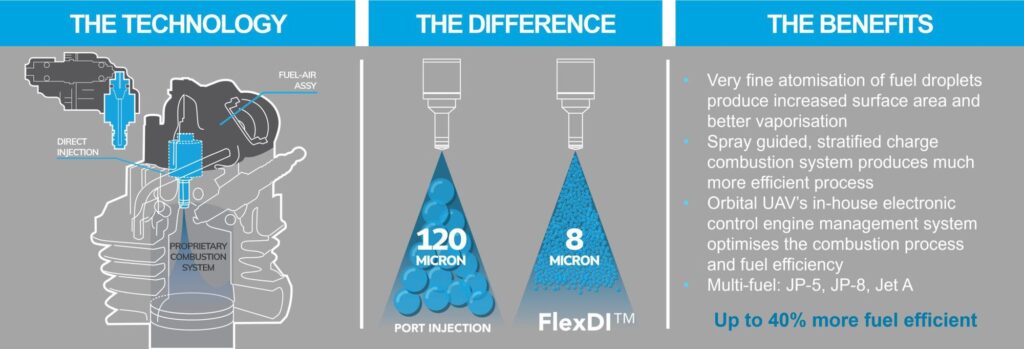
FlexDI™ air assisted direct injection from Orbital UAV delivers ultra fine fuel atomization, improving thermal efficiency and reducing specific fuel consumption at cruise while supporting heavy fuel operation
A new collaboration between Alpha Unmanned Systems Partner and Parallel Flight Technologies aims to adapt the Firefly heavy-lift drone for heavy-fuel propulsion, enhancing operational endurance and logistics for naval and expeditionary missions under a U.S. Office of Naval Research program
Orbital UAV has launched its new Power Management System (PMS), delivering advanced electrical control, protection, and remote start capabilities for heavy fuel drone engines
May 14, 2025
Advancing Unmanned Systems Through Strategic Collaboration
UST works with major OEMs to foster collaboration and increase engagement with SMEs, to accelerate innovation and drive unmanned systems capabilities forward.