Sonardyne’s underwater positioning and tracking technology has been chosen for three new oceanographic research vessels being constructed as part of the US National Science Foundation (NSF) Regional Class Research Vessel (RCRV) programme.
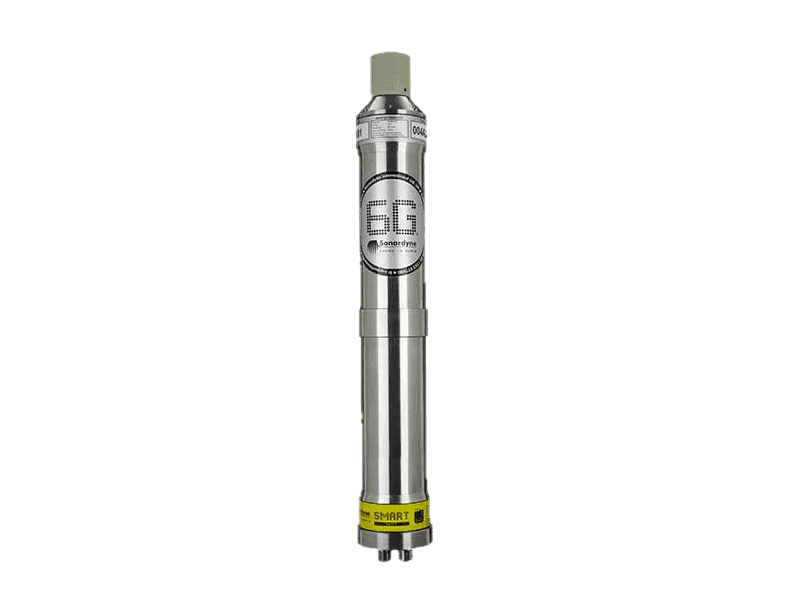
Led by Oregon State University (OSU), the RCRVs are being built for the US Academic Research Fleet (ARF) to support coastal and regional marine science. To support the scientific missions across diverse marine environments, OSU selected the Ranger 2 Gyro USBL 7000 system. This system was engineered to meet the demanding, multidisciplinary research objectives of the ARF and vessel-build requirements.
The first system has been delivered to OSU to be fitted to the R/V Taani, which will be operated by the university. The R/V Taani is being built by Bollinger Houma Shipyards. Systems for the other two vessels, R/V Narragansett Dawn and R/V Gilbert R. Mason, are scheduled for delivery next year. The R/V Narragansett Dawn will be operated by a University of Rhode Island-led consortium, and the R/V Gilbert R. Mason will be operated by the Gulf-Caribbean Oceanographic Consortium.
James Caison, Design Specialist at OSU working on the RCRV programme, said, “The RCRV construction programme represents a significant enhancement to the US Academic Research Fleet. These vessels will empower researchers to address critical questions in climate, ecology, and ocean dynamics across the Pacific coast, east coast and Gulf of Mexico.”
Kim Swords, Technical Sales Manager at Sonardyne, added, “The RCRV construction programme represents a significant enhancement to the US Academic Research Fleet. This order is an endorsement of the precision and reliability delivered by our Ranger 2 USBL systems. It reinforces Sonardyne’s position as a trusted provider of high-performance acoustic positioning technologies for the US marine science and research community.”
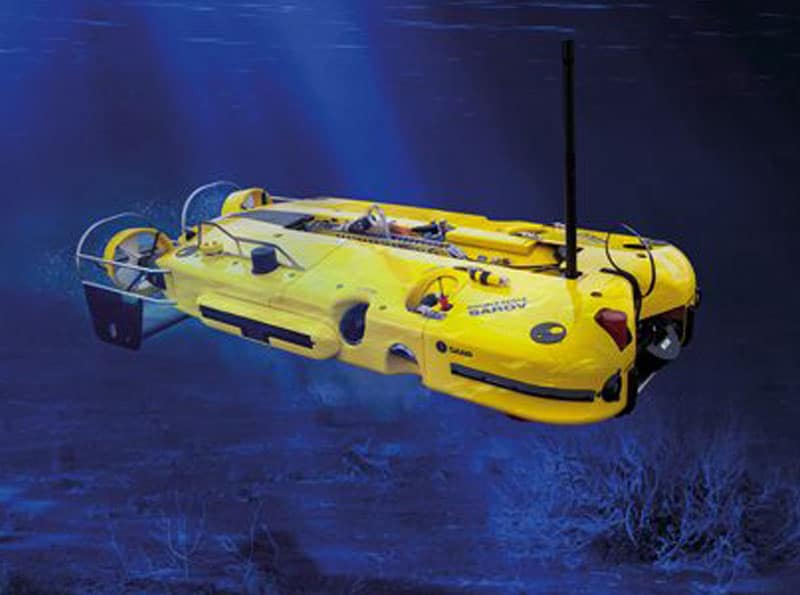
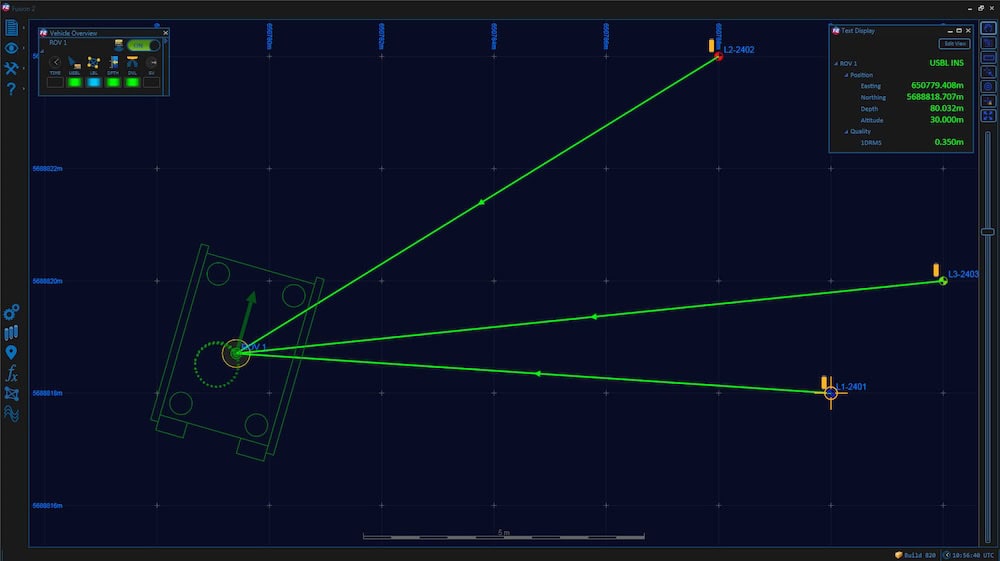
The Ranger 2 system allows US researchers to accurately track and simultaneously communicate with multiple underwater scientific instruments, vehicles, or towed platforms at ranges up to 10,000 meters, depending on its configuration. It was specifically selected for its precise acoustic tracking performance, integrated gyrocompass, and proven reliability in complex deployment scenarios.
With the integrated gyrocompass, scientists and researchers can be sure of optimal underwater positioning and tracking capabilities without the need for separate external heading sensors. For vessels equipped with a dynamic positioning system, Ranger 2 can also provide accurate and repeatable position referencing in any water without interrupting target tracking operations.