


Deep Trekker outlines how Australian marine services provider Franmarine is using Deep Trekker Remotely Operated Vehicles (ROVs) alongside its proprietary MarineStream software platform to standardize hull inspections and biofouling management, while supporting UWILD workflows across large vessel fleets. Read more >>
Working with defense, port, and commercial operators, Franmarine delivers a repeatable in-water inspection workflow that supports pre-clean surveys, inspection programs aligned with class requirements, environmental reporting, and fleet-wide compliance.
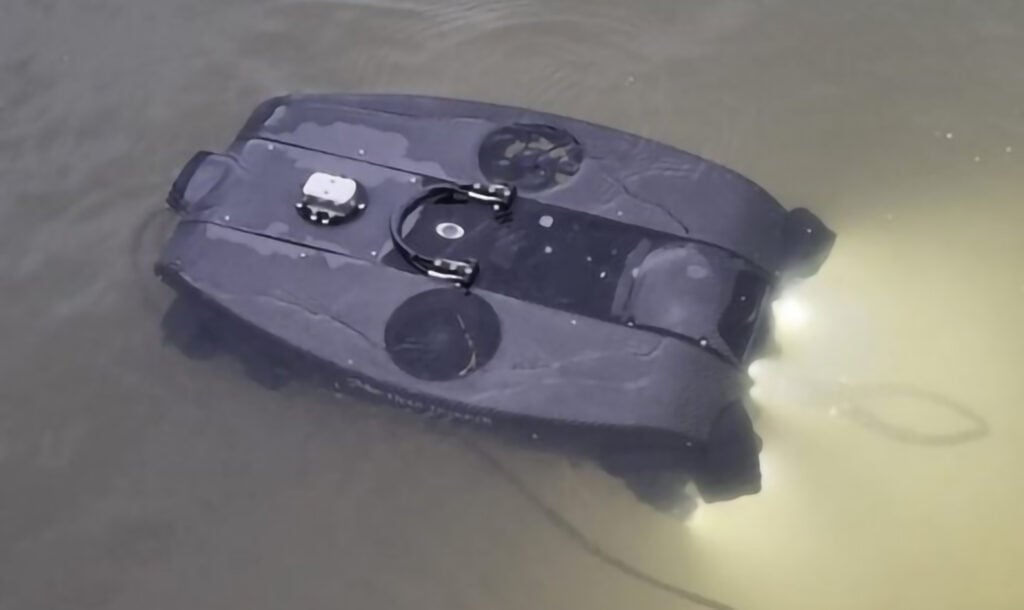
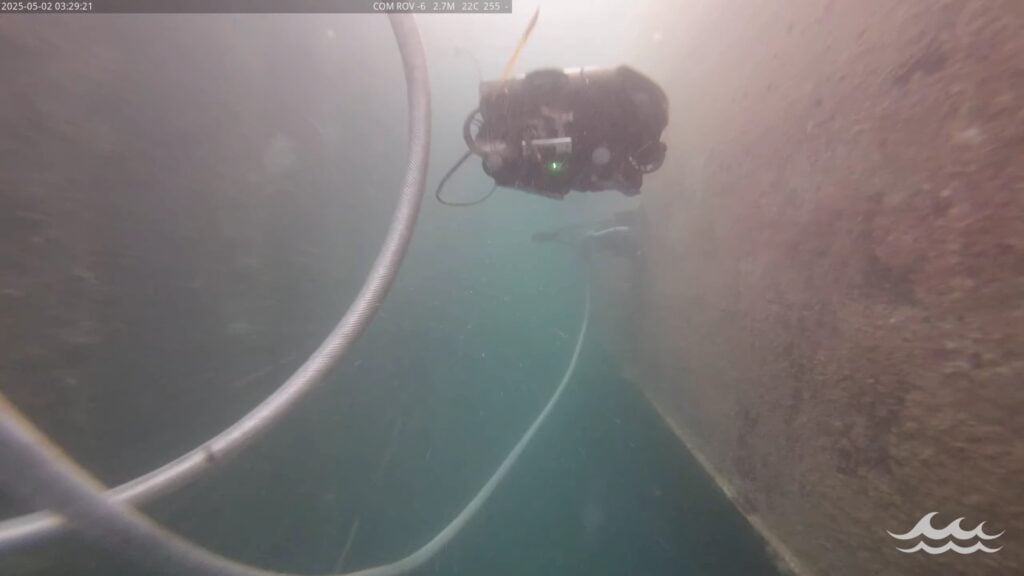
This approach was recently demonstrated in a Fremantle Ports trial involving the pilot vessel Paddy Troy, where Deep Trekker ROVs were used to assess biofouling extent and environmental risk as part of a broader evaluation of in-water vessel cleaning technology.
The need for this model is being shaped by growing pressure on vessel operators to reduce reliance on drydocking while still meeting classification and environmental requirements. Franmarine’s services cover both UWILD inspections, which support class certification without drydocking, and biofouling inspections, which are regulated separately under environmental protection frameworks.
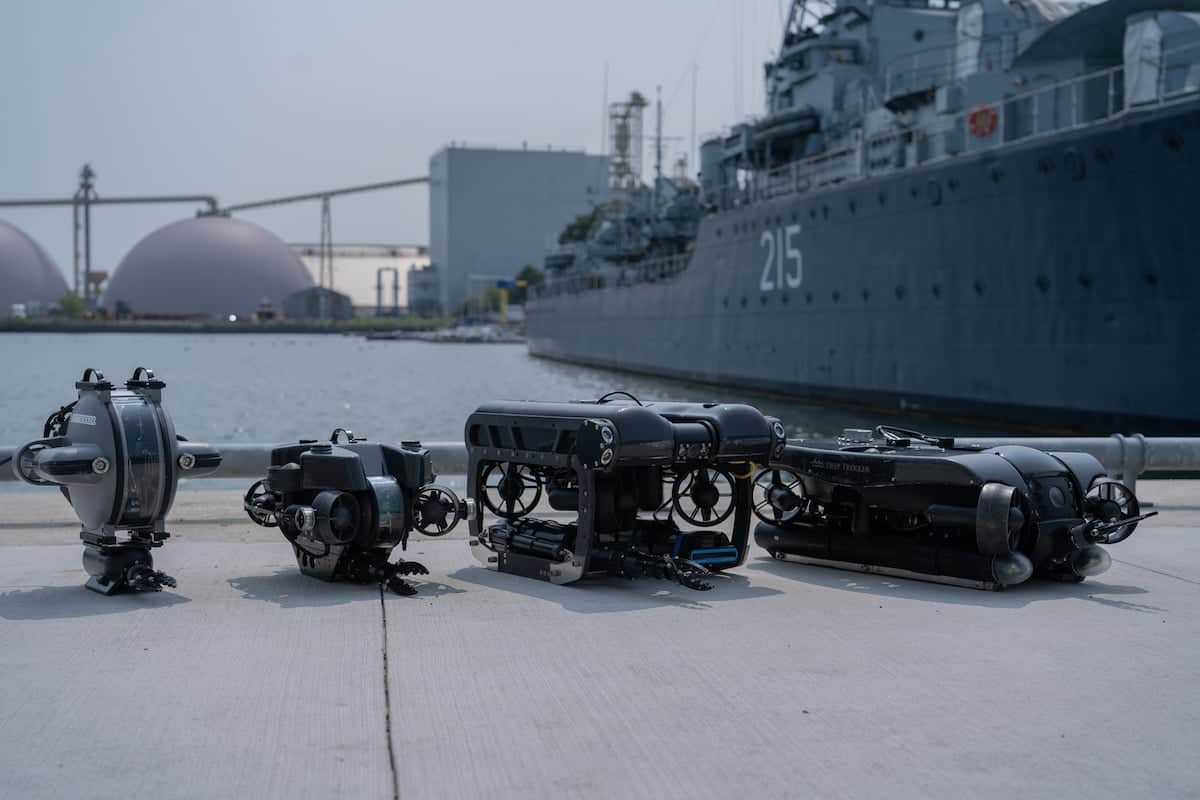
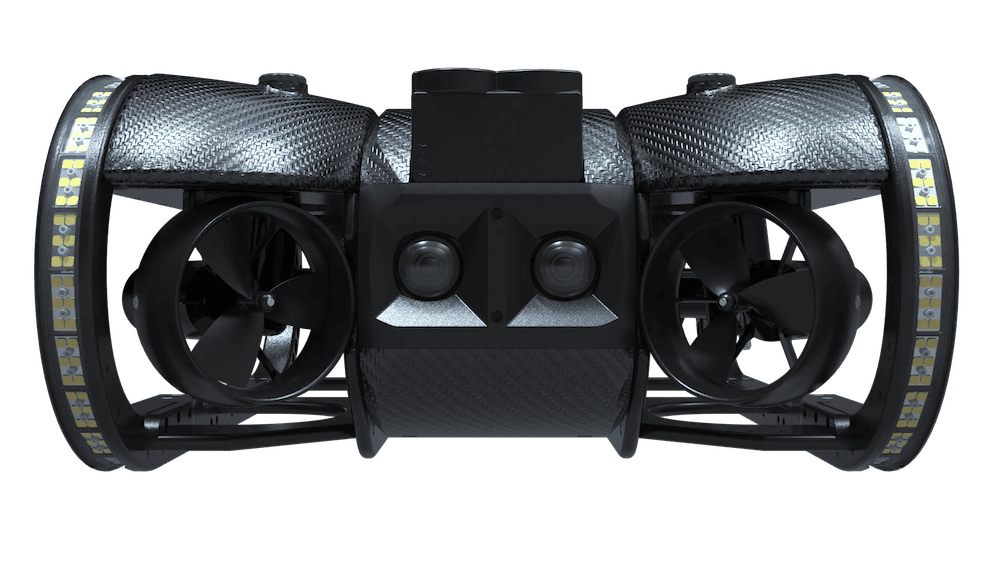
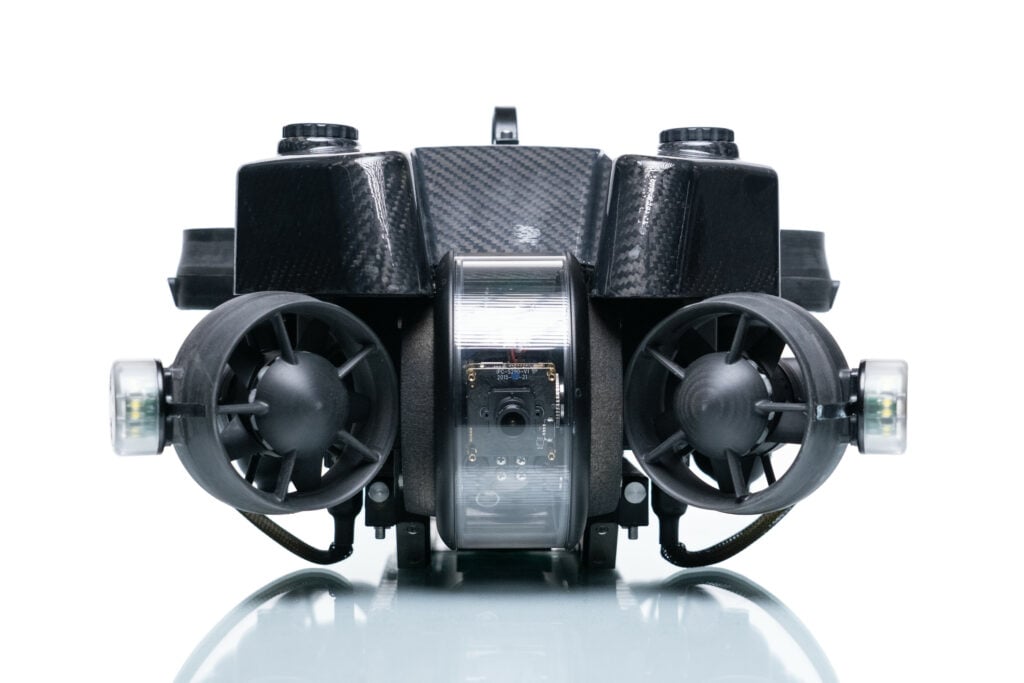
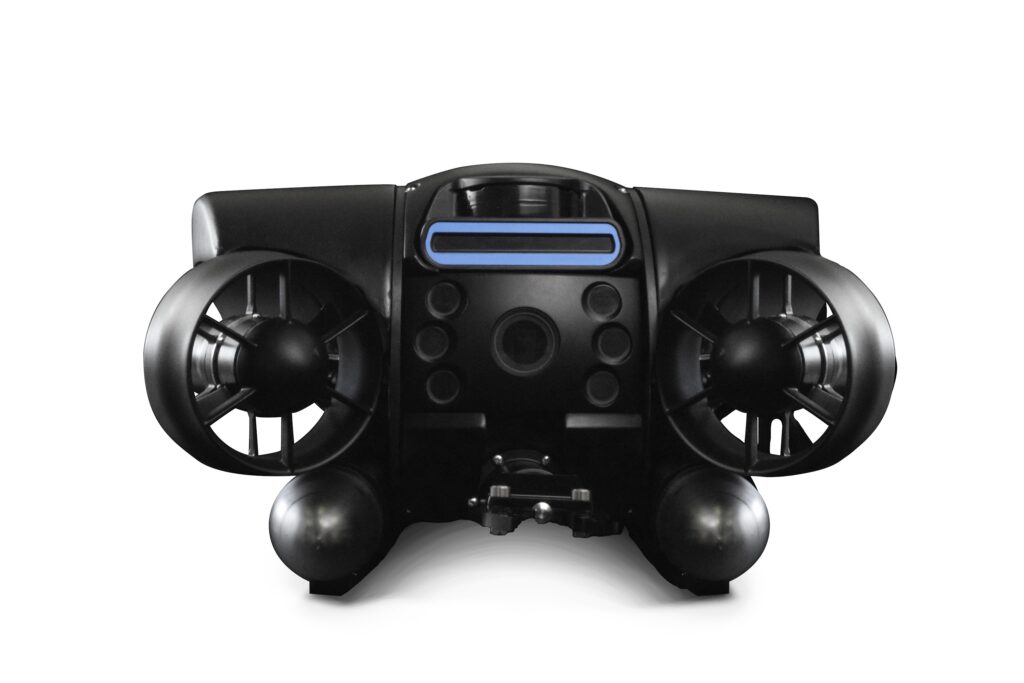
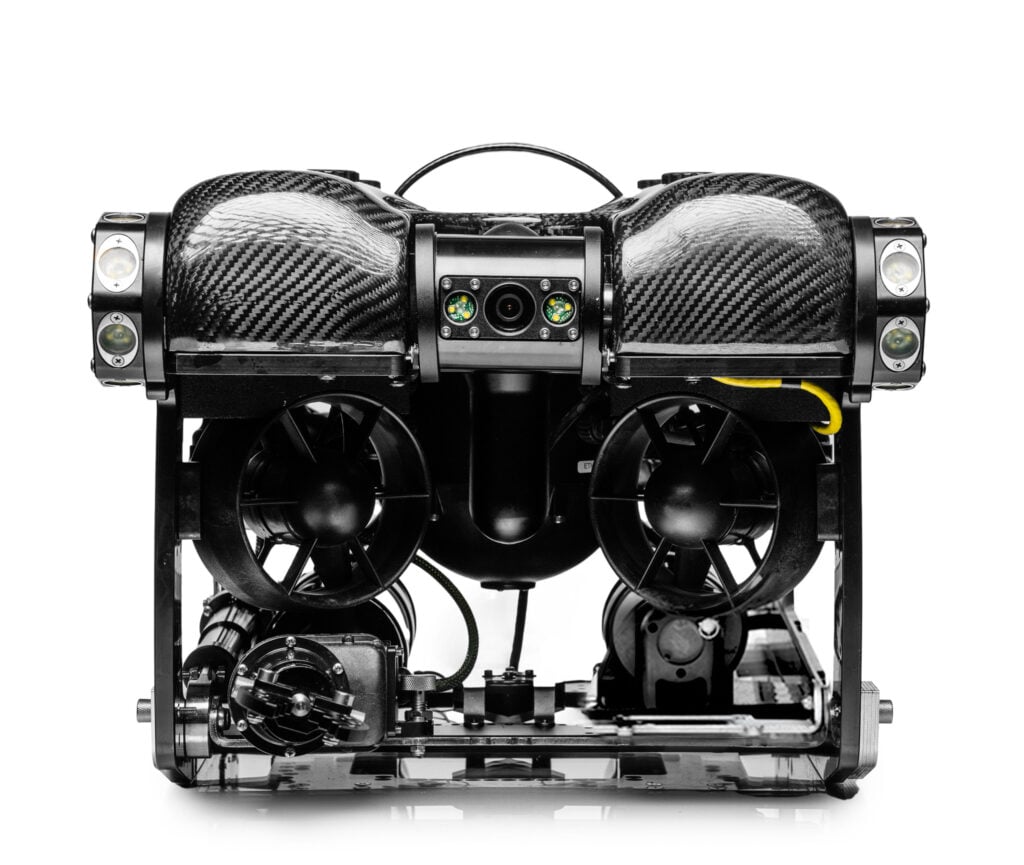
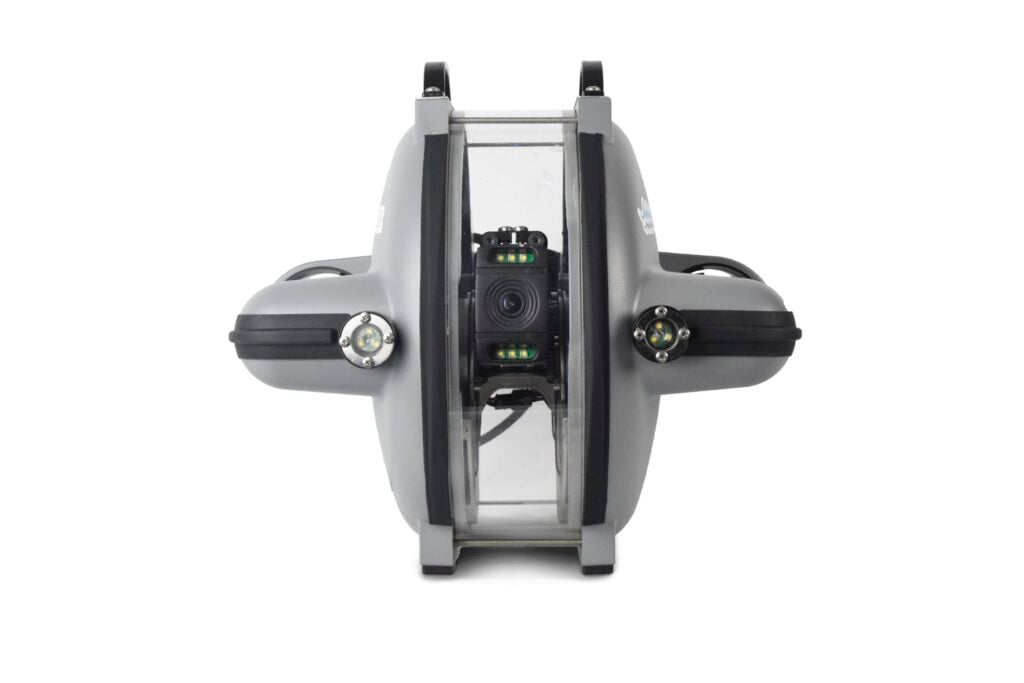
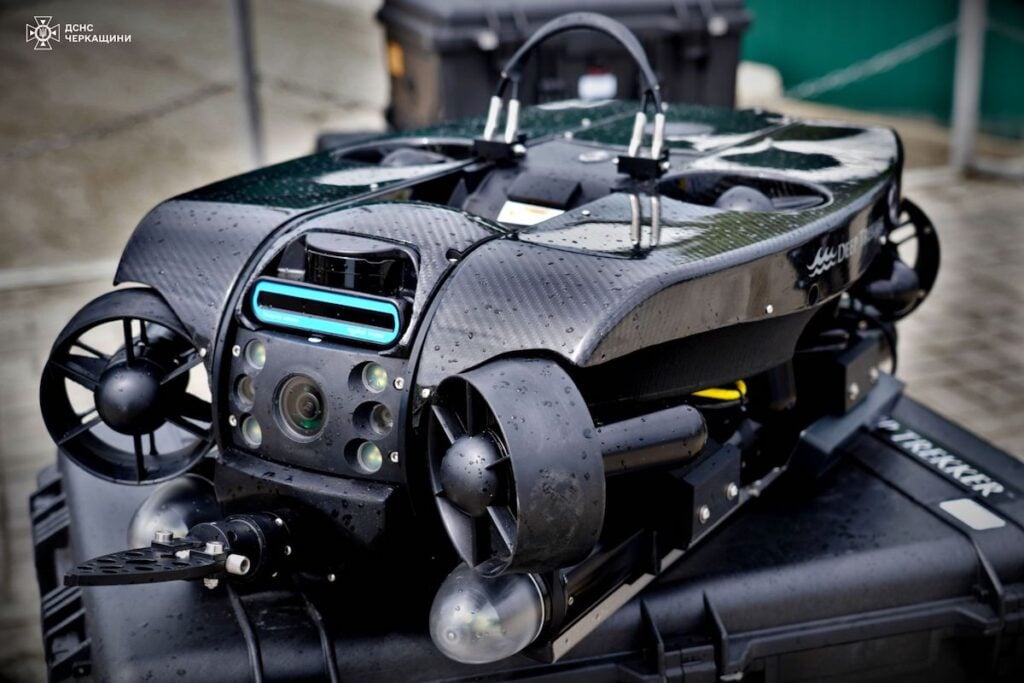
By combining Deep Trekker REVOLUTION and PIVOT ROVs with MarineStream, Franmarine provides a consistent method for collecting visual, sonar, and positioning data in challenging port, harbor, and offshore environments. The result is a digital workflow that improves traceability, accelerates reporting, reduces diver exposure, and gives operators, regulators, and surveyors access to auditable inspection evidence without removing vessels from service.
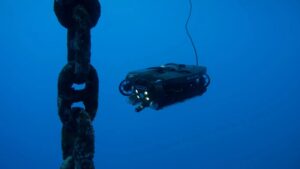
This ROV-based approach is applied across a range of underwater tasks, including hull and biofouling inspections, mooring chain and subsea infrastructure surveys, port and harbor assessments, environmental monitoring, and compliance inspections for vessel entries into biosecurity-controlled regions.
The systems are used to capture UHD 4K video, still imagery, sonar data, and georeferenced inspection records, all of which are routed into MarineStream for review and reporting. This approach has helped shorten inspection timeframes and improve visibility in turbid and low-light conditions, while also supporting species-level fouling assessment in some cases. It also enables more targeted diver deployment by using ROVs for pre-inspection, oversight, and remote assessment before manual intervention is required.
Looking ahead, the integration of Deep Trekker ROVs with MarineStream is supporting Franmarine’s broader effort to scale standardized underwater inspection and sustainment workflows across commercial and defense fleets. The company is continuing to develop its reporting and data management capabilities with the aim of improving long-term maintenance planning, compliance documentation, and access to real-time inspection information for distributed stakeholders.
Across this work, Deep Trekker hardware supports a wider operating framework that Franmarine is using to reduce downtime, improve safety, support environmental accountability, and expand the practicality of in-water operations in place of traditional drydocking.