
Inspired Flight examines what the Federal Communications Commission’s (FCC) latest Uncrewed Aircraft Systems (UAS) decision signals for operators navigating increasingly complex federal oversight.
Many organizations are now required to interpret overlapping guidance from the FCC, the National Defense Authorization Act (NDAA), the Department of Homeland Security, and internal procurement authorities at the same time.
Regulatory interpretation has become a routine part of operational planning, influencing aircraft selection, communications security, data control, and long-term fleet strategy.
Inspired Flight supports operators by helping translate federal policy direction into practical decisions that maintain operational continuity while aligning with evolving compliance expectations.
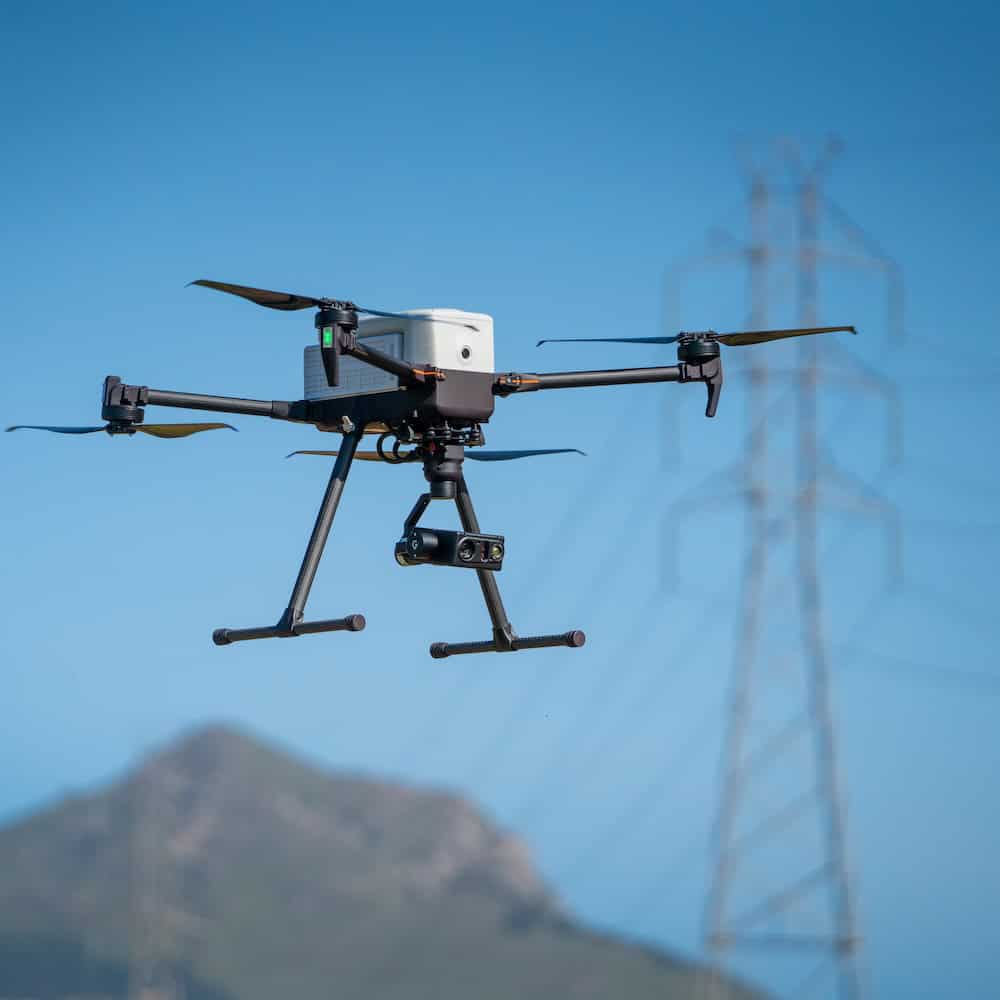
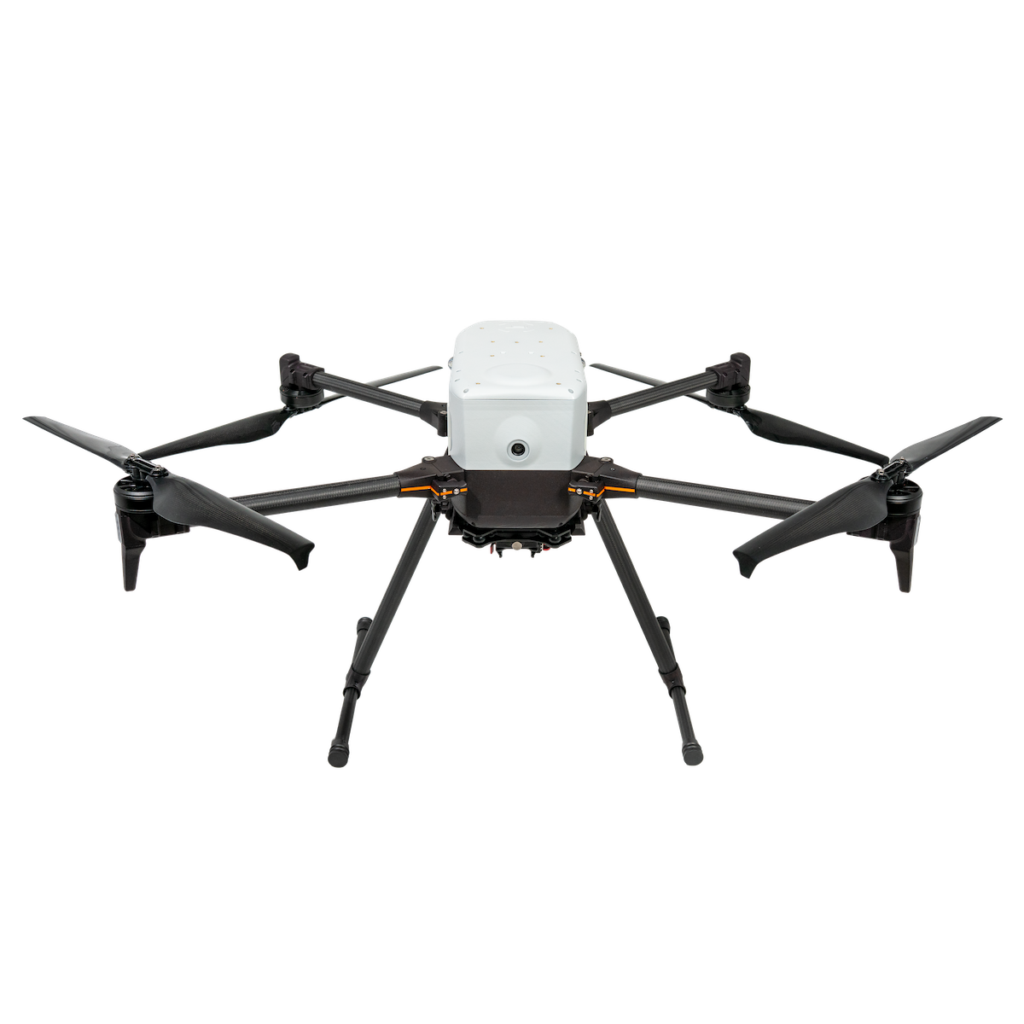
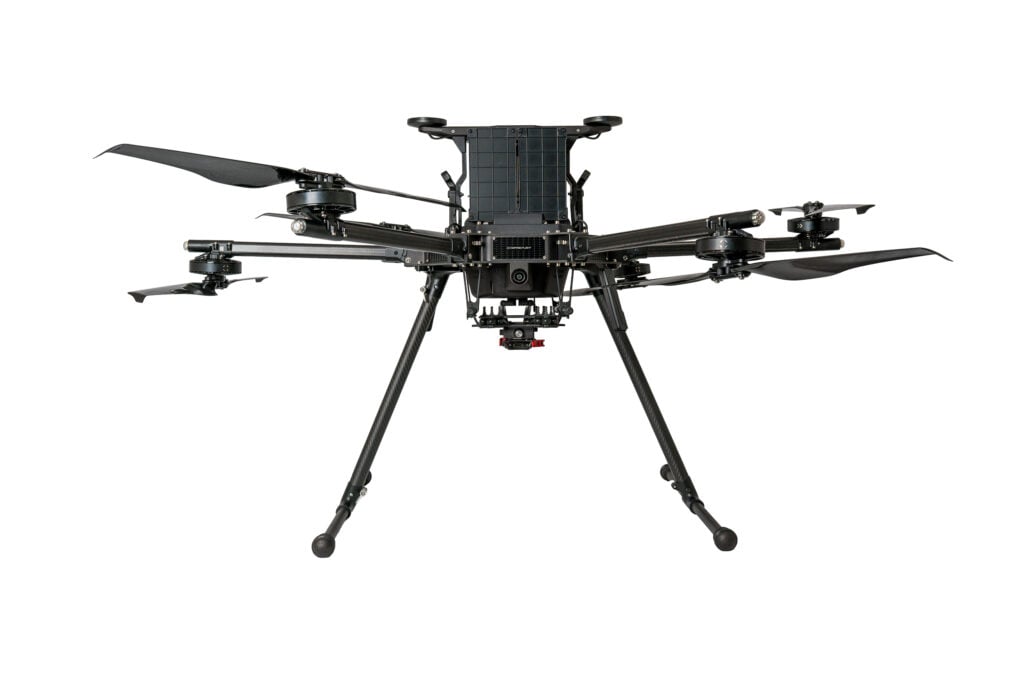
Inspired Flight platforms are:
- Designed and manufactured in the United States
- Built with transparent, auditable supply chains
- NDAA compliant by design rather than retrofit
- Supported by U.S.-based engineering, service, and training teams
The company also works directly with customers to clarify how recent regulatory actions apply to specific missions, timelines, and procurement requirements.
The FCC’s December 2025 Action
In late December 2025, the FCC expanded its Covered List to include all UAS and critical UAS components produced in foreign countries, alongside communications and video surveillance equipment identified under Section 1709 of the FY2025 NDAA. This action followed a mandatory National Security Determination issued by an Executive Branch interagency body and was formalized in the FCC’s December 22, 2025 Public Notice.
For many operators, this marks the first time federal communications policy has directly affected day-to-day fleet decisions.
A Change in How UAS Are Regulated
The decision is often simplified as a restriction aimed at a single manufacturer, but its scope is broader. Federal agencies now classify modern UAS as dual-use systems. In addition to commercial and public safety missions, they function as networked sensor platforms capable of collecting and transmitting sensitive data.
By extending Section 1709 into the UAS domain, the FCC aligned drone oversight with existing frameworks used for telecommunications, cybersecurity, and surveillance systems. Drones are now regulated as part of the nation’s critical technology infrastructure.
What Section 1709 Covers
Section 1709 does not name specific manufacturers. It authorizes restrictions when communications or video surveillance equipment is determined to pose an unacceptable national security or public safety risk.
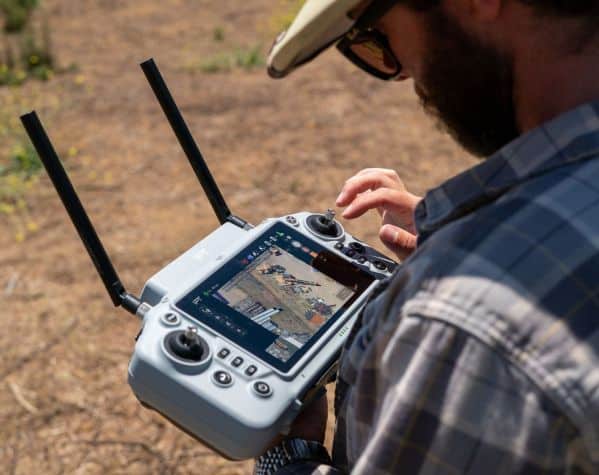
With the FCC’s update, this authority applies to complete aircraft and critical subsystems, including communications links, data transmission devices, flight controllers, ground control stations, navigation systems, sensors, batteries, and motors.
Risk is assessed based on production origin and supply-chain control rather than product category or intended use.
Implications for Operators
The FCC action does not ground existing fleets, but it sets a clear policy direction. Operators should expect increased scrutiny during equipment authorization, procurement reviews that extend beyond NDAA claims, and greater emphasis on manufacturing location and supply-chain transparency in RFPs.
Legal, IT, and cybersecurity teams are likely to play a larger role in acquisition decisions, while exceptions for foreign-produced platforms are expected to narrow.
Looking Ahead
The FCC’s decision reflects a broader shift in U.S. policy. Uncrewed aircraft systems are increasingly treated as critical systems rather than disposable tools. As this transition continues, trust, transparency, and domestic control will play a central role in determining which platforms remain viable for professional operations.