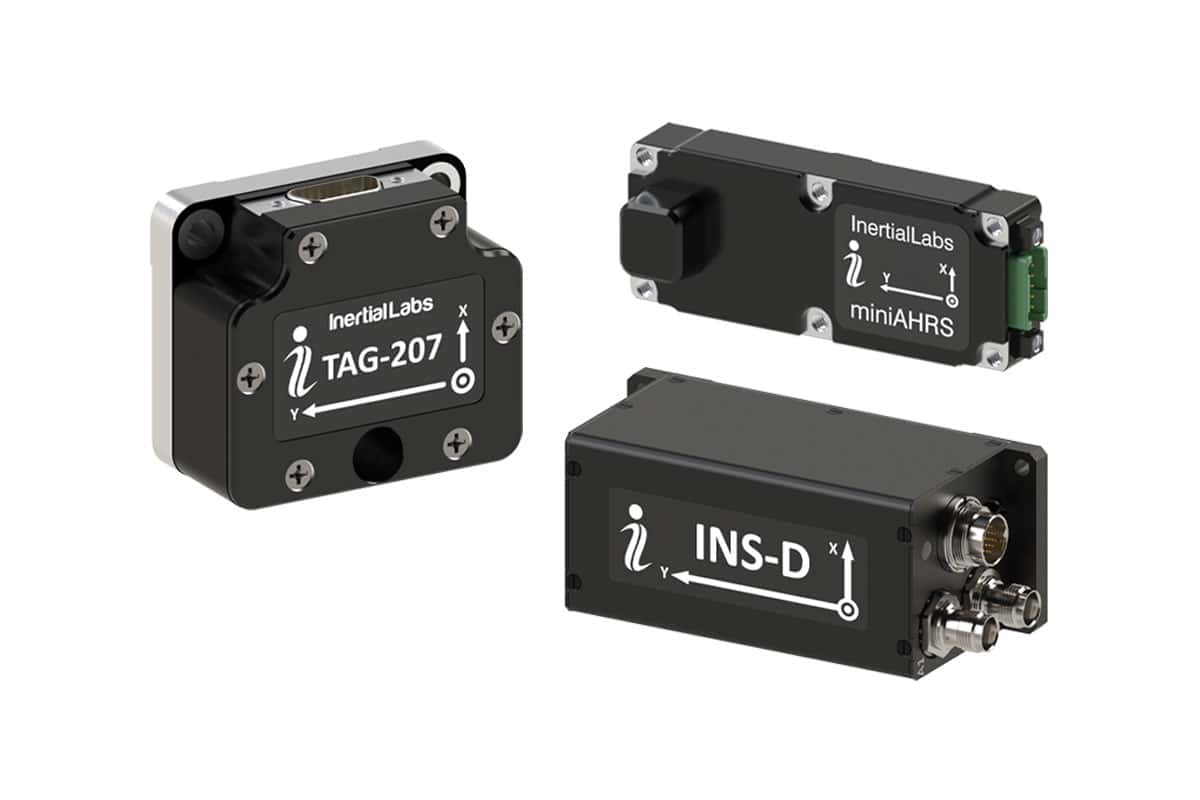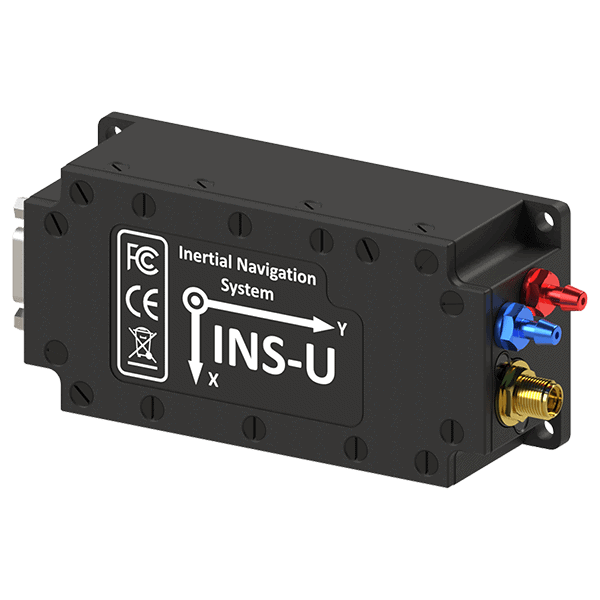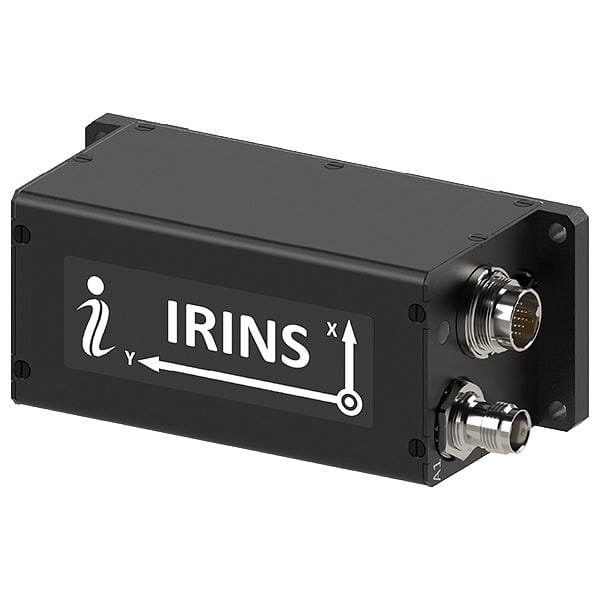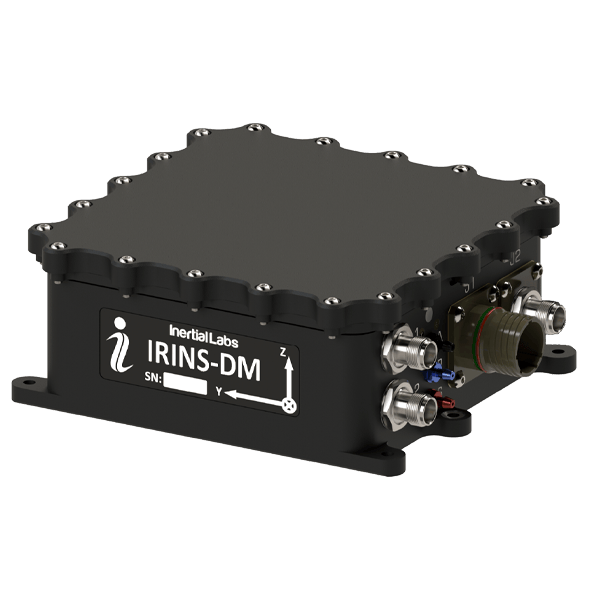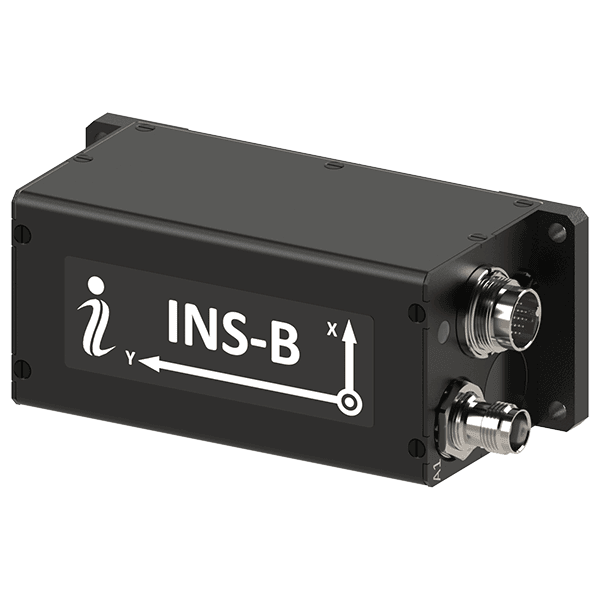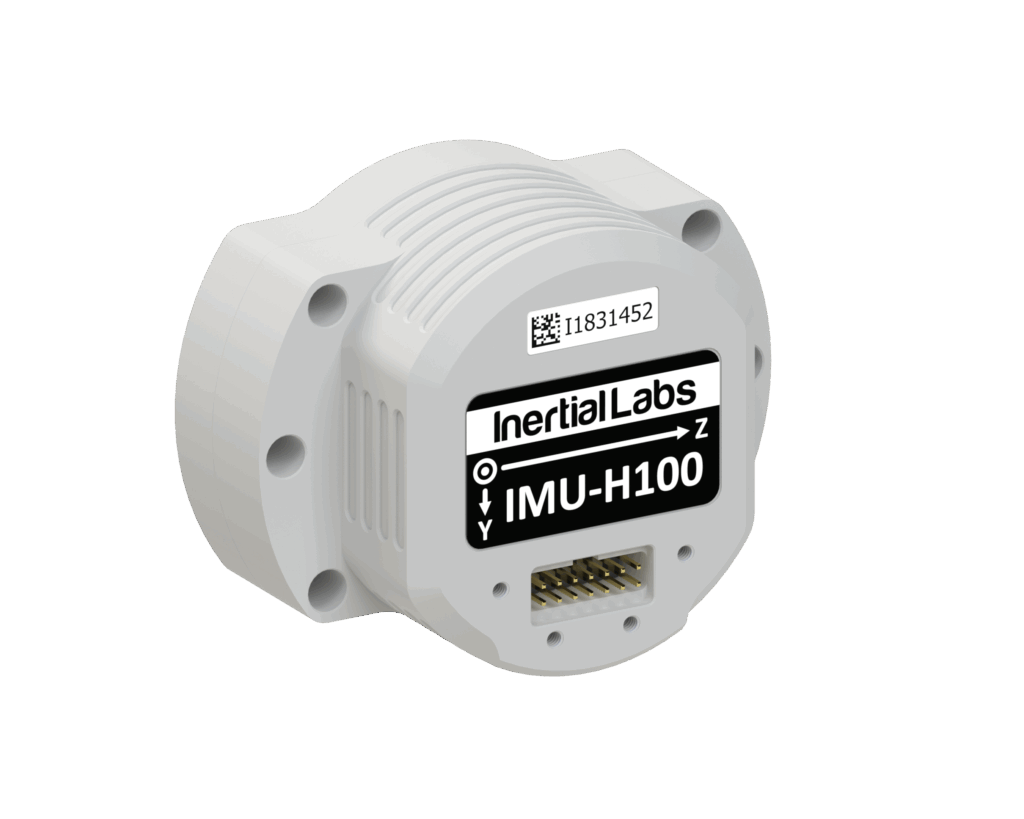

Inertial Labs highlights its Visual Inertial Navigation System (VINS) as an evolution of traditional inertial navigation, developed to address the challenges of operating in GNSS-denied and contested environments. Read more >>
By combining inertial sensors with visual odometry, the system enhances positional accuracy and supports autonomous Unmanned Aerial Vehicle (UAV) operations where GNSS signals may be unavailable, degraded, jammed, or spoofed.
VINS introduces a ground-facing camera that measures motion relative to the terrain, providing an additional velocity input to the navigation solution. This data is fused with inertial measurements to reduce drift that would otherwise accumulate over time in GNSS-denied conditions. The approach focuses specifically on velocity correction rather than mapping or terrain matching, maintaining a streamlined method of improving inertial accuracy.
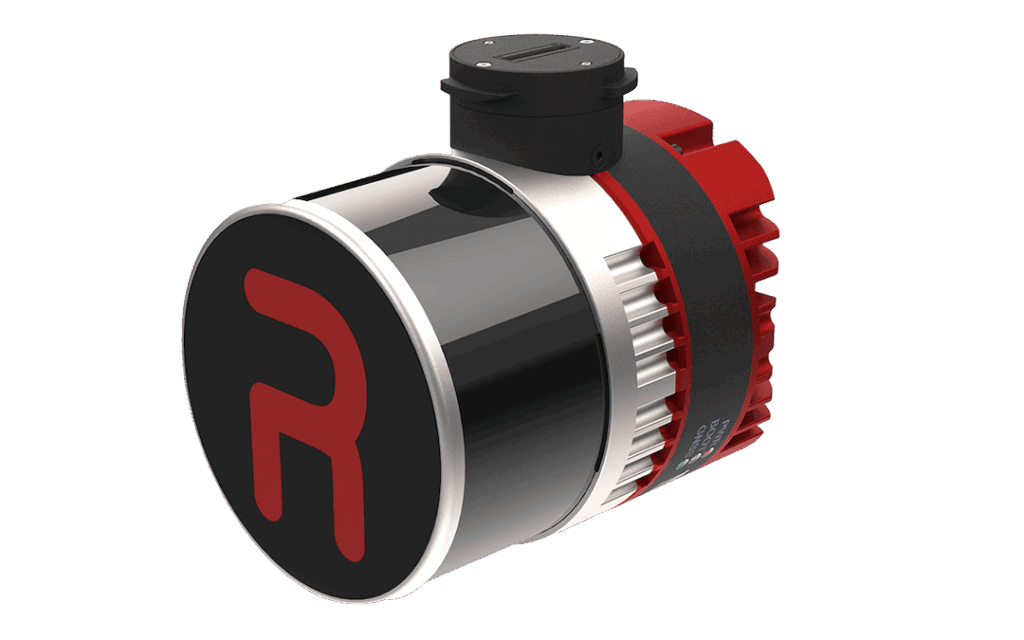
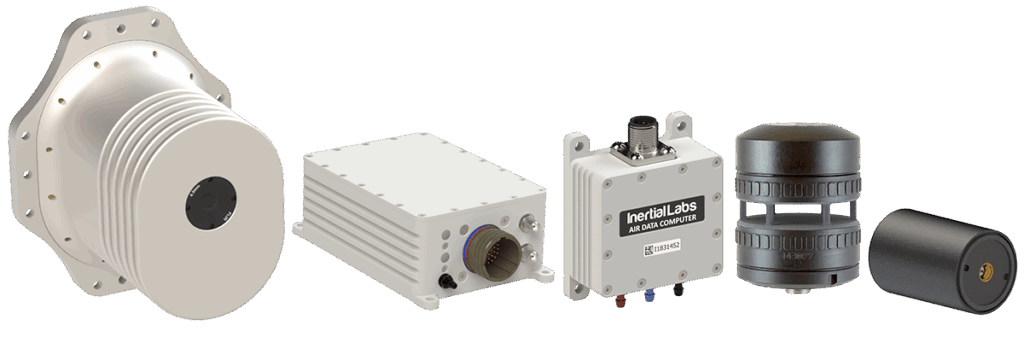
The system features a modular architecture consisting of a processing module, sensor module, and optional air data inputs, allowing it to be integrated across different UAV platforms. Its fully integrated design removes the need for separate third-party components, simplifying calibration, synchronization, and deployment while maintaining a unified sensor fusion framework.
VINS can also support integration with additional technologies such as CRPA, SDR-based positioning, and advanced GNSS receivers. Ongoing development is focused on expanding visual navigation capabilities, including broader use of visual data and algorithm improvements.