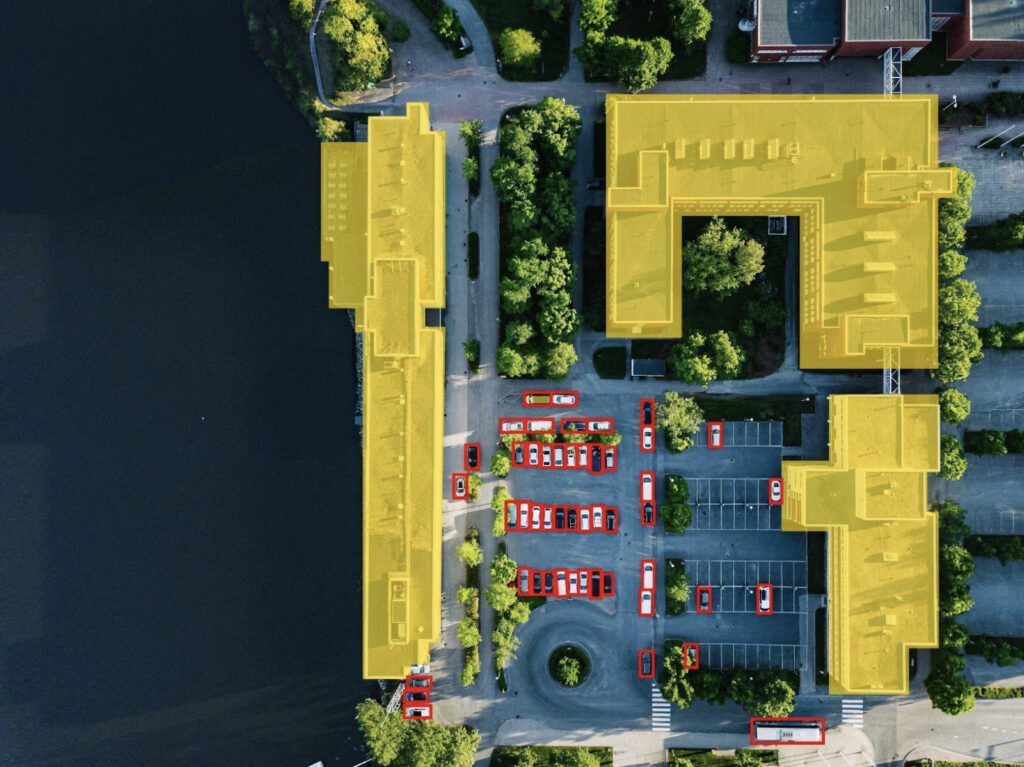
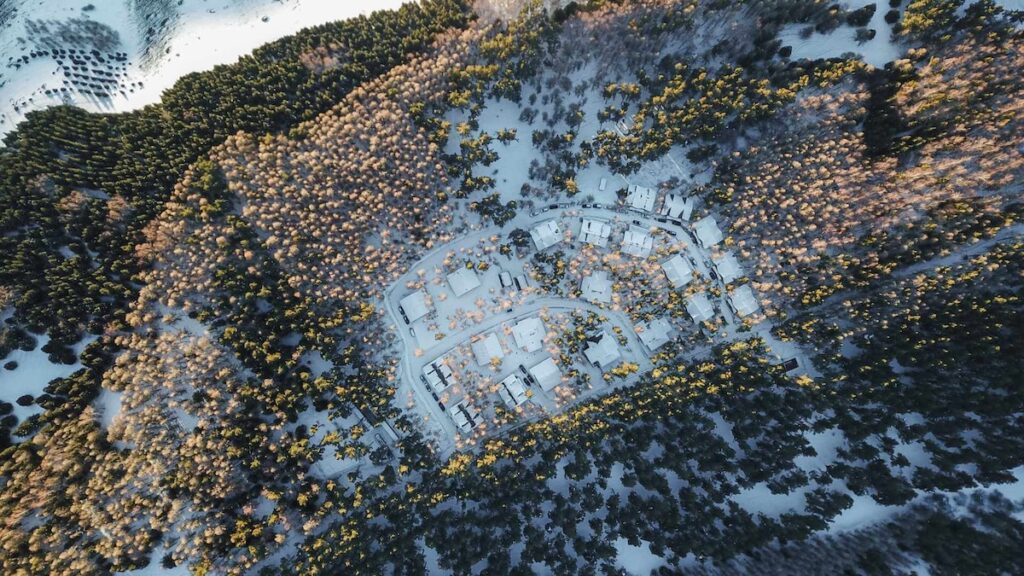
Blue Marble Geographics examines how LiDAR and drone-derived photogrammetric point clouds differ in creation, accuracy, and application within Global Mapper Pro®. Read more >>
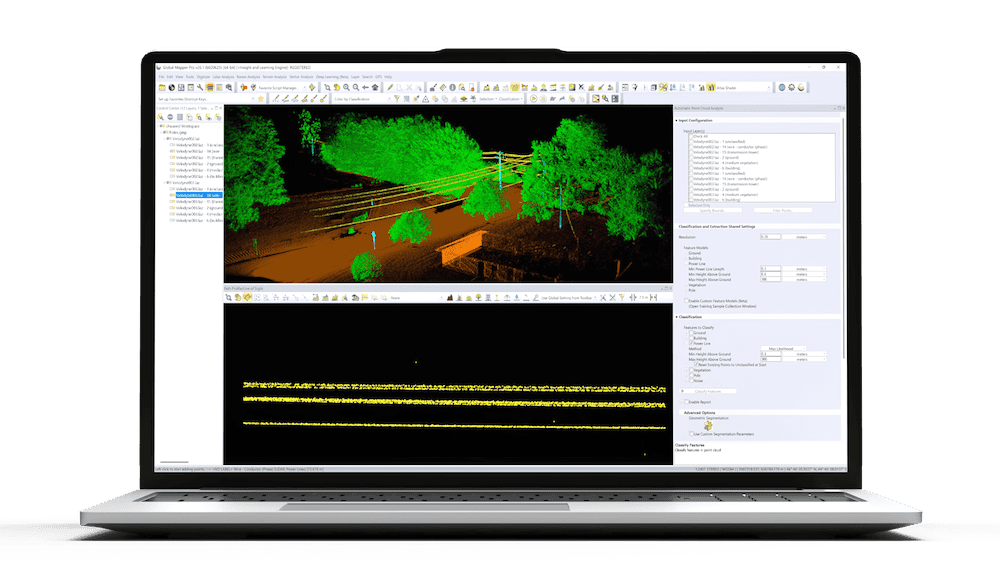
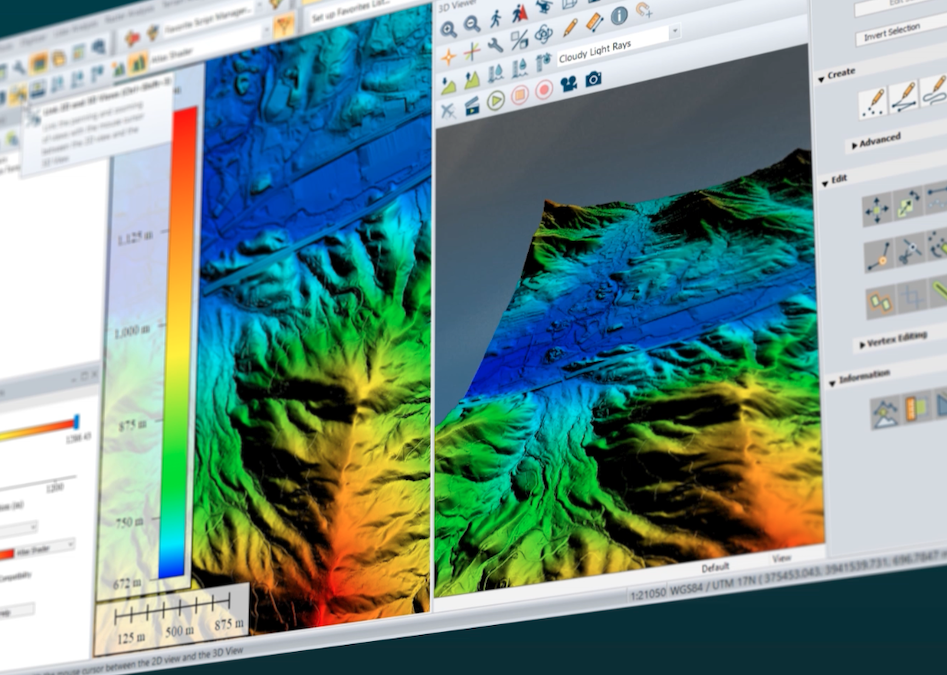
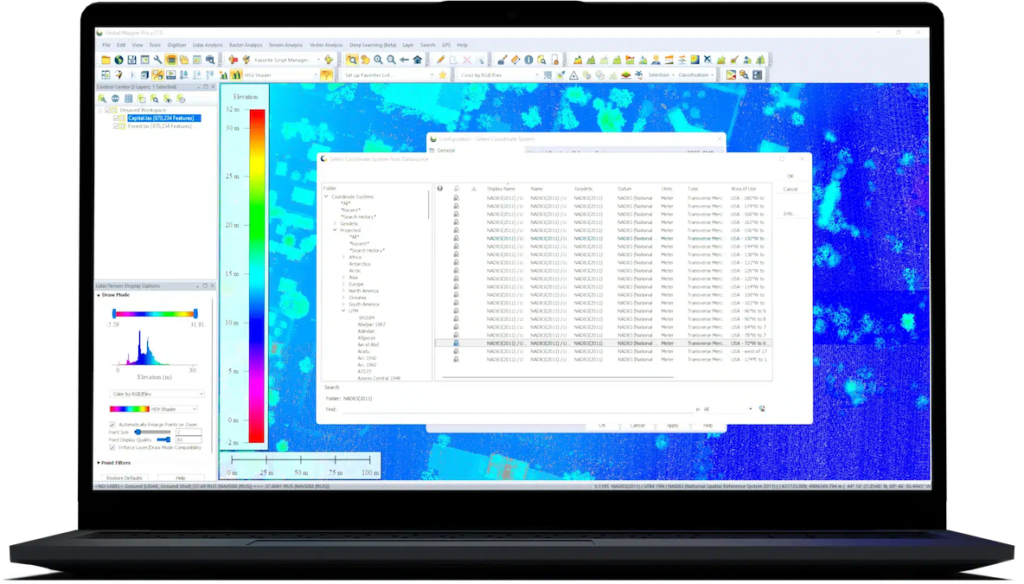
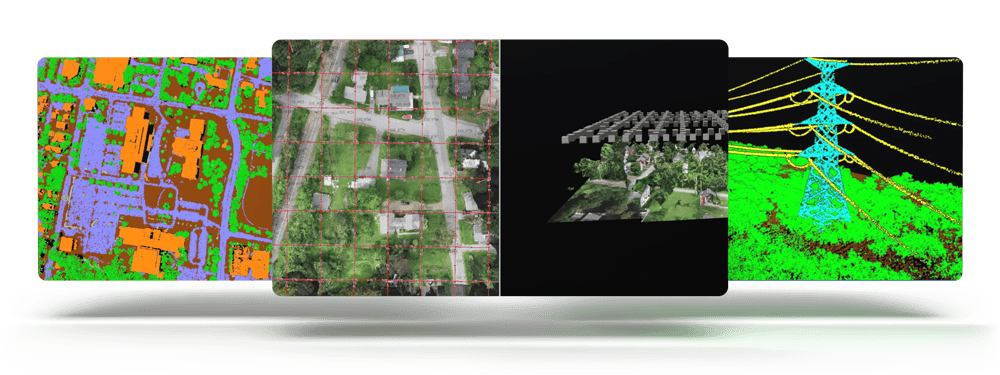
Both data types are compatible with the software’s LiDAR processing tools, allowing users to classify, extract features, and visualize surface data. Yet, their underlying collection methods lead to key distinctions in how they represent terrain and vegetation.
LiDAR, a direct measurement technology, emits light pulses to calculate distances and can capture multiple returns from a single beam. This allows it to penetrate vegetation and map ground surfaces beneath forest canopies, making it ideal for digital terrain modeling in densely vegetated areas. By contrast, photogrammetry derives 3D data from overlapping imagery, meaning it can only measure visible surfaces. While this limits its ability to detect ground beneath dense cover, it offers an accessible and cost-effective alternative for generating detailed, colorized point clouds.
Drone-based photogrammetry’s affordability and visual clarity make it a widely used method for projects requiring frequent updates or temporal change detection, such as erosion monitoring or vegetation analysis. LiDAR’s precision in mapping terrain structure and fine detail makes it particularly valuable for complex survey environments where surface penetration and elevation accuracy are essential.
Blue Marble Geographics emphasizes that understanding each data type’s advantages allows professionals to make the most of Global Mapper Pro’s advanced analysis tools. When used together, LiDAR and photogrammetric point clouds can deliver a more complete representation of the landscape, supporting a broad range of geospatial and unmanned system applications.
Read the full article on Blue Marble Geographics’ website to explore how Global Mapper Pro supports LiDAR and drone photogrammetry workflows.