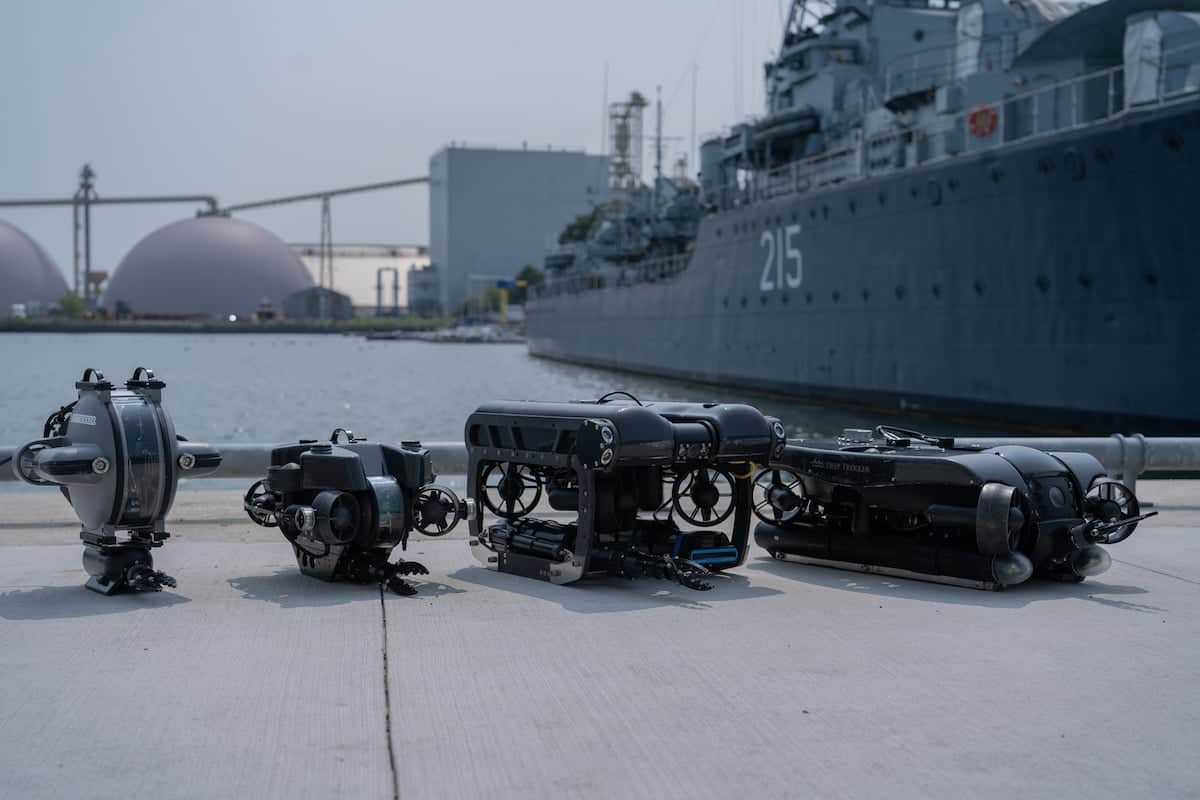
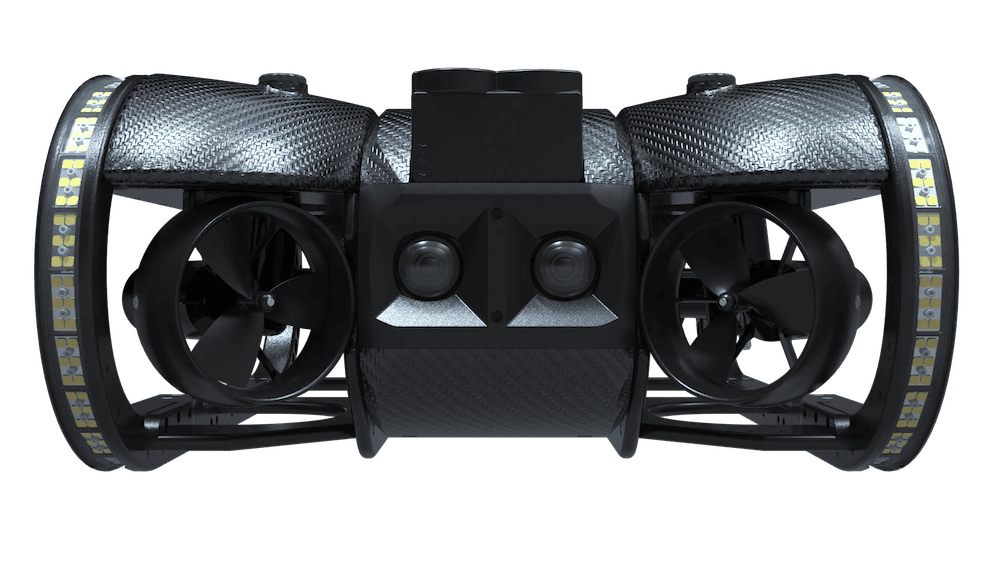
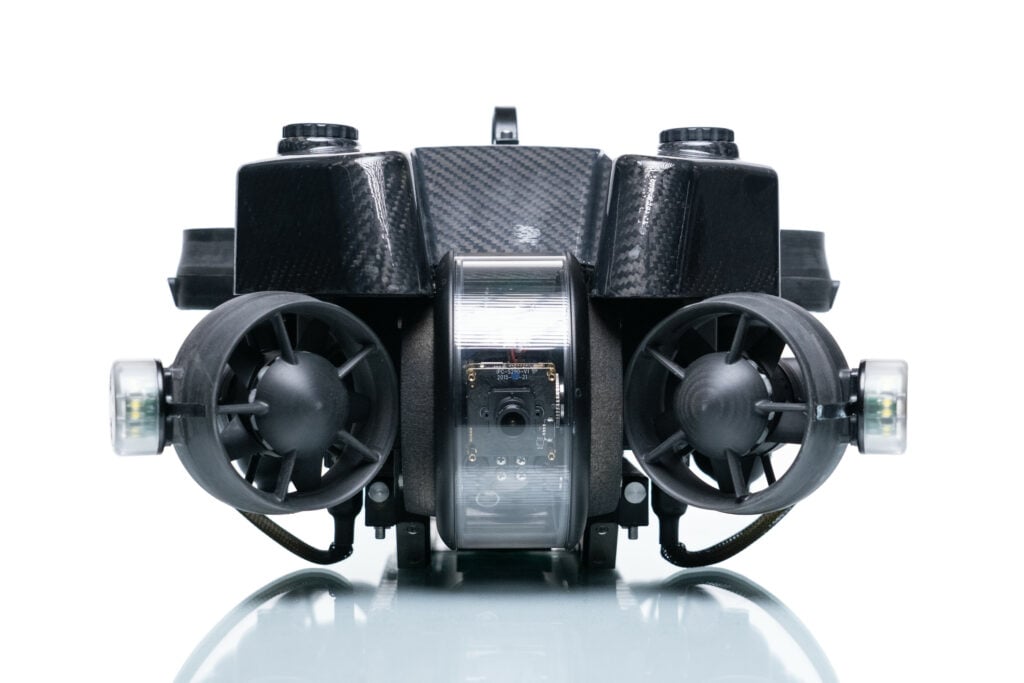
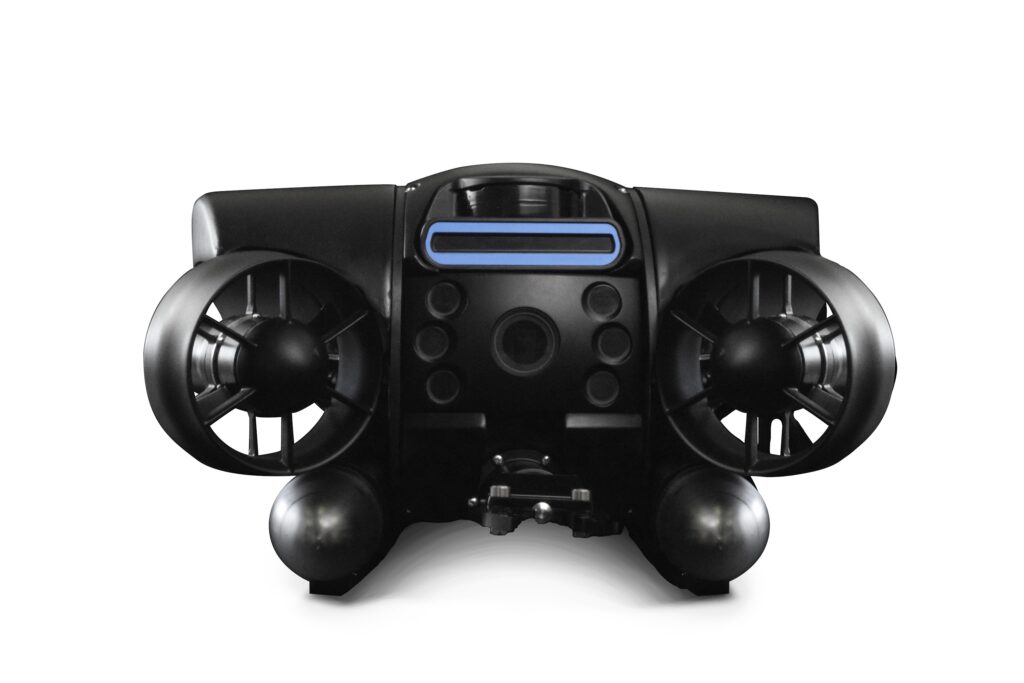
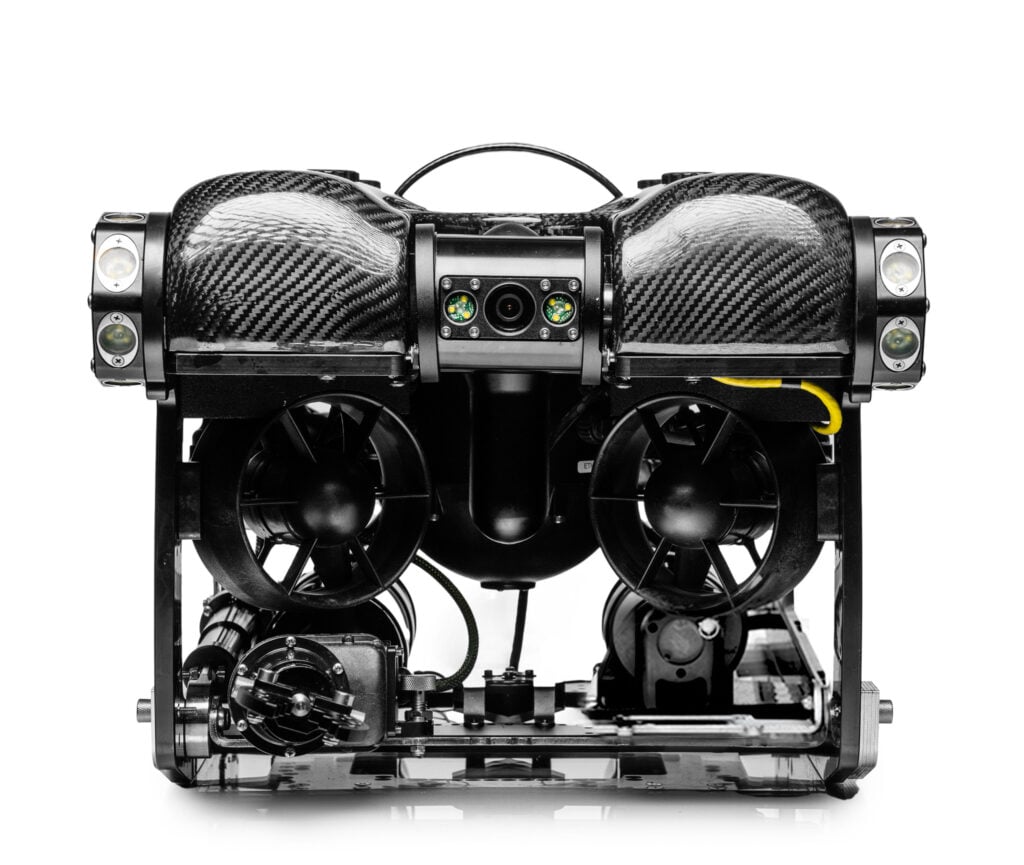
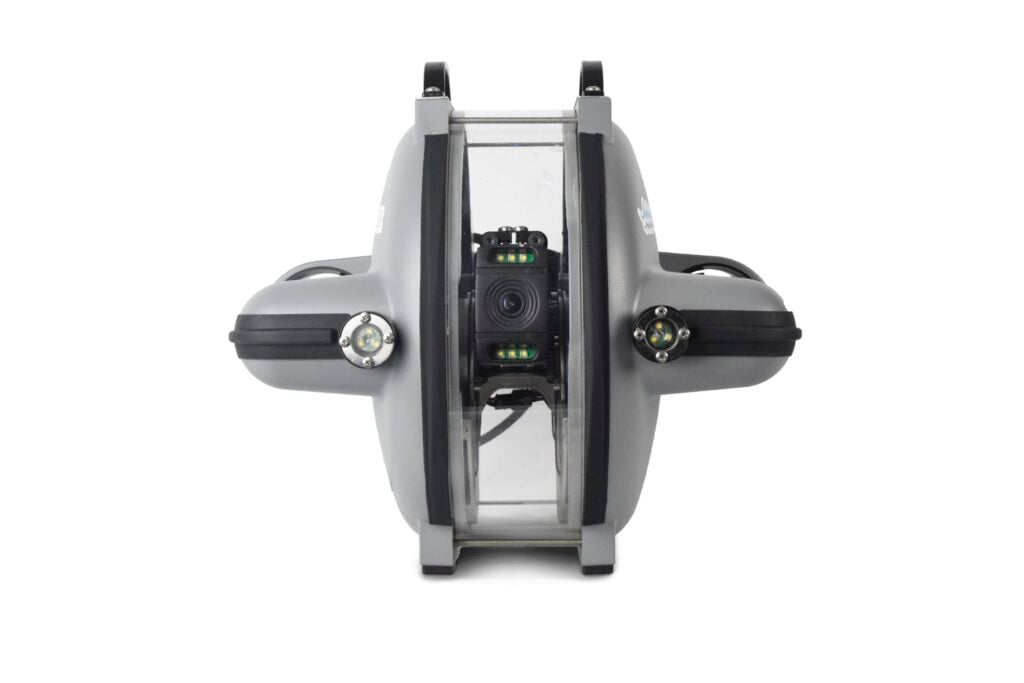
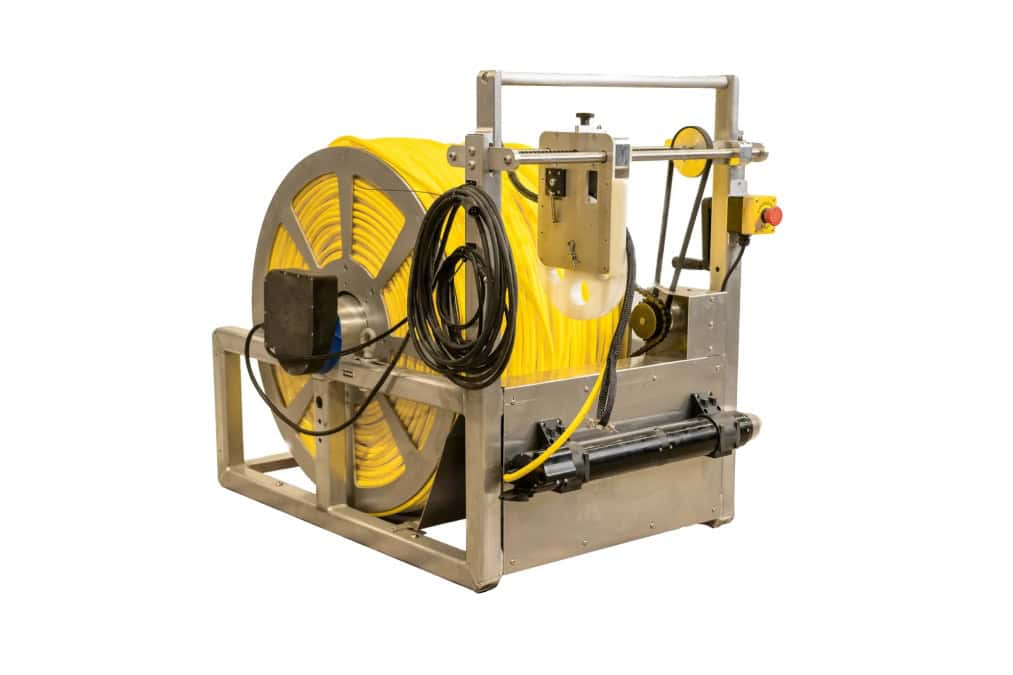
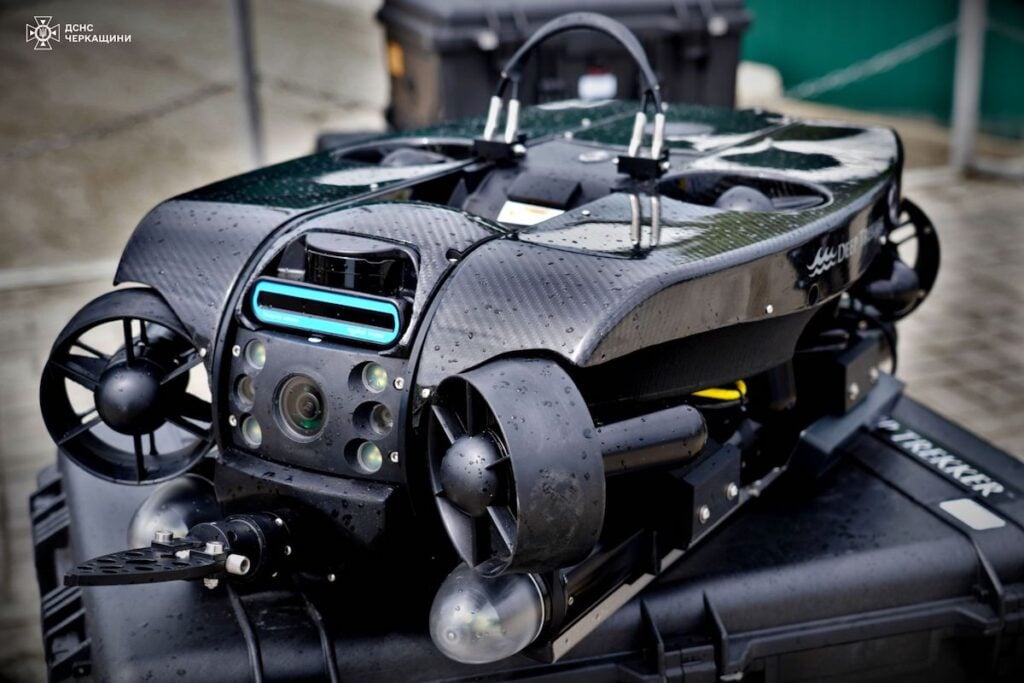
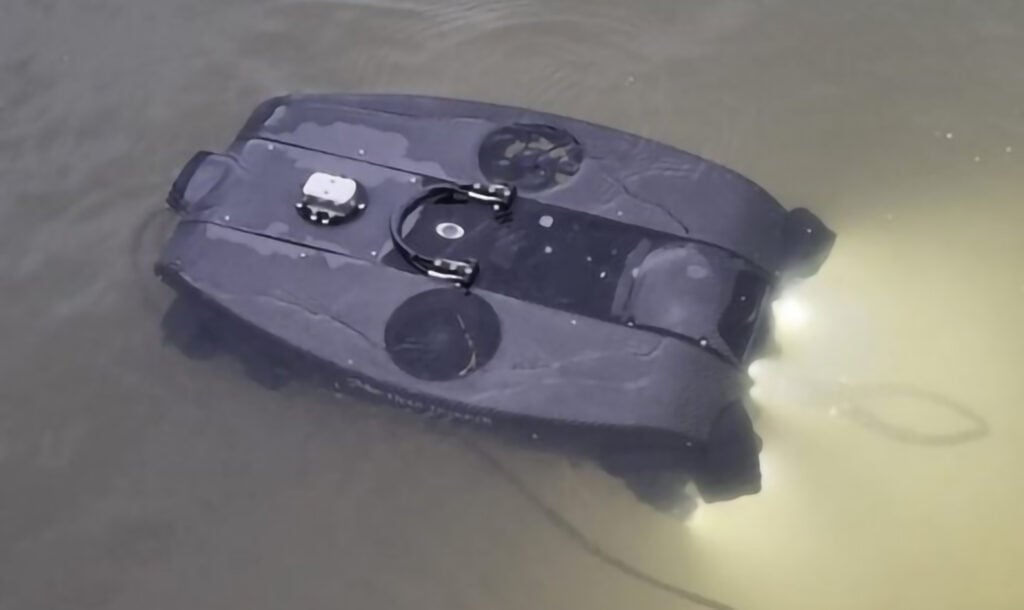
The Huntsman Marine Science Centre has integrated Deep Trekker‘s PIVOT Remotely Operated Vehicle (ROV) into its research program to improve monitoring of Didemnum vexillum, commonly known as sea vomit, a rapidly spreading invasive tunicate in Atlantic Canada.
Traditional diver-based surveys are limited to 35 meters due to decompression constraints, restricting researchers’ ability to document deeper or hazardous sites. With the PIVOT ROV, Huntsman’s Biodiversity and Taxonomy Department has expanded its survey footprint, enabling deeper inspections and sample collection while maintaining diver safety.
Remotely Operated Vehicles are transforming marine habitat monitoring by allowing non-invasive inspections that support environmental monitoring, coastal assessments, biodiversity surveys, and the development of Marine Protected Areas (MPAs). At Huntsman, the PIVOT ROV is primarily deployed to locate, document, and sample D. vexillum colonies. Equipped with scaling lasers and a grabber claw, it provides precise habitat mapping and environmental assessments in areas that are otherwise inaccessible to divers.
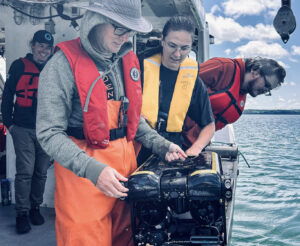 Monitoring invasive species in high-current, low-visibility environments is challenging. Sites with strong tidal flows, short tidal windows, or high boat traffic pose safety risks and limit bottom time for divers. The PIVOT ROV addresses these challenges by being quickly deployable, operable in hazardous conditions, and recoverable if tides change. This has proven particularly valuable in locations such as the Bay of Fundy and remote inlets along Nova Scotia’s South Shore.
Beyond invasive species detection, the ROV supports efficient coastal and offshore research by capturing high-resolution video, estimating colony size and abundance, and collecting tissue samples for genetic analysis. Its portability allows a small crew to conduct surveys from small vessels, optimizing field time and budgets.
By integrating the Deep Trekker PIVOT into their workflow, Huntsman Marine has expanded survey coverage, improved operational safety, and enhanced data quality, showcasing the tangible benefits of ROV technology for marine research and habitat protection.
Read more on the Deep Trekker website and learn how ROVs are redefining underwater research at Huntsman Marine Science Centre.