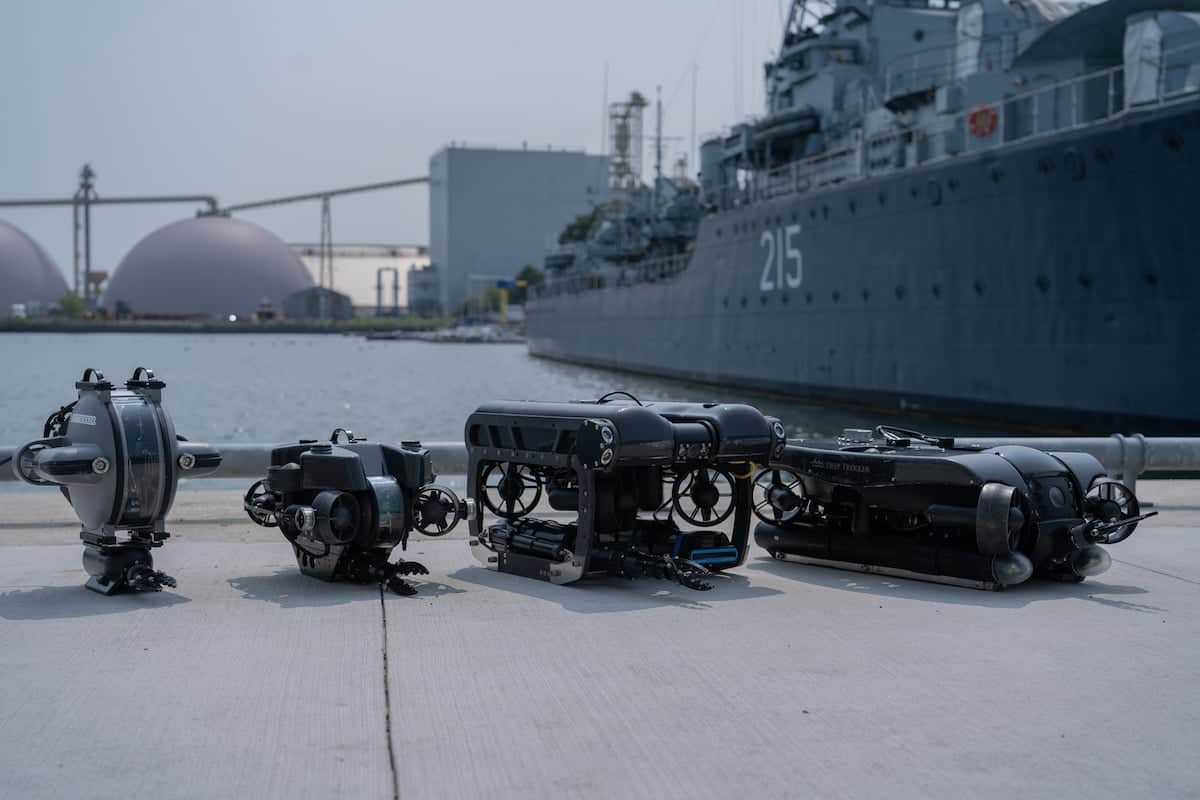
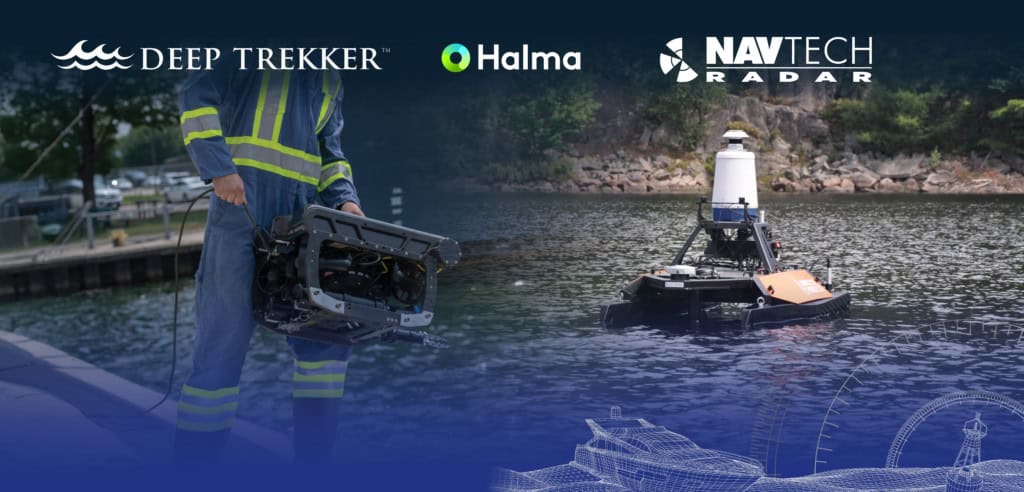
Deep Trekker’s Remotely Operated Vehicles (ROVs) supported the 2025 Blue Green Expedition, an Arctic research mission investigating Greenland sharks and documenting marine ecosystems beneath the ice. Read more >>
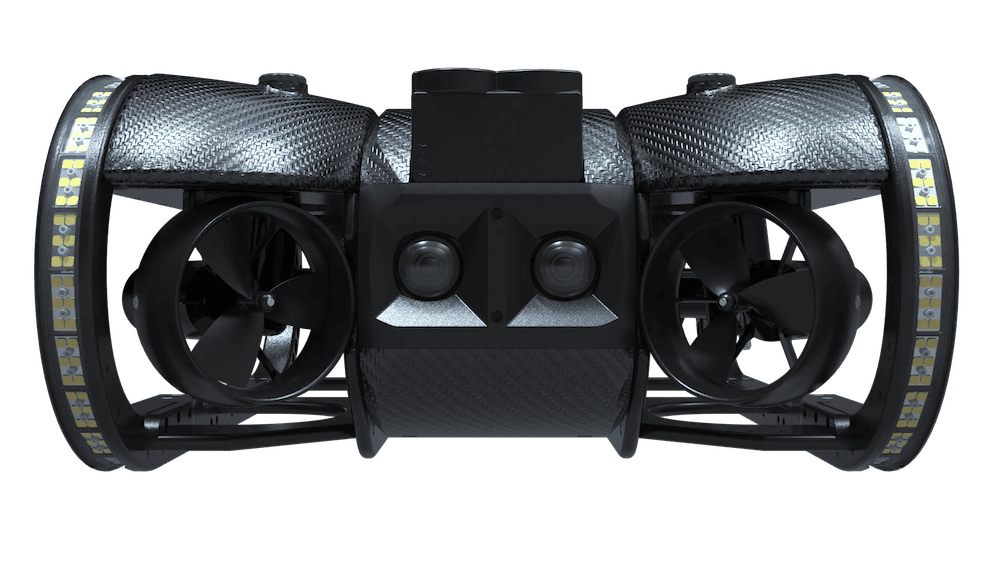
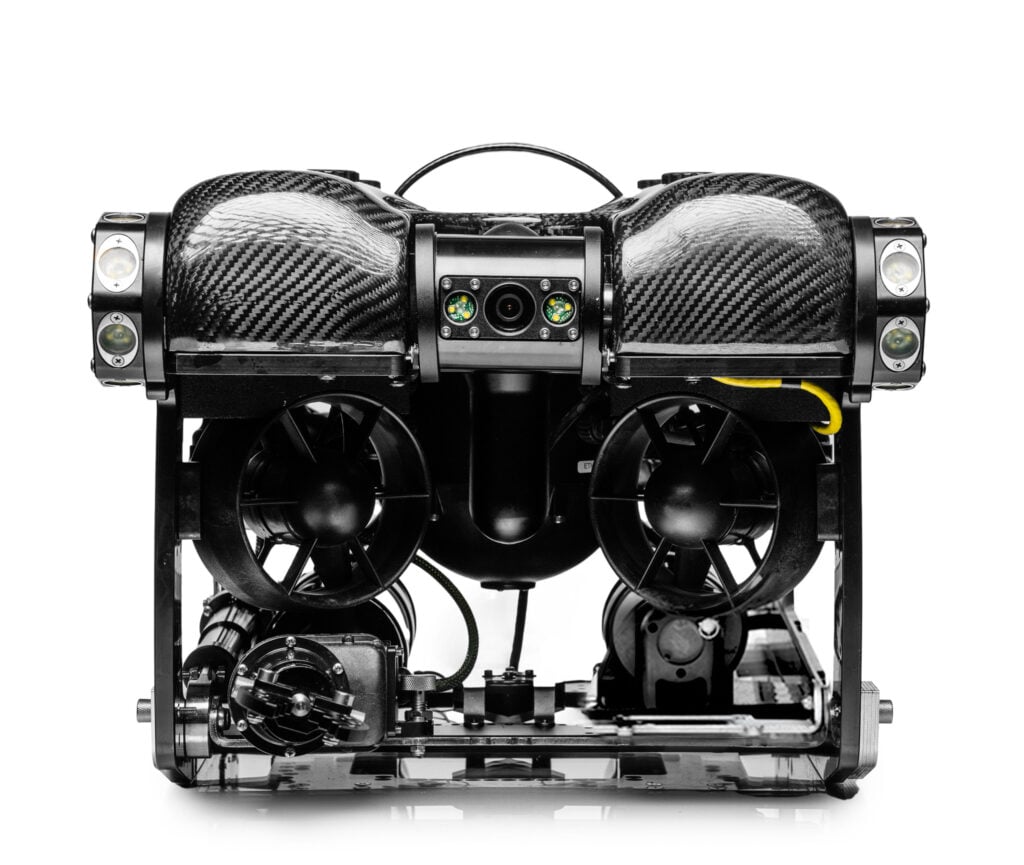
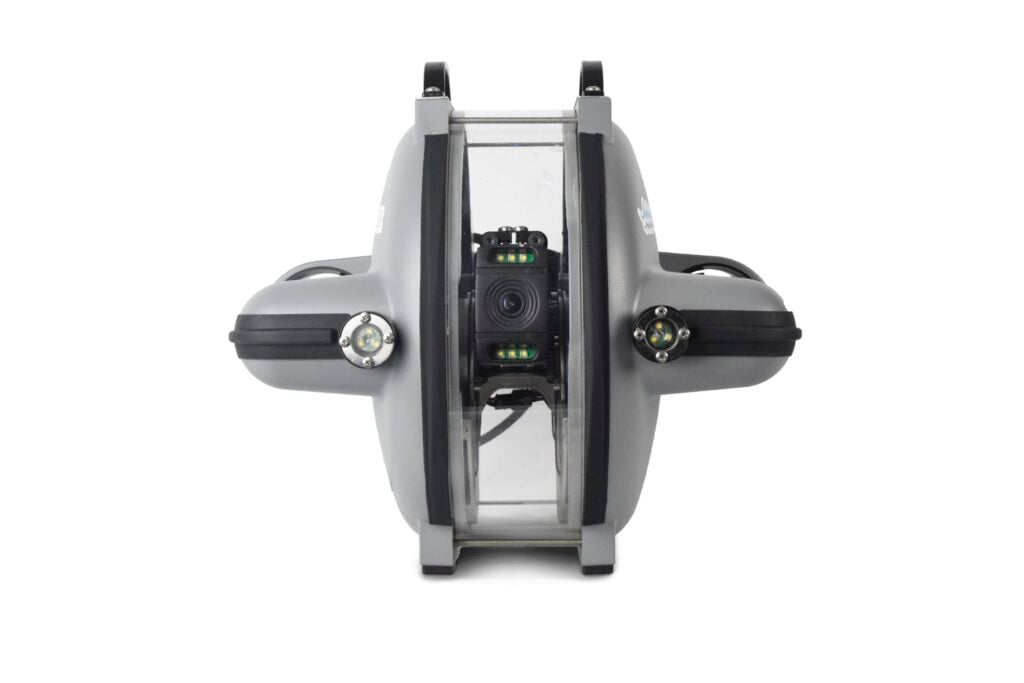
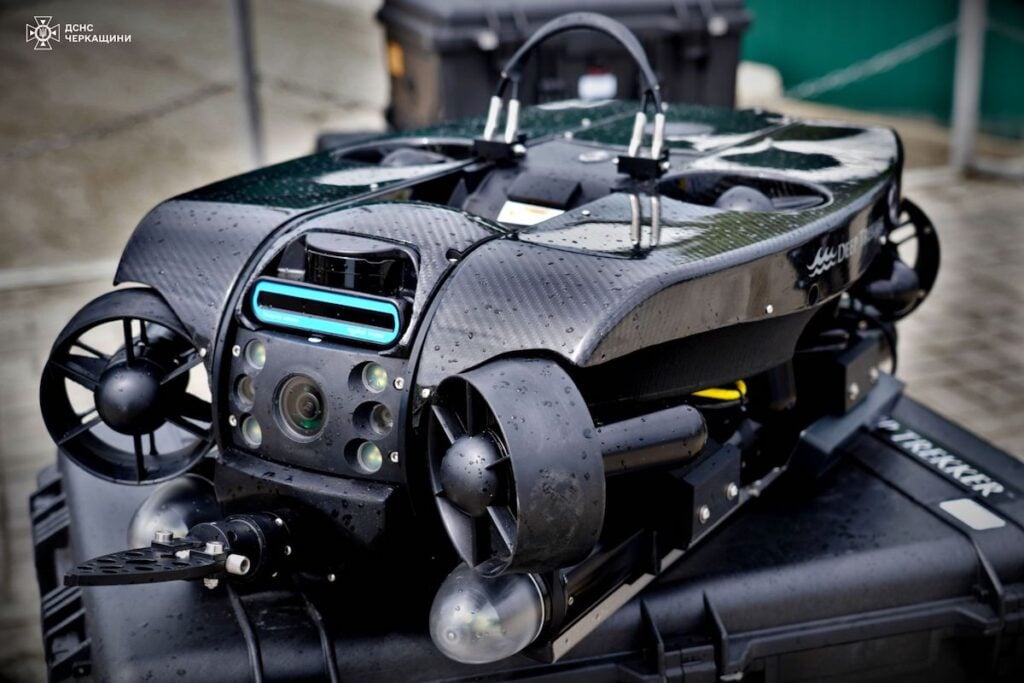
Operating in remote polar waters, the team employed a Deep Trekker PIVOT ROV to survey seabed habitats, assess environmental conditions, and capture rare imagery of Arctic ecosystems — although no Greenland sharks were observed during this stage of the study. The resulting footage contributed to long-term efforts in habitat monitoring and ecosystem mapping within one of the world’s most inaccessible marine regions.
The expedition demonstrated the effectiveness of compact, battery-powered ROVs for scientific work in extreme environments. Deployed from small vessels, the PIVOT maintained stable maneuverability at depths greater than 100 meters, performing reliably despite low temperatures and variable visibility caused by glacial meltwater. In addition to shark habitat research, the ROV documented late-season plankton blooms and deep-water organisms, providing insight into ecosystem transitions during the Arctic’s shift toward polar night.
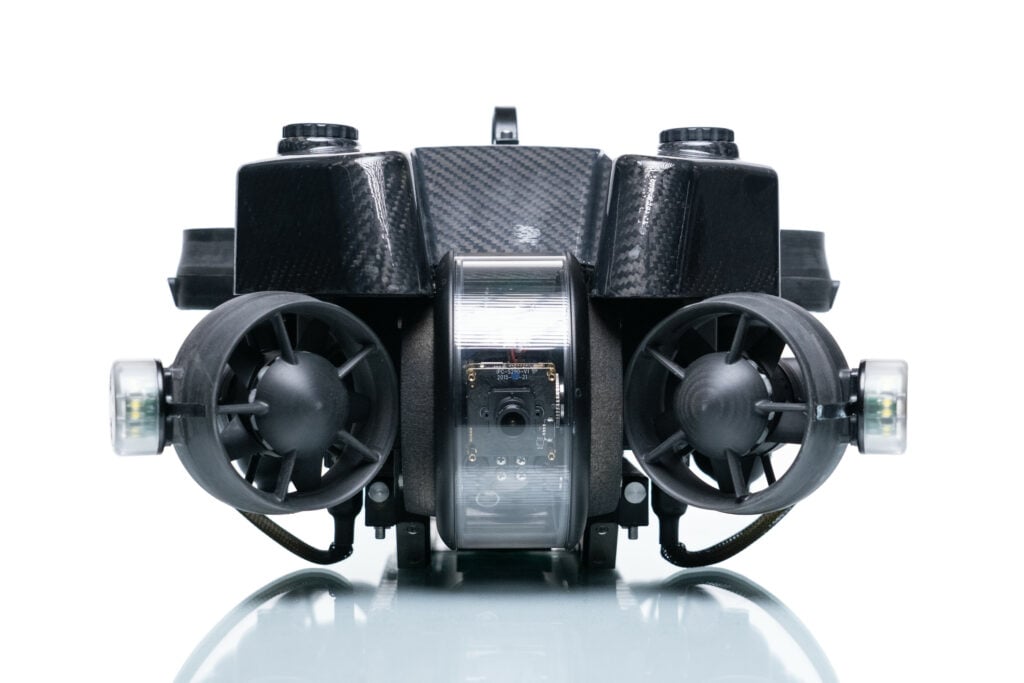
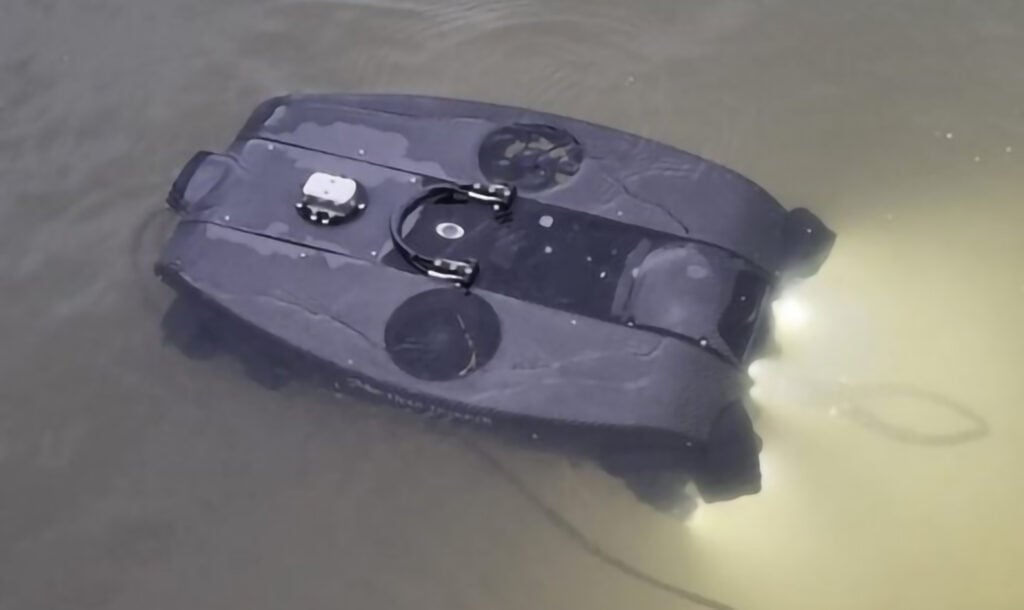
Community engagement formed an important aspect of the mission. When the research team visited the Greenlandic community of Ittoqqortoormiit, local students piloted an older Deep Trekker DTG2 ROV to explore the underwater environment near the dock. The outreach activity encouraged interest in marine science and illustrated how accessible underwater robotics can facilitate education and research participation in northern communities.
The findings highlight the value of reliable, portable ROV systems for marine biodiversity research, environmental assessment, and data collection in remote conditions. Deep Trekker continues to collaborate with scientific organizations to develop adaptable subsea tools that enhance field efficiency and expand access to underwater observation.