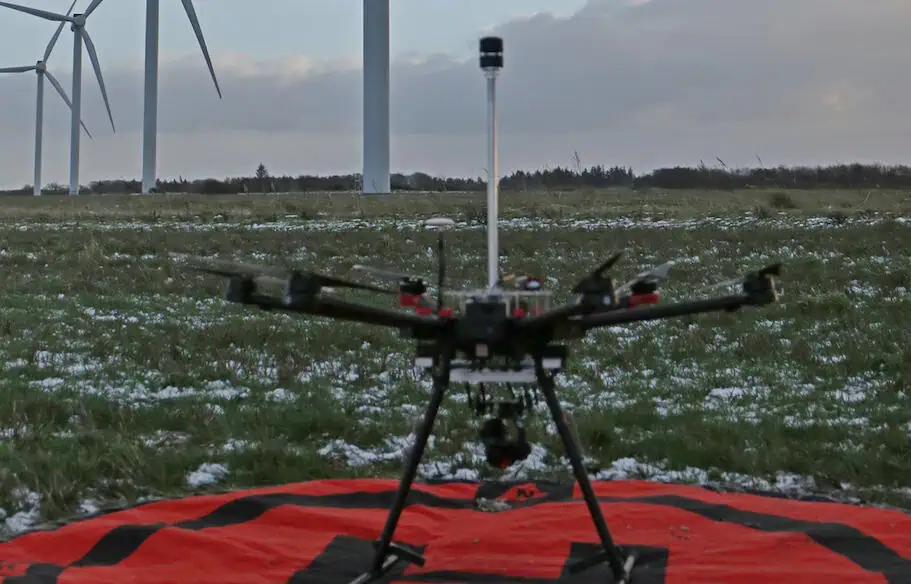
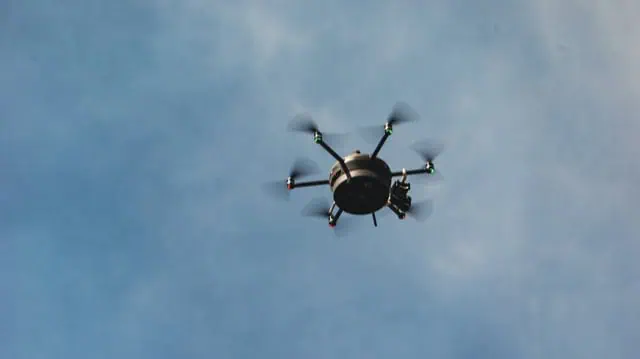
Drone anemometers and wind sensors are essential tools for improving the safety, performance, and data accuracy of UAV operations. These devices provide precise measurements of wind speed, direction, and atmospheric conditions, supporting a wide range of applications, from agricultural surveying to environmental monitoring and naval operations. This category covers a range of sensor technologies, including ultrasonic anemometers and wind flux sensors, designed specifically for integration with drones or deployment in drone-assisted workflows.
If you design, build or supply Wind Sensors/Anemometers, create a profile to showcase your capabilities and connect with visitors who have an active requirement for your solutions.
Modern drone operations demand high-resolution meteorological data to ensure mission success, especially when flying in variable or high-risk environments. Drone anemometers and wind sensors address this need by capturing real-time wind parameters that can inform flight decisions, payload operations, and automated navigation systems.
Types of Drone-Compatible Anemometers
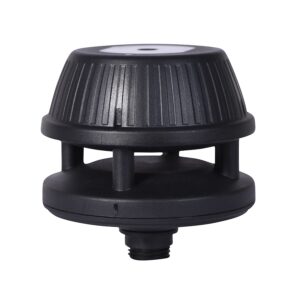
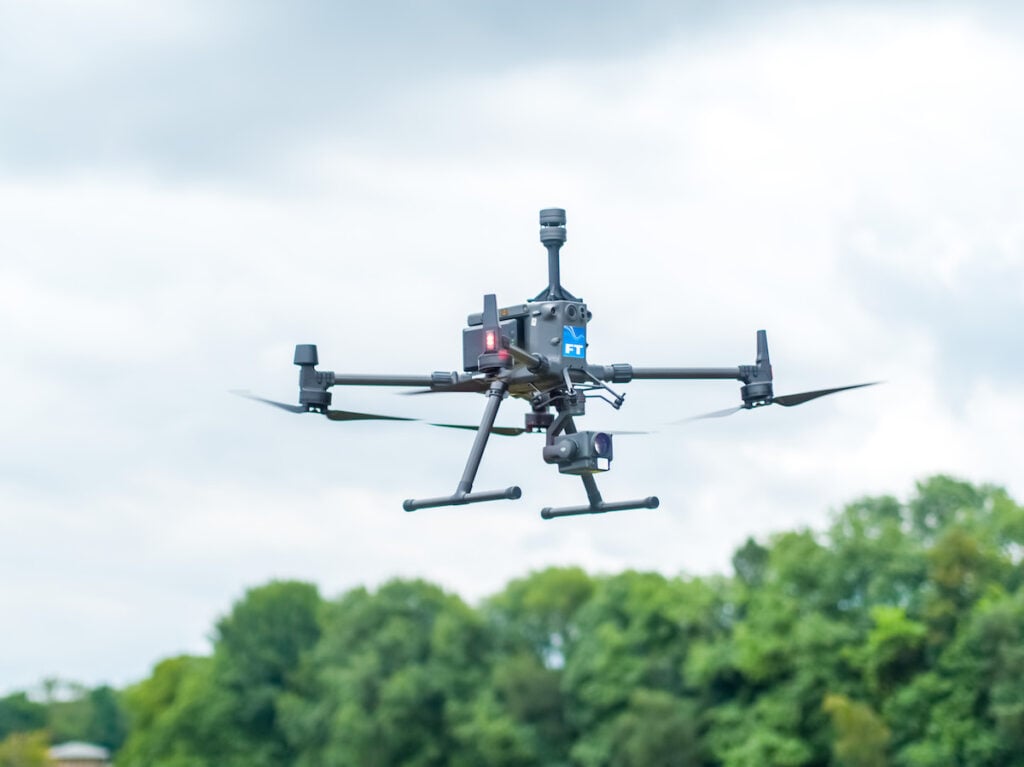
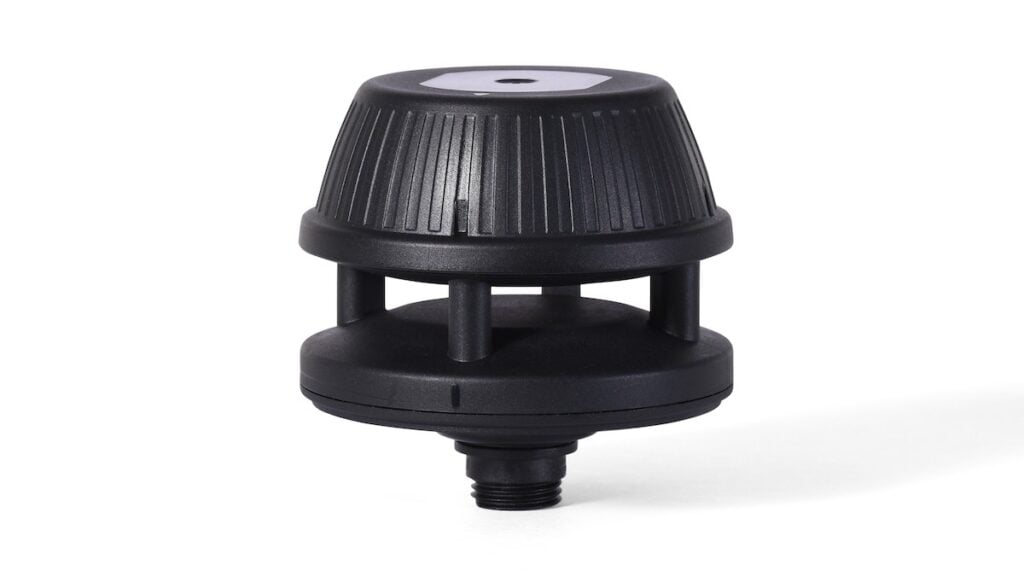
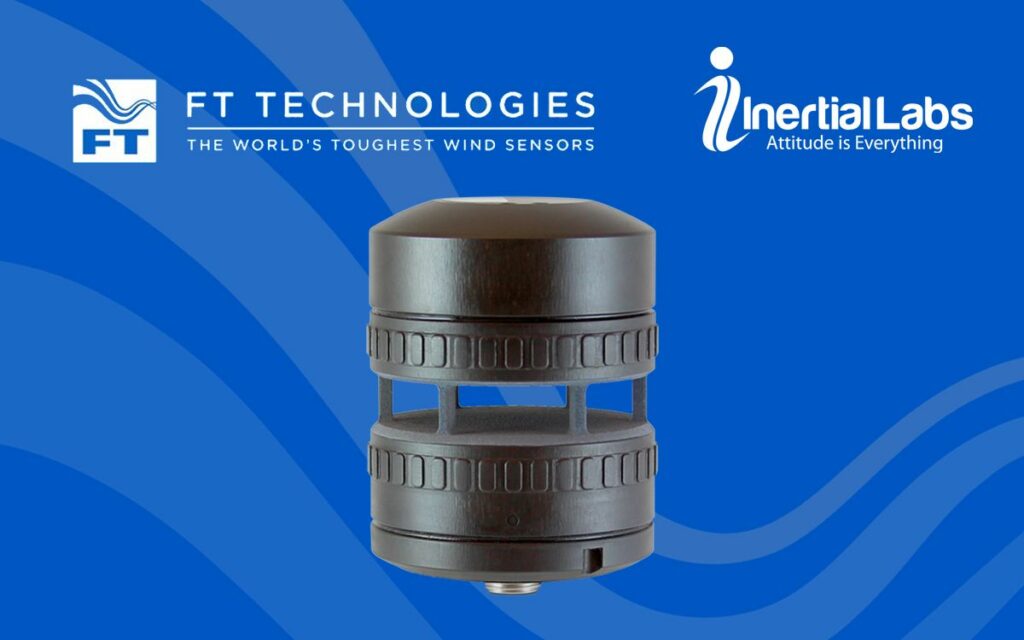
FT602-SM Wind Sensor by FT Technologies
Several types of anemometers and wind sensors are adapted for UAV use, each offering different sensing technologies and operational advantages.
Ultrasonic wind sensors are the most widely adopted for drones. They offer robust, solid-state measurement of wind speed and direction without any moving parts. These sensors operate by emitting ultrasonic pulses between transducers and measuring the time it takes for the pulses to travel in different directions. By analyzing these time differentials, they can accurately determine the speed and direction of airflow in three dimensions. Their compact design, low power consumption, and ability to function in a wide range of environmental conditions make them ideal for UAV integration.
Within this category, there are 2D and 3D ultrasonic wind sensors. While 2D sensors measure horizontal wind components, 3D versions capture vertical movement as well, which is particularly useful for atmospheric flux measurements and turbulence modeling. These advanced sensors are critical in meteorological research, precision agriculture, and high-altitude drone operations where wind shear can impact flight stability.
Other types include:
Cup anemometers, which use rotating cups to measure wind speed mechanically. Though traditionally used in stationary weather stations, miniaturized versions have limited UAV applications.
Hot-wire anemometers detect airflow via changes in electrical resistance in a heated wire. They provide extremely sensitive readings but are fragile and better suited to controlled environments.
Pitot tubes, commonly used in both manned and unmanned aviation, measure airspeed rather than ambient wind. However, they are still integral to understanding airflow relative to the aircraft’s movement.
Wind flux sensors and 3D sonic anemometers extend the capability of UAV-based wind sensing by enabling high-resolution measurements of atmospheric turbulence, vertical motion, and dynamic wind gradients. These are essential tools for environmental scientists and UAV meteorology specialists.
Wind Sensors in Environmental and Agricultural Applications
In precision agriculture, accurate wind data from drone wind sensors can determine optimal spraying times for pesticides or fertilizers, reducing drift and environmental impact. Agricultural drones equipped with wind direction sensors and weather sensors help monitor microclimates and crop-specific conditions in real time. These systems often form part of a broader weather station setup, enabling comprehensive meteorological monitoring both in-flight and at ground level.
Environmental scientists employ drone wind speed sensors to gather data across remote or hazardous terrain, assessing changes in air quality, windborne particulates, or microclimatic variations over forests and wetlands. These instruments can function as part of a drone weather station, with integrated sensors for temperature, humidity, barometric pressure, and wind flux.
Wind Sensor use in Naval and Aerospace Contexts
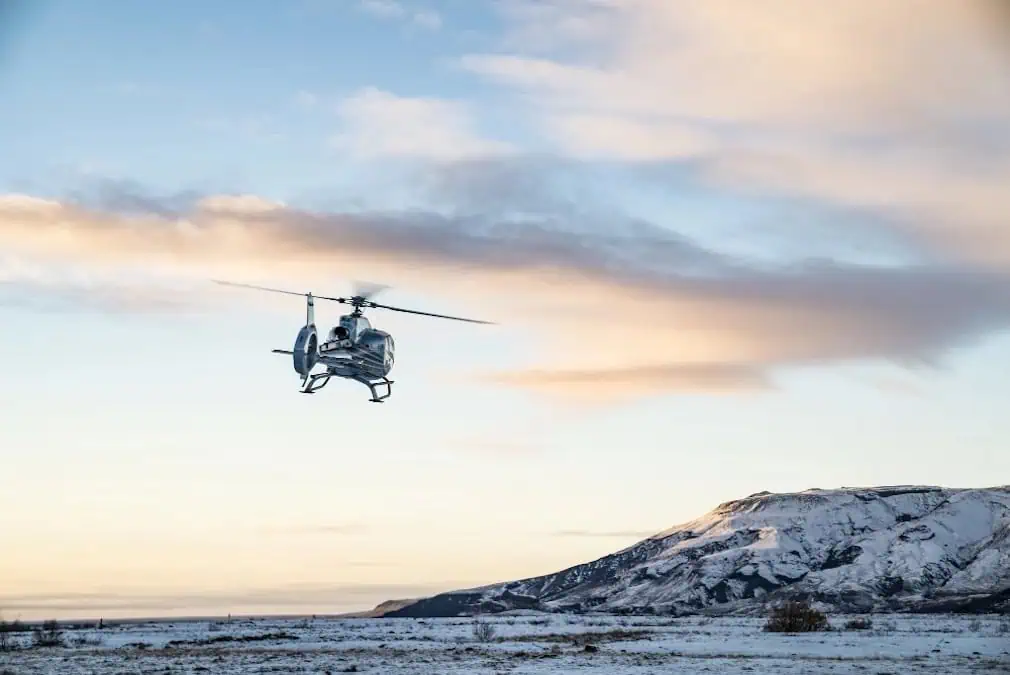
Onboard weather sensors are vital for drone and helicopter landings on ships and naval vessels, where fluctuating wind patterns and ship motion create complex environmental challenges. Ultrasonic anemometers and compact drone weather sensors assist in real-time correction of flight paths, ensuring safe and precise landings even in turbulent sea conditions.
Additionally, wind speed sensors for drones are used in shipborne launch platforms to assess launch feasibility and trajectory safety. Anemometers placed on ships or coastal outposts help forecast regional wind patterns, benefiting both unmanned aerial operations and manned systems like helicopters.
Integrating Anemometers with Unmanned Systems
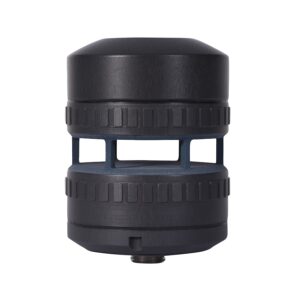
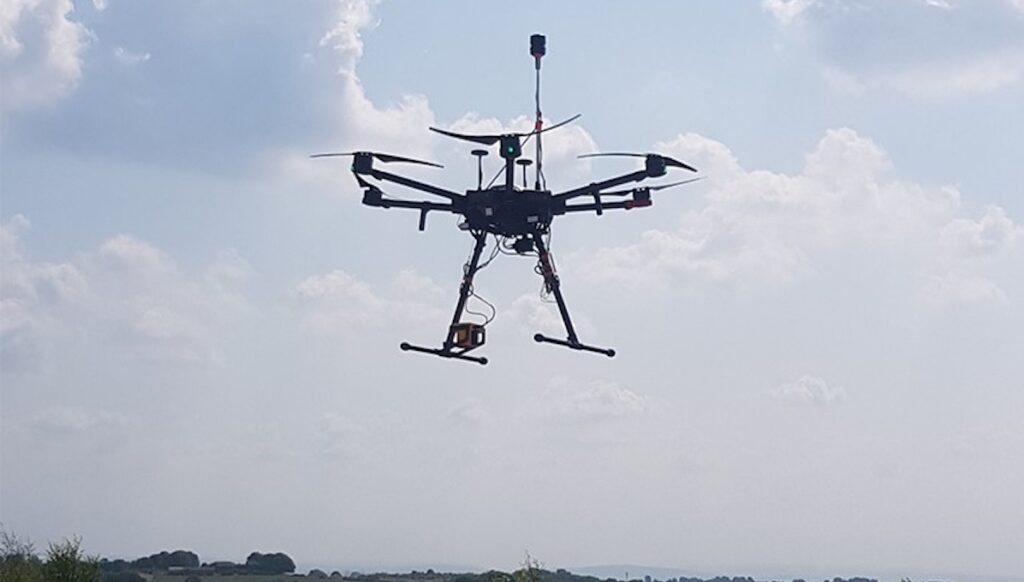
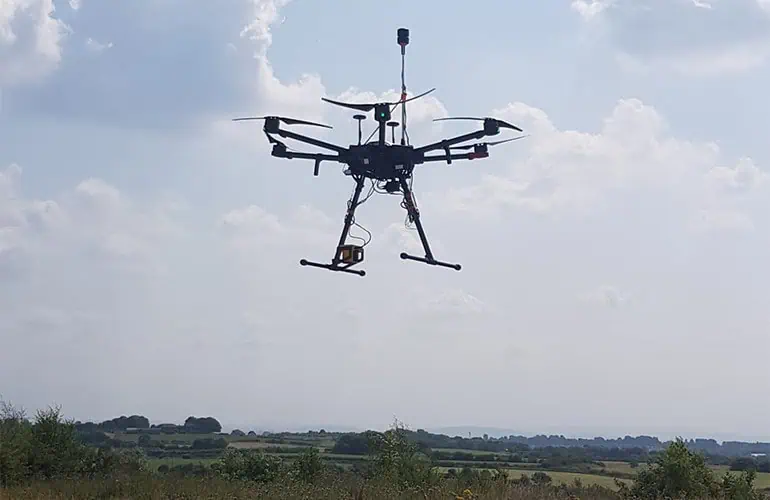
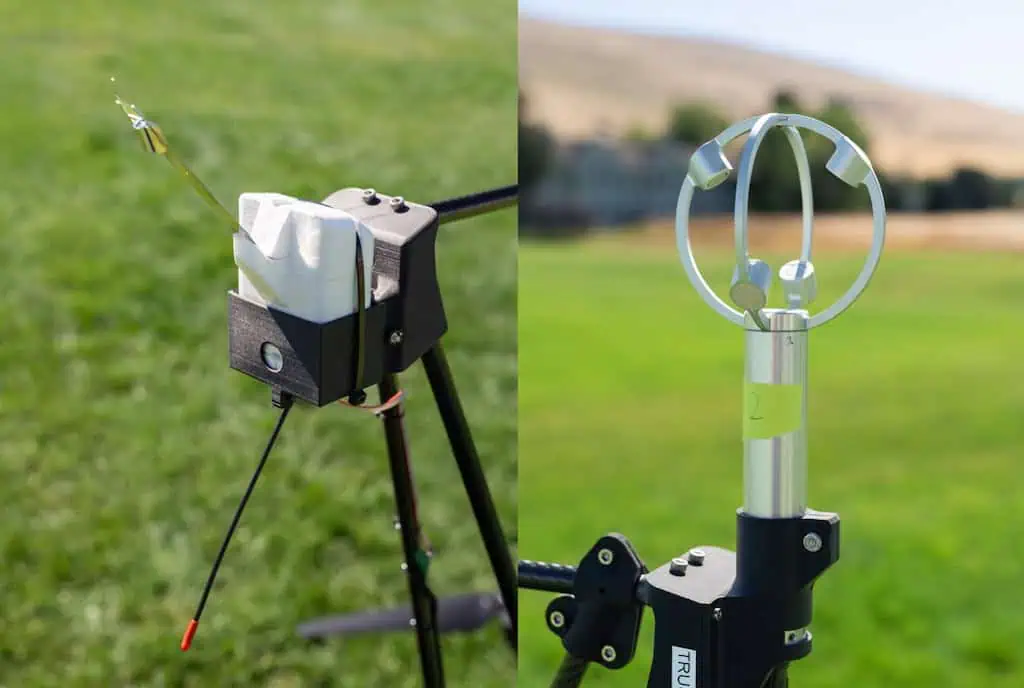
Drone anemometer TriSonica® Mini by LI-COR
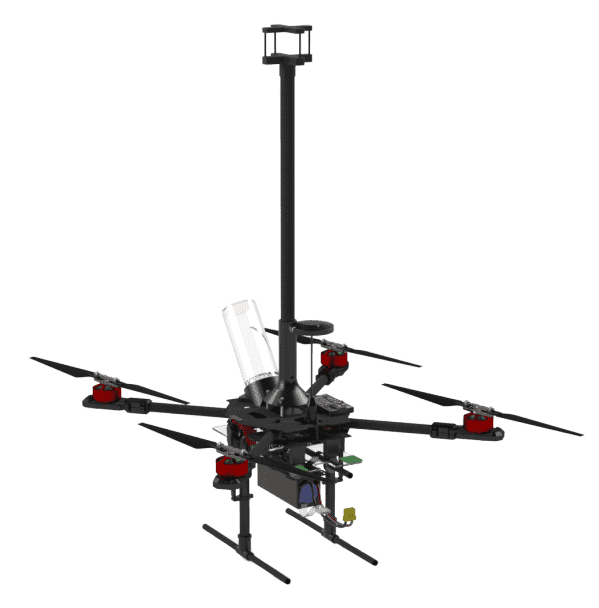
Anemometers can be directly integrated into a UAV’s onboard avionics or employed in conjunction with ground-based systems and telemetry networks. For high-end applications, data from airflow sensors and wind speed measuring instruments are fused with flight control algorithms to adaptively adjust motor thrust, improving UAV handling in gusty or changing wind conditions.
Some drones are also equipped with plug-and-play weather stations featuring interchangeable modules for wind, pressure, and temperature data. These stations provide versatility for multi-role UAV platforms. These setups are particularly valuable for long-endurance drones operating in dynamic environments, where in-flight adjustments based on local wind changes can optimize battery use and mission performance.
Choosing the Right Wind Measurement Device for UAVs
Size, weight, and power consumption are critical factors when selecting a wind sensor for drone use. UAVs with limited payload capacity benefit most from compact ultrasonic wind sensors or multi-sensor weather pods. For ground-based systems supporting UAV missions, such as a launch support weather station, larger and more sensitive instruments like 3D sonic or cup anemometers can be deployed.
Many manufacturers now offer anemometers for drones with modular connectivity, including digital interfaces like RS-232, RS-485, or CAN protocols, enabling real-time data integration into mission planning systems or telemetry dashboards. These systems can support both direct flight control enhancements and post-mission analytics.
As drone usage continues to expand across civilian, scientific, and military sectors, the importance of accurate wind sensing becomes more pronounced. From the miniature ultrasonic wind speed sensor to advanced atmospheric flux measurement devices, drone anemometers play a pivotal role in extending the capabilities and safety of UAV platforms. Their integration enhances mission reliability and opens new possibilities in environmental science, naval aviation, and smart farming operations.
FT Technologies discusses how ultrasonic wind sensing provides a robust, low-maintenance alternative to pitot-tube airspeed systems for obtaining accurate wind data on uncrewed and autonomous platforms operating at low speeds and in demanding environments
A drone equipped with FT Technologies’ wind sensor supported AMAYA and INFOCA’s wildfire monitoring efforts in Andalusia, Spain, delivering accurate, real-time wind data to improve night-time firefighting operations
FT Technologies’ FT743-SM wind sensor was integrated into a UAV methane measurement system, providing essential wind data for accurate landfill emissions analysis
FT Technologies supported Aalborg University’s research into drone-based delivery of turbine parts, providing wind sensors to ensure safe UAV operations near offshore wind turbines
FT Technologies has introduced the FT602, a 170g ultrasonic wind sensor designed for UAVs, combining compact durability with high-performance wind speed and direction measurements
NASA's Alta X quadcopter has completed testing in Montana for applications in micrometeorology using two sensors, a radiosonde and a LI-COR LI-560 Trisonica anemometer
Working with the Norwegian Research Centre (NORCE), Meteomatics will install 30 of its autonomous weather drones, or "Meteodrones," across Norway to forecast weather accurately
A new development in Inertial Labs' navigation solutions with the integration of FT Technologies' FT743-D-SM Acoustic Resonance air speed sensor into its inertial navigation systems (INS)
The latest unmanned systems news, straight to your inbox.
Get our weekly roundup of technology developments, new products and industry news.
THANK YOU FOR SIGNING UP
Thanks for joining us. Check your inbox.
We've sent you an email. Click the confirmation link to complete your subscription to the weekly eBrief. In the meantime, explore the latest news, suppliers and technologies on UST.
Advancing Unmanned Systems Through Strategic Collaboration
UST works with major OEMs to foster collaboration and increase engagement with SMEs, to accelerate innovation and drive unmanned systems capabilities forward.