
Airbus and Singapore’s Defence Science and Technology Agency (DSTA) have concluded an initial flight campaign demonstrating advanced crewed-uncrewed teaming capabilities using the HTeaming system.
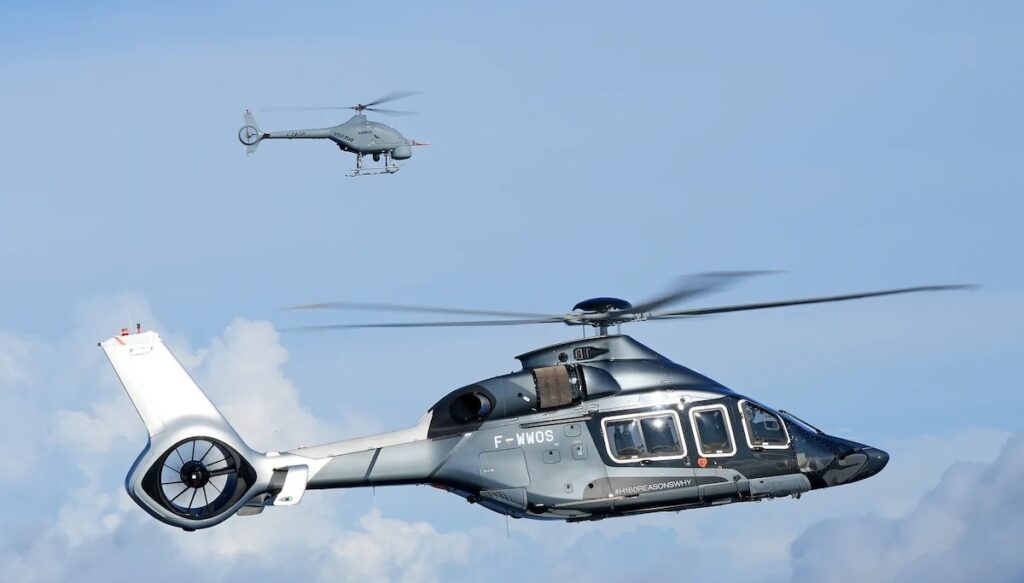
The trials, conducted in January at a Singapore airbase, paired a Republic of Singapore Air Force H225M helicopter with an Airbus Flexrotor Uncrewed Aerial System (UAS). This collaboration follows an agreement signed in June 2025 to explore how such crewed-uncrewed teaming can improve mission outcomes and situational awareness.
During the demonstration, the platforms participated in a simulated search and rescue mission to prove that a crewed helicopter can successfully and securely access real-time UAS data, extending the crew’s visual range and safety.
As part of the partnership, Airbus designed the HTeaming system and integrated it into the H225M, including the required data-link architecture. This enabled the helicopter crew to receive and process live data from the Flexrotor while retaining direct command and control of the UAS, supporting faster decision-making and reducing exposure to high-risk situations.
The HTeaming solution is a modular, UAS-agnostic system designed to work across the entire Airbus helicopter range. It supports the integration of different uncrewed platforms, enabling helicopter crews to take full control of various UAS in flight to meet specific mission needs.
Ang Jer Meng, Director Air Systems, Defence Science and Technology Agency, commented, “The complexity of modern operations demands solutions that can adapt in real time. The successful flight demonstration underscores DSTA’s commitment to innovation and strong partnerships with industry to deliver cutting-edge solutions.
“It marks a positive step forward in teaming capabilities to enhance the RSAF’s mission effectiveness, while ensuring human decision-making remains at the centre of operations. This achievement gives us confidence to move further to redefine the boundaries of what’s possible for more dynamic operations.”
Olivier Michalon, Executive Vice President of Global Business at Airbus Helicopters, added, “The successful teaming is a game-changer for modern tactical operations. This flight campaign fully illustrates the ability to exploit dual-use technologies to support secure operations. By leveraging the strengths of both platforms, air commanders are enabled with unprecedented situational awareness in complex missions and high-risk environments.”
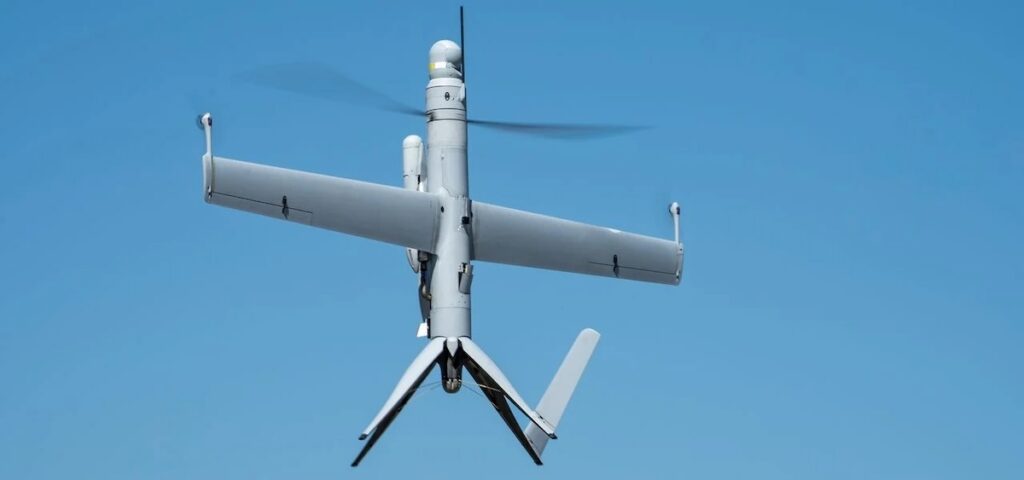
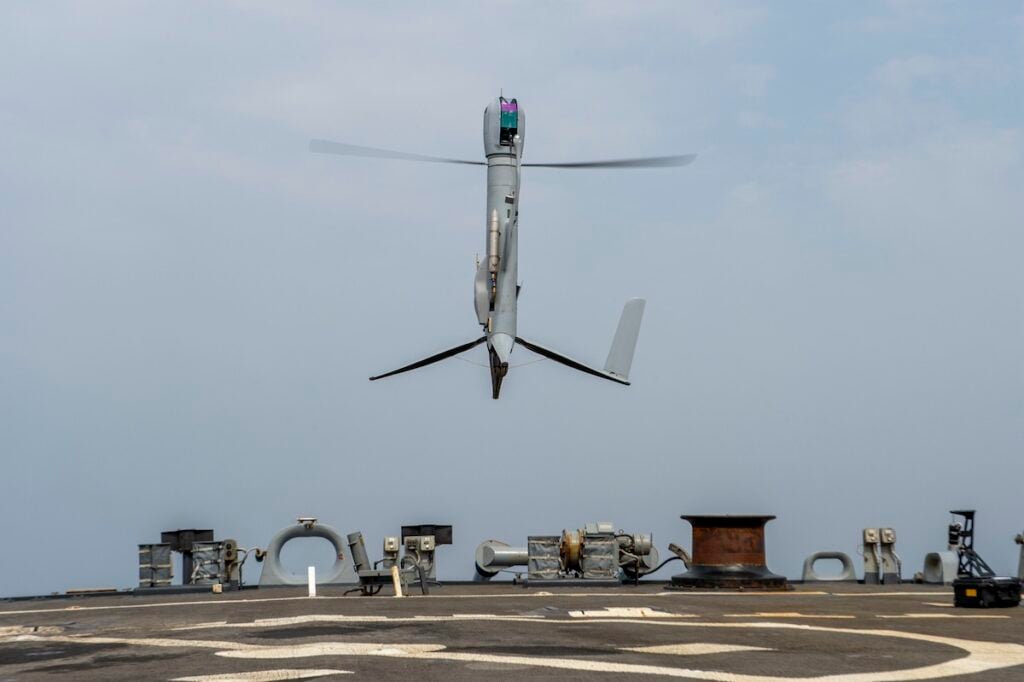
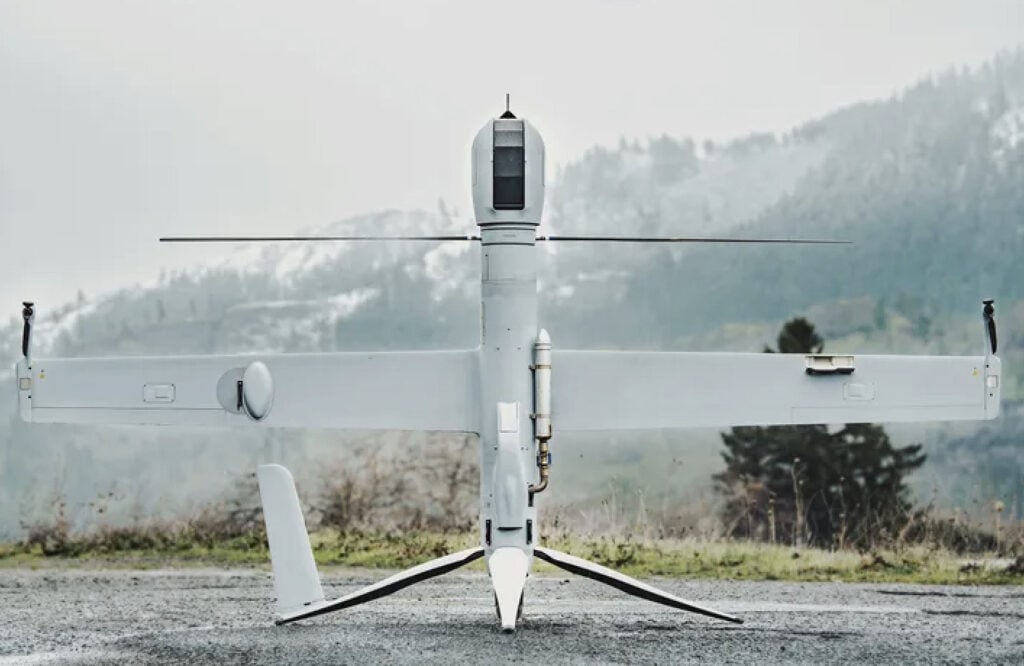
The Flexrotor used in the campaign is a Vertical Takeoff and Landing (VTOL) uncrewed aircraft with a launch weight of 25 kg. Designed for Intelligence, Surveillance, Target Acquisition, and Reconnaissance (ISTAR) missions, it can remain airborne for more than 12 to 14 hours in a typical operational configuration, or around 10 hours in EMSA configuration.
The platform can carry a range of payloads, including electro-optical systems and other advanced sensors, to meet different mission requirements. It can also autonomously launch and recover from land or sea, requiring an area of only 3.7 by 3.7 meters, making it well suited to expeditionary operations with a minimal footprint.
The H225M is the latest variant in the Super Puma family, known for its high performance in challenging conditions as well as its long range and strong payload capacity. It features advanced avionics and an autopilot system designed to improve safety while reducing pilot workload. More than 360 H225 and H225M helicopters are in service worldwide, collectively logging around one million flight hours. Military operators include Brazil, France, Hungary, Indonesia, Iraq, Kuwait, Malaysia, Mexico, the Netherlands, Singapore, Thailand, and Morocco.