
Airbus has been awarded a €30 million framework contract by The European Maritime Safety Agency (EMSA) to provide multipurpose maritime surveillance services using the Flexrotor Uncrewed Aerial System (UAS).
This turnkey contract facilitates the first operational flights of the Flexrotor in Europe, providing extended coastal range and long-endurance capabilities to support national authorities in EU Member States, Norway, and Iceland. The initial agreement spans two years, with options to extend the timeframe up to four years, and service is scheduled to commence in 2026.
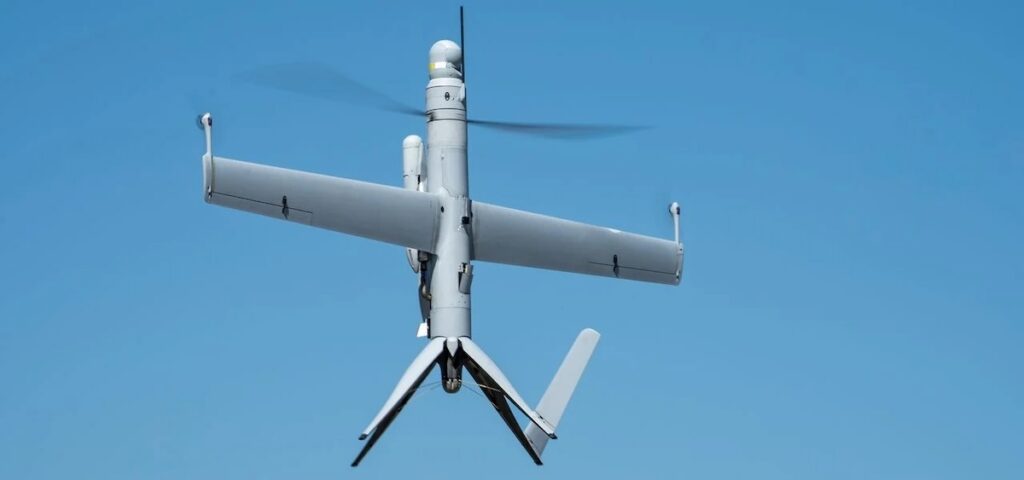
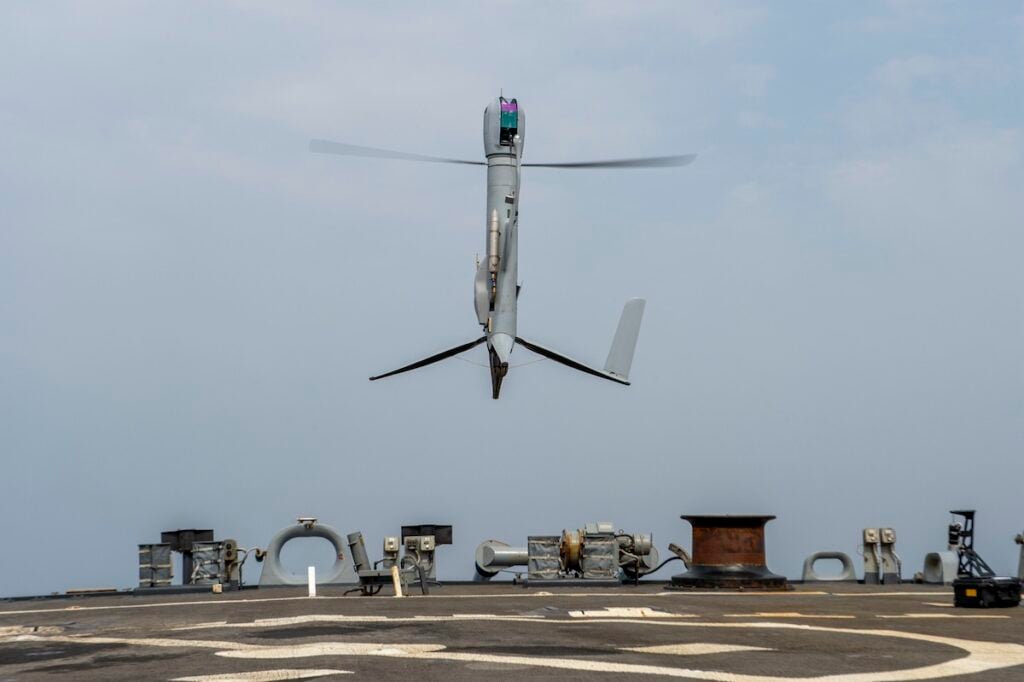
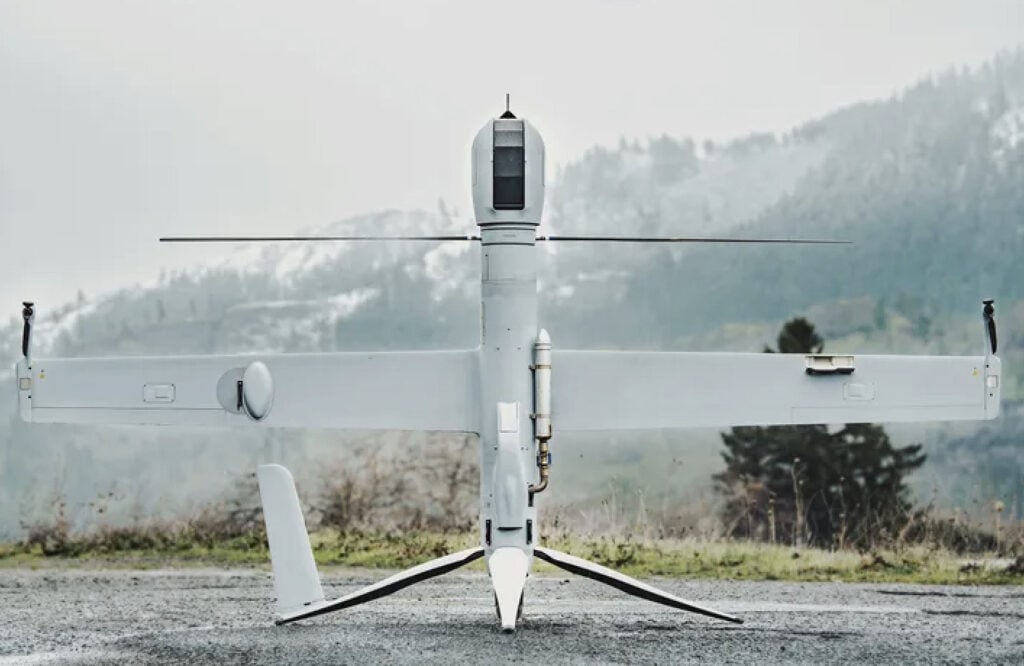
The Flexrotor is a Vertical Takeoff and Landing (VTOL) uncrewed aircraft with a launch weight of 25 kg, designed specifically for Intelligence, Surveillance, Target Acquisition, and Reconnaissance (ISTAR) missions. While it can maintain endurance for more than 12 to 14 hours in a typical configuration, it is rated for 10 hours in the specific EMSA configuration. The system requires a minimal footprint for expeditionary missions, with the ability to autonomously launch and recover from a 3.7 by 3.7 meter area on either land or sea.
Victor Gerin-Roze, Head of Uncrewed Aerial Systems at Airbus Helicopters, commented, “We are proud to partner with the European Maritime Safety Agency on this turnkey contract which allows the Flexrotor to fly operationally for the first time in Europe and to serve the critical mission of enhancing maritime surveillance. We have conducted multiple demonstration flights with the Flexrotor across Europe, showcasing its long endurance and the variety of systems it can carry, which is unique for a UAS of this size. We welcome the opportunity to demonstrate in Europe why the Flexrotor is the leading high-performance, reliable solution for this mission profile.”
Under the terms of the contract, flight operations will be performed by the French service provider Extensee. The core service utilizes the Flexrotor to deliver Electro-Optical/Infrared (EO/IR) and radar imagery. This data is streamed directly to the EMSA RPAS Data Centre, allowing national authorities to monitor flights in real-time.
The surveillance capabilities will directly assist Coast Guard operations, including search and rescue, fisheries control, and environmental protection. The systems can also be deployed to detect illicit maritime activities. The framework allows for two parallel operations to be conducted from take-off sites within any participating country, with the flexibility to add further operations as required.