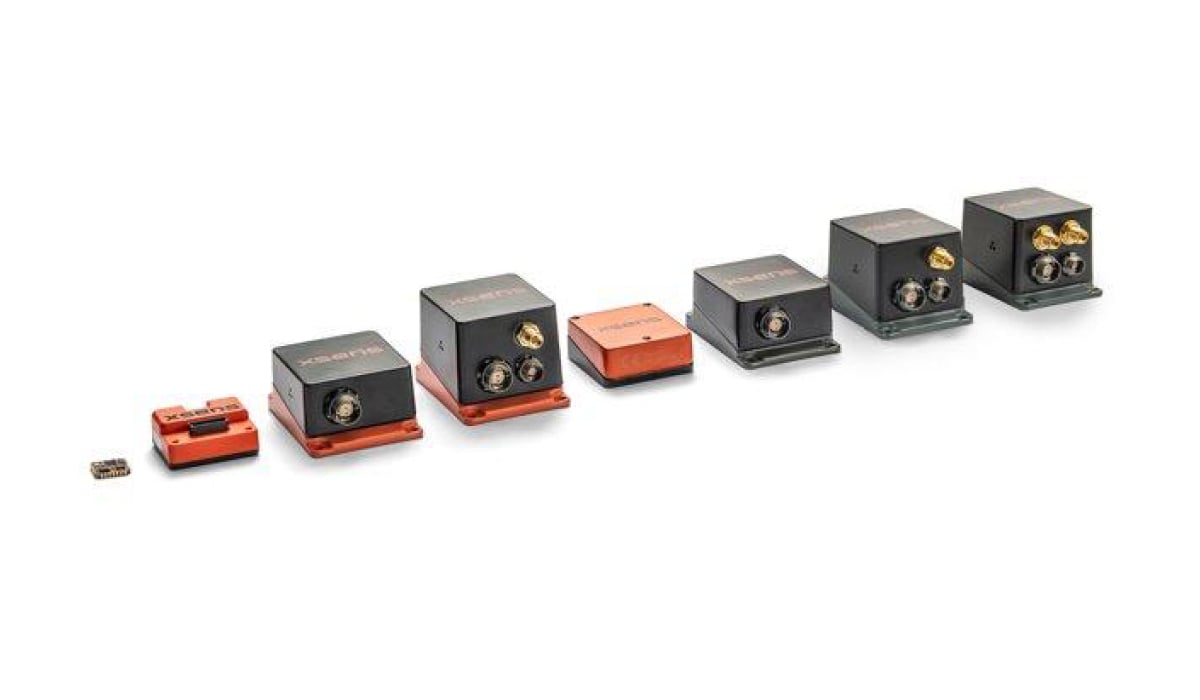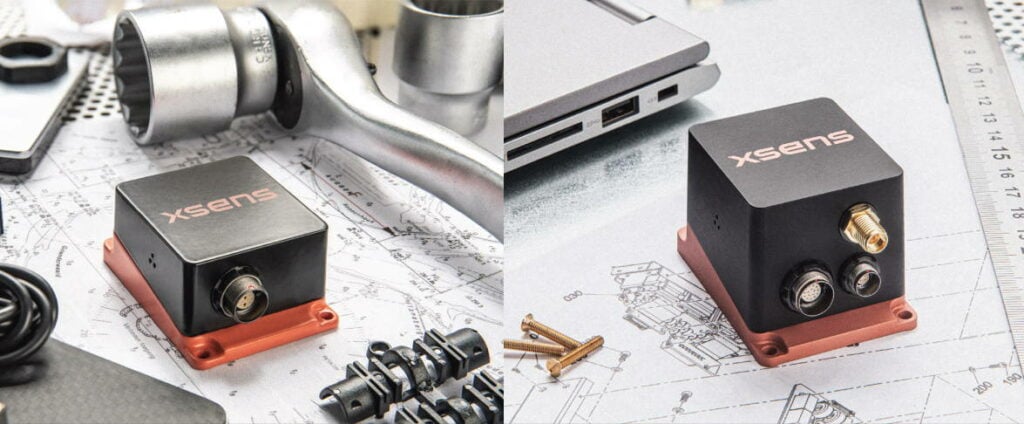
Xsens explains how its MTi Attitude and Heading Reference System (AHRS) sensor supports reliable semi-autonomous navigation in VideoRay underwater Remotely Operated Vehicles (ROVs), which are widely used by the U.S. Navy and other forces in hazardous explosive ordnance disposal missions. Read more >>
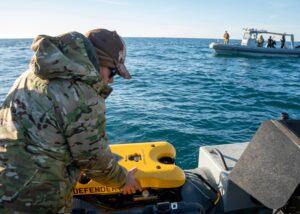
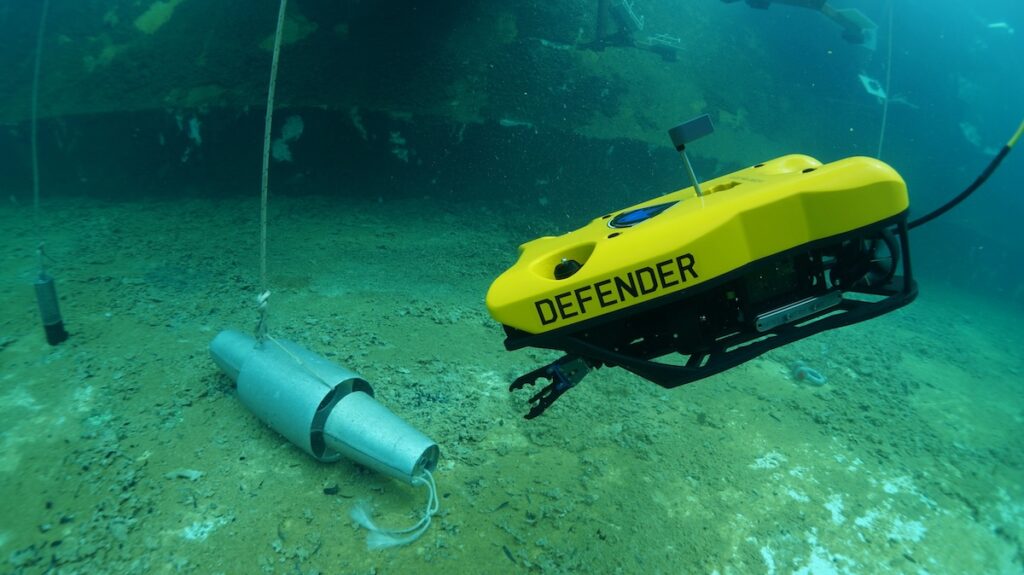
These operations involve clearing unexploded bombs and mines while reducing risk to personnel, making compact, remotely operated systems essential. VideoRay’s Ally, Defender, and Pro 5 ROVs are designed to combine portability, high power, flexible payload integration, and dependable performance in demanding underwater environments.
The ROVs operate as robotic divers, equipped with a 4K camera, optional auxiliary cameras, high-intensity lighting, and forward-looking sonar for use in low-visibility conditions. Their modular design enables integration of gripping, lifting, and other tools, while seven 1 hp thrusters allow the vehicles to move quickly through the water and lift heavy objects from the seafloor. Tethered to a surface control panel, the systems can be remotely piloted and are capable of semi-autonomous navigation to operator-defined coordinates before manual control is assumed for mission execution.
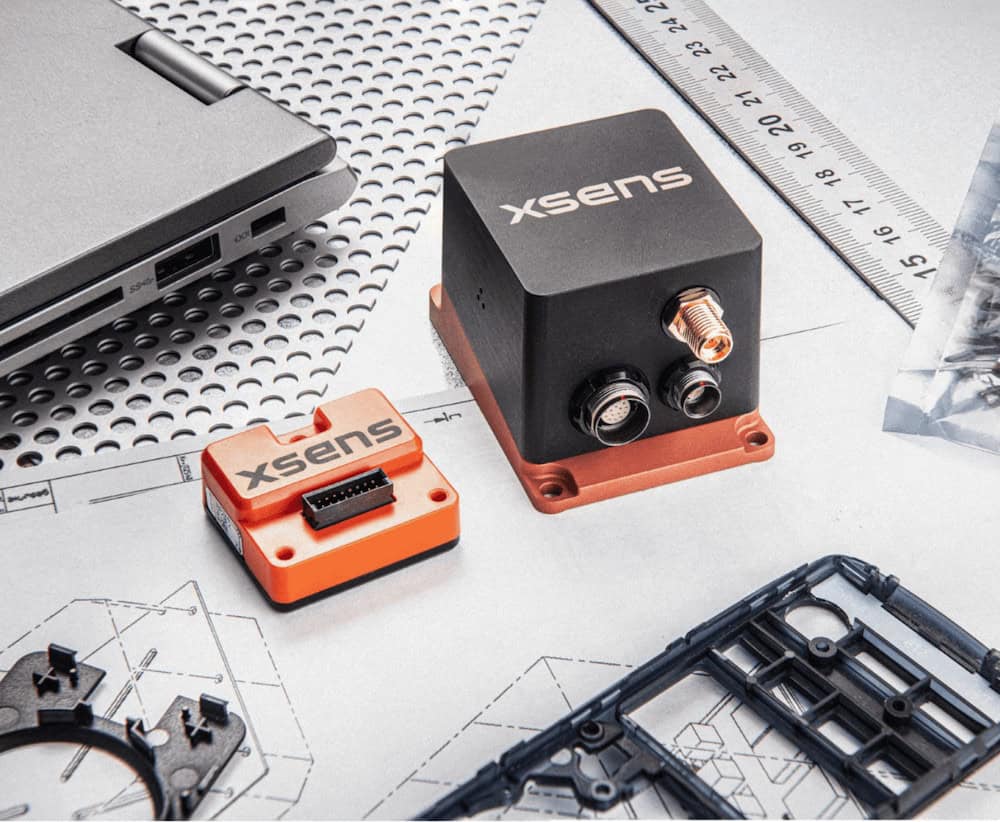
Navigation performance is enabled by a combination of technologies, including a Doppler velocity log, GPS, Greensea navigation software, a pressure sensor for depth measurement, and the Xsens MTi AHRS for heading tracking. The sensor also provides attitude data that supports propulsion system operation, helping the vehicle maintain a stable posture underwater.
Heading measurements are typically the largest source of error in marine inertial navigation, making AHRS accuracy critical to ensuring the ROV can reliably reach its programmed destination over missions extending hundreds of meters.
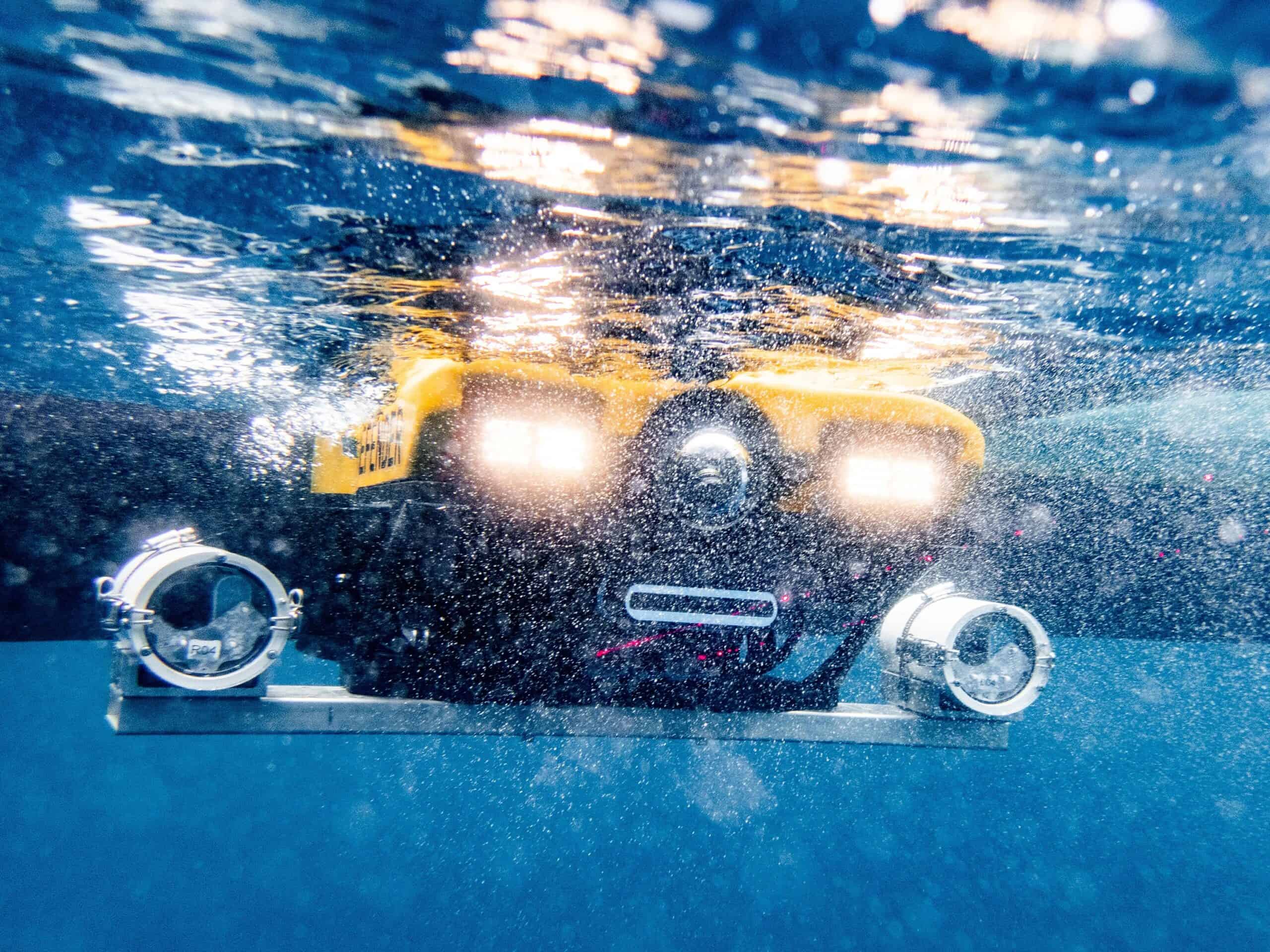
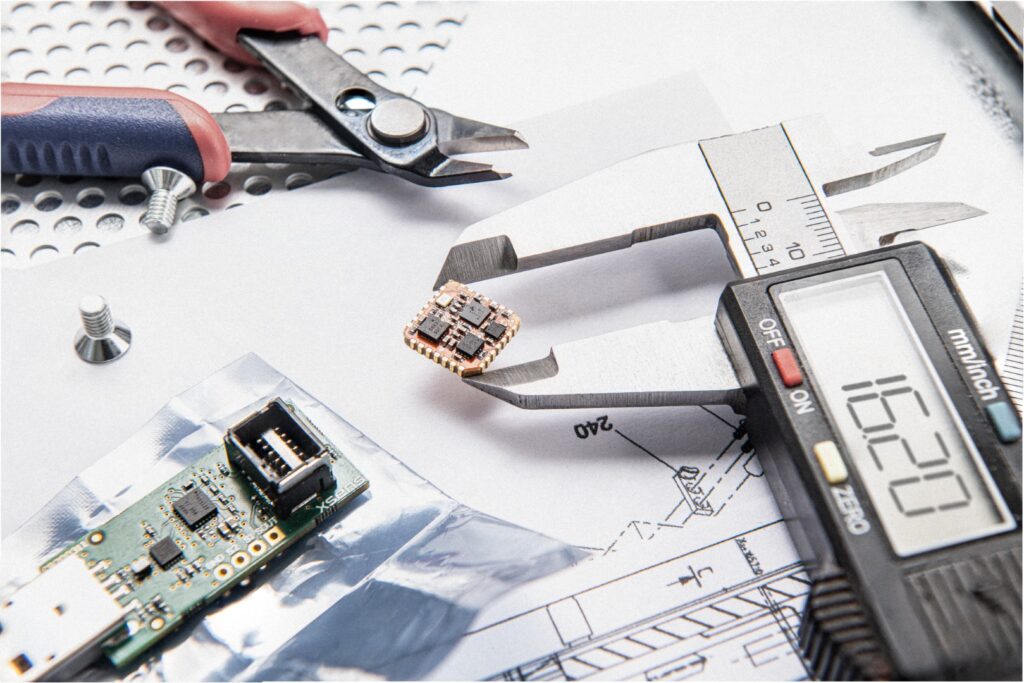
VideoRay selected the Xsens MTi AHRS based on its performance, compact size, and availability in production volumes, enabling integration into small ROV platforms that can be carried by a single operator. The sensor is supported by a software development kit and magnetic calibration software, allowing users to adjust for variations in the Earth’s magnetic field and fine-tune heading outputs.
The ROV systems have been tested extensively in thousands of explosive ordnance disposal missions and are also used in offshore energy operations, ship maintenance, underwater infrastructure inspection, and search and rescue, where the AHRS contributes significantly to navigation reliability and overall vehicle handling.