UAV Navigation-Grupo Oesía describes the role of Guidance, Navigation, and Control (GNC) systems in supporting Unmanned Surface Vehicle (USVs) operations across naval missions.
USVs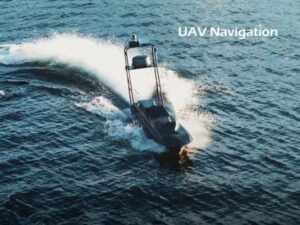 are used in applications including surveillance, reconnaissance, protection, and logistics. Smaller tactical platforms, such as Class 1 and 2 USVs, can carry electro-optical sensors, radar, and AIS payloads. Their effectiveness depends on onboard autonomy functions that support mission continuity when communications are limited or unavailable.
GNC Systems for USV Operations
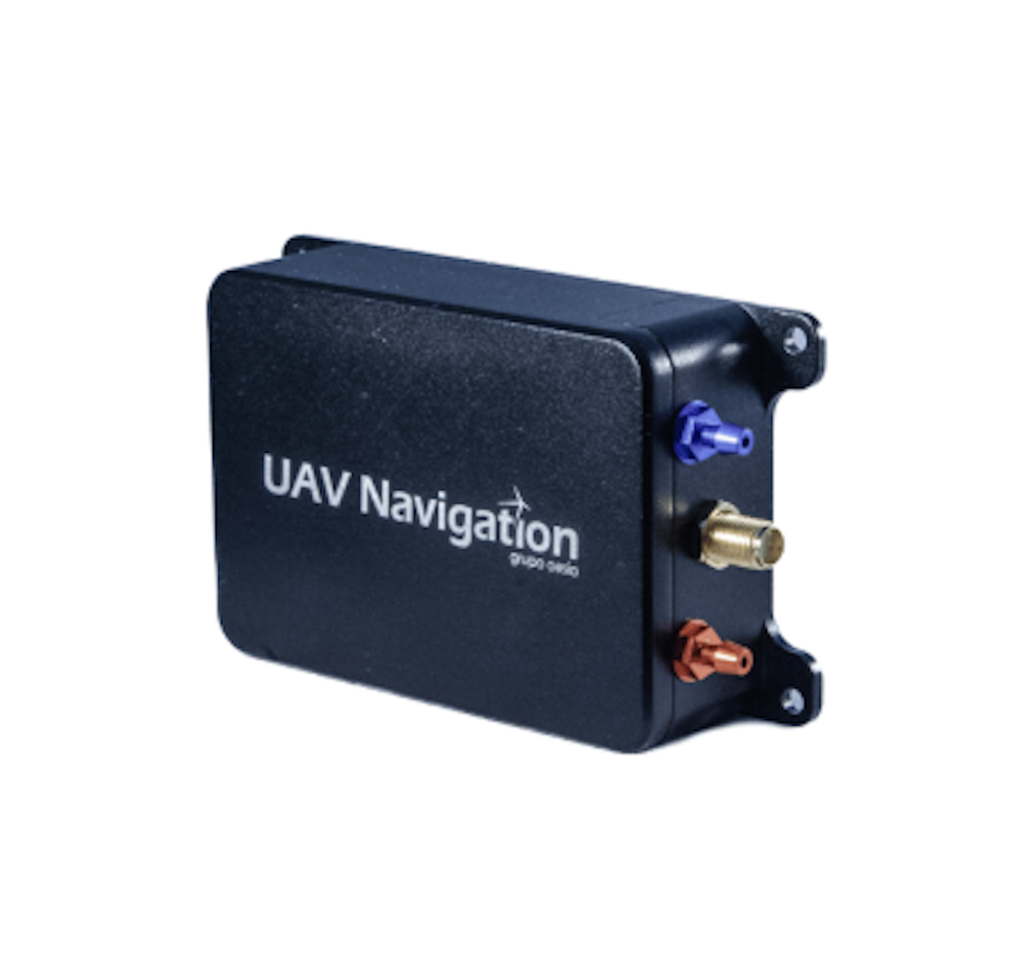
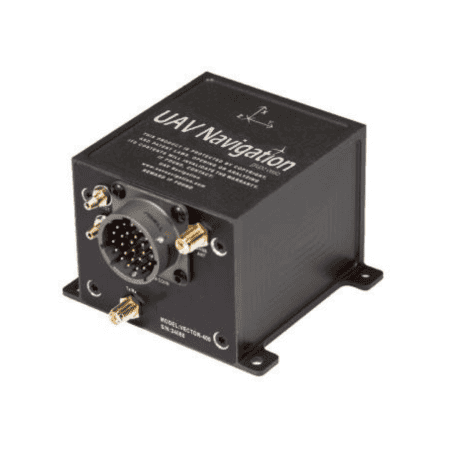
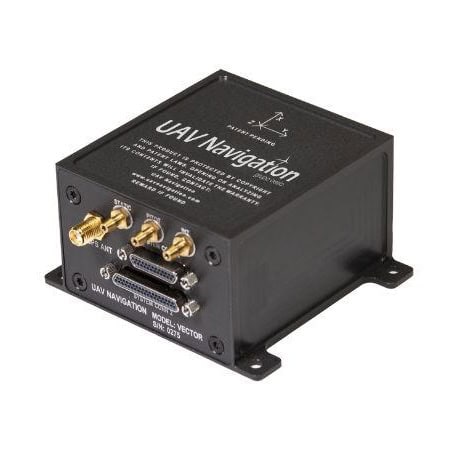
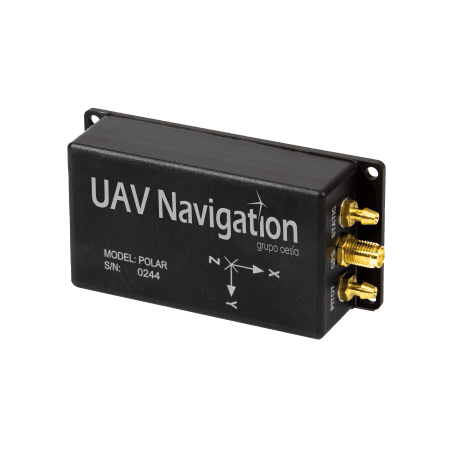
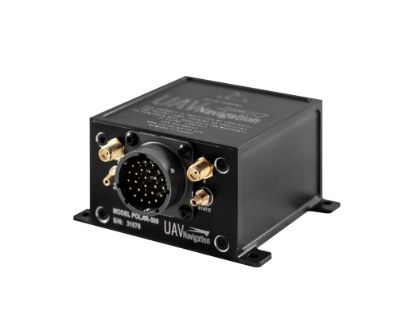
UAV Navigation-Grupo Oesía provides GNC solutions tailored to USVs. Its VECTOR autopilot systems support both supervised and autonomous mission execution, covering all phases from launch through recovery.
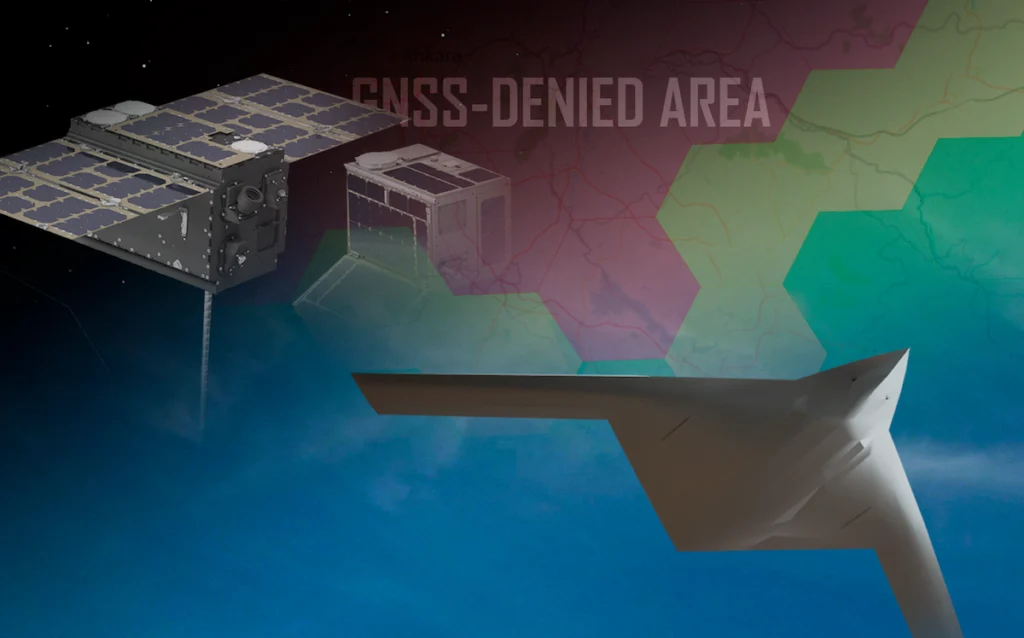
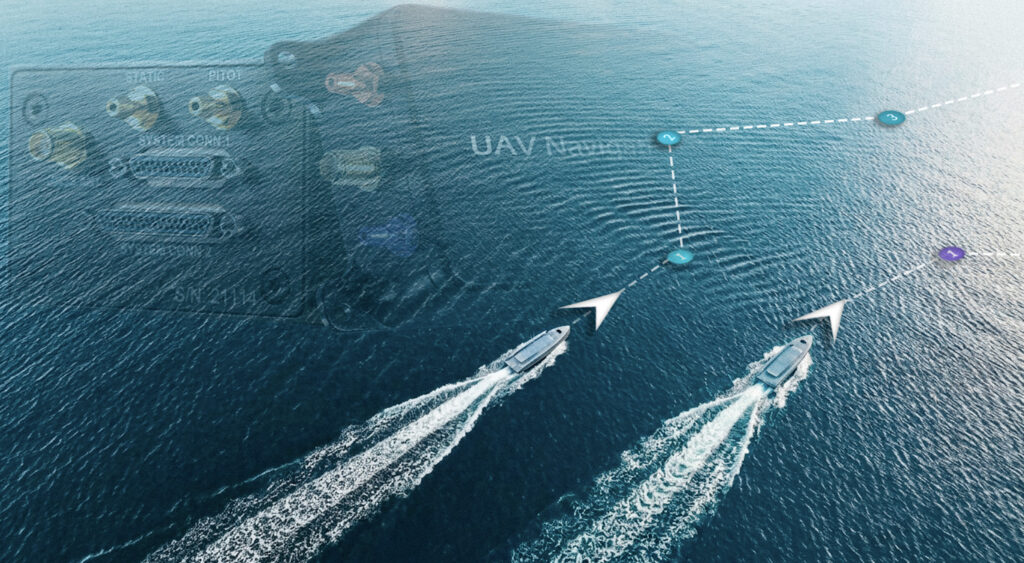
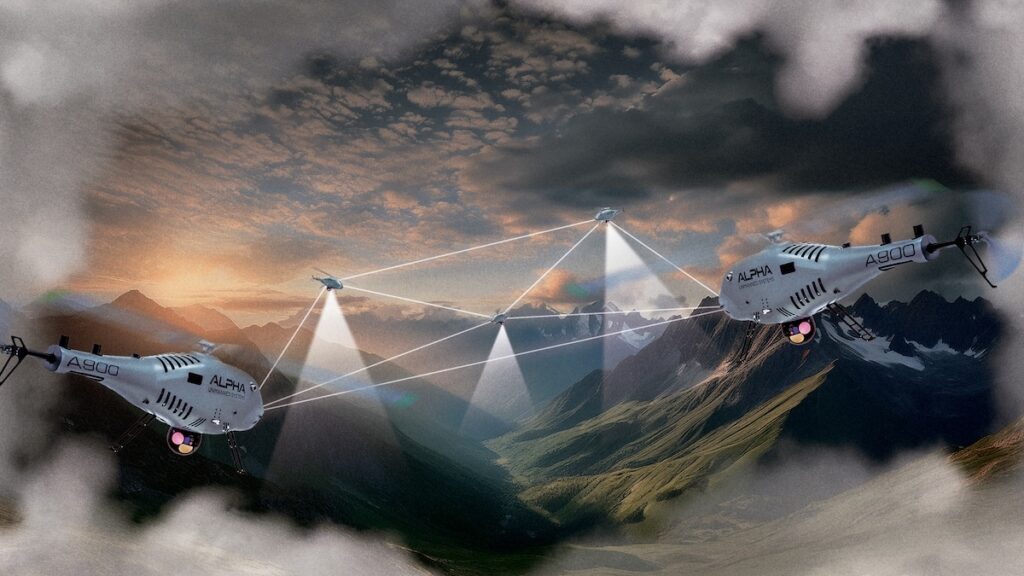
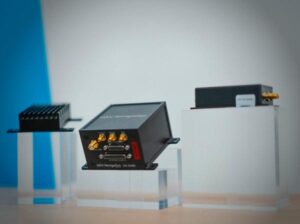 These systems include real-time route adjustment relative to a reference platform, supporting coordinated deployment and retrieval. Navigation performance is maintained in degraded or denied GNSS conditions through the combination of inertial data and additional onboard sensors, processed using estimation methods validated in aeronautical applications. Mission behavior can be automated through conditional logic, allowing actions and payload operations to be triggered by defined events, geographic zones, or system states. The architecture also enables coordination with UAVs and other unmanned systems in combined air-sea operations.
The system design allows missions to proceed without a continuous communication link, while supporting integration with long-range communications such as satellite systems when required. The solutions are developed in line with industrial and military standards for maritime environments.
NEWT21 FOG USV
The FOG USV, developed by NEWT21, integrates the UAV Navigation-Grupo Oesía GNC system. It has an operational range of 110 to 330 nautical miles and operates in sea states up to level 4.
The platform has completed surveillance and reconnaissance missions over 54 nautical miles in Sea State 3 conditions in the Baltic Sea. It supports both autonomous and supervised navigation, including route execution, trajectory updates, and approach maneuvers, with navigation safety and collision avoidance functions.
The USV is equipped with a stabilized electro-optical system and onboard sensors for surveillance and operational support missions.
Integrated Air-Sea Operations
UAV Navigation-Grupo Oesía also focuses on enabling coordinated use of unmanned aerial and surface platforms within shared mission structures. This approach supports information exchange, synchronized tasking, and functional distribution across systems, contributing to interoperability and expanded operational coverage.
Within this framework, small USVs with advanced autonomy can operate as distributed sensing units, support electronic warfare tasks, or maintain persistent presence roles. These capabilities complement conventional naval and air assets while supporting scalable unmanned system deployment in complex environments.
To learn more, visit the UAV Navigation-Grupo Oesía website.