




SBG Systems discusses its new built-in vibration monitoring feature and the rationale behind integrating vibration analysis directly into its Inertial Measurement Unit (IMU) and Inertial Navigation System (INS) products. Read more >>
The company explains why vibration monitoring is critical for IMUs using Micro-Electro-Mechanical Systems (MEMS) sensors, which contain internally vibrating mechanical elements.
External vibrations can degrade performance accuracy through Vibration Rectification Error (VRE) or Vibration Rectification Coefficient (VRC), and measurement disturbances can occur when vehicle vibration frequencies align with the sensor’s internal resonances. Simulations and external monitoring offer only partial insight, particularly in harsh environments where systems may experience up to 30 g RMS vibration and 150 dB acoustics.
SBG Systems addresses these challenges with a built-in vibration monitoring feature integrated directly into its IMU and GNSS/INS products.
The embedded system provides real-time vibration analysis without additional hardware, offering both a full Fast Fourier Transform (FFT) spectrum, showing vibration amplitude across frequencies, and a simplified vibration report, divided into four frequency bands, including vibration intensity, dominant frequency, and magnitude.
The module operates fully embedded within the devices and includes capabilities such as bandwidths up to 8 kHz, dynamic ranges up to 40 g RMS, onboard FFT computation, 0.25-second vibration report updates, multiple FFT window modes, and time stamping using the IMU clock.
SBG Systems describes multiple use cases which the built-in vibration monitoring feature supports, including design-phase vibration analysis, IMU qualification on shakers, and applications in Unmanned Aerial Vehicles (UAVs), aerospace systems, ground vehicles, mission-related built-in tests, and structural health and modal analysis.
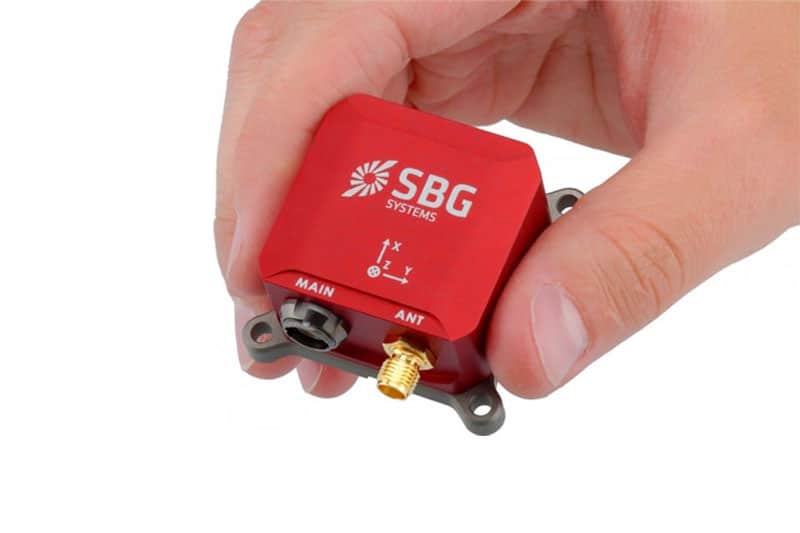
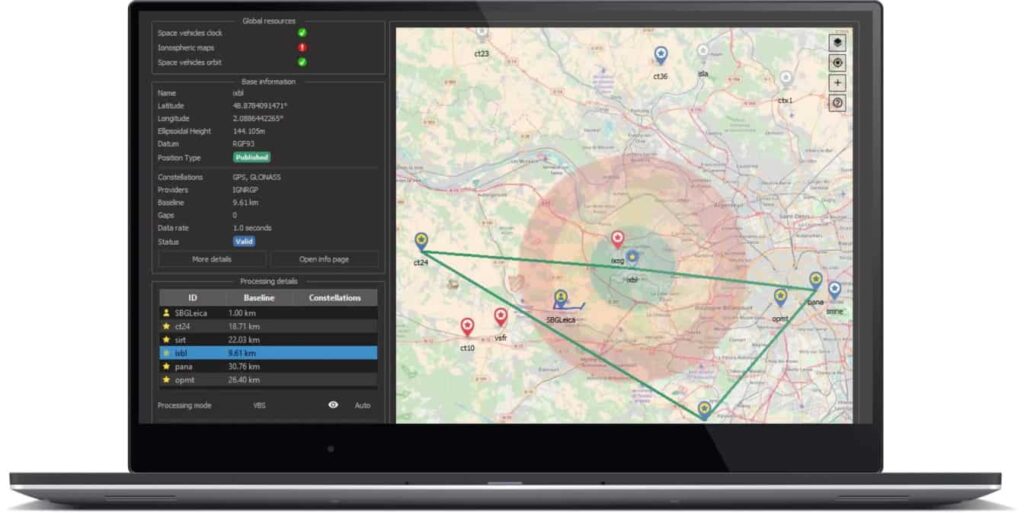
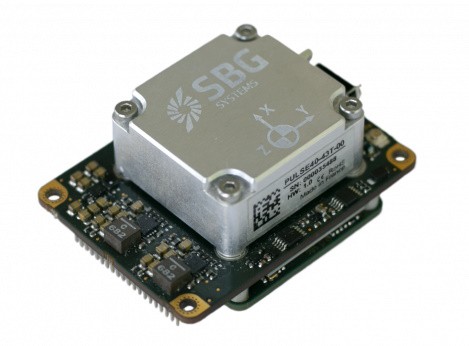
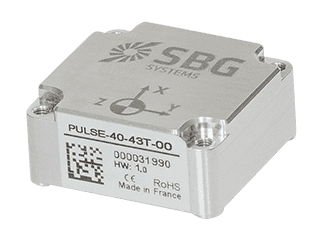
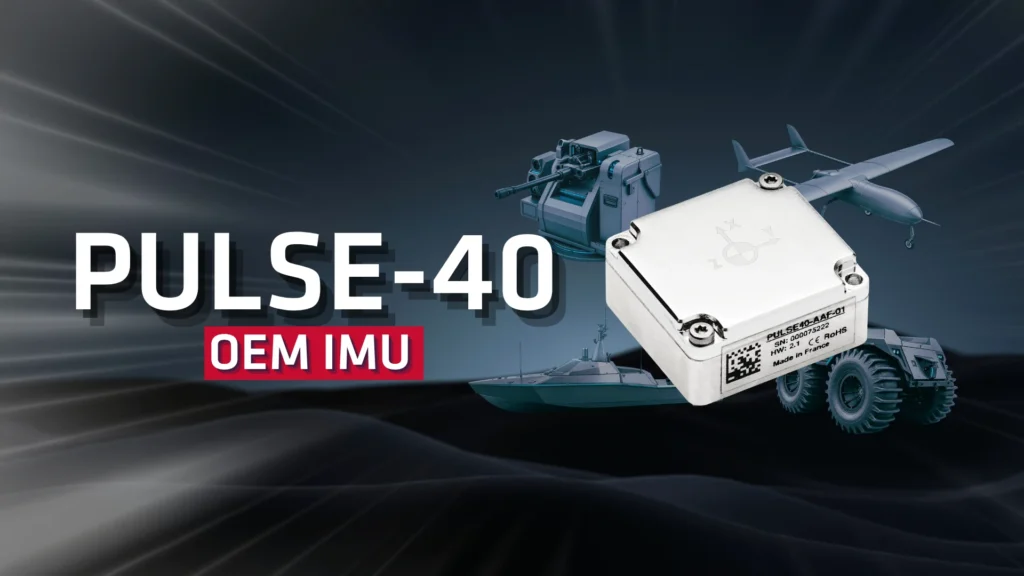
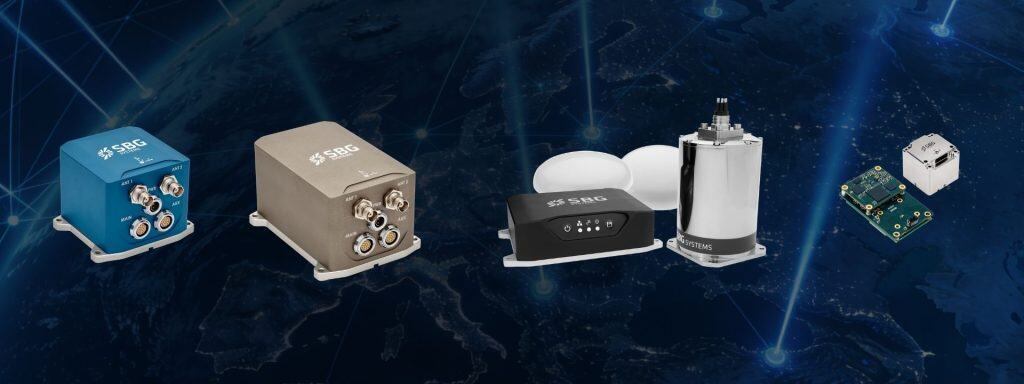
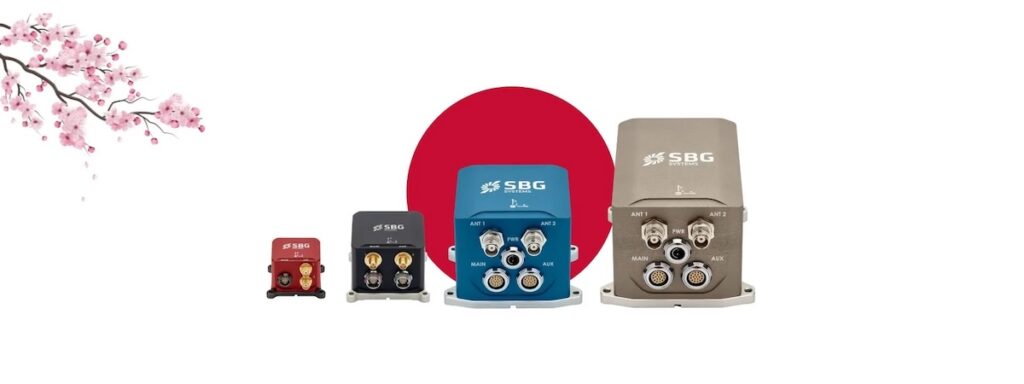
The feature is available on the latest hardware revisions of the Ekinox Micro, Quanta Micro, Quanta Plus, and Quanta Extra running firmware version 5.5 or above, and on the Pulse-80 and Pulse-40 IMUs running firmware version 2.0 or above. It can be accessed through sbgCenter, sbgBasicLogger, and the sbgECom library, with additional documentation and sample code to be provided.
To find out more information, read ‘New built-in vibration monitoring feature’ here >>