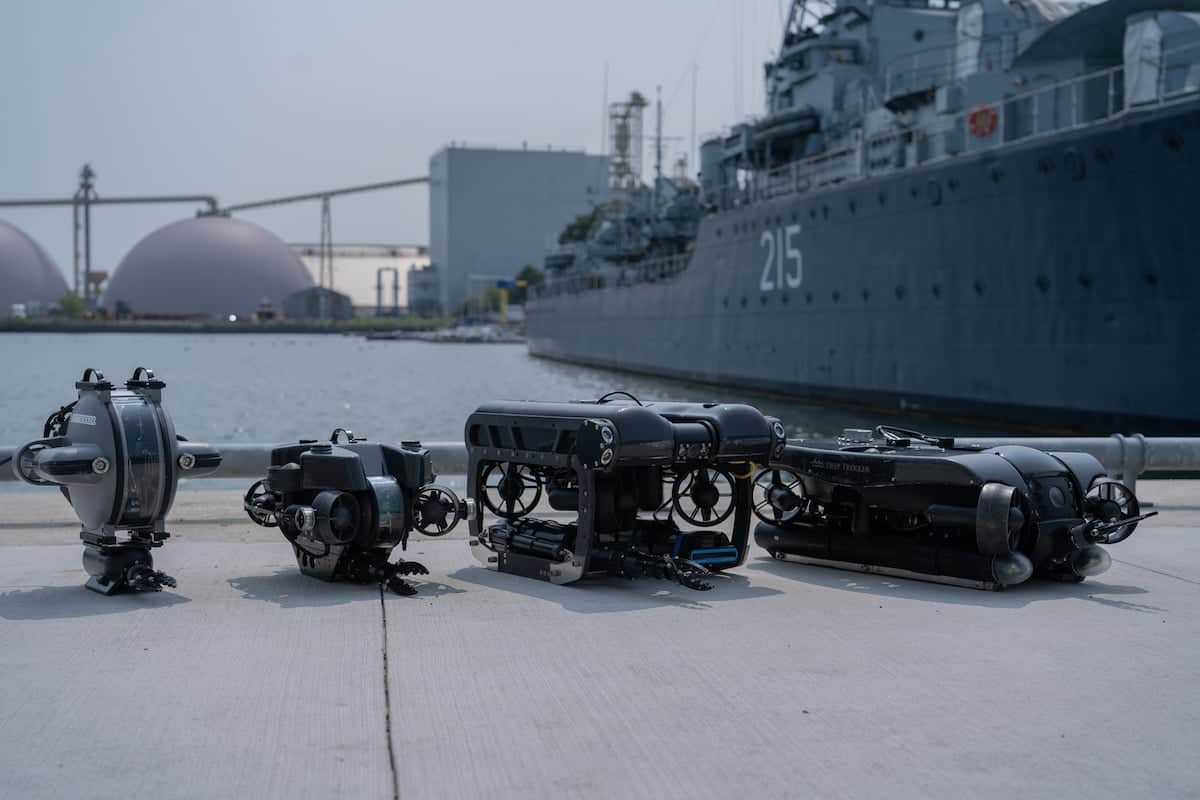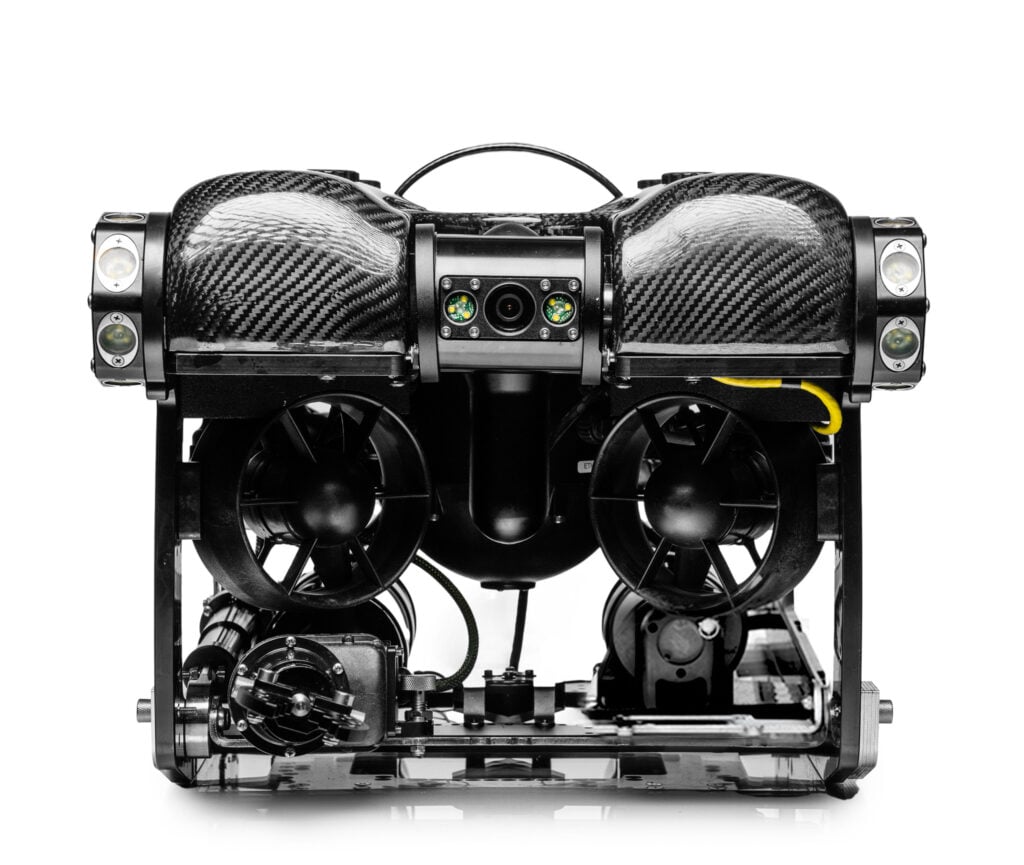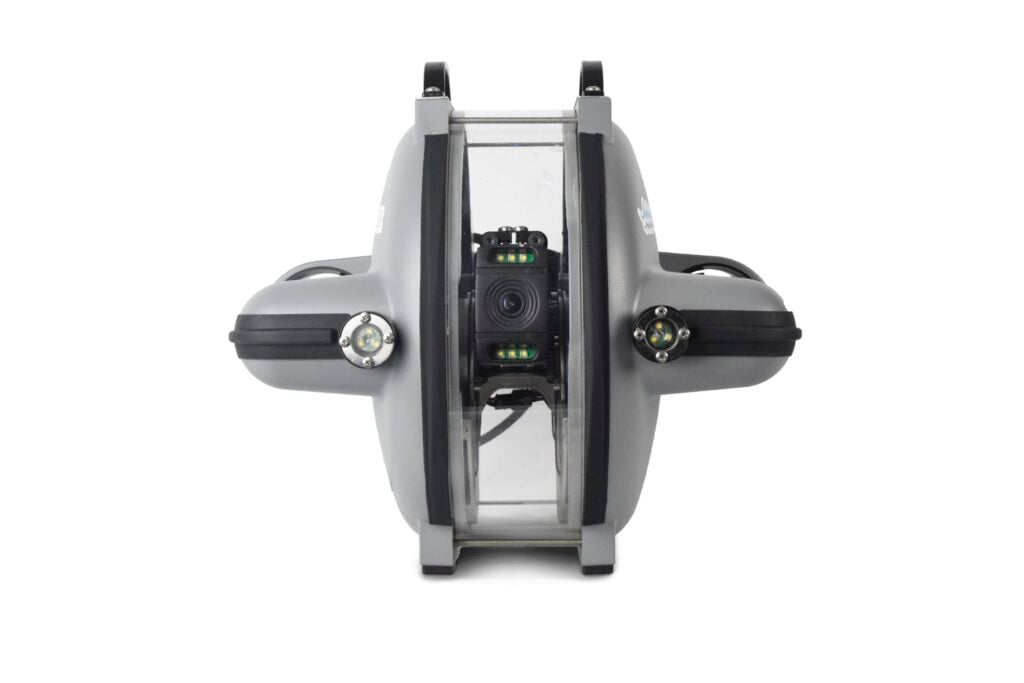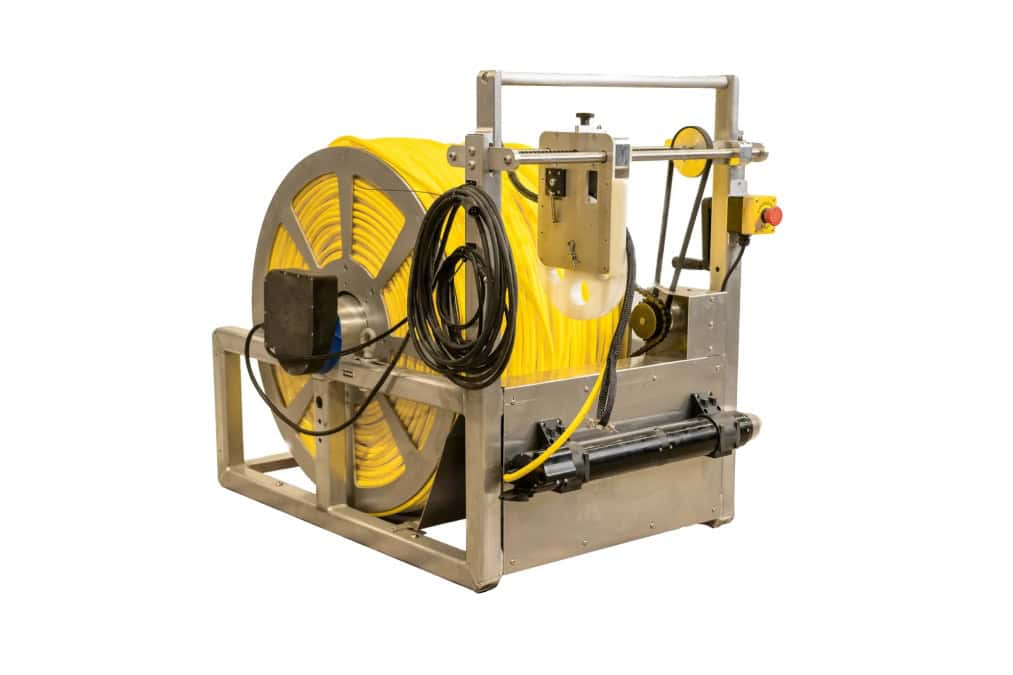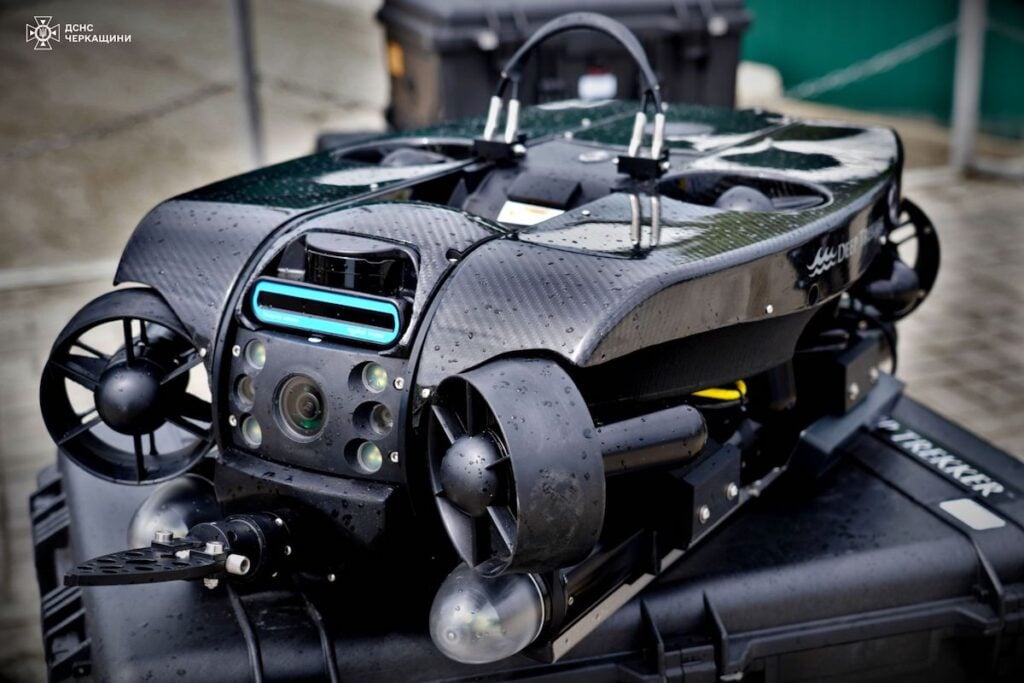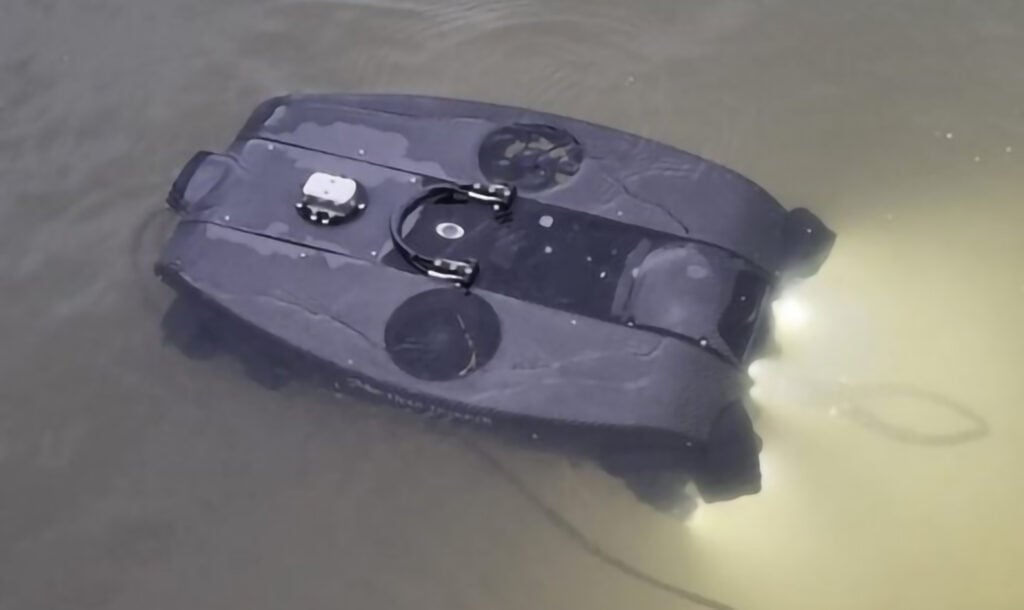





Deep Trekker played a central role at REPMUS 2025 in Portugal, where the world’s leading maritime robotics exercise once again demonstrated how Remotely Operated Vehicles (ROVs) are shaping the future of Mine Countermeasure (MCM) operations.
Bringing together naval forces from across Europe and North America, REPMUS highlighted the growing importance of interoperable, resilient unmanned systems operating in real-world conditions.
For Deep Trekker, the exercise provided valuable operational validation. Working alongside multinational Explosive Ordnance Disposal (EOD) teams, its ROVs repeatedly demonstrated the ability to re-acquire, identify, and classify mine-like contacts in challenging North Atlantic environments. Real-time video and sonar feedback proved decisive in reducing uncertainty during seabed investigations, reinforcing the operational value of human-in-the-loop ROV operations.
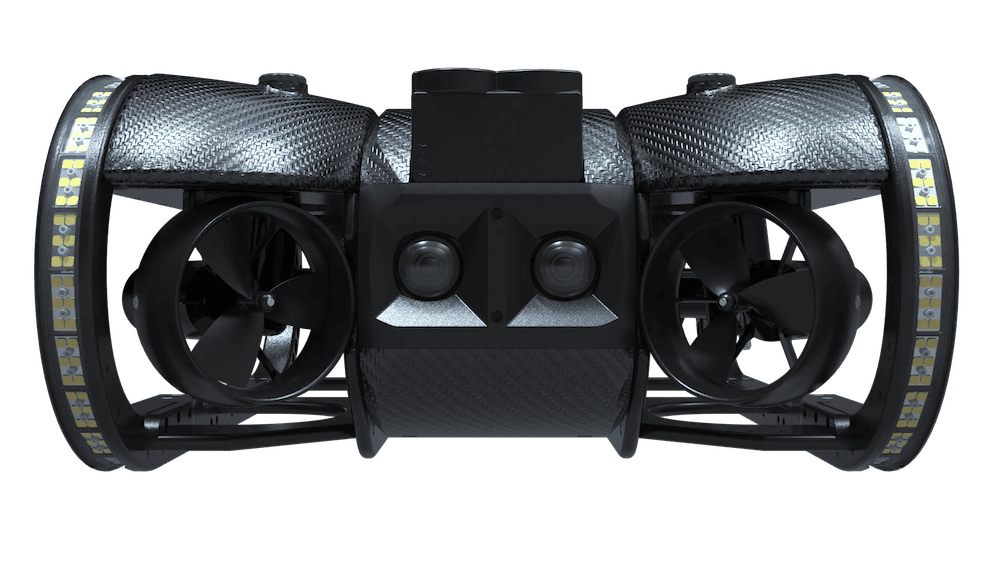
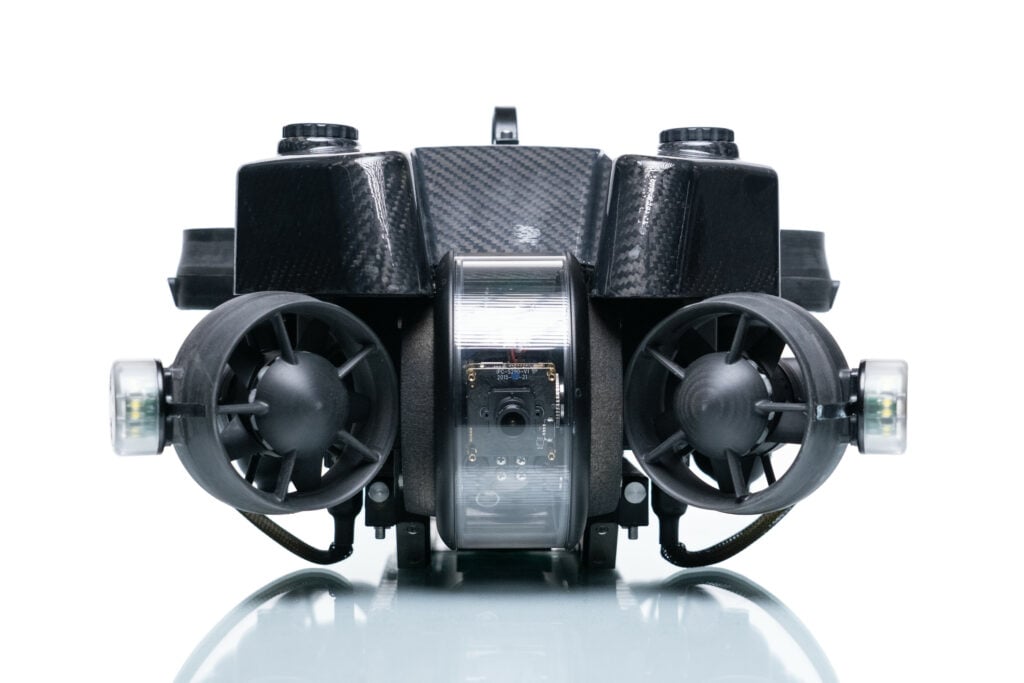
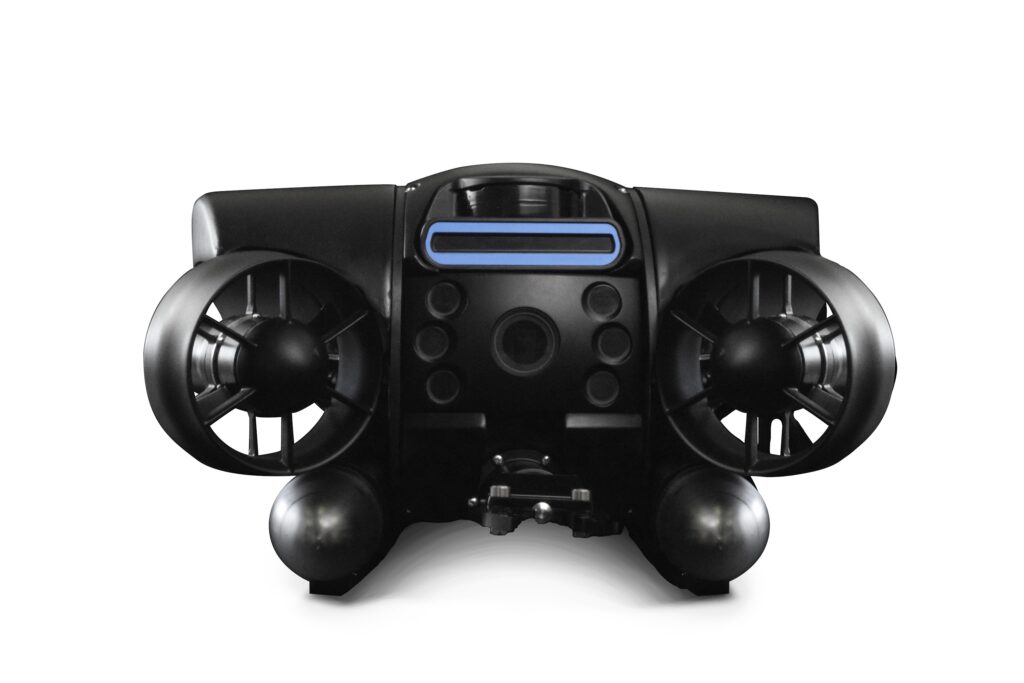
Several technology integrations were assessed during the exercise, including ELWAVE’s bio-inspired electric field detection system paired with the Deep Trekker REVOLUTION ROV, adding a passive sensing layer to traditional sonar and optical workflows. Additional trials with the Viper Mine Disposal System (MDS) and Voyis Discovery Stereo Camera further explored ROV-based disposal concepts and high-resolution 3D documentation for mine identification and infrastructure security.
REPMUS 2025 also underlined key operational lessons: reliable platforms matter more than complexity, vessel stability is critical for ROV deployment, and environmental resilience is non-negotiable. While autonomy continues to evolve, the exercise reaffirmed that ROVs, especially when paired with crewed or uncrewed surface vessels, remain the most practical and effective tools for modern mine countermeasure missions today.