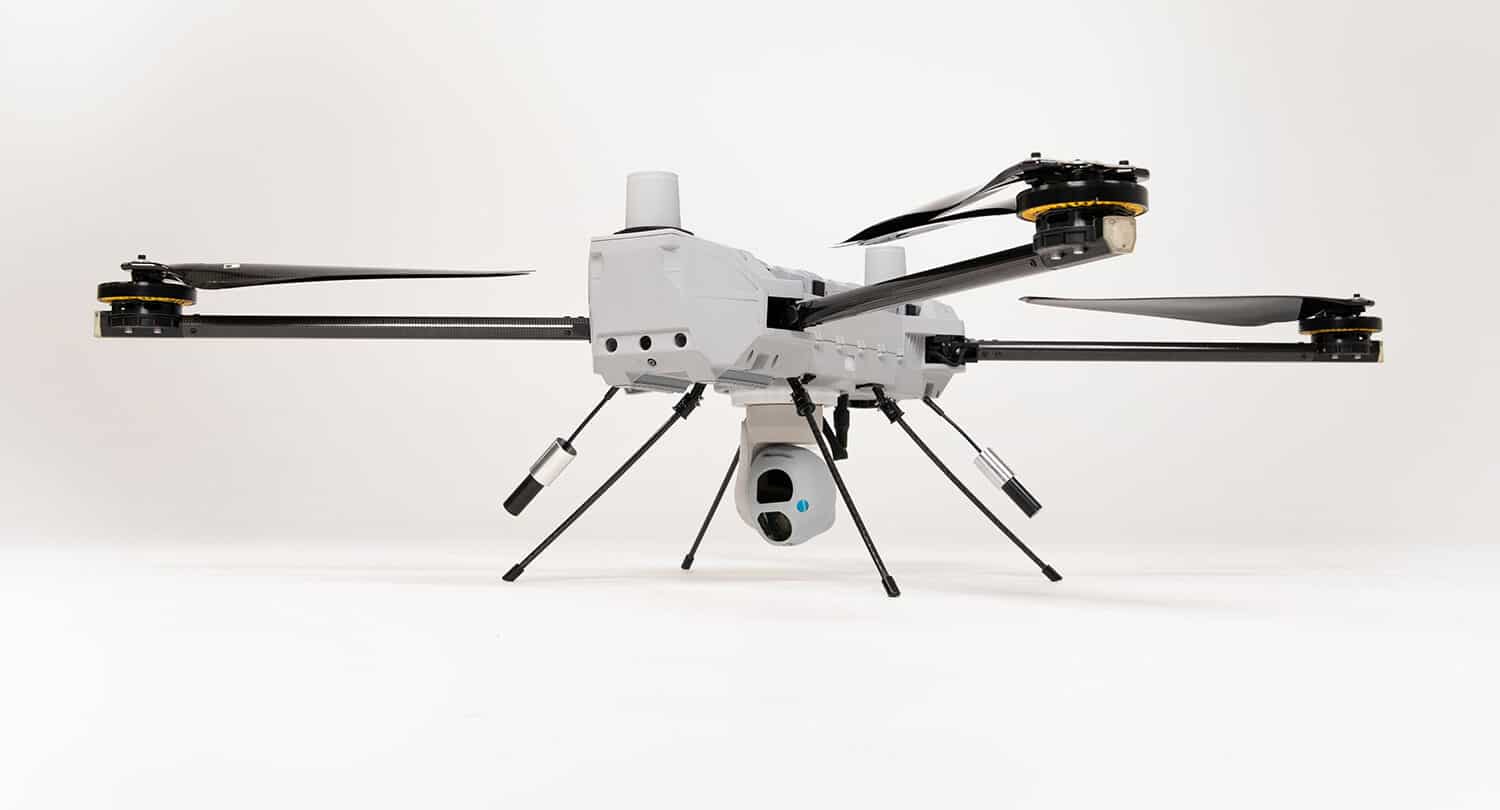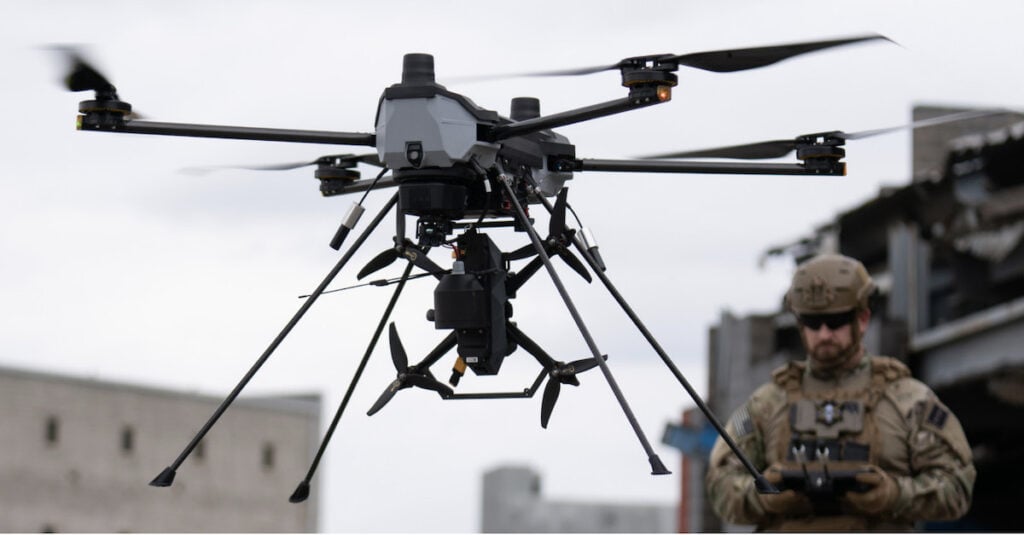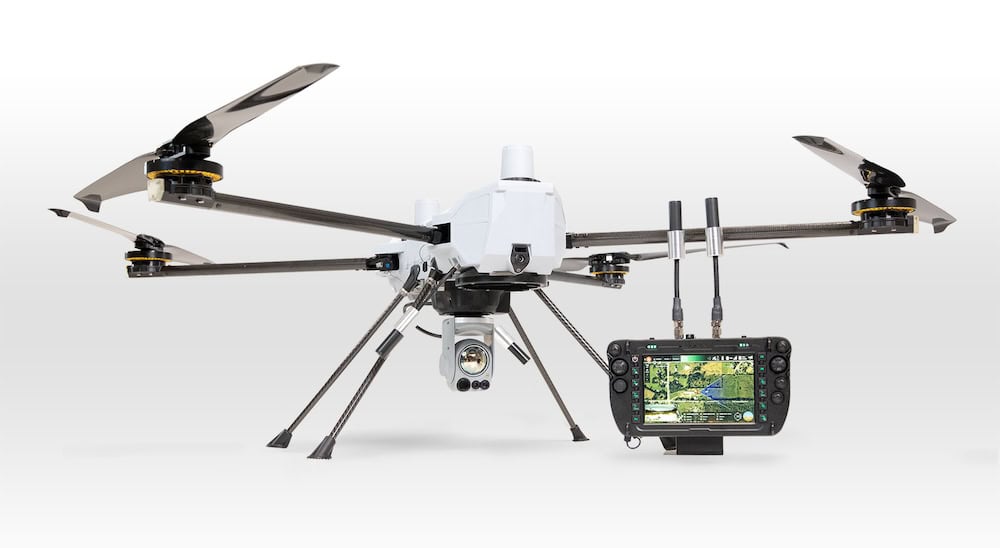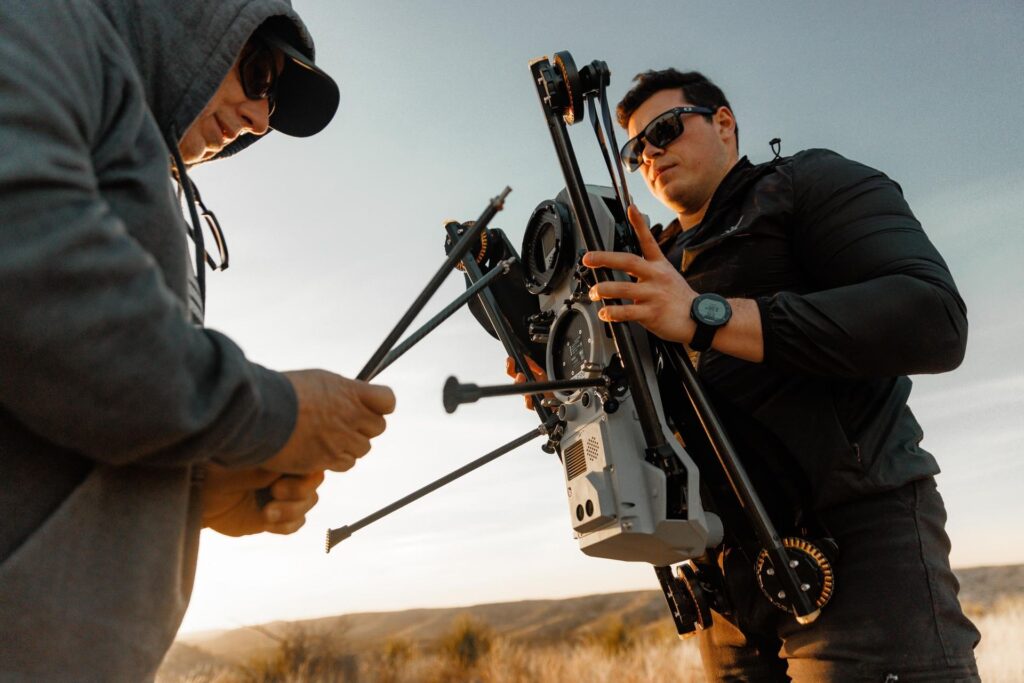

This Q&A with Performance Drone Works (PDW) explores how the company’s C100 Multi-Mission Payload (MMP) suite is redefining unmanned operations in contested environments.
The discussion covers MMP design objectives, partner collaboration, GPS-denied navigation, integration ease, and PDW’s alignment with the Army’s Transformation in Contact initiative.
What specific operational challenges were the MMPs designed to solve for forces operating in contested environments?
PDW’s C100 Multi-Mission Payload (MMP) suite delivers the capabilities once reliant on manned assets without risking human lives, offering persistent, adaptable support in the most contested battlespaces. The MMPs are designed to address the challenges of operating in contested domains against near-peer threats.
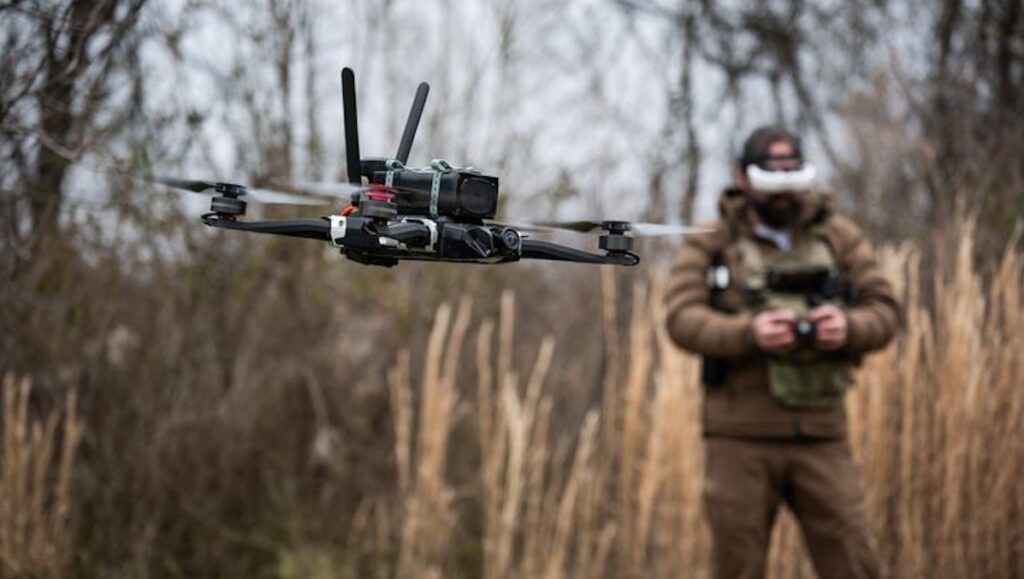
These payloads ensure that operators can continue to see, sense, act, decide and deliver, even when adversaries are actively denying access to critical capabilities such as GPS or communications. For example, if GPS is jammed, operators risk “flying blind” without an alternative. MMPs overcome this by enabling drones to sense, relay communications, and extend the network beyond the forward line, providing vital situational awareness for ground forces.
This capability directly impacts combat operations, intelligence collection, logistics, and resupply, ensuring mission execution in denied environments. The C100 was built as a tactical, company-directed requirement that scales up to inform higher-level decision-making. Through MMP integration, the C100 collapses manned-platform functions into a modular, multi-mission sUAS.
Why did PDW choose the partners it did? And how do the three payloads (Spectrum Awareness, MANET Communications Relay, and APNT) complement one another to expand the C100’s mission flexibility?
PDW partnered with industry leaders that already had products successfully deployed and integrated into DoD formations. While each payload is effective on their own, combining their capabilities together on one UAS created the ultimate multi-mission aerial platform for contested environments. The C100 equipped with the MMP suite allows operators to operate ahead of conflict, seamlessly integrating into a variety of both air littoral and ground-based mission requirements.
What was the Army trying to accomplish in TIC 2.0, and why did it choose PDW to fulfill those requests?
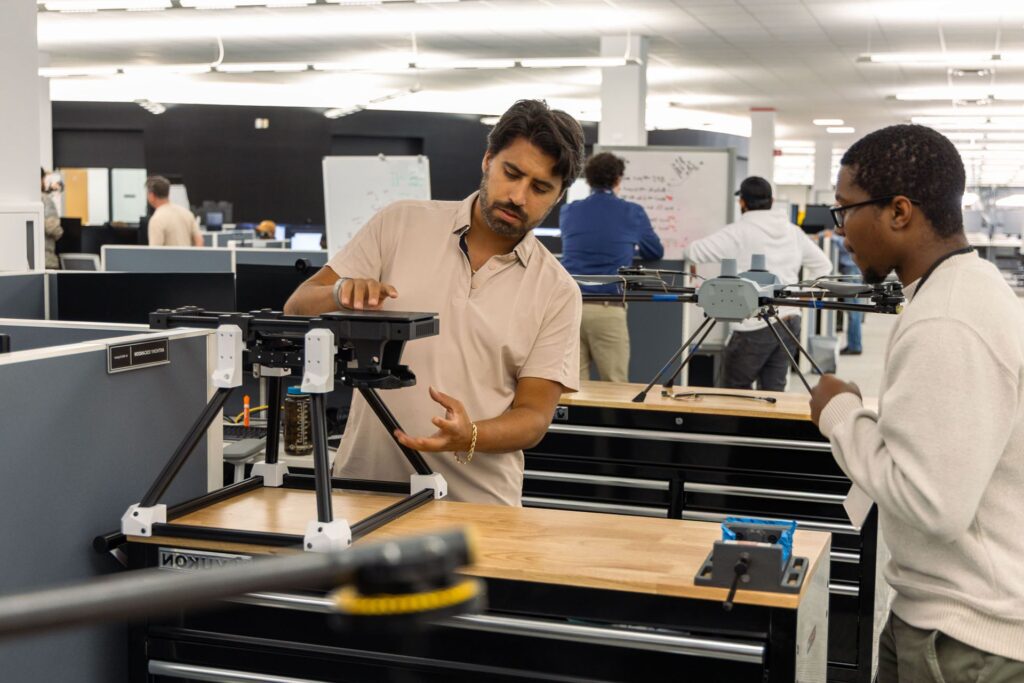
PDW is actively leaning in ahead of the innovation curve. Our ability to innovate faster and scale rapidly to low and full rates of production overcomes critical barriers the military is facing and differentiates us from the competition. Our agile production processes and resilient supplier relationships allow us to invest in R&D while also seamlessly transitioning into production capacity for our products ahead of demand curves. PDW operates on a rapid iteration feedback loop thanks to our strong relationships with end users across the DoD, federal law enforcement agencies and allies abroad. This process and our new Drone Factory 01 manufacturing facility allow us to stay ahead of government requirements and acquisition cycles, which often delay fielding to units.
Can you explain how the APNT’s vision-based navigation ensures mission success when GPS is jammed, spoofed, or denied?
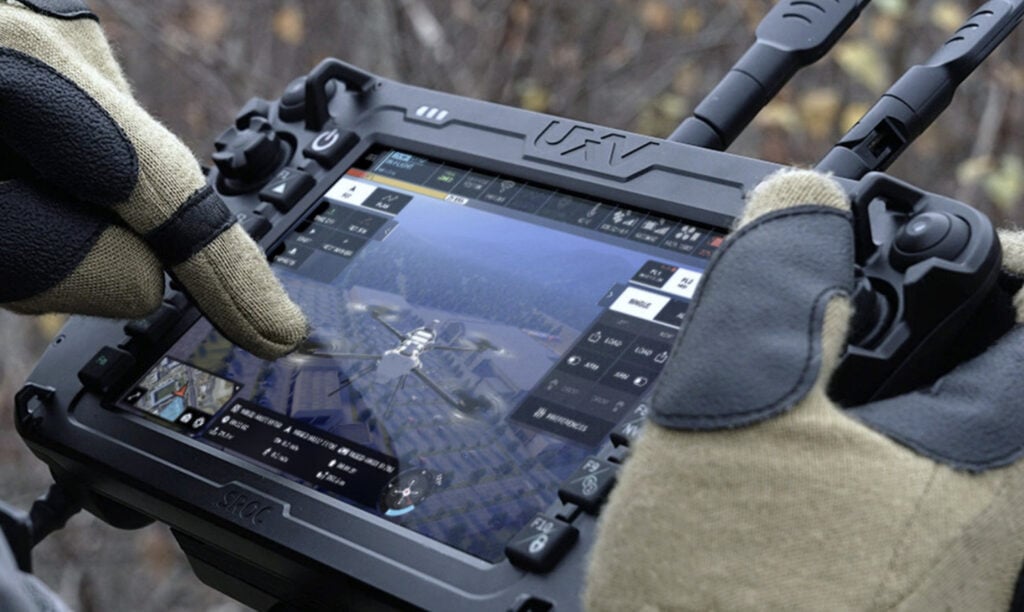
Once a deployed C100’s GPS is jammed, spoofed, or denied, the APNT system automatically activates to maintain mission continuity. Redundancy in world-class COTS and GOTS map data provides a reliable navigation conduit, supported by software capable of real-time processing in denied, degraded, intermittent, and latent environments. The underlying software has been battle-proven through more than a decade of employment in conflict zones during the Global War on Terror.
How can existing C100 customers integrate MMPs into their current fleets, and what does that process look like?
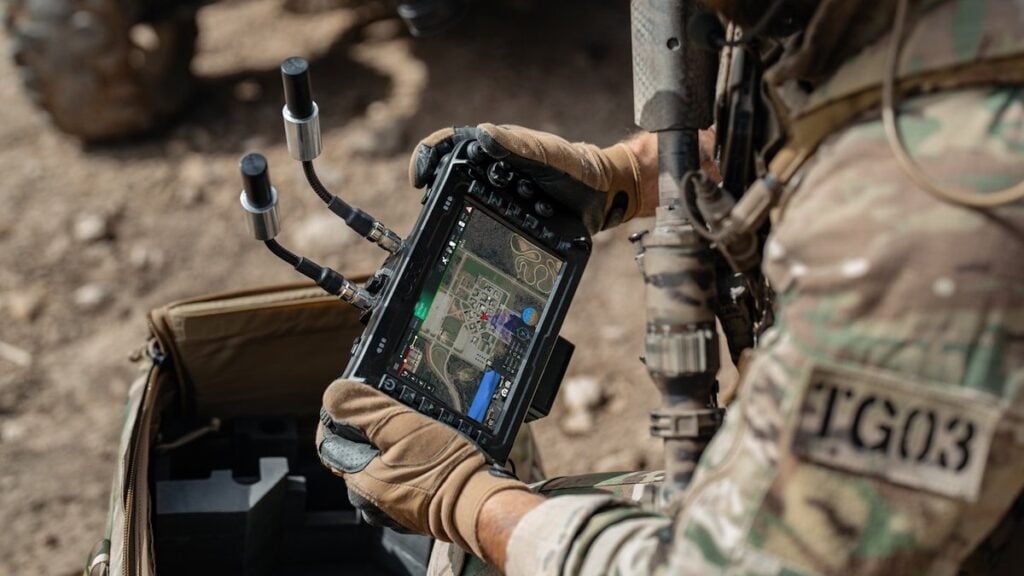
Customers can update to one or all of the MMPs without the need for added integration since we’ve already done the work. The team has made it easy to swap the payload in a matter of seconds, in the field or operating environment. We have also updated our training curriculum to ensure full interoperability and best practices for employing MMP capabilities. Customers with existing C100s can integrate the MMP suite and updated 1.4 software directly onto the system. PDW also offers training across the payloads in partnership with the payload vendors to ensure customers are maximizing capabilities.
Looking ahead, how will PDW continue to evolve the MMP suite to align with the Army’s ‘Transformation in Contact’ initiative and broader joint force requirements?
PDW is continually looking to innovate additional capabilities for the C100 that would lower the various Size, Weight, and Power (SWaP) requirements for multiple vendors and price points. A huge value add is the redundancy across our supply chain. C100’s modular architecture allows for interoperability across a number of payloads, sensors, and software from various suppliers.
It’s been great talking to you about your C100 Multi-Mission Payload (MMP) suite, thank you for sharing these insights.