San Francisco Circuits, a specialist in PCB fabrication and manufacturing, discusses press-fit connector reliability and the impact of mechanical strain in high-density PCB designs.
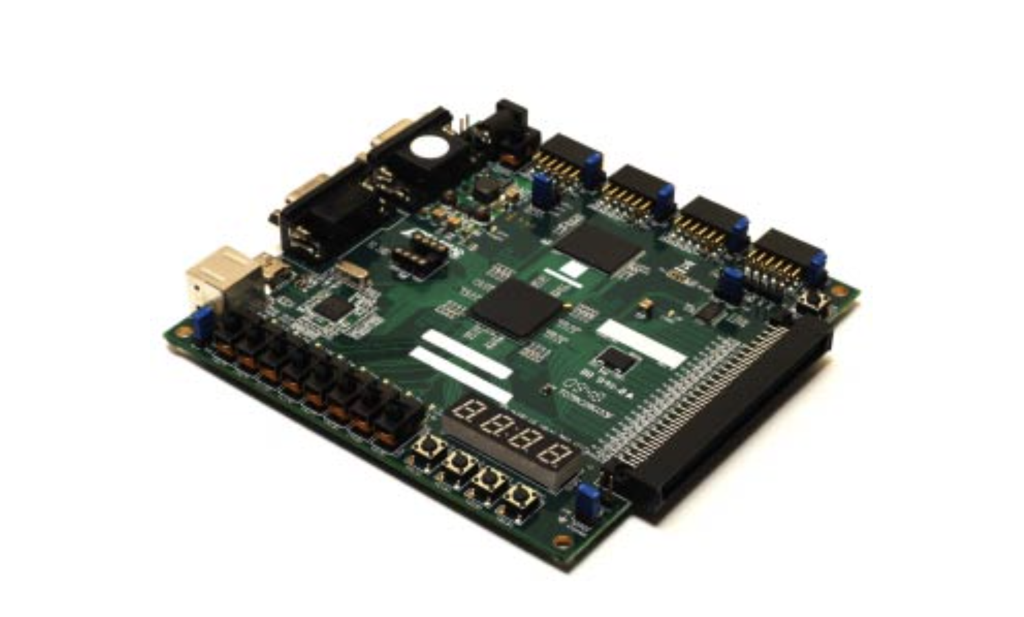
Press-fit connectors are widely used in high-density PCB assemblies across applications such as 5G infrastructure, electric vehicles, aerospace, and medical devices. They enable high I/O counts while avoiding thermal risks during assembly.
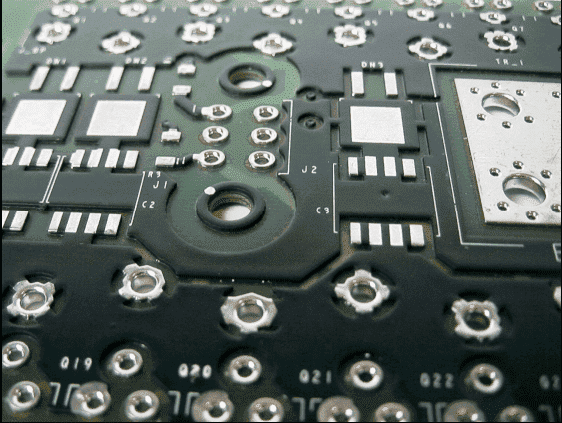
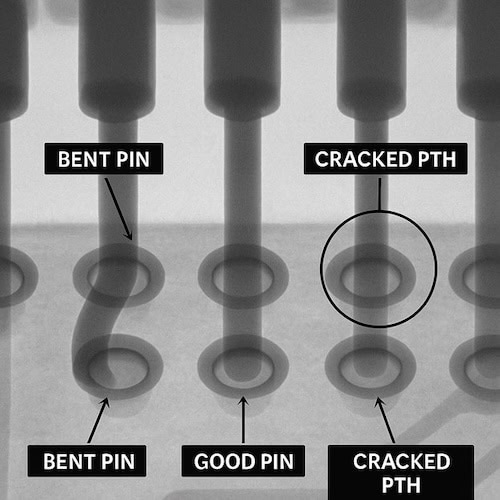
However, press-fit insertion introduces mechanical strain into the PCB. Because press-fit technology relies on an interference fit, where connector pins are pressed into Plated Through-Holes (PTHs) with near-zero clearance, the insertion process can cause localized PCB flexure. If this strain is not properly controlled, it can result in latent defects such as cracked solder joints, fractured PTH barrels, or deformed connector pins. These issues often escape detection during manufacturing and only appear later in the field, leading to system failures or costly recalls.
Two main types of press-fit pins are used: solid pins, which have a rigid press-in zone, and compliant pins, which include an elastic press-in zone designed to accommodate some flexibility during insertion. Depending on density, thermal considerations, and assembly requirements, both pin types may be used in soldered or solderless configurations.
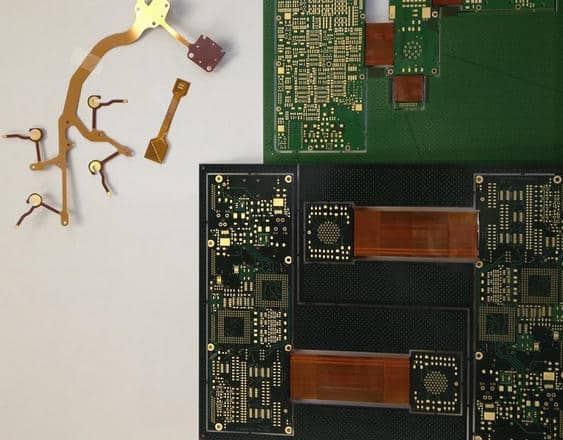
Effective strain management is critical to press-fit reliability. Factors such as PCB thickness, asymmetric stack-ups, and the use of advanced or exotic laminate materials can significantly increase strain levels and the likelihood of damage during insertion.
To reduce risk, best practices include following connector OEM specifications for hole dimensions, plating, and PCB stack-up. Controlled insertion tooling should be used, and adequate clearance maintained around press-fit locations. Soldering or tinning of compliant press-fit zones should also be avoided. Advanced inspection methods such as X-ray or CT scanning, along with mechanical retention force testing, can be used to identify hidden defects before products enter service.