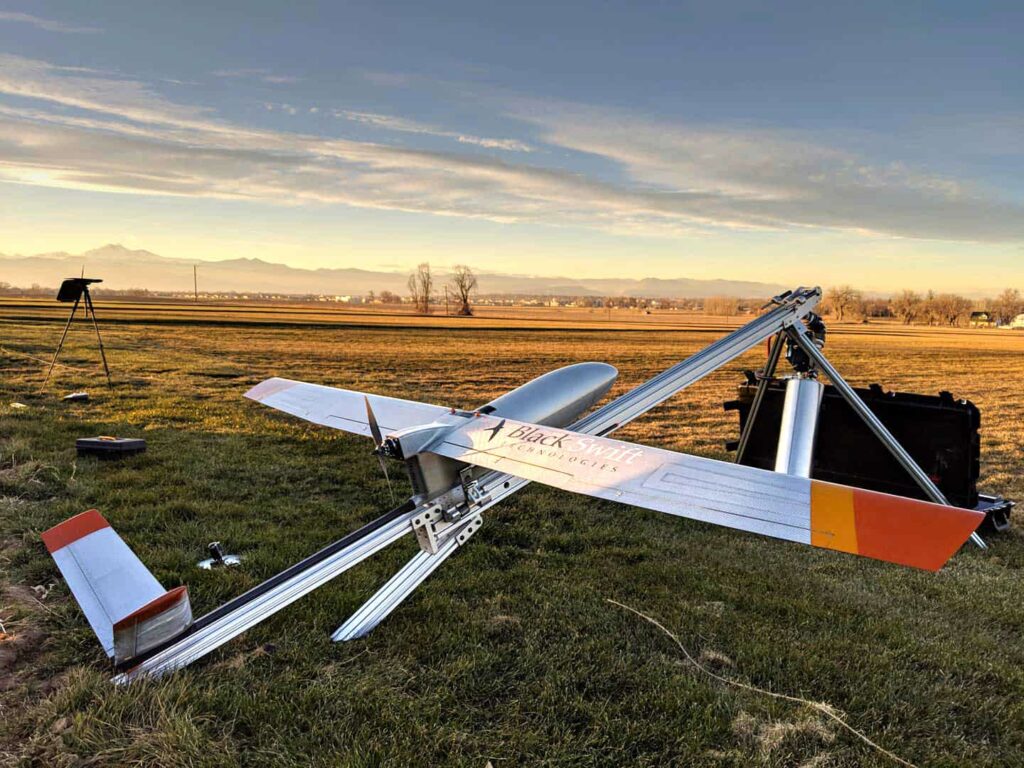

Black Swift Technologies (BST), a developer of Unmanned Aerial Systems (UAS) for flying scientific payloads, discusses its 2025 missions, including hurricane reconnaissance, volcanic plume monitoring, and hands-on UAS training for researchers around the world. Read more >>
BST conducted missions in extreme environments using its UAS, including flights into Hurricane Melissa and over volcanic plumes in Costa Rica. The UAS collected continuous, high-resolution data that helped researchers study storms, volcanic activity, and other environmental conditions in areas that are difficult or dangerous for people to access. These missions provided researchers with insights to protect communities and save lives.
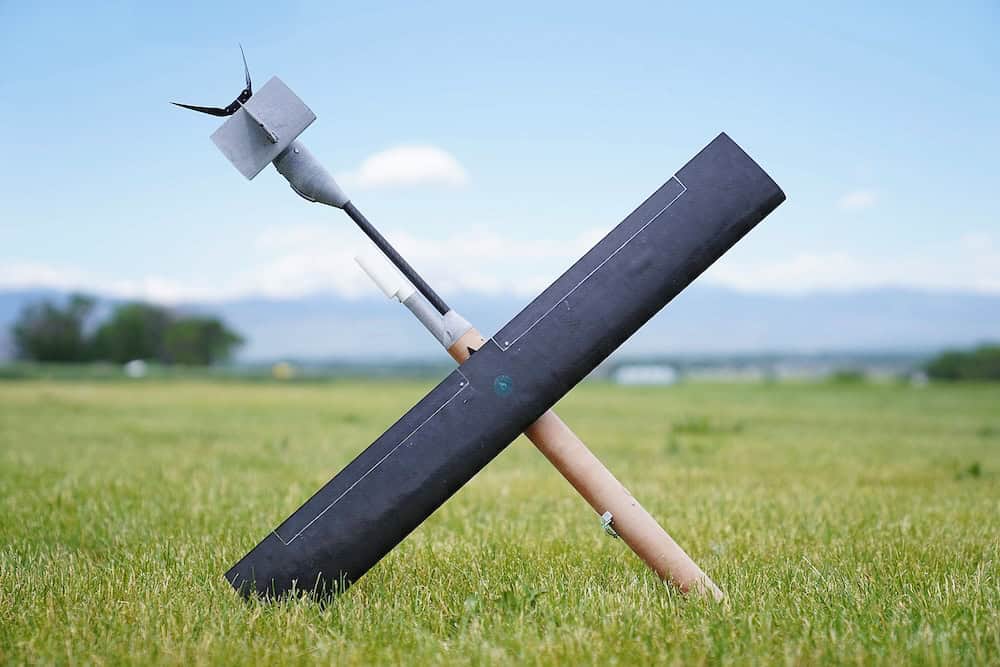
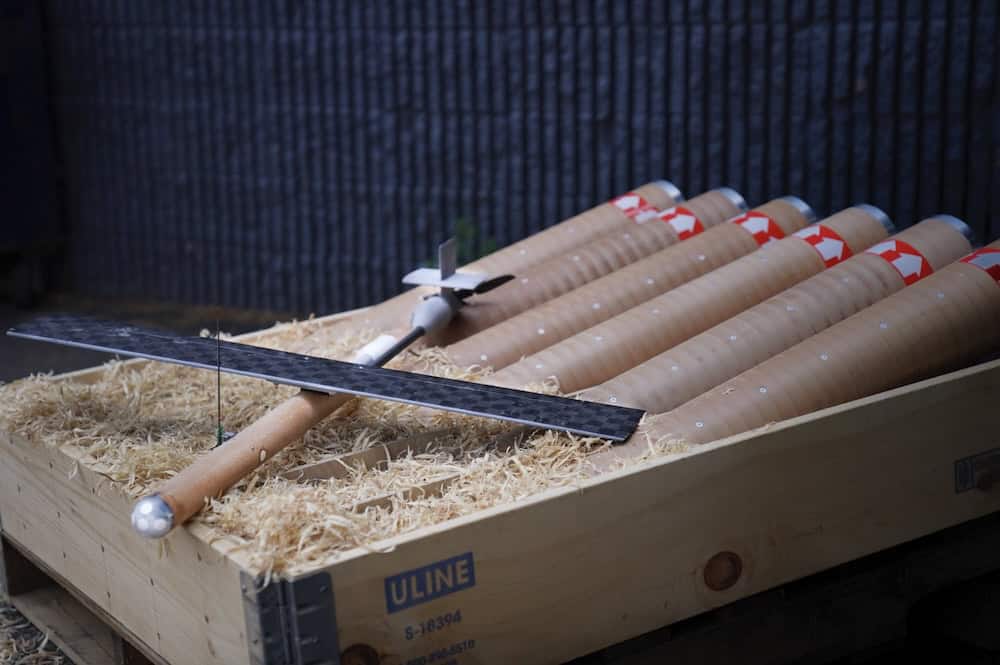
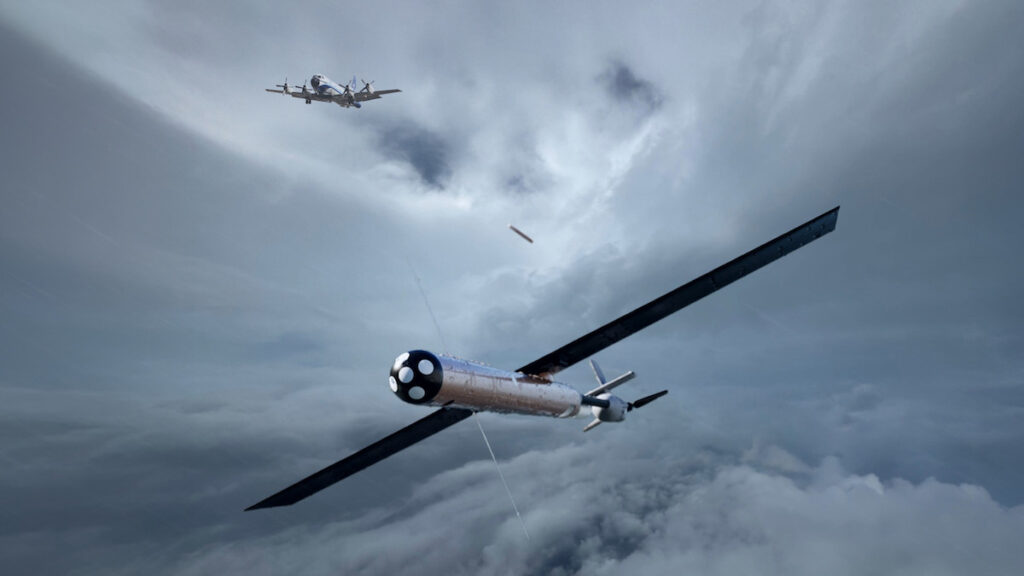
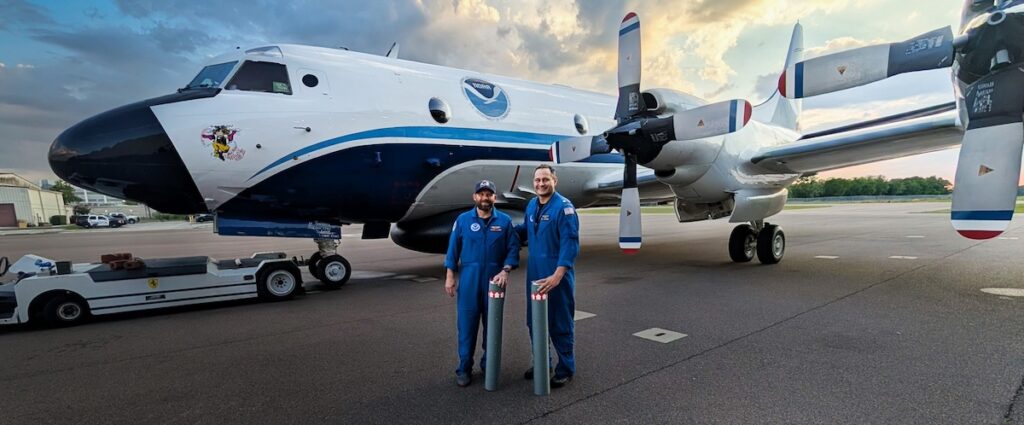
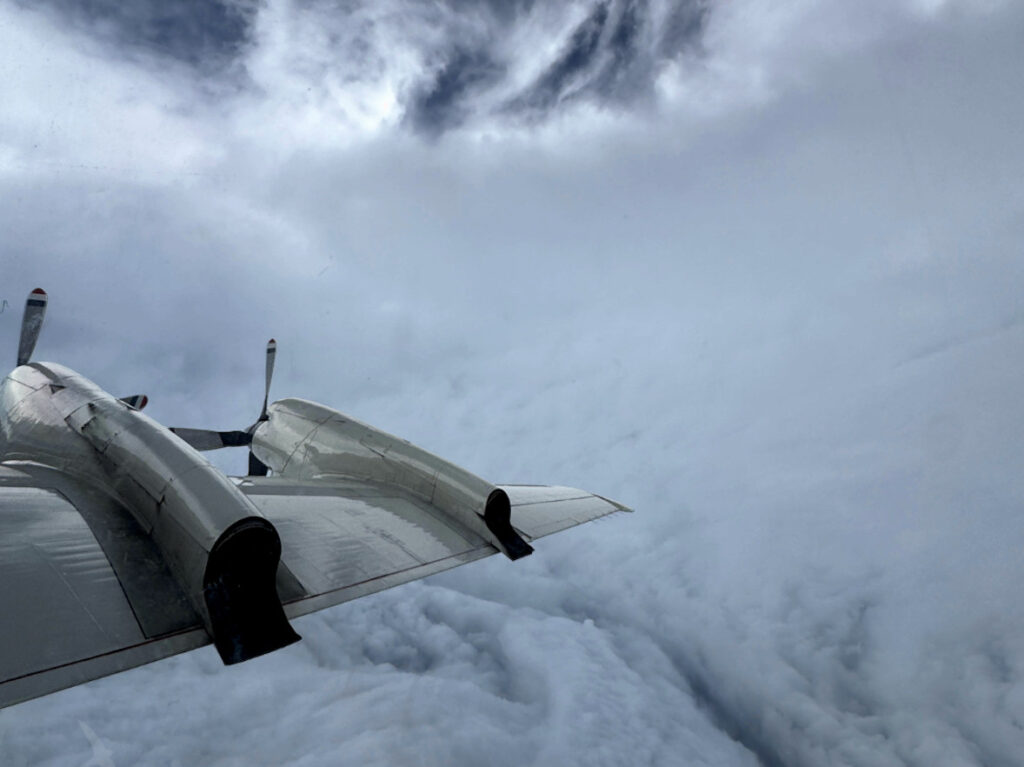
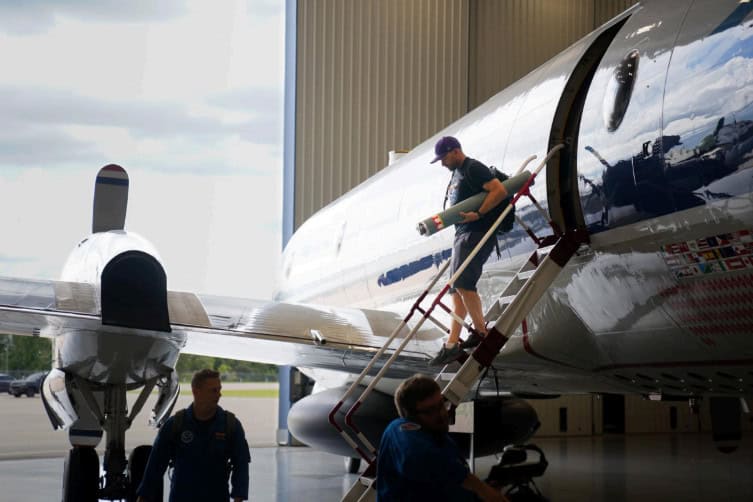
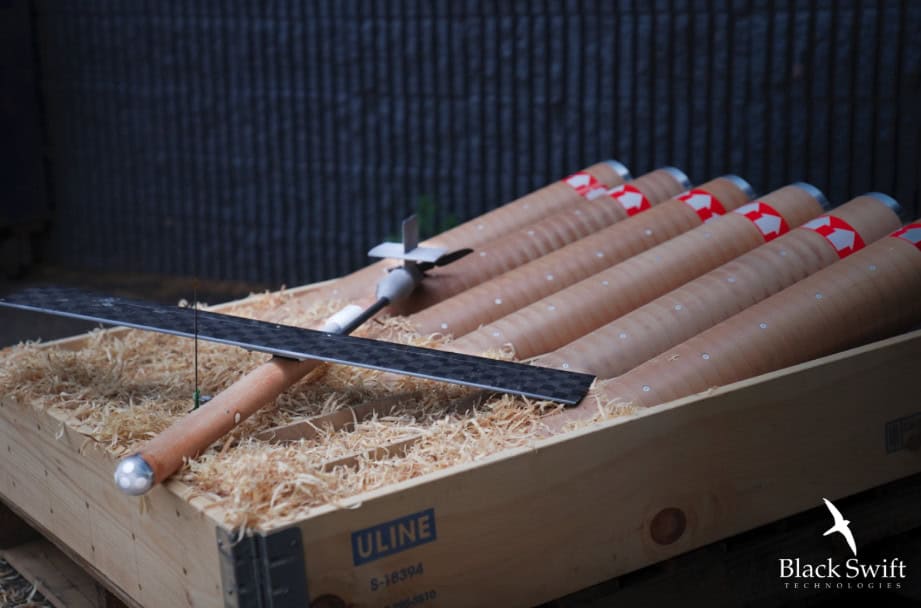
During Hurricane Melissa, BST’s autonomous S0 UAS set new records for storm observation. Twelve S0 drones were launched from NOAA’s WP-3D Orion aircraft, with one mission achieving 120 minutes of continuous flight inside a Category 5 hurricane, surpassing its previous Guinness-recognized record.
Operating just 20 feet above the ocean in 185-mph winds, the S0 conducted 500-meter circumnavigations of the eyewall, streaming real-time wind, pressure, and thermodynamic data to the National Hurricane Center. For the first time, an onboard camera allowed continuous video footage of a tropical cyclone, providing both visual and quantitative observations that fill critical gaps in hurricane science.
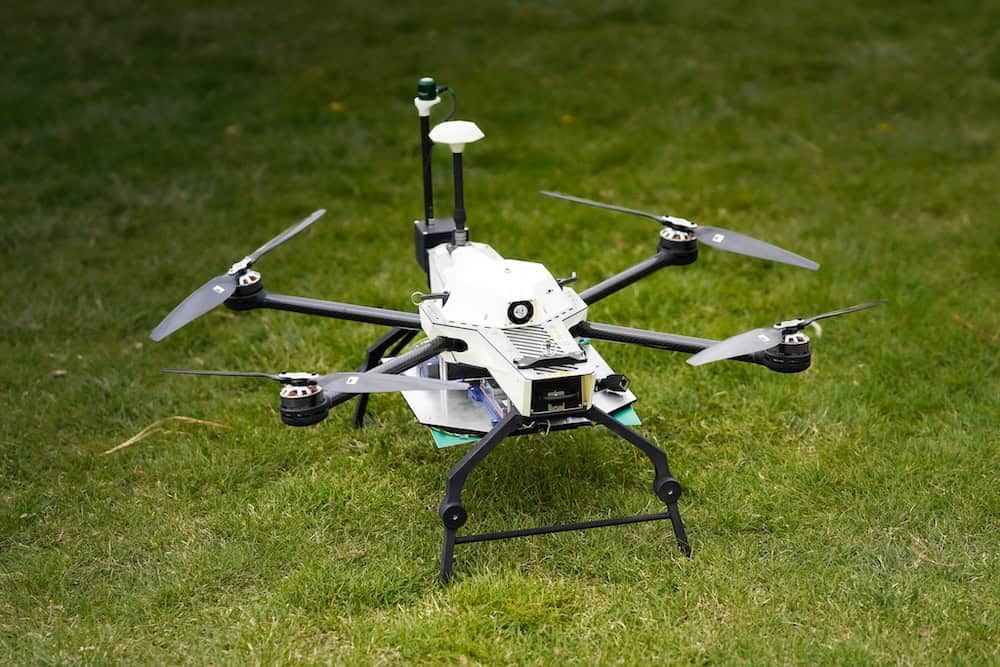
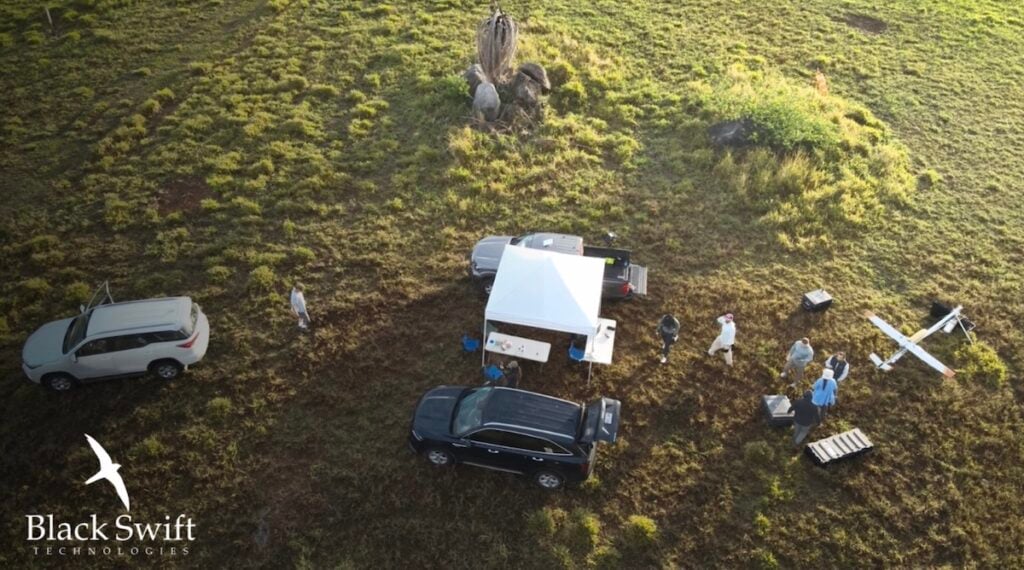
BST also advanced volcanic and ecological research through Project CRATER in Costa Rica. Operating in the rugged terrain of Rincón de la Vieja, the S2 UAS navigated extreme volcanic plumes and collected high-resolution data on gas emissions, thermal activity, and vegetation stress. A new ground-station handoff procedure extended the aircraft’s operational range, while local scientists and students were trained to operate the UAS independently, creating a sustainable model for long-term monitoring.
Throughout 2025, BST emphasized education and collaboration, providing hands-on UAS training to teams at NASA, the Barbados Meteorological Service, and leading universities, as well as partnering with academic and research institutions. Their work was recognized across the industry, earning awards and media coverage, and demonstrated the durability and reliability of BST’s UAS in extreme environments.
To find out more information, read ‘2025 Year In Review’ here >>