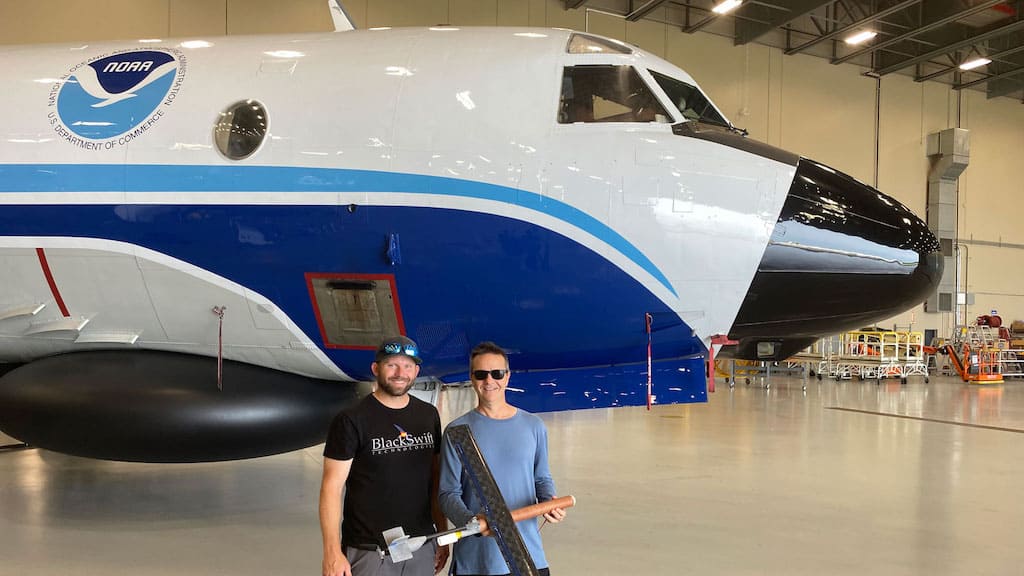
NOAA’s Hurricane Hunters, in partnership with Black Swift Technologies, have achieved a historic milestone by capturing the first continuous, high-resolution atmospheric data and video footage from inside the eye of a Category 5 hurricane.
The mission, conducted during Hurricane Melissa, marks a major advance in severe weather research, with early projections indicating up to a 20% improvement in hurricane forecast accuracy.
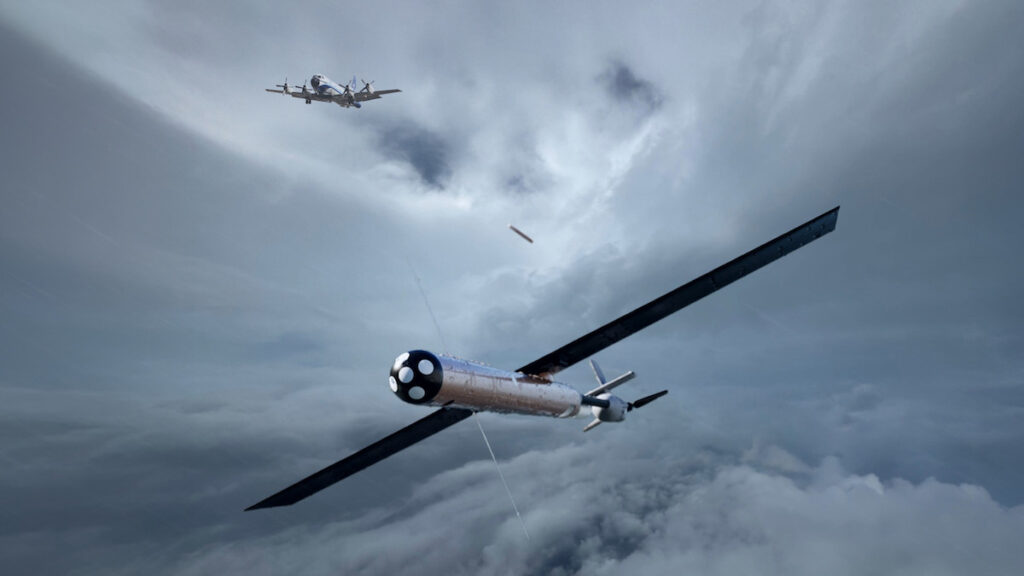
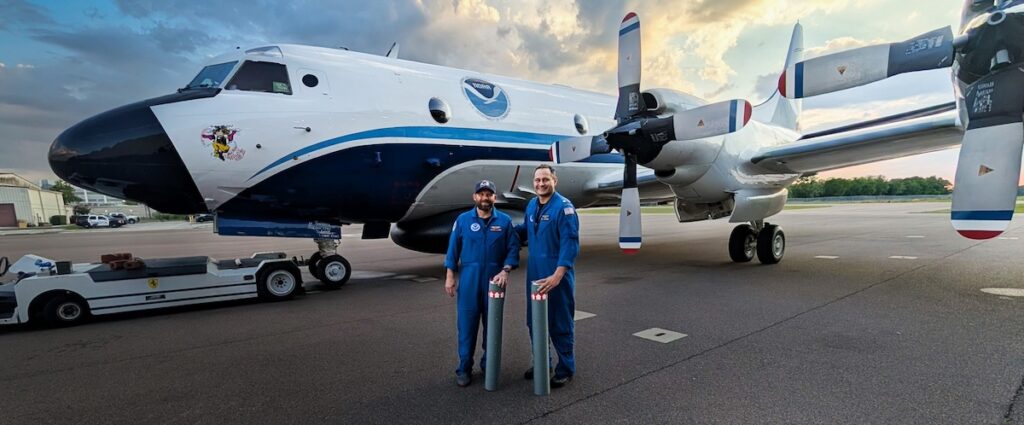
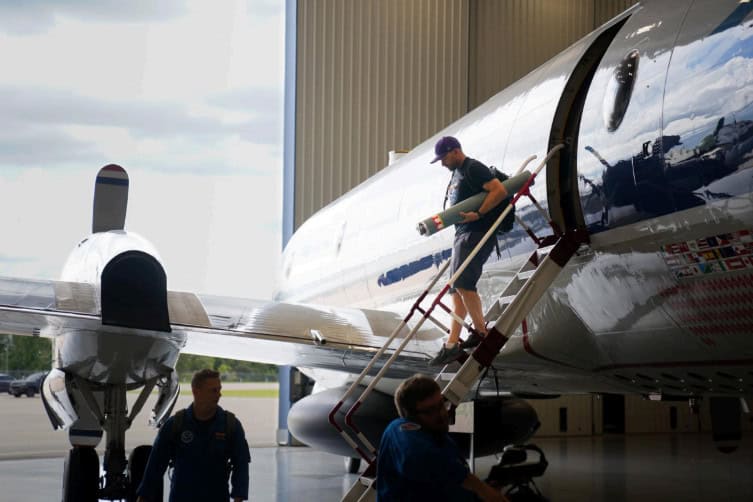
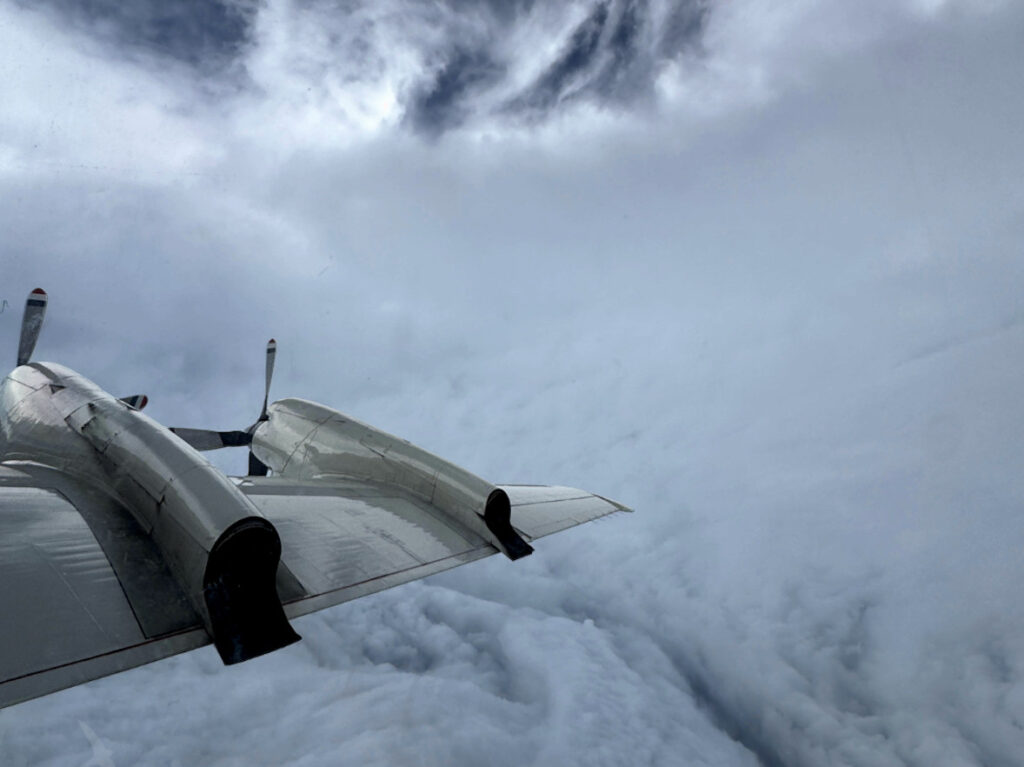
Flying aboard a NOAA WP-3D Orion aircraft, the team documented Melissa’s full lifecycle, including its record-tying 185mph sustained winds at landfall and a preliminary 252mph wind measurement via dropsonde. The first-of-its-kind footage shows the aircraft battling extreme turbulence before entering the calm of the storm’s eye, revealing the towering “stadium effect” of the eyewall.
A Black Swift engineer said, “Developing a tool that can collect this critical data in a way that no other system can, and that has the side effect of reducing the risks associated with flying these storms, brings significant meaning to this work.”

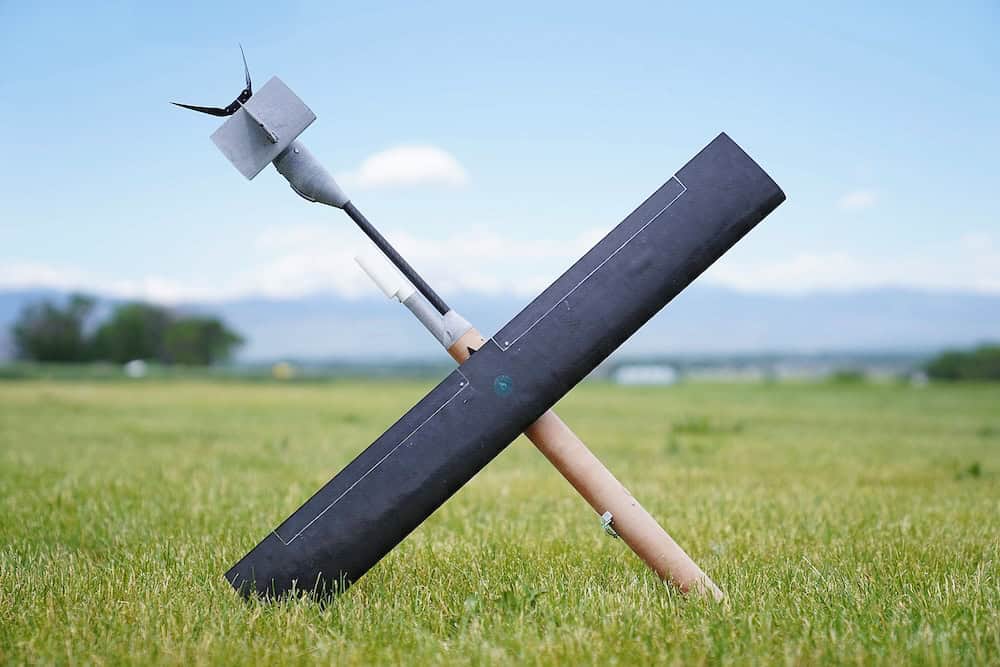
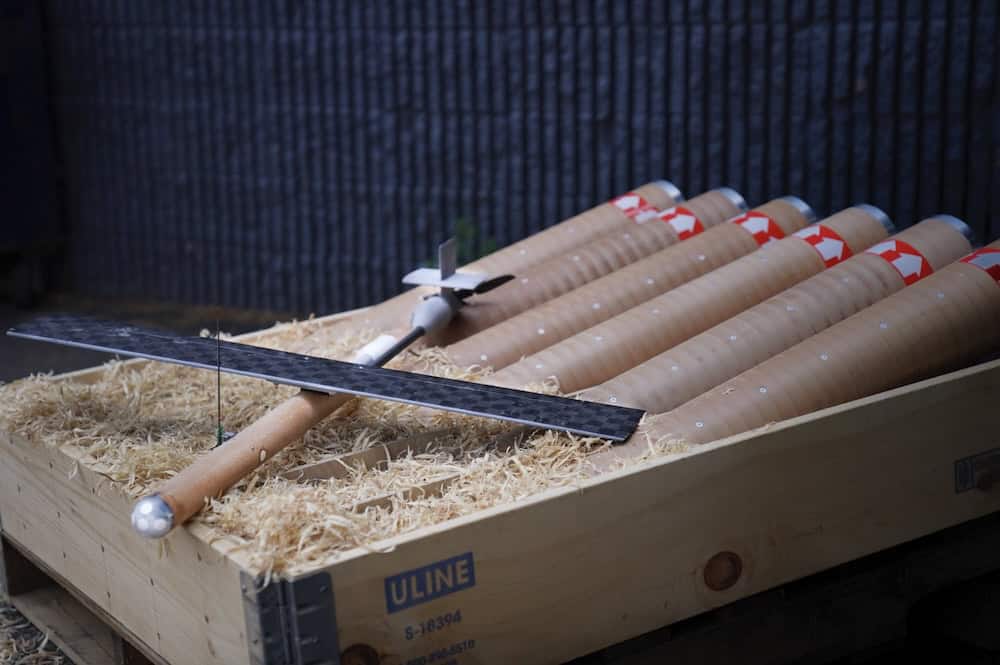
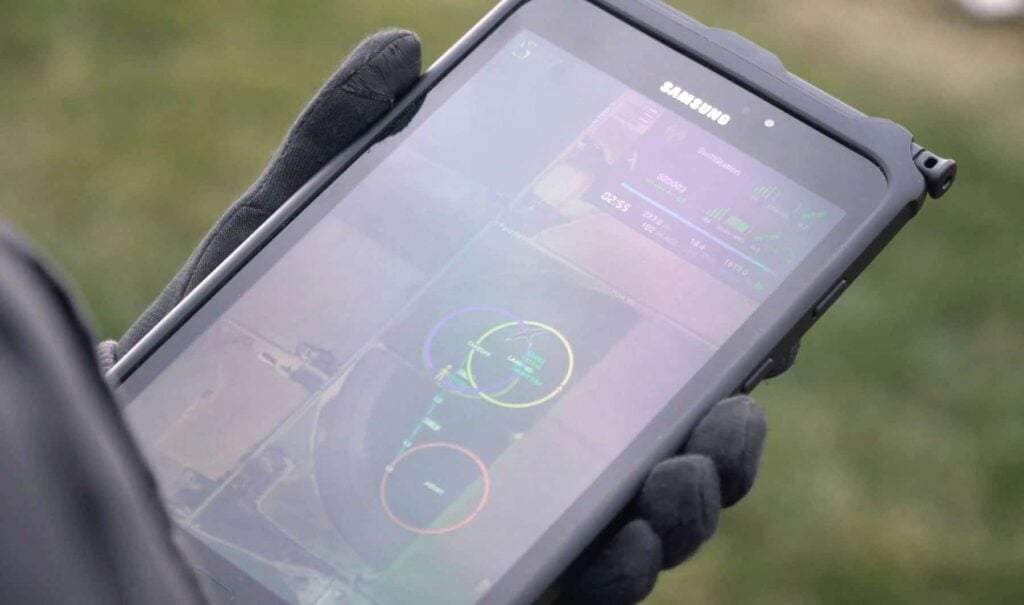
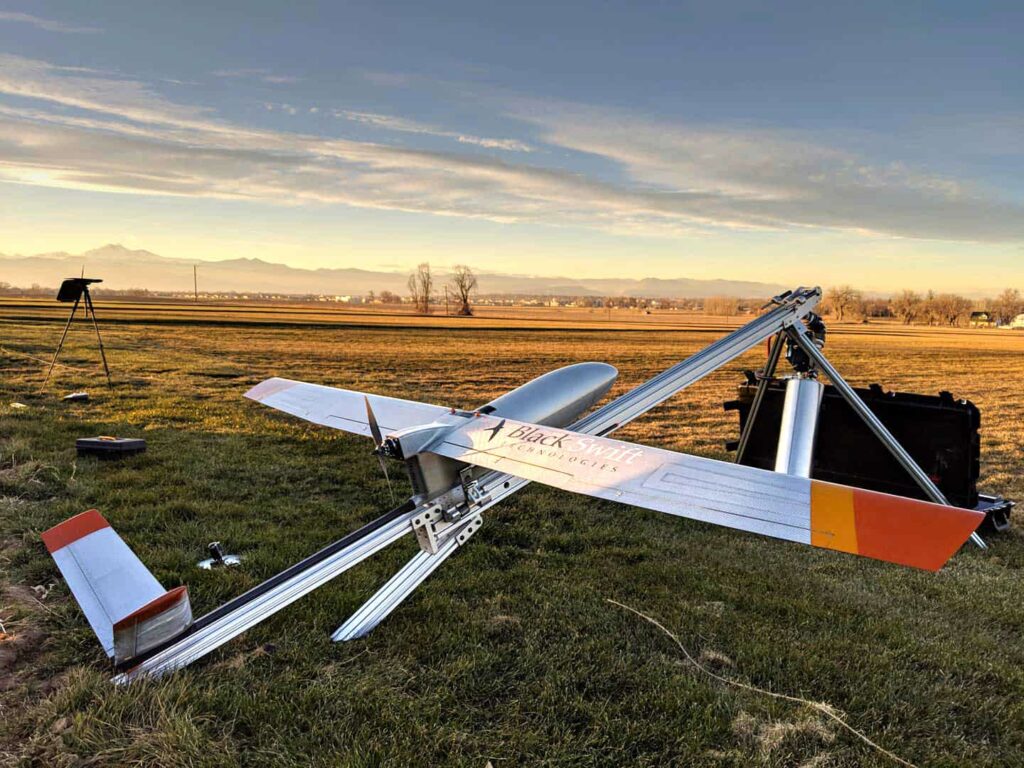
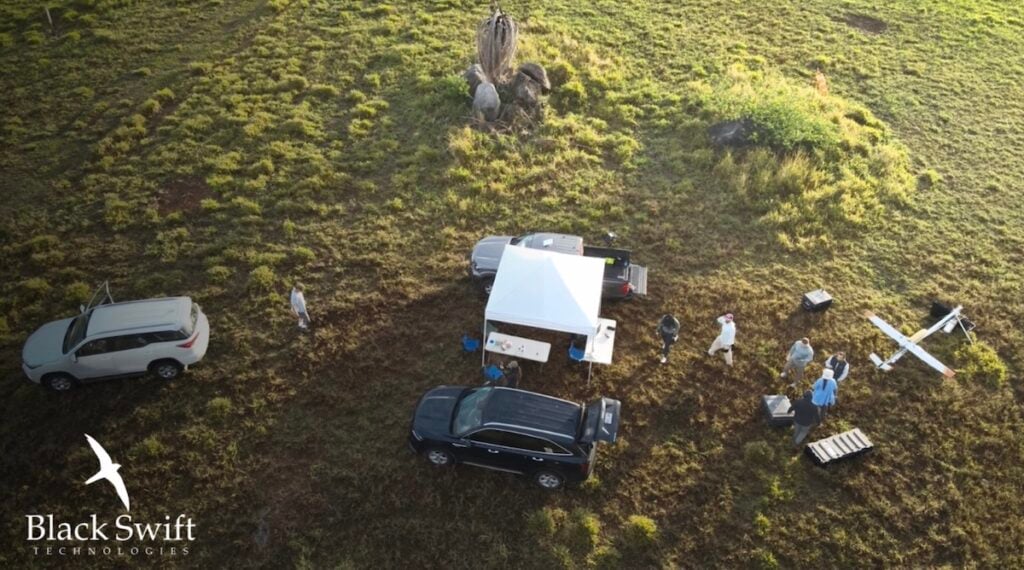
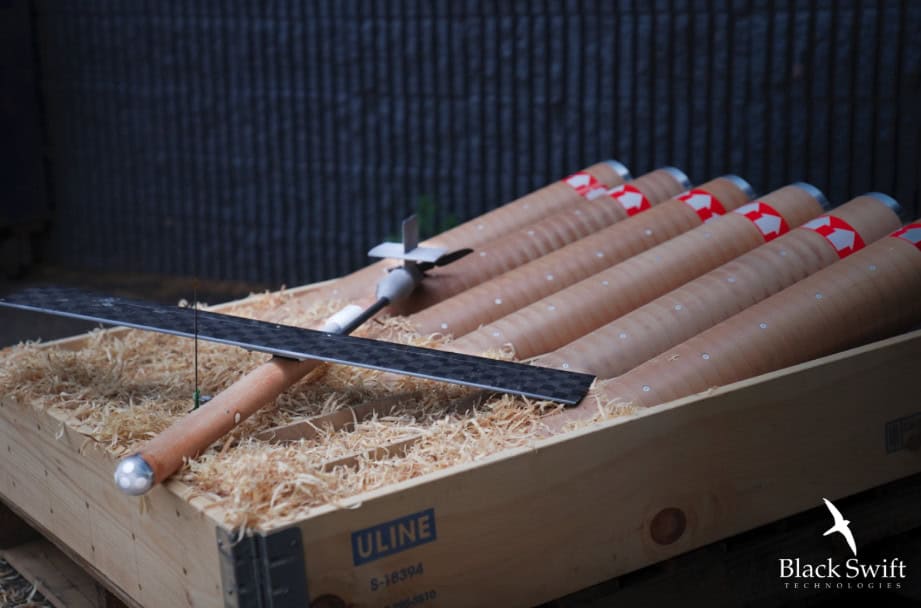
At the core of the mission was the Black Swift S0 Uncrewed Aircraft System (UAS), a compact, tube-launched drone engineered to sample the hurricane’s Boundary Layer, the most dangerous and least understood region near the ocean surface. Deployed directly into the eyewall, the S0 autonomously descended to altitudes as low as 20 feet above the sea, collecting real-time data on 3D wind vectors, pressure, temperature, humidity, and sea surface temperature.
Across six missions, the S0 became the first UAS to monitor a tropical cyclone’s full evolution, from tropical storm to Category 5 intensity, delivering unprecedented insights into rapid intensification processes. These data are now being assimilated into NOAA’s models, promising more accurate forecasts and earlier warnings to safeguard lives and property.