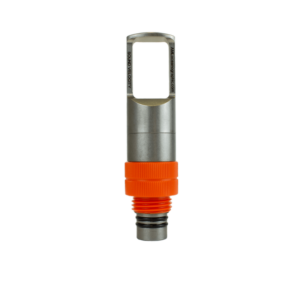
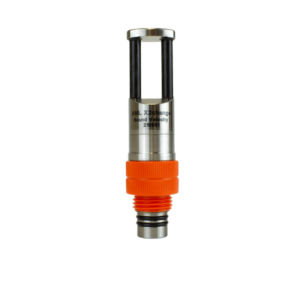
Sound Velocity Profilers (SVP) measure or derive the speed of sound through the water column to support accurate sonar, hydrographic, and subsea acoustic measurements. Systems range from compact sound velocity sensors for AUVs, ROVs, underwater gliders, and USVs to portable, free-fall, vessel-deployed, and fixed instruments.
This category showcases leading suppliers of sound velocity sensors and profilers, supporting echosounder correction, seafloor mapping, acoustic positioning, environmental surveys, and water column analysis.
If you design, build or supply Sound Velocity Profilers, create a profile to showcase your capabilities and connect with visitors who have an active requirement for your solutions.
The Comprehensive Guide to Sound Velocity Profilers for ROV, AUV & UUV Systems
Overview by
William Mackenzie
Updated:
Introduction to Sound Velocity Profilers
Sound Velocity Profilers (SVPs) measure or derive the speed of sound through the water column, providing data that can be used to improve the accuracy of hydrographic, oceanographic, and subsea acoustic systems. Because sound speed changes with temperature, salinity, and pressure, an accurate sound velocity profile is important wherever sonar measurements depend on the propagation of acoustic energy through seawater.
A sound velocity profiler, commonly referred to as an SVP, may measure sound speed directly or calculate it from measured parameters such as temperature, conductivity, and pressure, with salinity derived from conductivity. Modern SVP technology ranges from compact sensors on autonomous platforms to portable probes and vessel-deployed profiling systems. The appropriate configuration depends on survey depth, required accuracy, deployment method, sampling rate, calibration requirements, and the acoustic equipment supported.
Types of Sound Velocity Profilers
Profilers for AUVs and Underwater Gliders
Autonomous Underwater Vehicles (AUVs) and underwater gliders can carry compact SVP sensors to collect sound velocity data as part of a mission. Integrating a sound velocity sensor directly with an autonomous platform can increase the spatial coverage of environmental measurements and reduce dependence on vessel-based casts. Size, weight, power consumption, sampling rate, depth rating, sensor accuracy, and data interface are particularly important when selecting instrumentation for an AUV or glider.
SV Sensors for ROVs
Remotely Operated Vehicles (ROVs) may use integrated sound velocity probes to characterize local acoustic conditions during inspection, intervention, construction, and survey operations. Measurements collected close to the vehicle can support sonar systems around subsea infrastructure. ROV integration may also enable sound velocity data to be transmitted to the surface through the vehicle’s communications link for monitoring, recording, or processing.
Surface Vessel and USV Sound Velocity Systems
Crewed survey vessels and Unmanned Surface Vehicles (USVs) can support both profiling equipment and continuously operating sound velocity meters. Surface-mounted sensors measure conditions at the sonar head, while deployable profilers capture variations throughout the water column. On USVs, automated deployment and data transfer can allow SVP measurements to become part of a wider autonomous hydrographic workflow.
Handheld and Portable SVPs
Portable SVPs are designed for field operations where equipment must be transported easily and deployed from small boats, docks, coastal sites, or larger survey vessels. These instruments typically combine depth measurement with direct sound velocity or other environmental sensors. A portable sound velocity probe can be useful for repeated manual casts and for survey teams operating across multiple locations. Calibration status, sensor condition, and a controlled descent rate are important to obtaining a representative profile.
Deployable and Free-Fall Sound Velocity Profilers
Deployable SVPs are lowered or allowed to descend through the water column while recording measurements at successive depths. Free-fall systems can accelerate repeated casts, although deployment and recovery methods vary by system. Rapid profiling can be particularly valuable during hydrographic operations in areas where stratification, freshwater input, tidal exchange, or changing temperature conditions cause the SVP of water to vary significantly over time.
Fixed and Permanently Installed SV Sensors
Fixed sound velocity sensors provide repeated or continuous measurements at a specific location. They may be installed on sonar heads, vessel hulls, subsea structures, monitoring stations, or long-duration oceanographic platforms. Unlike a full-depth profiler, a fixed sound velocity sensor measures conditions at one point, so these instruments are often used alongside periodic water column profiles when vertical sound speed variation is significant.
Applications of Sound Velocity Profilers
Hydrographic Surveying and Echosounder Corrections
Hydrographic surveying is one of the principal applications for sound velocity profiling. Multibeam and single-beam echosounders determine depth using acoustic travel time, making accurate knowledge of sound speed essential for converting travel time into distance. For multibeam systems in particular, changes in sound speed through the water column can refract acoustic beams and alter the calculated position of seafloor soundings. SVP data allows survey software to compensate for these ray-path effects and contributes to more reliable bathymetric results.
A near-surface sound velocity meter may also provide measurements around the transducer that support beam steering and initial acoustic calculations. Full water column profiles remain important because surface conditions alone cannot describe deeper thermoclines or other vertical gradients. Profiles should also be time-stamped, positioned, quality checked, and associated with the appropriate survey data.
Seafloor Mapping and Marine Surveying
Sound velocity profilers support seafloor mapping across coastal, offshore, harbor, and inland-water environments. Accurate profile data can improve sonar measurements used to map seabed morphology, navigation channels, dredged areas, construction sites, and offshore infrastructure corridors. Surveyors may collect profiles at planned intervals or in response to changing environmental conditions encountered during operations.
For offshore energy and marine construction projects, reliable sound velocity information is particularly important when repeat surveys must be compared or when acoustic measurements are integrated with high-accuracy positioning systems. Appropriate profiling helps distinguish genuine seabed features from artifacts caused by variations in acoustic propagation.
Oceanographic, Environmental, and Subsea Surveys
Ocean scientists use sound velocity data both to support acoustic instruments and to characterize the physical structure of the water column. Changes in temperature, salinity, and pressure influence the SVP of water and may indicate distinct layers, mixing processes, freshwater influence, or other environmental conditions. Where sound speed is calculated rather than measured directly, the accuracy and calibration of the underlying sensors affect the resulting profile.
Sound velocity probes can also support subsea inspection and monitoring operations involving imaging sonar, acoustic positioning, and related instruments. For infrastructure surveys, this information can help maintain consistency between observations collected at different depths, locations, or times.
Water Column Variability and Sound Velocity Profiling
Sound speed is not constant throughout the ocean. Temperature, salinity, and pressure vary with depth and location, producing sound velocity gradients that can bend acoustic paths through refraction. A single profile may therefore become less representative as a vessel moves into a different water mass or as tidal and weather conditions alter the local environment.
Profile frequency should reflect survey accuracy requirements and the rate of environmental change. Strong thermoclines, river outflow, estuarine mixing, and seasonal heating can make additional casts necessary. SVP software can assist with reviewing profiles, identifying unusual readings, managing datasets, and applying the appropriate profiles during acoustic data processing. Quality control should also consider sensor drift, fouling, pressure offsets, and unrealistic gradients.
Emerging Developments in Sound Velocity Profiling
SVP technology increasingly focuses on automation, integration, and environmental measurements during unmanned and high-efficiency survey operations. Several areas are relevant to future sound velocity profiling systems:
Real-time environmental correction: Closer integration between SVP software, sonar systems, and survey platforms can allow recently acquired sound velocity measurements to be incorporated more rapidly into survey workflows.
Compact sensors: Smaller, lower-power sound velocity sensors make it easier to integrate measurement capability into compact AUVs, USVs, underwater gliders, and other space-constrained subsea platforms.
Adaptive profiling: Autonomous survey systems may use environmental observations to adjust when or where profiles are collected, helping operators respond to changing water column conditions without relying entirely on fixed profiling intervals.
Improved sensor networking: Measurements gathered by several vehicles or fixed instruments can provide a broader picture of spatial and temporal sound velocity variation than a single profiling location.
These developments are expanding the role of the sound velocity profiler from a standalone instrument toward an integrated component of autonomous hydrographic and oceanographic systems.
Advancing Unmanned Systems Through Strategic Collaboration
UST works with major OEMs to foster collaboration and increase engagement with SMEs, to accelerate innovation and drive unmanned systems capabilities forward.