Knight Optical, a supplier of precision optical components for aerospace and unmanned platforms, outlines how international industry events are influencing innovation across these technologies through direct technical exchange.
 The company recently participated in Aerospace & Defense Meetings Torino in Italy, where these discussions focused on optical considerations for advanced sensing systems.
At an international level, these gatherings also allow designers to compare solutions shaped by different operational environments, from cold-weather deployments to high-temperature or maritime conditions. This perspective is particularly valuable in optical engineering, where performance, size and durability must be carefully balanced to meet platform constraints.
Optical Components
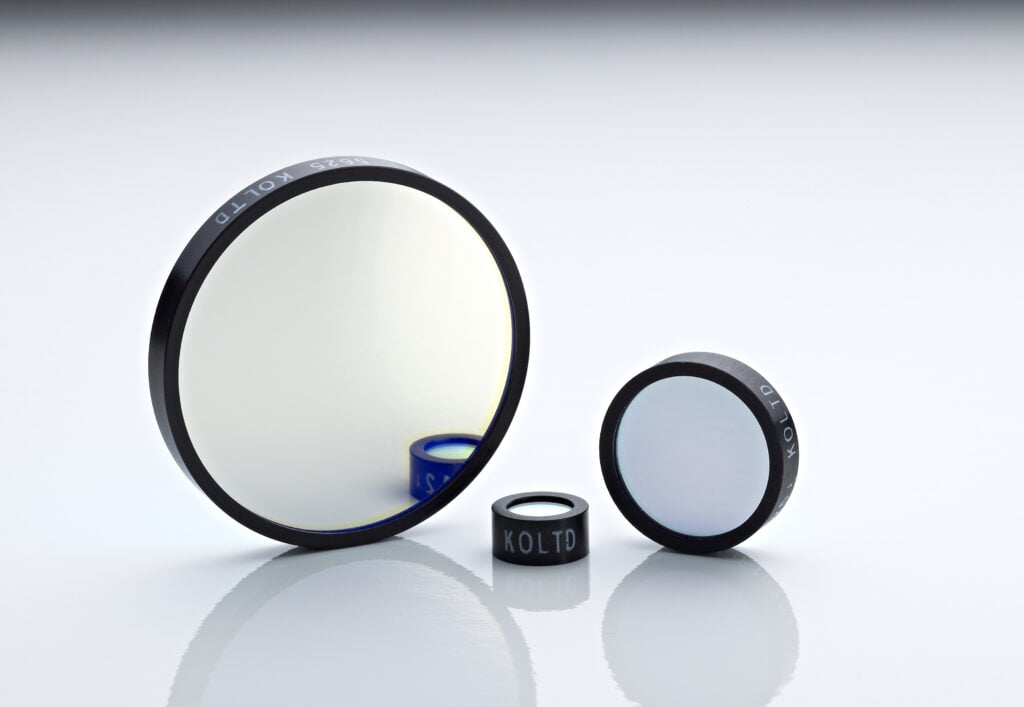
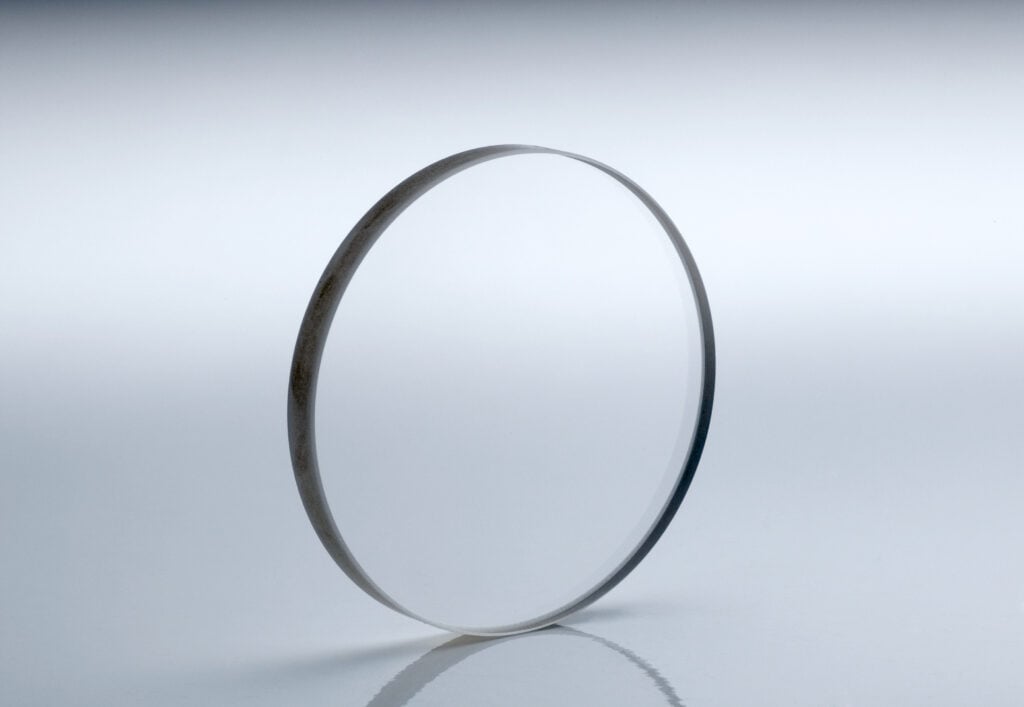
Optical technologies play a central role across unmanned aerial, ground and maritime systems, enabling applications such as electro-optical and infrared sensing, navigation, mapping, surveillance and target identification.
At Knight Optical, optical components discussed at previous industry events have progressed into real-world optical designs.
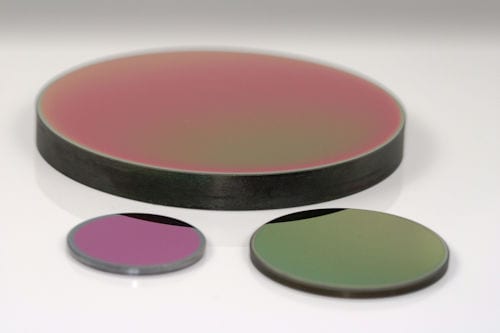
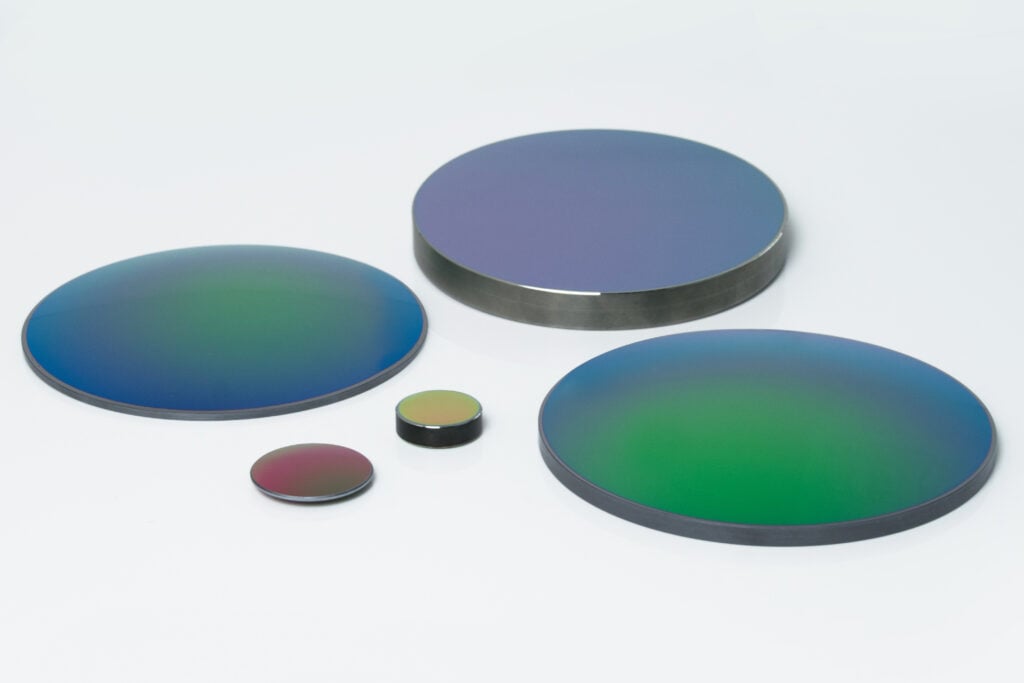
Infrared optics initially presented at trade shows have since been incorporated into next-generation night vision systems, while early-stage discussions around laser optics have evolved into production programmes for laser rangefinding applications. Technical conversations focused on optical coatings, including diamond-like carbon and hydrophobic layers, have also led to robust solutions designed to protect sensors operating in challenging environments.
Key 2025 Trends
Miniaturisation remains a key driver for Unmanned Aerial Systems (UAS), where payload weight directly affects endurance and mission success. This has increased demand for custom optical components with reduced mass, compact form factors and tightly controlled tolerances.
Advances in autonomy are also influencing optical requirements. Multispectral imaging systems combining ultraviolet, visible and infrared optics are increasingly integrated with AI and algorithms to support automated threat detection and situational awareness.
In parallel, LiDAR technology continues to evolve for applications such as tactical mapping, object identification and infrastructure management, relying on rugged, precision optical assemblies capable of maintaining performance under vibration and demanding environmental conditions.