FT Technologies explains why accurate wind data is mission-critical for uncrewed and autonomous platforms and how ultrasonic wind sensing overcomes key limitations of pitot-tube airspeed systems. Read more >>
Accurate wind data directly influences flight stability, navigation, station-keeping, energy efficiency, and overall system performance across uncrewed and autonomous vehicles. While pitot tubes remain widely used for measuring airspeed, their operating principles and physical design introduce challenges when deployed on autonomous platforms, particularly at low airspeeds (below 40 knots) and in harsh or remote environments.
A pitot tube airspeed system measures fluid flow speed by comparing stagnation pressure with static pressure. At lower airspeeds, this pressure differential becomes very small, making measurements increasingly susceptible to error and noise. Pitot systems are also vulnerable to clogging from dust, insects, salt, and debris, and to icing, which can lead to unreliable or lost airspeed data.
In addition, pitot tubes primarily measure forward airspeed. Deriving full wind vectors, including direction and crosswind components requires additional sensors or assumptions. Routine cleaning, calibration, and inspection further increase maintenance burden, especially for platforms that are difficult or costly to access.
These challenges do not negate the fundamental utility of pitot systems, which remain an important instrument in aviation. For remote and autonomous platforms, these drawbacks can make it useful to supplement pitot systems with additional sensing technologies.
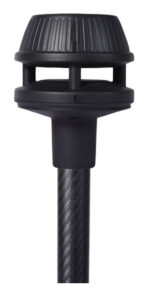
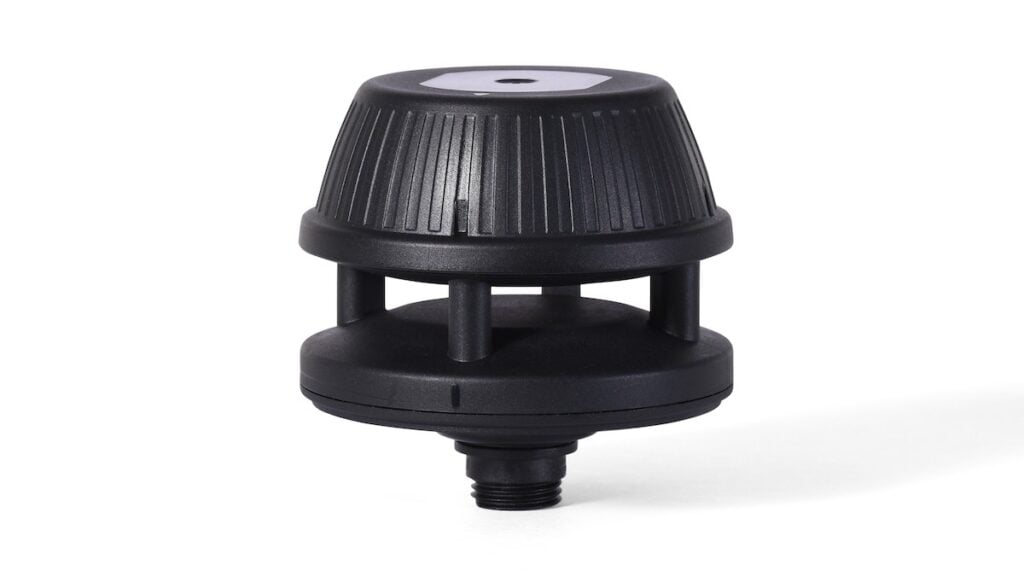
FT602 on a carbon tube.
Ultrasonic Wind Sensing for Modern UXVs
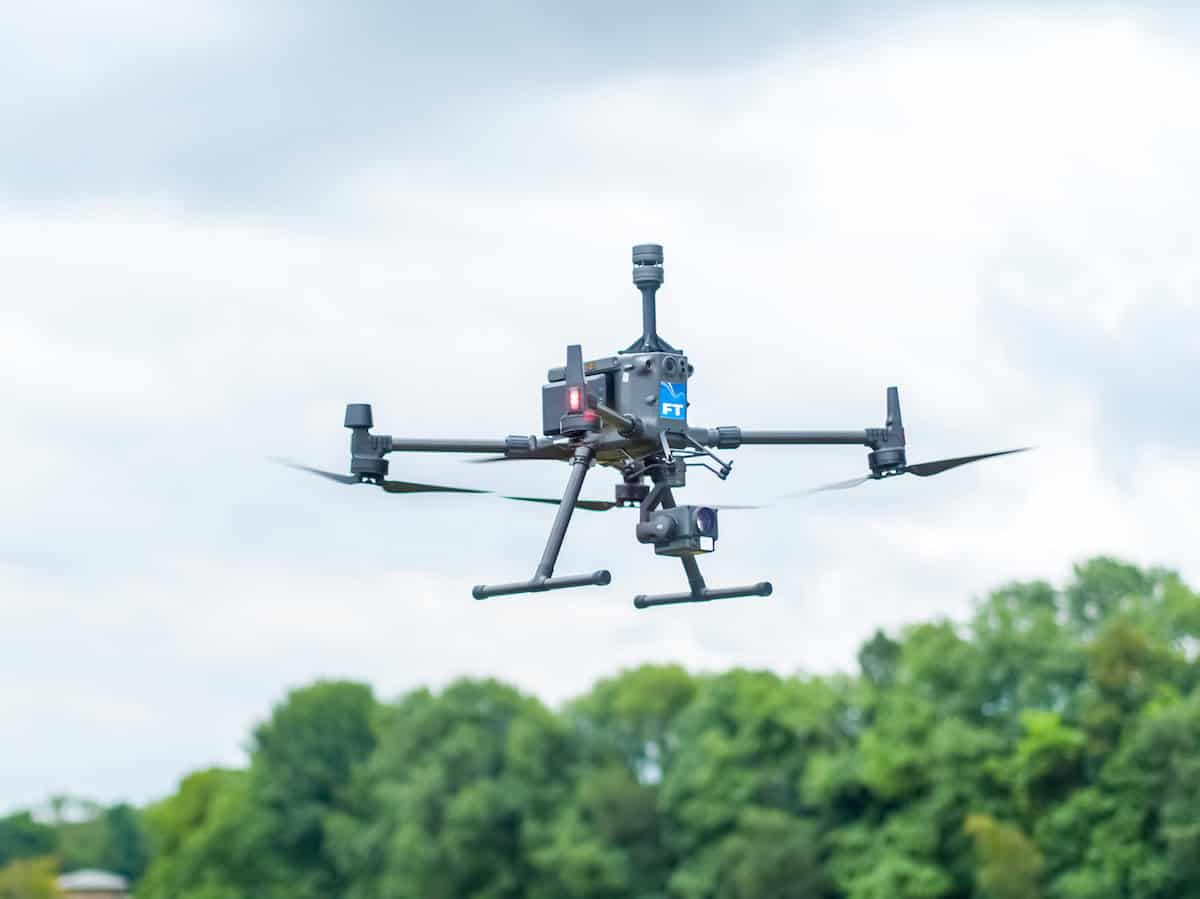
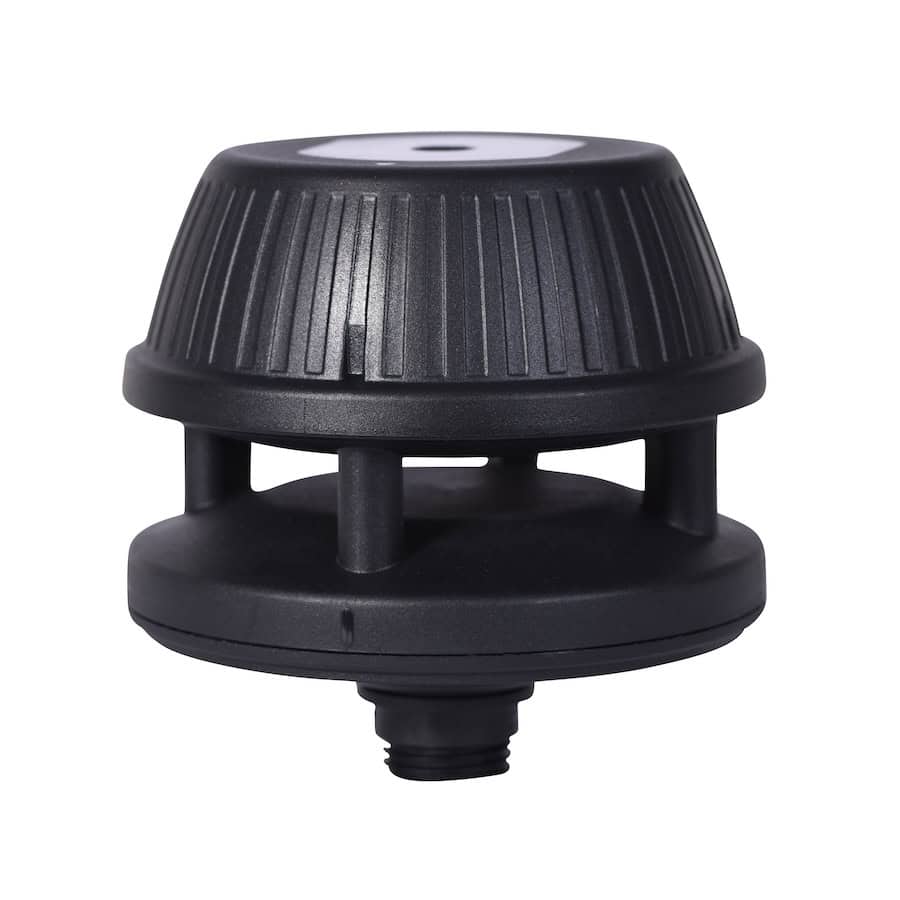
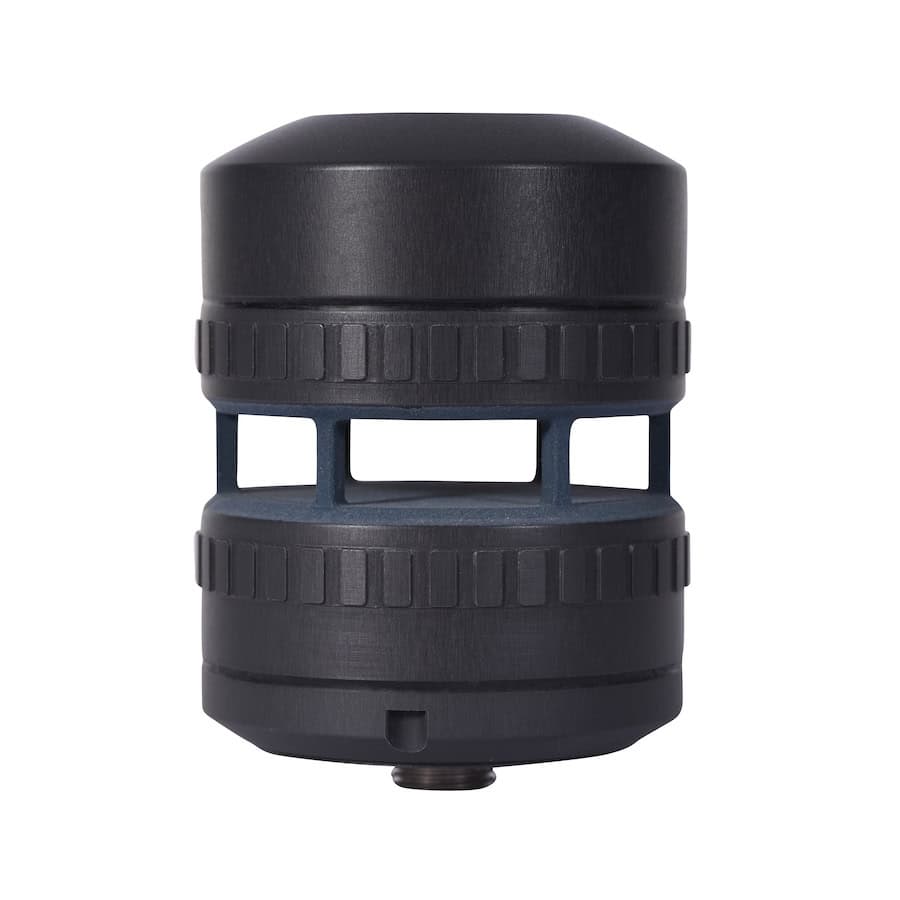
FT Technologies’ ultrasonic wind sensors use Acu-Res® technology to provide a solid-state, non-contact method of measuring wind speed and direction. This linear measurement approach maintains accuracy from 0 to 75 m/s (145 knots) and delivers fast response to gusts, even on highly vibrational and acoustically noisy platforms. With no moving parts and no exposed openings, the sensors are resistant to sand, rain, salt spray, and electromagnetic interference, while also being maintenance-free.
In addition to wind speed and direction, the sensors can output temperature, barometric pressure, and acceleration. Data is available via industry-standard interfaces including NMEA, CANbus, and RS422/485, enabling straightforward integration with autopilots, flight controllers, mission computers, and navigation systems. The sensors are qualified for extreme environmental operation, while maintaining low weight (170 g) and low typical power consumption (<30 mA).
Operational Benefits Across Autonomous Platforms
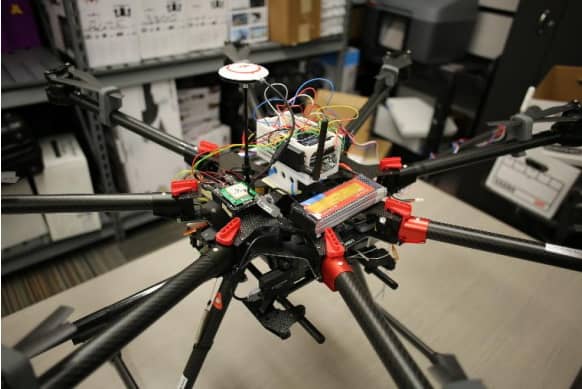
High-quality wind data improves flight control algorithms and autopilot stability, supports dynamic positioning control, and extends endurance for Unmanned Aerial Vehicles (UAVs) and fixed-wing drones, while 360-degree wind measurement provides instantaneous gust awareness.
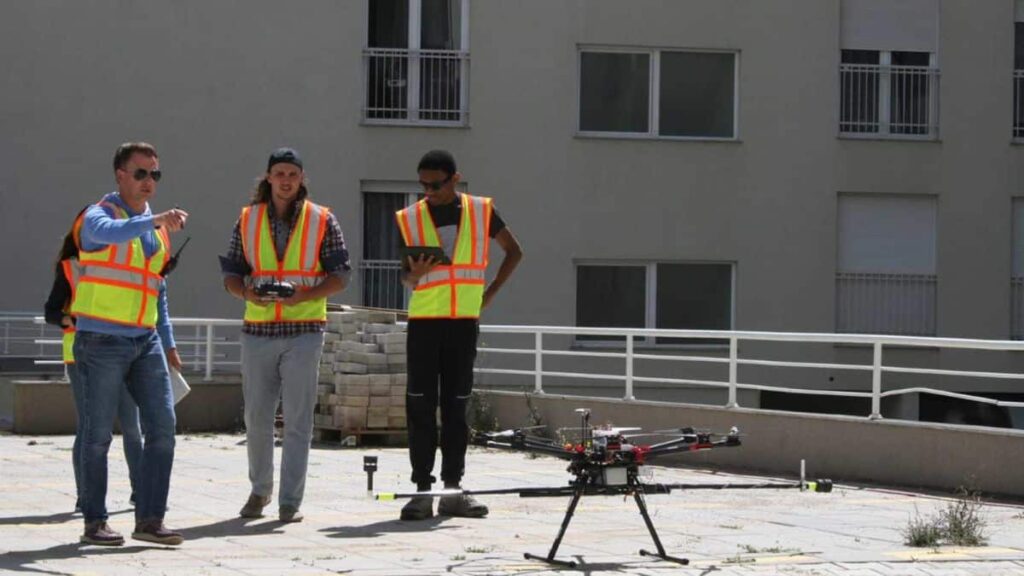
Real-time wind vectoring supports safer autonomous take-off and landing in crosswind conditions, improves navigation in GNSS-denied environments, and reduces positional drift during mapping, Intelligence, Surveillance, and Reconnaissance (ISR) and precision delivery missions.
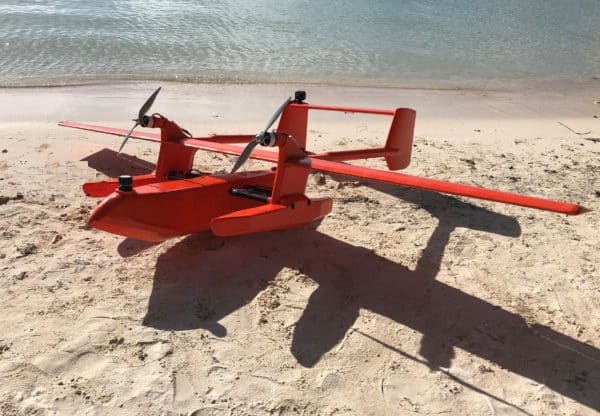
For Unmanned Surface Vehicles (USVs) and Autonomous Surface Vessels (ASVs), continuous wind feedback improves dynamic positioning accuracy and precise station-keeping, optimizes propulsion use for long-duration missions, and enhances navigation safety in gusty or high-current conditions.
Ground and hybrid platforms benefit from improved sensor fusion and trajectory planning when wind data is combined with GPS and an Inertial Navigation System (INS), supporting navigation in GNSS-denied environments and mission continuity in sandstorms, polar conditions, or heavy precipitation.
Pitot tubes remain an important airspeed instrument. However, for modern autonomous and uncrewed platforms operating at low speeds and in demanding conditions, ultrasonic wind sensors provide a more robust, informative, and maintenance-free approach to wind measurement.