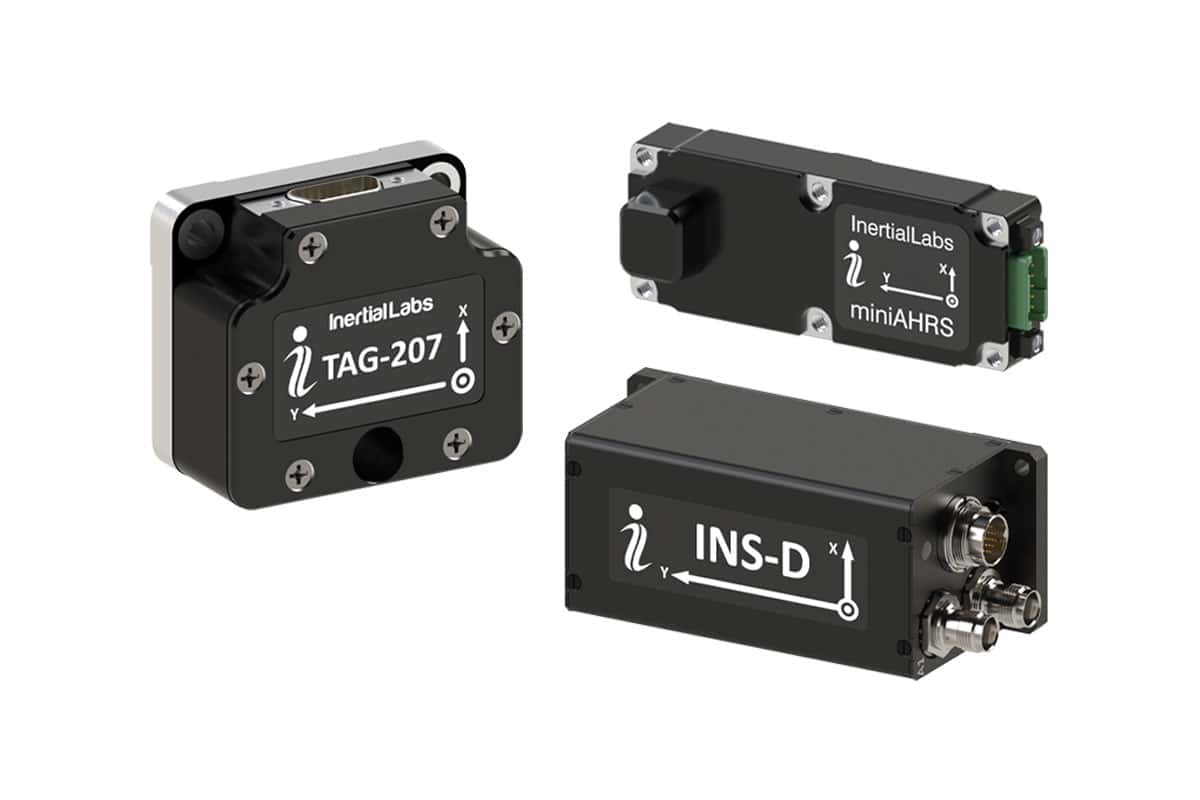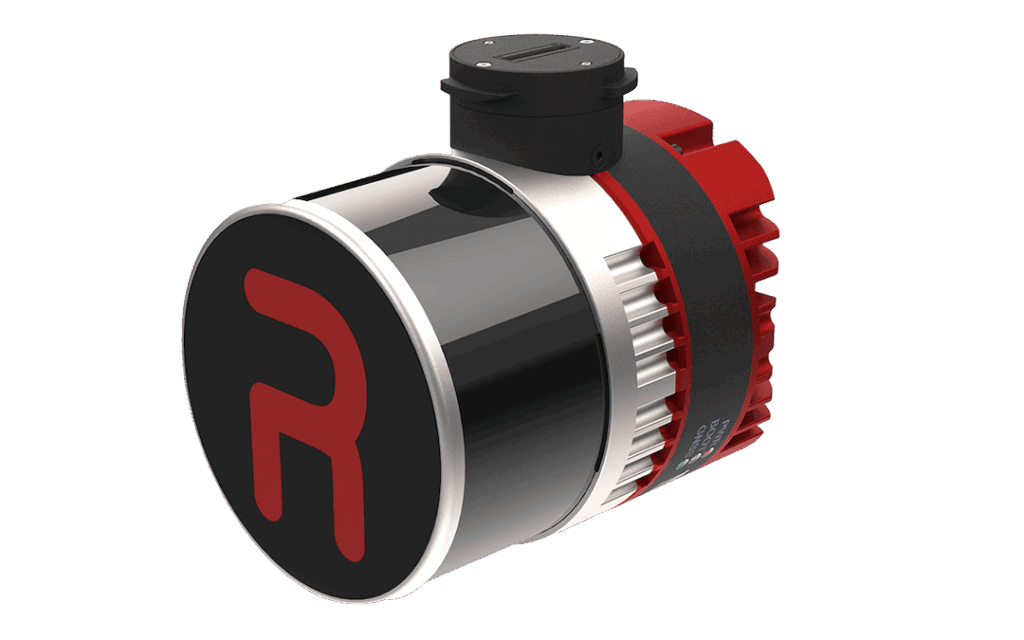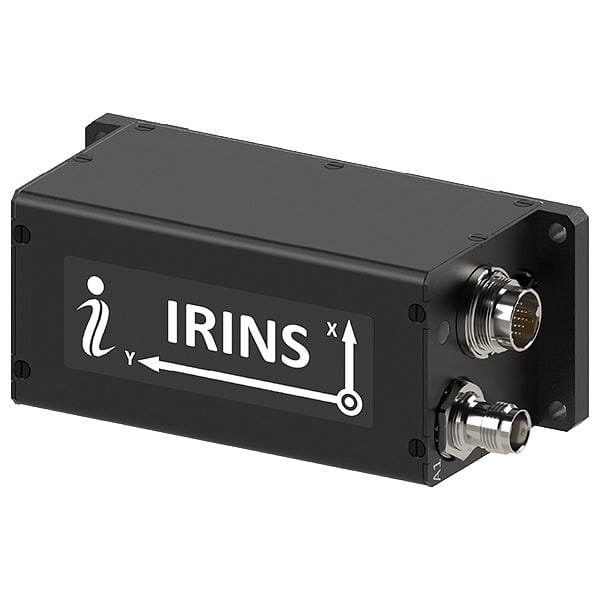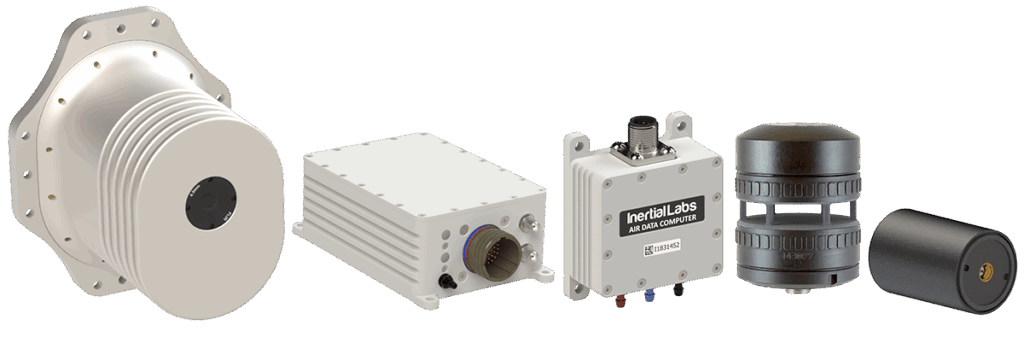
This whitepaper from Inertial Labs, a VIAVI Solutions company, details the integration of its Visual-Aided Inertial Navigation System (VINS) with Vantor™’s Raptor Guide™ vision-based positioning software to support accurate localization and navigation in GNSS-denied and degraded environments. Read more >>

The solution combines inertial measurement data with vision-based positioning inputs, including visual inertial odometry and map-matching, within a sensor fusion framework to support position estimation when satellite signals are unavailable.
The report presents results from eight flight tests conducted on a fixed-wing aircraft across varied terrain, including mountainous regions, rivers, and agricultural areas. During portions of these flights, GNSS inputs were disabled to evaluate system performance under denied conditions. Across all datasets, the system maintained stable and bounded position estimates, with a mean positional error of 12.20 meters RMS and half of the test flights reporting errors below 9 meters RMS. The system sustained performance across a range of altitudes and flight conditions, demonstrating consistent behavior throughout the evaluated scenarios.
Analysis of the GNSS-denied flight segments shows that position errors were typically constrained within ±20 to ±25 meters, with occasional larger deviations associated with reduced effectiveness of visual aiding sources. Across the test datasets, position estimates remained bounded, with error growth over distance remaining low, generally below 0.15% of total distance traveled. These results demonstrate consistent positioning performance in GNSS-denied conditions, supported by the combined use of vision-based positioning, visual inertial odometry, and inertial navigation.
Overall, the results demonstrate that integrating inertial navigation with vision-based positioning supports accurate positioning in GNSS-denied environments. The system maintained CEP50 values generally between 5 and 15 meters and CEP95 values typically within 15 to 25 meters over extended flight distances, demonstrating stable positioning performance without continuous GNSS availability.