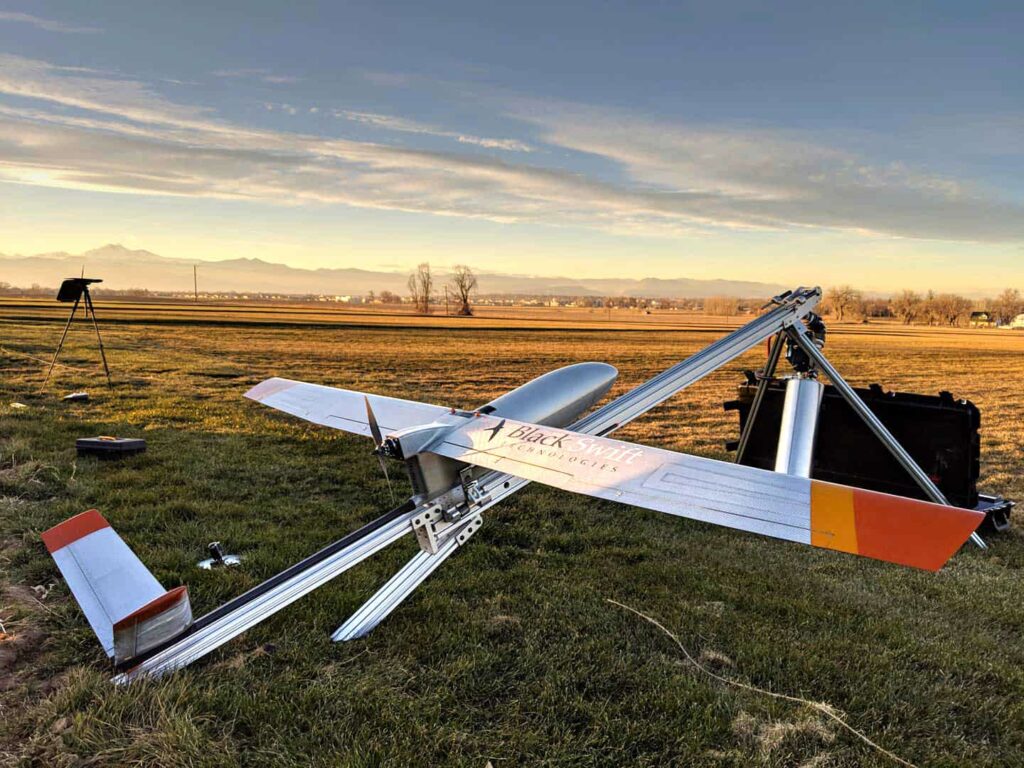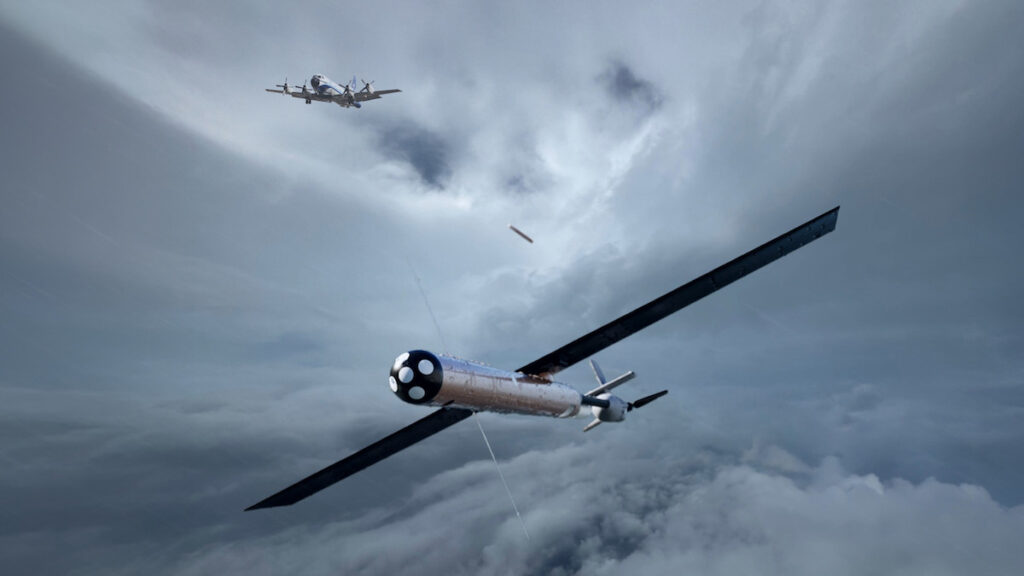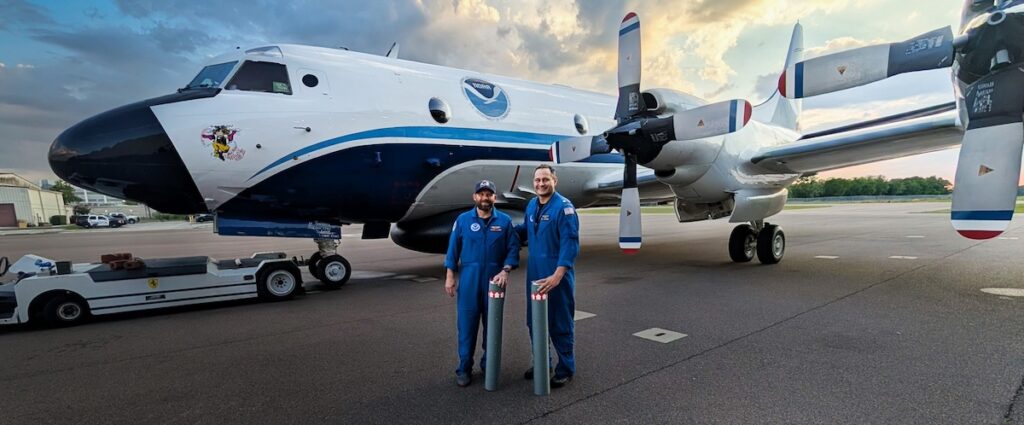

Black Swift Technologies (BST) provides a detailed overview of the CRATER mission at Poás, highlighting how intelligent planning, robust control, and advanced training enabled successful UAS operations in challenging volcanic environments.
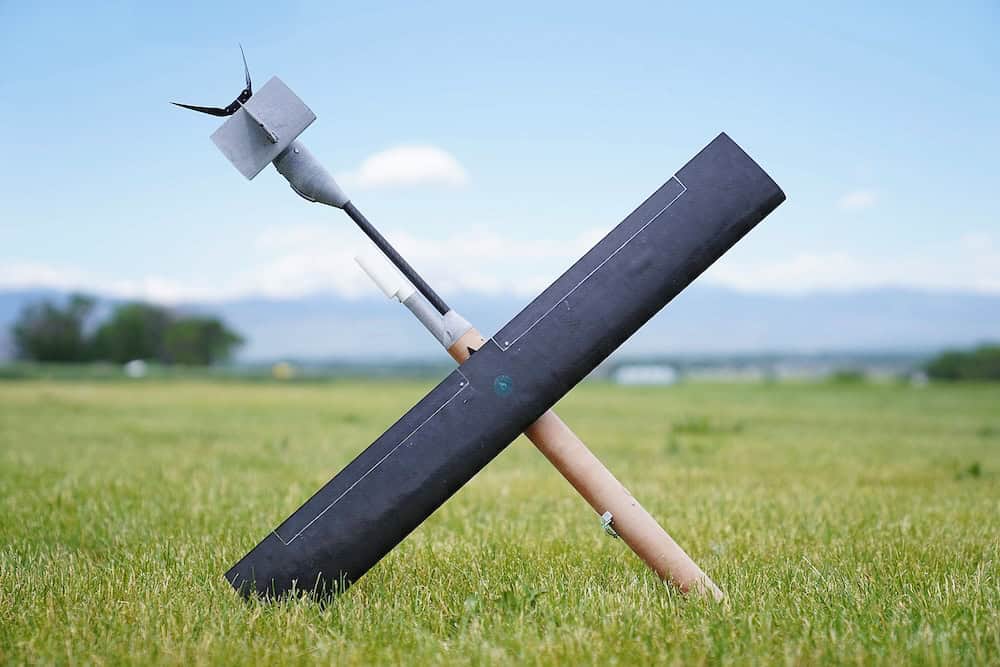
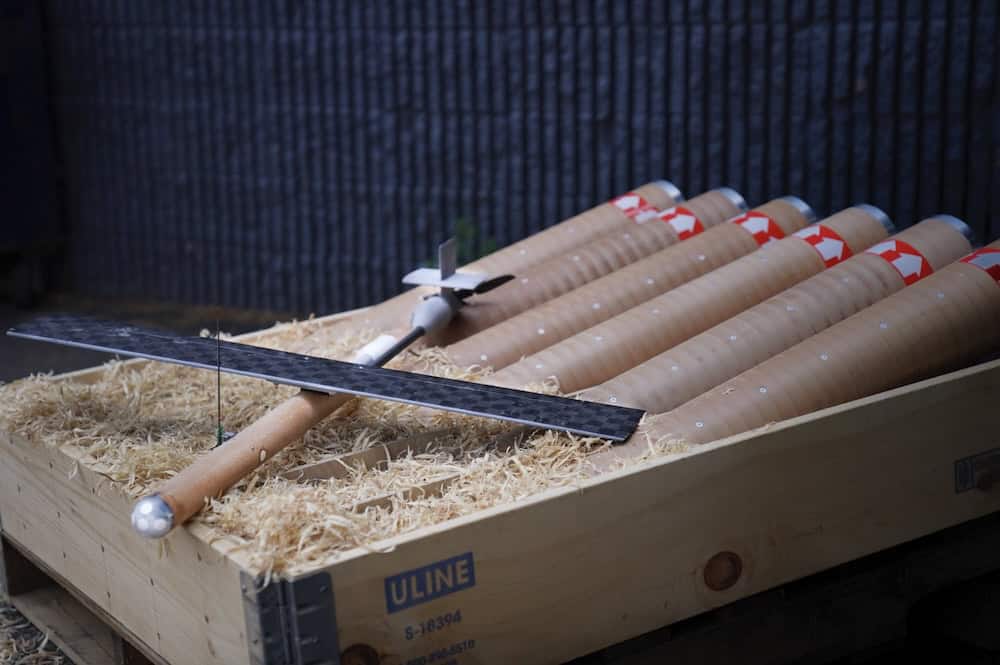
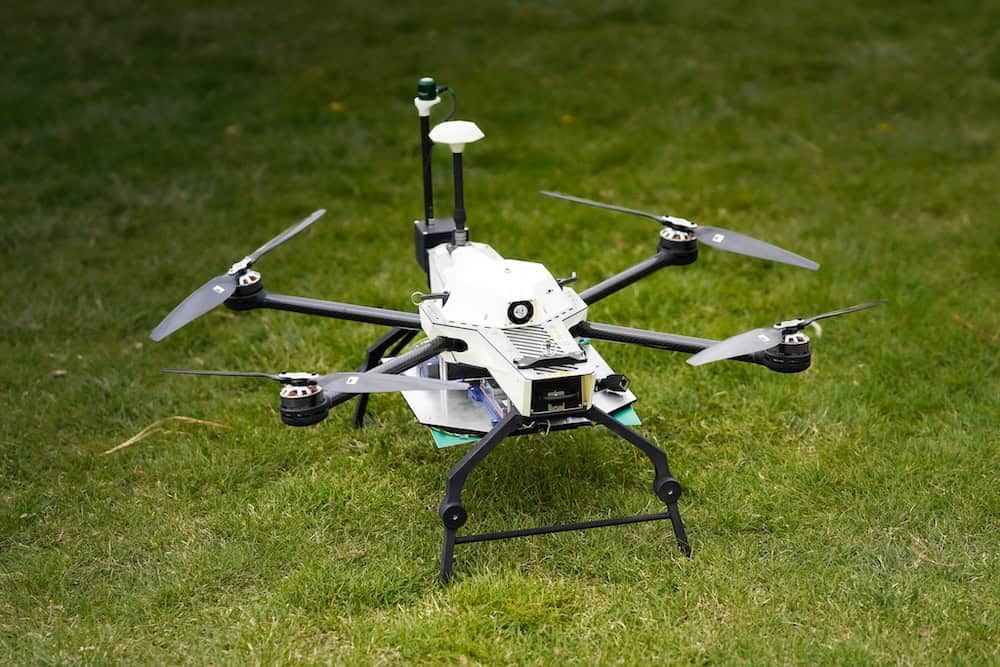
BST deployed robust sensor platforms with adaptive flight controls ensuring reliable data acquisition in the unpredictable volcanic conditions. These platforms mitigated the effects of sulfur dioxide plumes, turbulence, and other environmental factors on data integrity.
Post-mission telemetry analysis confirmed that, even with minor real-time communication interruptions, the system’s “fly-through” capability sustained data continuity and delivered high-quality scientific datasets for analysis.
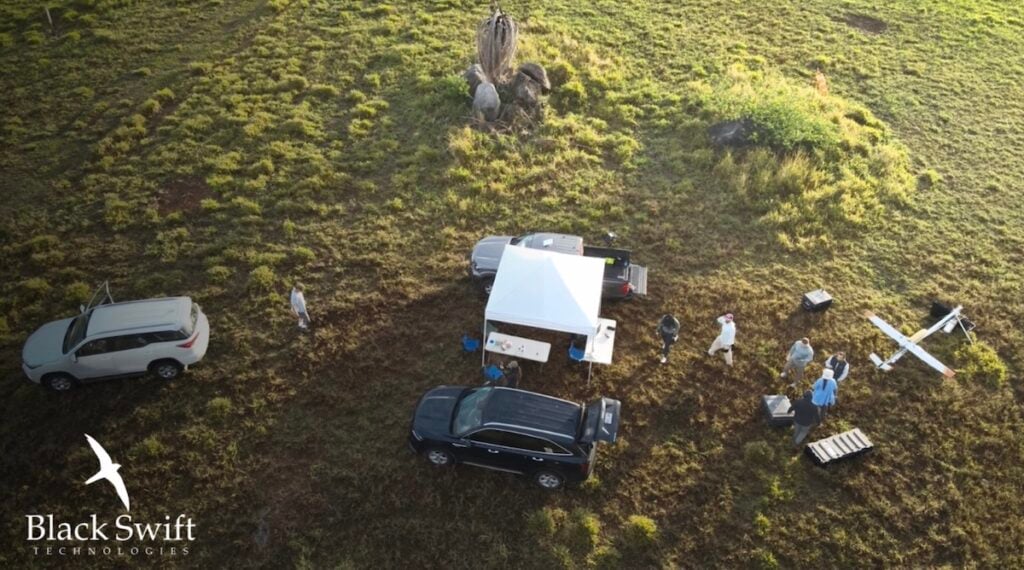
BST also maintained continuous positive aircraft control over the complex, terrain-occluded caldera of Poás. This was achieved through a real-time control handoff system between two ground crews positioned strategically around the crater rim.
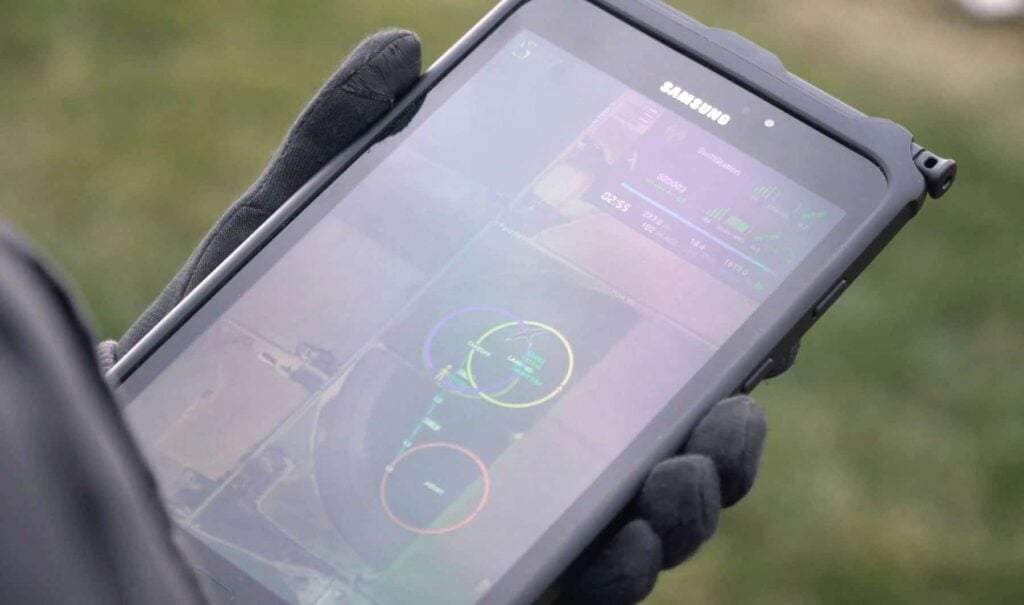
Using the SwiftCore autopilot and SwiftTab interface, seamless transitions between operators were possible, keeping the aircraft under command and within VLOS requirements. This approach outperformed traditional long-range satellite links, that introduce unacceptable latency in dynamic environments.
For intelligent mission planning, BST’s software integrated high-resolution Digital Elevation Models (DEMs) of the carter and real-time canopy height data, enabling precise, automated obstacle avoidance in steep vertical terrain.
The planning suite dynamically modeled communication line-of-sight across the caldera, adapting to occlusion in real time. An integrated battery estimator also accurately predicted energy consumption, factoring in the steep climb from the crater floor to ensure sufficient power reserves for the mission.
The CRATER mission enabled partner teams to independently conduct complex volcanic UAS operations through a hands-on, “learn-by-doing” training approach.
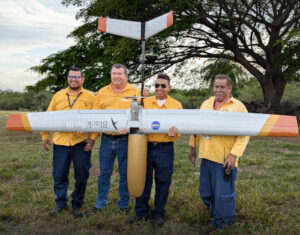
Partner teams participated directly in daily mission planning and real-world flights over Poás. Instructors provided support while pilots led operations, including the first-ever multi-aircraft flights into an active volcanic crater. This embedded mission-critical knowledge and built operational confidence, enabling long-term self-sufficiency for future scientific deployments.
To find out more information visit the Black Swift Technologies website >>