Drone launch and recovery systems are vital components for effectively deploying and retrieving drones, particularly fixed-wing UAVs and remotely piloted aircraft systems (RPAS) platforms. These systems enable efficient launch mechanisms, such as catapults or pneumatic and hydraulic launchers, and reliable recovery solutions. This page highlights companies and suppliers specializing in advanced drone launch and recovery technologies for commercial, military, and industrial applications.
If you design, build or supply Launch and Recovery System (LARS), create a profile to showcase your capabilities and connect with visitors who have an active requirement for your solutions.
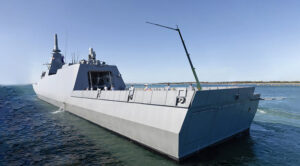
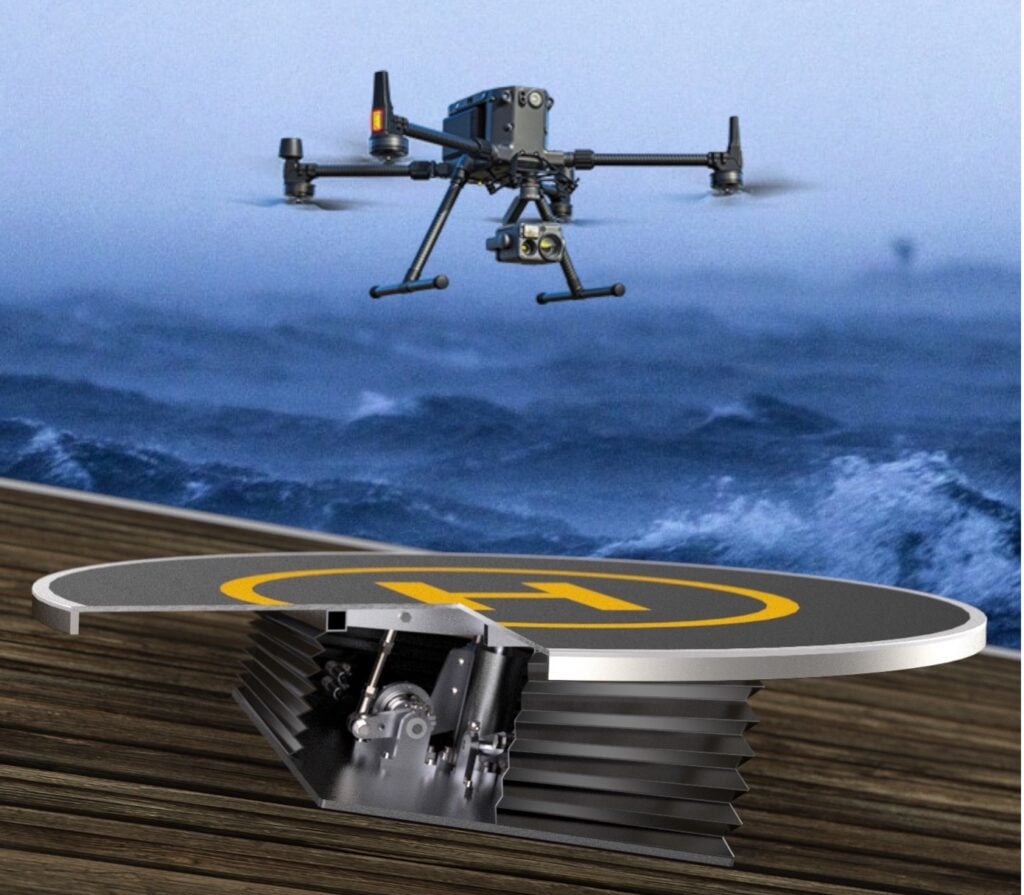
... an all-in-one launch and recoverysystem engineered specifically for maritime and naval... ...er 50 kg for recovery. It integrates wired and wireless control options with real-time digital...
UAV Catapult Launch and Recovery System by Austars Model
A drone launch and recovery system is a specialized setup designed to deploy UAVs (Unmanned Aerial Vehicles) and ensure their safe retrieval. These systems play a crucial role in UAV operations, especially in scenarios where traditional takeoff and landing are impractical. Key technologies include drone catapult launchers, UAV recovery systems, and advanced launch platforms that support commercial, military, and research-based drone applications.
Modern systems incorporate various launch mechanisms, such as pneumatic, hydraulic, or bungee-assisted setups, as well as recovery solutions that may involve nets, airbags, or soft-landing devices. Launch and recovery systems (LARS) provide precision and efficiency, enabling drones to operate in challenging environments, including remote or maritime locations.
Applications of Drone Launch and Recovery Systems
Drone launch and recovery systems are critical for a wide range of applications, including:
Military and Defense Operations: UAV catapult launchers and military recovery systems are widely used to support surveillance, reconnaissance, and combat missions.
Commercial UAV Operations: Systems like drone launch platforms enable commercial drones to perform agricultural mapping, aerial inspections, and environmental monitoring.
Maritime and Offshore Deployments: LARS systems integrated with ships or USVs (Uncrewed Surface Vehicles) facilitate UAV operations over water.
Research and Scientific Missions: Specialized catapult systems and drone launch pads are used in research, disaster relief, and atmospheric studies.
These systems ensure that drones can launch reliably in confined or unpredictable terrain and can be recovered with minimal damage risk.
Types of Drone Launch and Recovery Systems
Drone Catapult Launchers
Drone catapults accelerate UAVs into the air using pneumatic, hydraulic, or slingshot-based mechanisms. They are ideal for fixed-wing drones that require quick and forceful launches without runways. Catapult systems are compact, portable, and efficient, making them suitable for military and field operations.
Hydraulic and Pneumatic Launch Systems
Hydraulic and pneumatic launch systems control drones’ high-speed launches, reducing wear and tear on UAVs. Due to their precision and reliability, these systems are commonly used in military drone operations.
Bungee- and Rope-Assisted Launchers
Bungee-assisted launch systems offer a cost-effective solution for deploying lightweight drones. Rope launchers, often used in conjunction with catapult release mechanisms, ensure smooth takeoffs for smaller UAVs.
Tube-Launched Drones
Tube launch systems are designed for compact UAVs and military applications. They provide a stealthy and efficient launch process. These systems are often integrated into ground vehicles, ships, or portable setups.
Recovery Systems
Drone recovery systems include nets, airbags, and recovery beacons that ensure UAVs can be retrieved safely after flight. Military-grade systems may incorporate advanced drone tracking, recovery chutes and precision landing mechanisms to recover drones.
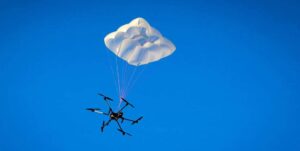
Drone parachutes
Drone parachutes are safety systems designed to protect UAVs during recovery or emergencies. By deploying a parachute mid-flight, they reduce descent speed, minimizing impact and preventing damage upon landing. These systems are essential for safeguarding drones in commercial, industrial, and military operations, ensuring reliable recovery even in unexpected failures.
Integrated Launch and Recovery Systems (LARS)
LARS combines advanced launch and recovery capabilities into a unified system. These setups are ideal for continuous UAV operations, particularly in maritime and offshore environments.
Key Features of Modern Drone Launch and Recovery Systems
Modern drone launch platforms and recovery systems are designed with advanced engineering to optimize UAV performance. Precision launch mechanisms, such as UAV rail launchers and catapult drones, ensure controlled and accurate acceleration for a variety of UAV types. These systems provide reliable performance, making them essential for both military and commercial applications.
Portability and versatility are key features of modern systems. Commercially available drone launch pads and portable catapult systems are designed for quick setup and easy transportation, allowing operators to deploy UAVs efficiently in remote or challenging environments.
Recovery innovations further enhance UAV operations by minimizing damage during retrieval. Soft-landing devices, advanced nets, and other recovery systems ensure drones can be safely recovered after flight. Additionally, automation and control features streamline the launch and recovery process, with integrated automated controls and real-time monitoring capabilities improving operational efficiency and accuracy.
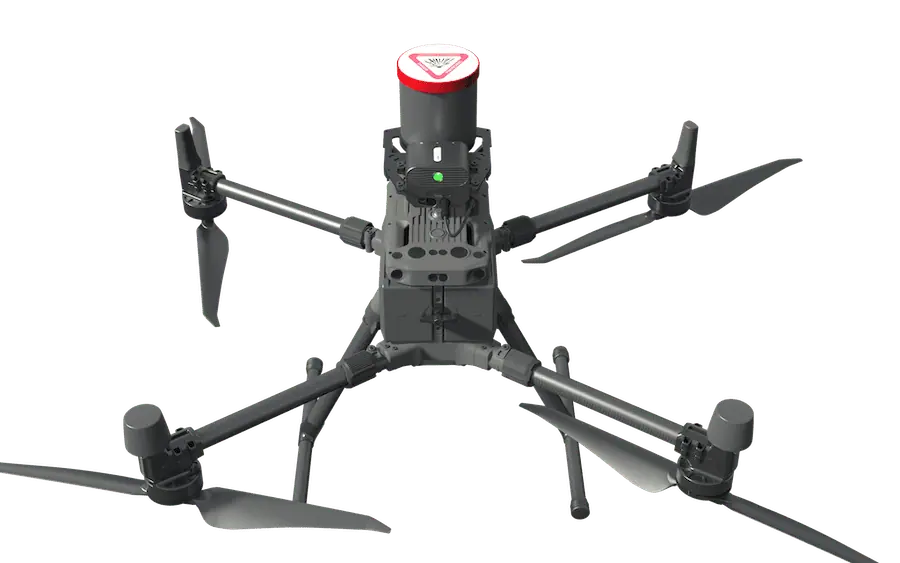
DRS-M600 Drone Parachute System by Drone Rescue Systems
Why Are Drone Launch and Recovery Systems Important?
Effective launch and recovery systems ensure drones can operate in environments where traditional takeoff and landing are impossible. Whether deploying drones from maritime vessels, confined spaces, or remote areas, these systems enable:
Operational Efficiency: Faster launch and recovery reduce downtime during UAV missions.
Cost Savings: Reliable recovery systems minimize damage and extend UAV lifespan.
Enhanced Mission Capabilities: Catapult systems and portable launchers allow drones to support complex and critical missions.
Choosing the Right Drone Launch and Recovery System
When selecting a UAV launch and recovery system, key considerations include:
Type of UAV: Fixed-wing UAVs often require catapult or rail launchers, while rotary drones may need different mechanisms.
Deployment Environment: Maritime, aerial, and field-based missions require specialized launch platforms and recovery solutions.
Automation and Control Features: Advanced systems offer automated launch and recovery capabilities for increased reliability.
Suppliers provide tailored solutions, such as hydraulic launchers, recovery nets, and LARS systems, to meet the demands of military, commercial, and research-based UAV operations.
Drone launch and recovery systems are essential for deploying and retrieving UAVs across diverse applications. From military-grade catapult systems to commercially available launch platforms, these technologies ensure precision, safety, and operational efficiency. Leading suppliers continue to innovate, offering advanced solutions like UAV catapult launchers, pneumatic systems, and recovery devices to meet the evolving needs of drone operations worldwide.
Following successful trials, FLANQ and CiS will collaborate to deliver a modular launch and recovery system for UAVs from USVs to enhance surveillance and reconnaissance capabilities for European maritime forces
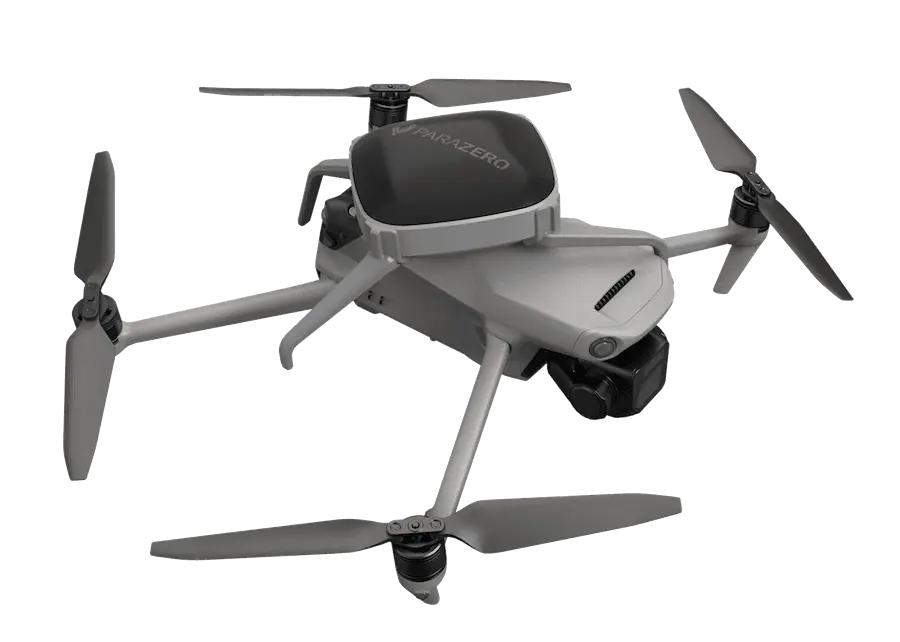
A leading Australian drone distributor has placed a significant order for ParaZero’s SafeAir™ systems, reinforcing demand for advanced drone safety solutions
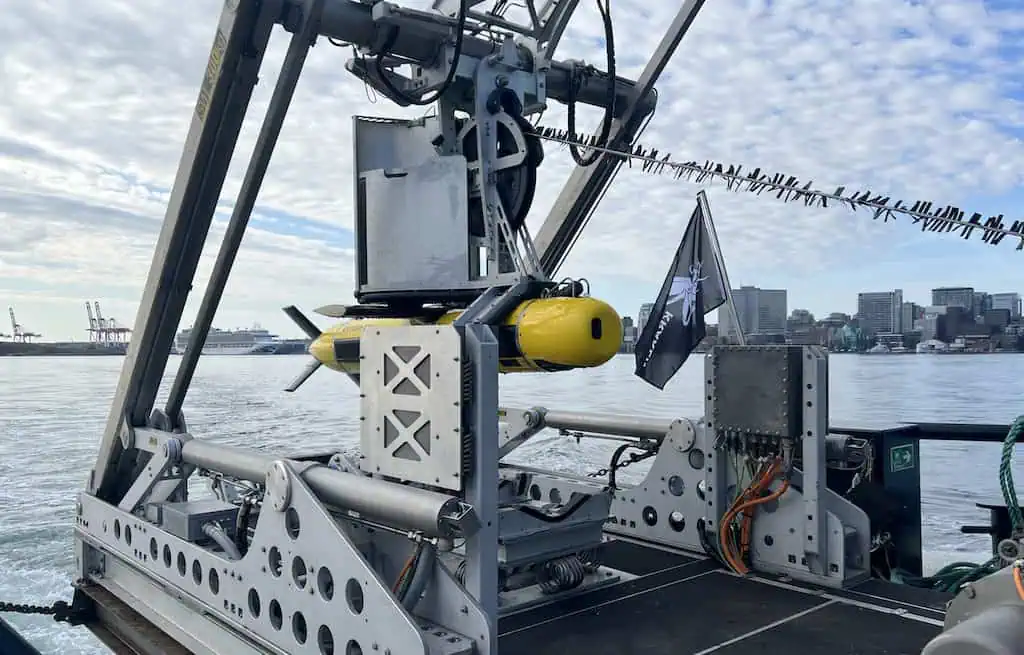
Kraken Robotics’ new Autonomous Launch and Recovery System allows for rapid mobilization and demobilization on multi-role platforms across a range of different vessels
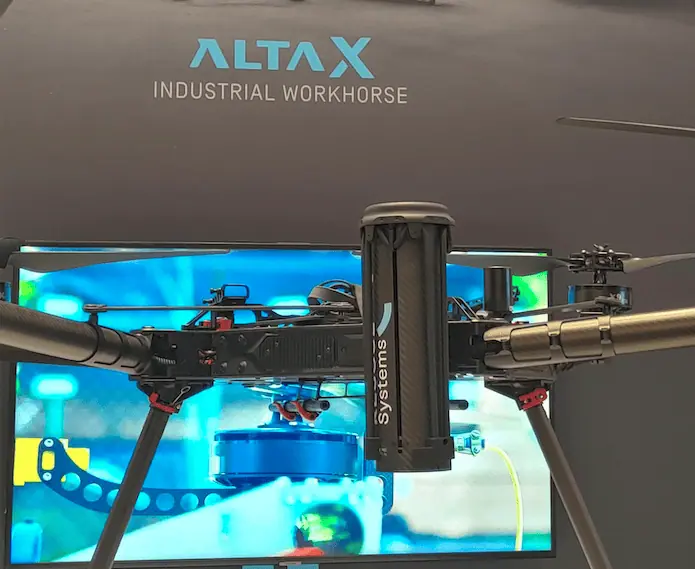
Drone Rescue Systems and Freefly Systems partner to integrate advanced parachute safety systems into Freefly’s AltaX and Astro drones, enhancing safety in critical unmanned operations
ParaZero's SafeAir system uses sophisticated AI and machine learning-powered analysis to constantly monitor and analyze drone flight data for anomalies
Built for the DJI Dock 2, the PRS-M3DT from AVSS includes a Parachute Recovery System (PRS), Flight Termination System (FTS), Automatic Triggering System (ATS) and a Manual Triggering Device (MTD)
STABLE has been awarded funds by The Research Council of Norway to establish safe landing and take-off platforms for VTOL drones involved in the offshore wind industry
AVSS's Real-time Intelligence Landing Software (RILS), alongside the Guided Parachute Recovery System (GPRS), will be integrated on DroneUp's Prism Sky platform and Blueflite's Cobalt 46 platform
Nov 07, 2023
Advancing Unmanned Systems Through Strategic Collaboration
UST works with major OEMs to foster collaboration and increase engagement with SMEs, to accelerate innovation and drive unmanned systems capabilities forward.