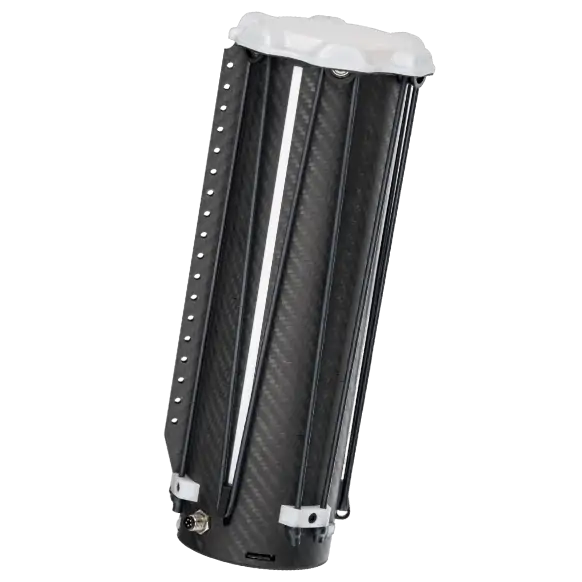
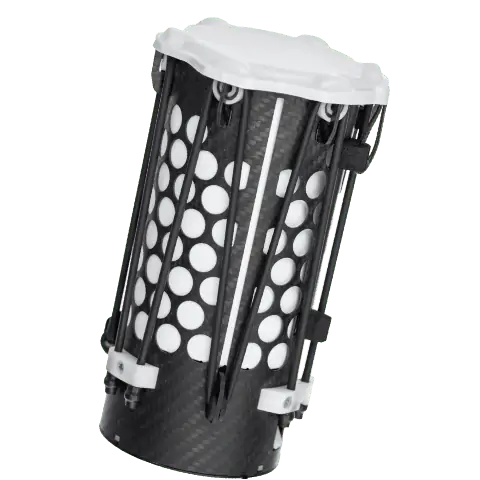
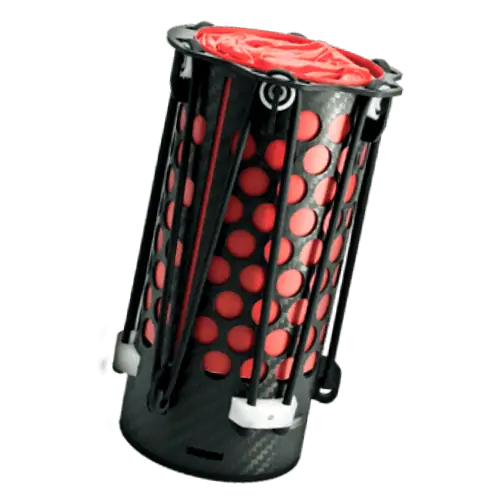
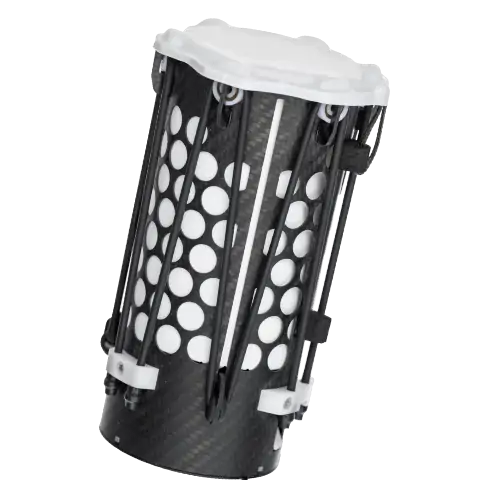
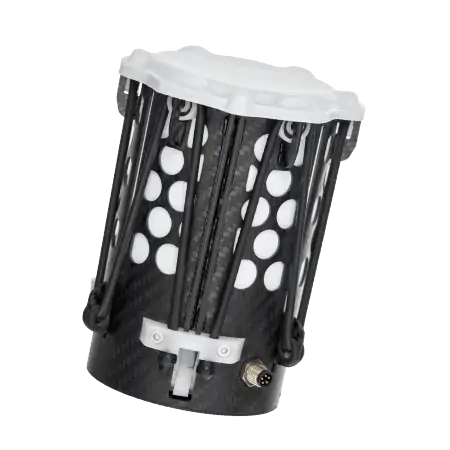
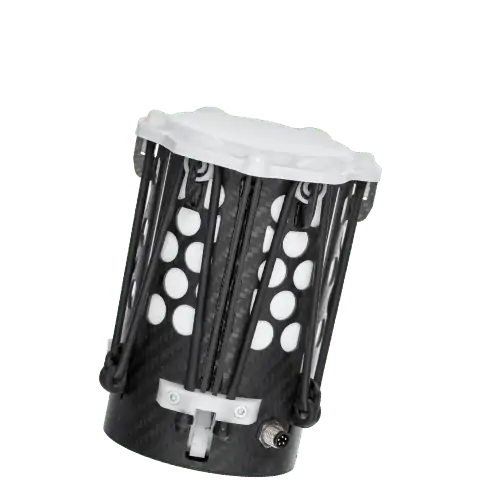
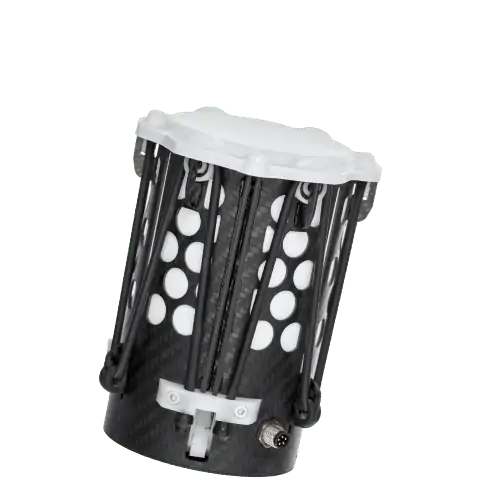
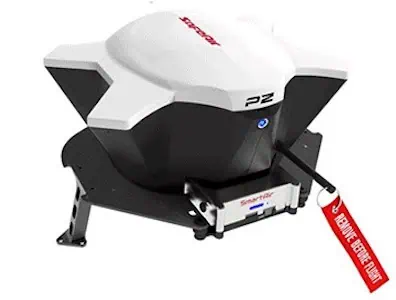
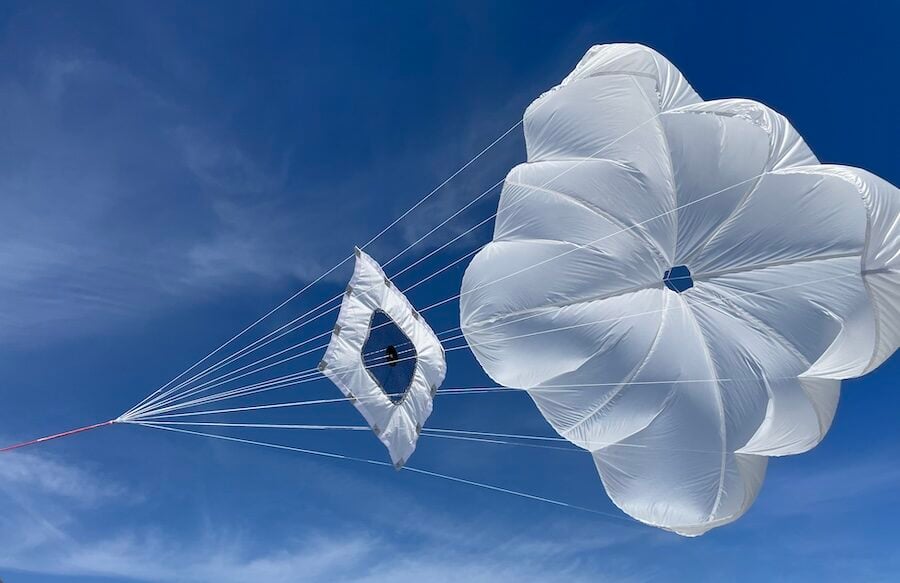
Drone parachute systems, or UAV parachute recovery systems, are engineered to safely deploy a canopy when an unmanned aerial vehicle experiences system failure. These systems reduce risks to people and property, recover costly drones and payloads, and support compliance with regulations governing flights over urban populations or beyond visual line of sight (BVLOS).
If you design, build or supply UAV Parachute Recovery Systems, create a profile to showcase your capabilities and connect with visitors who have an active requirement for your solutions.
In many advanced drone operations, parachute recovery systems contribute to risk mitigation strategies by helping protect UAV assets and people on the ground. Depending on the mission profile and regulatory environment, these systems may support compliance requirements, improve safety outcomes, or influence insurance considerations. Integrating a parachute system can be a practical measure to address operational risks for some operators, particularly those conducting flights over people or beyond visual line of sight.
What are drone parachute systems?
Drone parachute systems (also referred to as parachute recovery systems, UAV parachutes, or ballistic recovery systems) serve multiple critical functions:
Safety fail‑safe: A final line of defense in emergency scenarios, whether sudden power loss, low voltage, or mechanical failure, ensuring controlled descent over uncontrolled crashes.
Asset preservation: They prevent irreparable damage to drones and payloads, thereby saving replacement costs and enabling reuse.
Regulatory compliance: Many jurisdictions restrict flights over people. Properly certified parachute installation increases the likelihood of obtaining waivers for beyond visual line of sight (BVLOS) and urban operations.
Insurance benefits: Insurers may lower premiums when a drone is equipped with an automated rescue parachute system, encouraging safer flying.
Drone parachutes can be deployed passively or ballistically, depending on the design and operational requirements. Each method has distinct implications for response time, system complexity, and regulatory handling, which are explored further below.
Why drone parachute systems are essential
As drones are increasingly used in commercial, governmental, and urban operations, the importance of drone parachute recovery systems grows exponentially. These systems are not just a technical upgrade; they address three foundational concerns for any UAV operator:
Safety of people and property
Unmanned aircraft can pose serious hazards when failures occur mid-flight. A well-engineered parachute system minimizes the kinetic energy of a crash, reducing the chance of injury or damage on the ground. This is especially critical in densely populated or urban areas, where the risk to bystanders is elevated.
Regulatory compliance
Global aviation authorities, including the FAA and EASA, require enhanced safety mechanisms for UAV flights over people or beyond visual line of sight (BVLOS). Certified parachute systems are often prerequisites for obtaining waivers for these operations. They serve as proof that a drone can be safely recovered in case of emergency, making them a gateway to expanded commercial flight permissions.
Insurance and risk mitigation
From an insurer’s perspective, drones with recovery systems present lower liability risks. This can translate into reduced insurance premiums and better coverage terms. In some cases, parachute systems may be mandatory for insuring certain flight types, such as deliveries or infrastructure inspections. Together, these factors make parachute systems not just an add-on, but a critical element of a safe and legally compliant drone operation.
How automated drone parachute systems work
Modern UAV parachute recovery systems are predominantly automated. They monitor real-time indicators, like sudden descent, freefall, or voltage dips, and trigger parachute deployment without pilot input. These systems typically do the following:
Detect failure condition
Optionally shut down propellers to prevent interference with parachute lines
Initiate either passive or ballistic deployment
This automation ensures rapid emergency response, often faster than human operators can react.
Parachute deployment mechanisms
Drone parachute systems come in two main types:
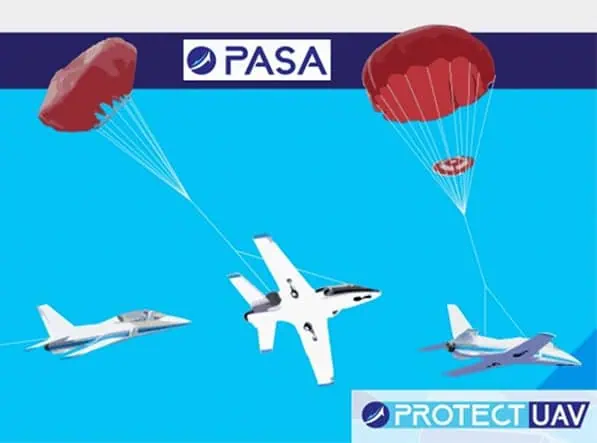
Passive deployment: A small drogue parachute is released and wind‑drags out a larger main canopy, simple, reliable, and resettable.
Ballistic deployment: Uses a CO₂ cartridge or pyrotechnic charge to eject the canopy forcefully. While faster, these systems are more complex, may require specialized packing, and face regulatory challenges in transport and reuse.
Commercial off‑the‑shelf (COTS) vs custom parachutes
Most commercial UAS platforms lack factory parachute integration, creating a demand for third-party UAV solutions. COTS systems come tailored to specific drone models or maximum takeoff weight (MTOW) ranges. Some manufacturers offer custom parachutes to match detailed performance specs and deployment dynamics for unique platforms, like large fixed-wing UAVs, hybrid VTOLs, or eVTOL systems.
Cost-benefit considerations
When evaluating integration of a drone parachute recovery system, operators should weigh upfront investment against a combination of tangible and strategic benefits. Installation and equipment costs will vary depending on drone size, deployment method (passive or ballistic), and certification requirements. While initial pricing may appear high, these costs should be assessed in context with the potential financial loss from a crash, including the value of the drone, its payload, and possible third-party liabilities. Insurance implications are another essential factor. Some insurers offer lower premiums for drones equipped with certified recovery systems, recognizing the reduced risk profile. Over time, these savings can offset a portion of the system’s cost. From an operational standpoint, asset recovery can prevent costly downtime and reduce the need for replacement hardware. In sectors with high-value sensors or complex payloads, avoiding a total loss can justify the investment in a single use. Finally, a certified parachute system may serve as an enabler for expanded operations. Regulatory bodies often require or strongly prefer parachute integration for missions over people or beyond visual line of sight (BVLOS). For operators pursuing these advanced permissions, the cost of a compliant recovery system may be considered part of the entry requirement.
Selecting the right system
Key parameters for drone operators evaluating parachute systems:
MTOW match: Does the system align with the drone’s weight?
Deployment speed and altitude: Especially important for high-speed fixed-wing UAS or urban flights.
Reset and repack ease: Passive systems generally excel here.
Certifications: Civil aviation authorities may require third-party test reports or FAA/EASA approvals.
Maintenance and life cycle: Ballistic systems incur consumable costs; passive systems generally last longer with lower upkeep.
Applications across the UAV industry
Drone parachute recovery systems provide critical value across nearly every segment of the UAV industry. Whether preserving high-value equipment, protecting people on the ground, or enabling regulatory approval, these systems enhance safety and reliability in diverse applications:
Commercial drone services
Aerial surveying and mapping: Parachutes protect high-end LiDAR and photogrammetry payloads during complex flights over varied terrain.
Delivery drones: Urban package delivery over populated areas demands certified parachute systems to comply with safety regulations.
Agricultural drones: While often flying in rural areas, ag drones with expensive sensors or heavy payloads still benefit from risk mitigation in system failure.
Media and cinematography: Drones carrying costly camera systems over crowds or film sets gain insurance and operational advantages with parachute integration.
Government and civil
Public safety and law enforcement: Drones used for surveillance, search and rescue, or crowd monitoring need recovery systems to meet liability and safety standards.
Firefighting support UAVs: Operate in high-risk zones where system failure could cause secondary hazards without parachute safety.
Loitering munitions (with recovery modes): Parachutes may be used during testing or retrieval scenarios.
Logistics drones in combat zones: Parachute systems help protect valuable equipment and cargo during delivery missions.
Specialty and experimental platforms
VTOL and hybrid drones: Transition-capable airframes may face unique failure modes; parachutes offer vertical descent control.
Fixed-wing UAVs: Fast-flying drones require rapid deployment systems to avoid hard impacts in failure scenarios.
Large autonomous platforms: Heavier drones present a greater risk upon failure, making parachute systems essential for safe descent.
eVTOL air taxis and urban mobility prototypes: Although still emerging, passenger and cargo-carrying eVTOLs require redundant safety systems like parachutes for regulatory certification.
Training and academia
University drone research programs: Prototypes and experimental platforms often lack built-in recovery features; parachutes provide affordable and effective mitigation.
Flight schools and certification programs: Incorporating parachute systems into UAV curricula emphasizes safety and regulatory best practices.
Every mission involving flights over people, urban environments, or critical infrastructure benefits from integrating a UAV parachute recovery system. These passive or ballistic solutions, standard COTS units or custom-built for specialized aircraft, significantly reduce crash risk while complementing insurance, regulatory, and operational requirements. As the drone industry advances, parachute recovery systems are fast becoming a must-have safety component, not just an optional add-on.
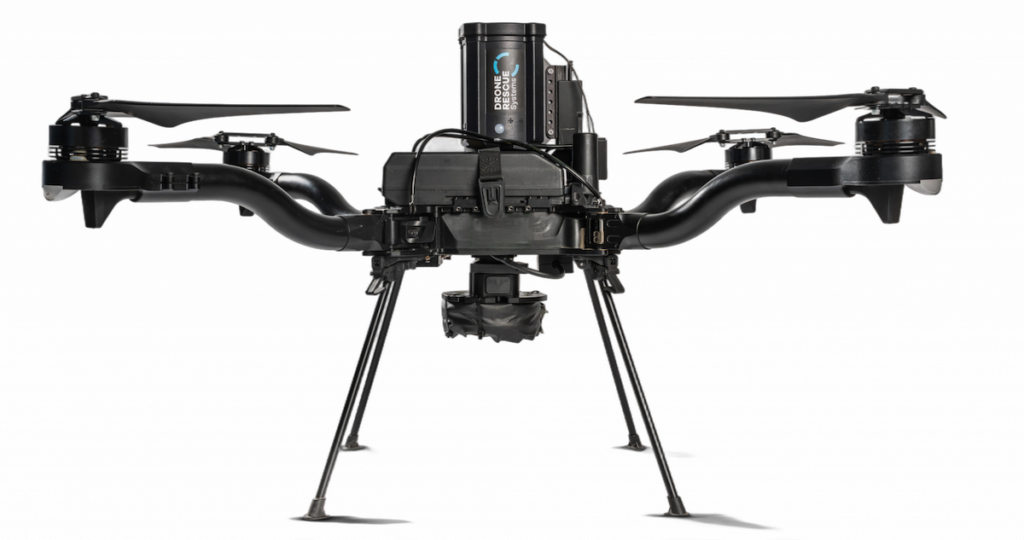
Drone Rescue Systems launches DRS-Astro, a lightweight intelligent parachute system designed to enhance safety and reliability for Freefly Systems’ Astro UAV platform
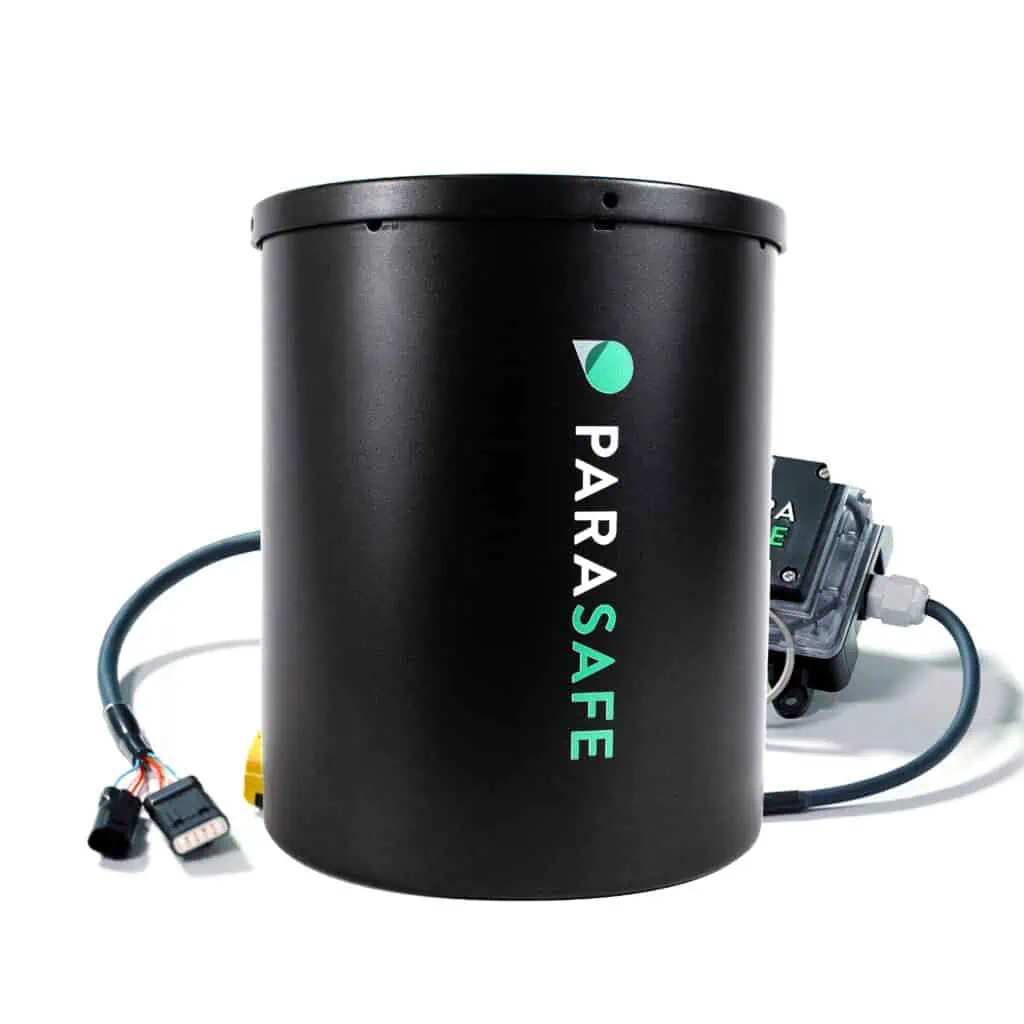
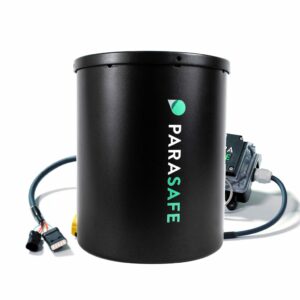
Aero Systems West supports integration, testing, and FAA-aligned deployment of the Parasafe parachute recovery system for Rainmaker’s high-altitude unmanned aircraft operating between 10,000 and 15,000 feet
UAV Propulsion Tech outlines how it connects U.S. uncrewed aircraft programs with international propulsion, navigation, sensing, and mission equipment developed for advanced operational requirements
ParaZero Technologies has secured a purchase order from Airobotics for its advanced drone safety systems, supporting defense and security-focused autonomous drone operations
ParaZero has developed its leadership, assigning the seasoned executive Ariel Alon to the CEO position, utilizing his expertise to progress UAV safety and defense innovations
ParaZero’s DropAir system has proven its reliability through 50 consecutive successful deliveries, demonstrating its mission-ready precision for critical real-world operations
ParaZero participated in live demonstrations at the Constellis Security Conference in Virginia, highlighting its DropAir supply delivery system and DefendAir counter-UAS technology to U.S. and international security representatives
ParaZero Technologies will present the enhanced SafeAir™ M4 parachute recovery system with triple sensor redundancy, and the DefendAir counter-UAS net launcher and DropAir precision delivery system at XPO25 in Houston
Manta Air is showcasing advanced UAV parachute recovery systems on UST, delivering reliable, low-impact safety solutions for drones with MTOWs from 5 to 41 kg
May 15, 2025
Advancing Unmanned Systems Through Strategic Collaboration
UST works with major OEMs to foster collaboration and increase engagement with SMEs, to accelerate innovation and drive unmanned systems capabilities forward.