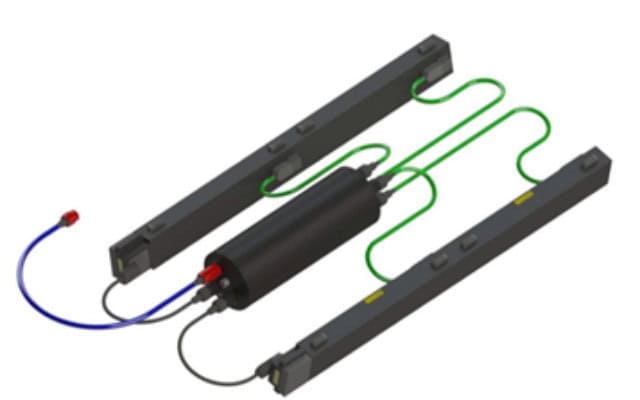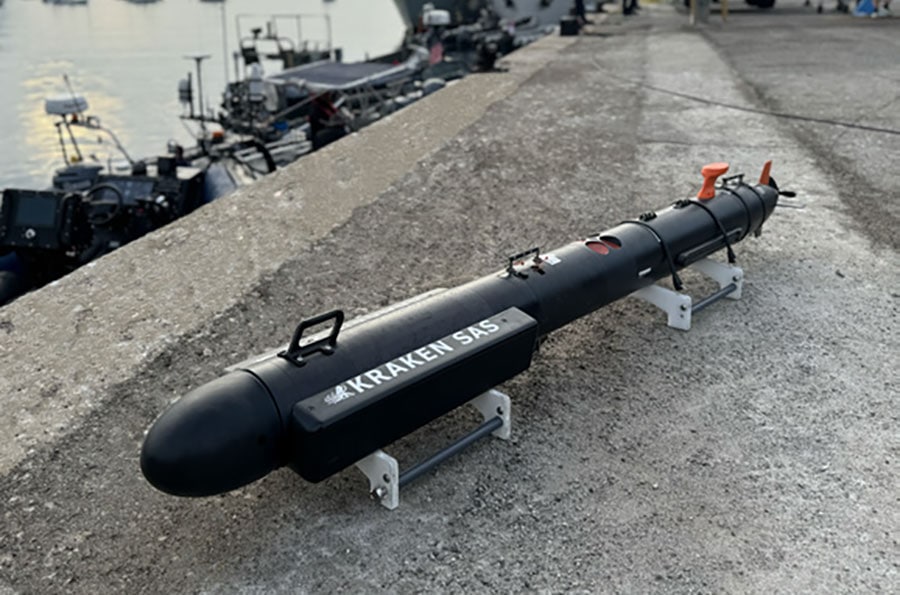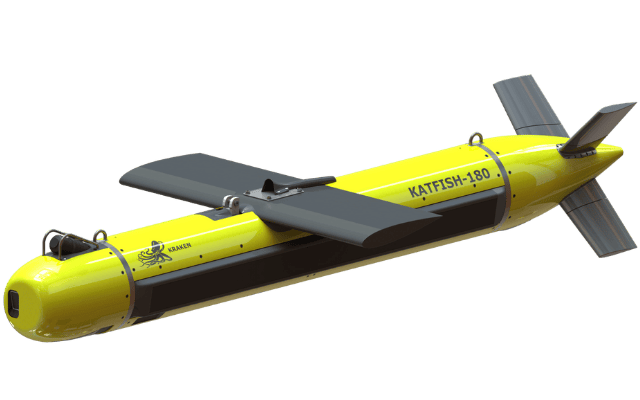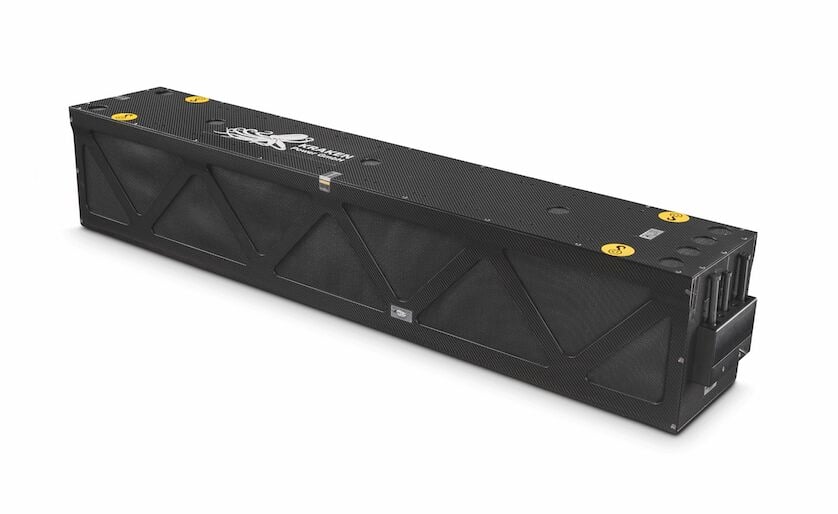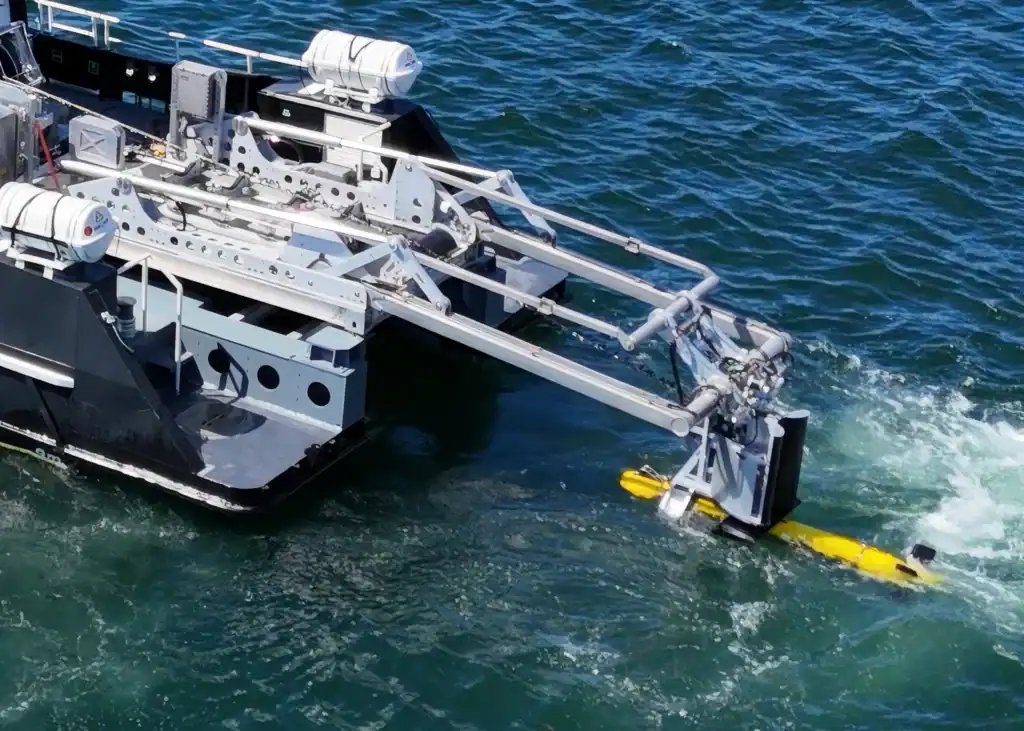
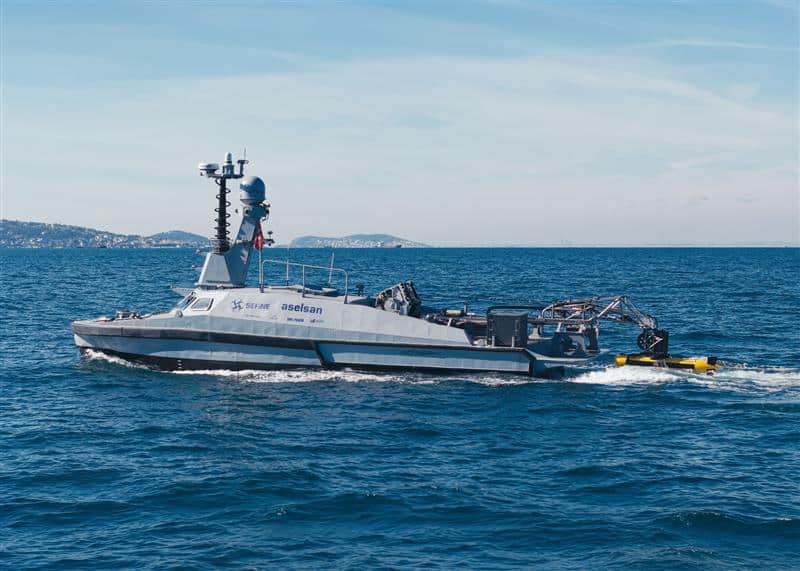
Kraken Robotics has successfully integrated and demonstrated its KATFISH Towed Synthetic Aperture Sonar and autonomous Launch and Recovery System (LARS) from SEFINE’s RD-22 Unmanned Surface Vessel (USV).
The demonstration took place during the first quarter of 2026 off the coast of İstanbul, Türkiye, in coordination with the SEFINE Strategic Unmanned Systems Research Center (SISAM). The event focused on the rapid detection and classification of mine-like objects and critical underwater infrastructure, drawing attendance from several navies and government organizations.
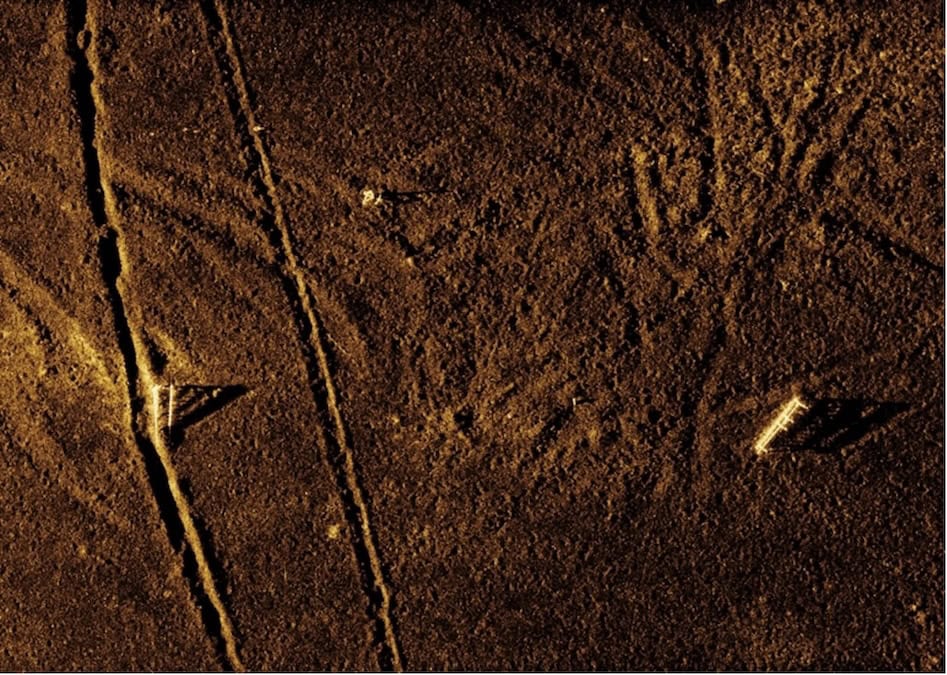
During the exercise, the KATFISH system delivered 3 cm x 3 cm resolution data at a range of 200 meters per side. This data was live-streamed to an onshore command center, allowing operators to perform real-time classification of contacts using mission planning software.
Bernard Mills, Executive Vice President, Defence at Kraken Robotics, commented, “Recent developments underscore the importance of safeguarding critical maritime transit routes and underwater infrastructure, and autonomous mine countermeasure capabilities like KATFISH can play an important role in helping navies efficiently detect and classify mine-like objects. By combining SEFINE’s multi-role USV with Kraken’s cutting-edge KATFISH and USV LARS, navies can deploy advanced technologies faster and more efficiently, strengthening defence and maritime security in increasingly complex environments.”
This integration follows a previous demonstration of the same KATFISH and USV LARS technologies from a UK Royal Navy 11-meter ARCIMS USV in November 2025. These consecutive joint integrations represent a move toward delivering agile, modular, and cost-effective mine countermeasure capabilities for modern naval operations. Kraken Robotics, based in St. John’s, Newfoundland, continues to focus on the development of advanced sonar and optical sensors as well as low-altitude platforms for unmanned underwater vehicles.