WOLF Advanced Technology has released a technical whitepaper comparing GDDR6 and GDDR7 graphics memory, outlining the key differences in bandwidth, reliability, and capacity for embedded computing.
The paper explains how GDDR7 delivers higher per-pin data rates, on-die Error Correcting Code (ECC), and enhanced error reporting, achieving equal or greater bandwidth than wider GDDR6 interfaces while using fewer pins. These improvements enable compact systems to reach comparable data transfer speeds with greater resilience and simpler board layouts.
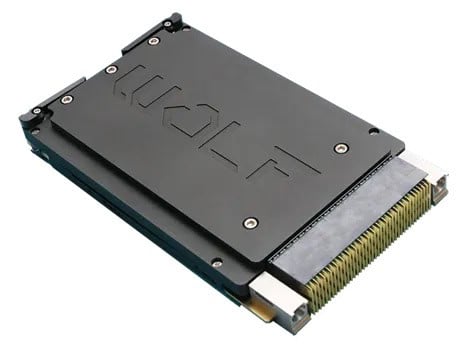
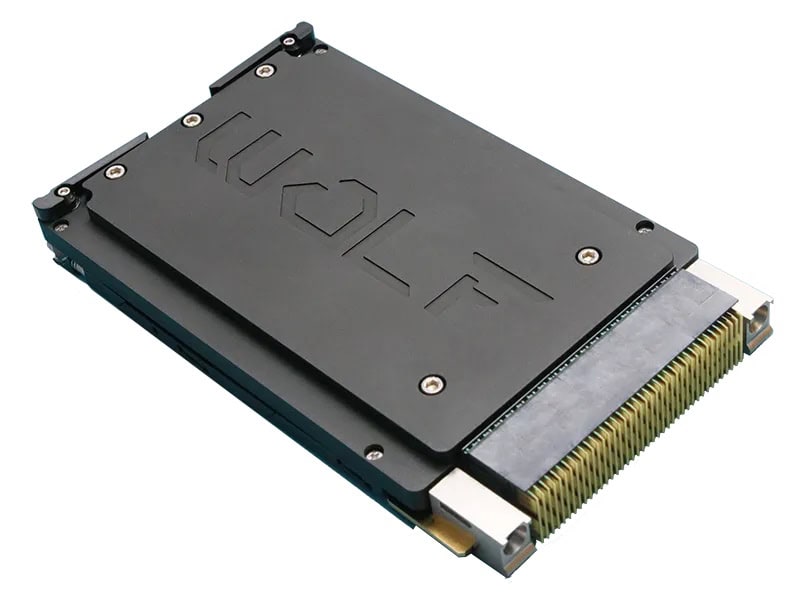
Practical examples from WOLF’s 134S, 167S, 166S, and 163S GPU modules illustrate how different bus widths and capacities support varied mission requirements. The 167S module, for example, combines 8GB of GDDR7 with a 128-bit bus to match the bandwidth of 256-bit GDDR6 designs, while the 166S provides 16GB and the 163S up to 24GB for data-intensive workloads.
WOLF concludes that GDDR7 represents more than a speed increase; it redefines how engineers balance bandwidth, capacity, and reliability in embedded GPU designs, providing a clear framework for selecting memory configurations that deliver lasting performance and stability.