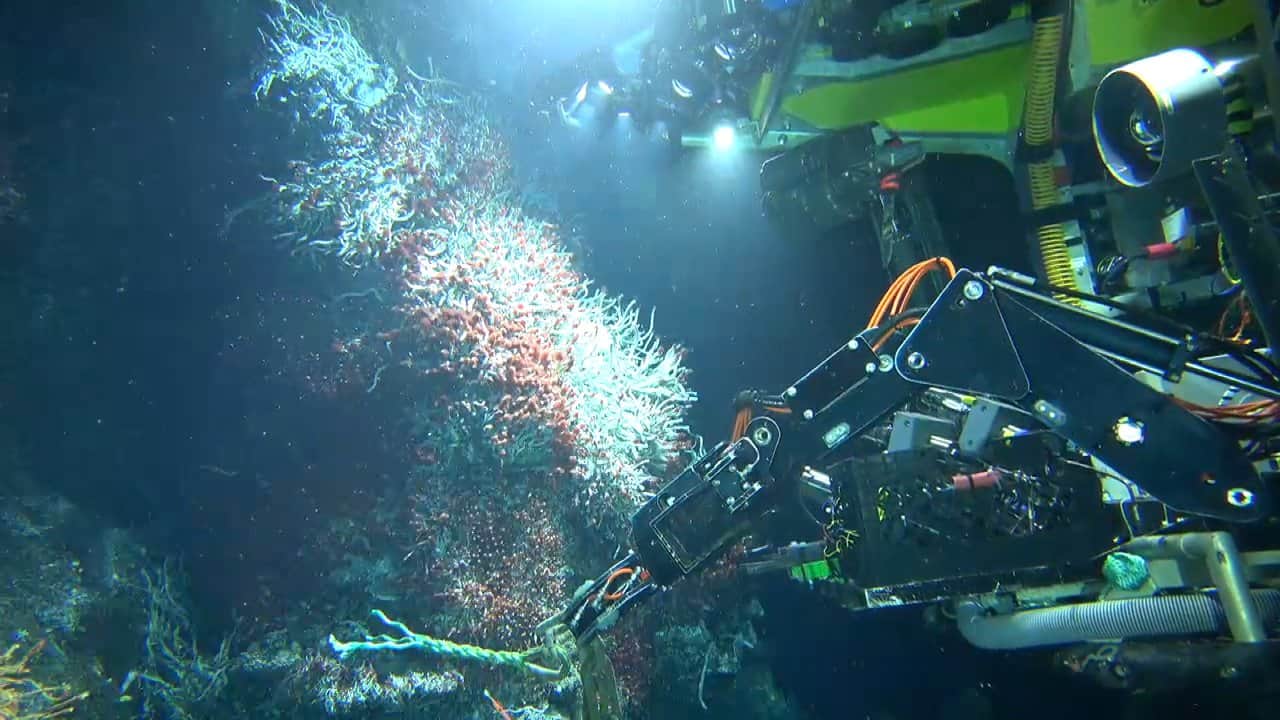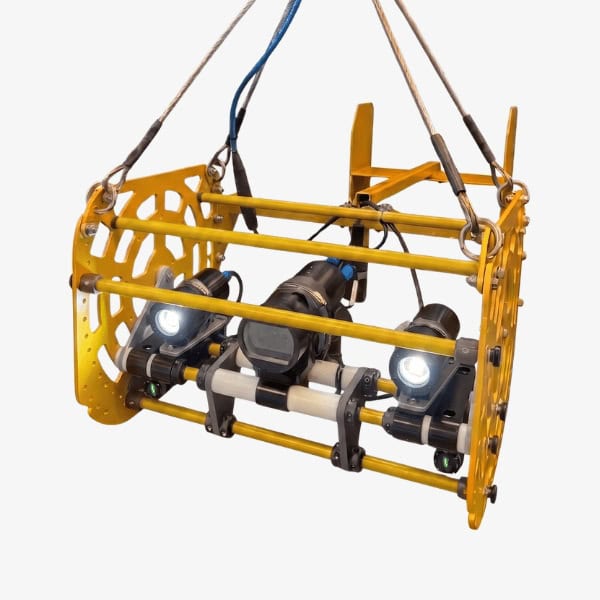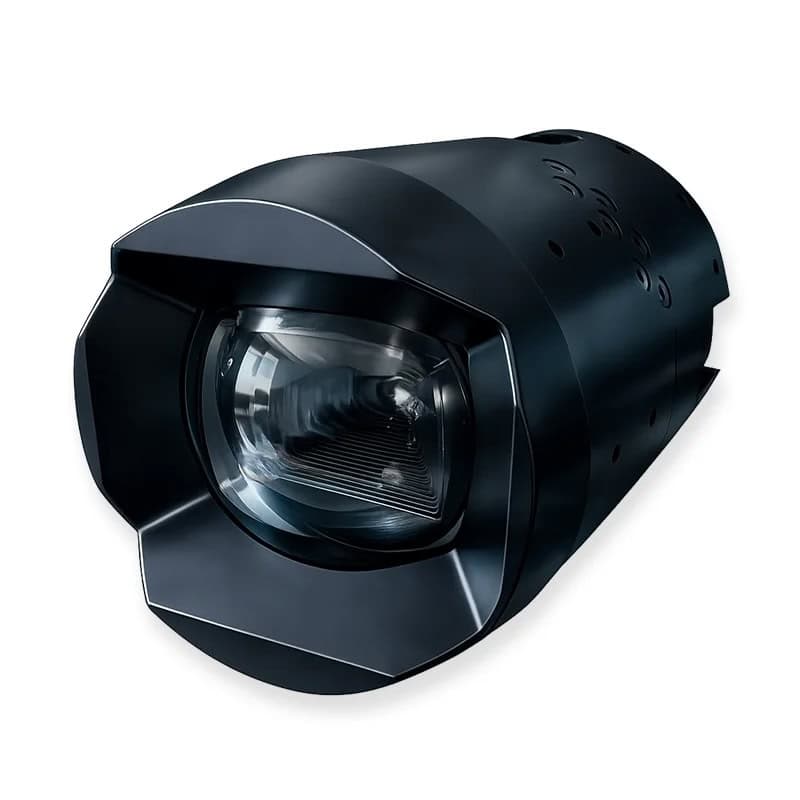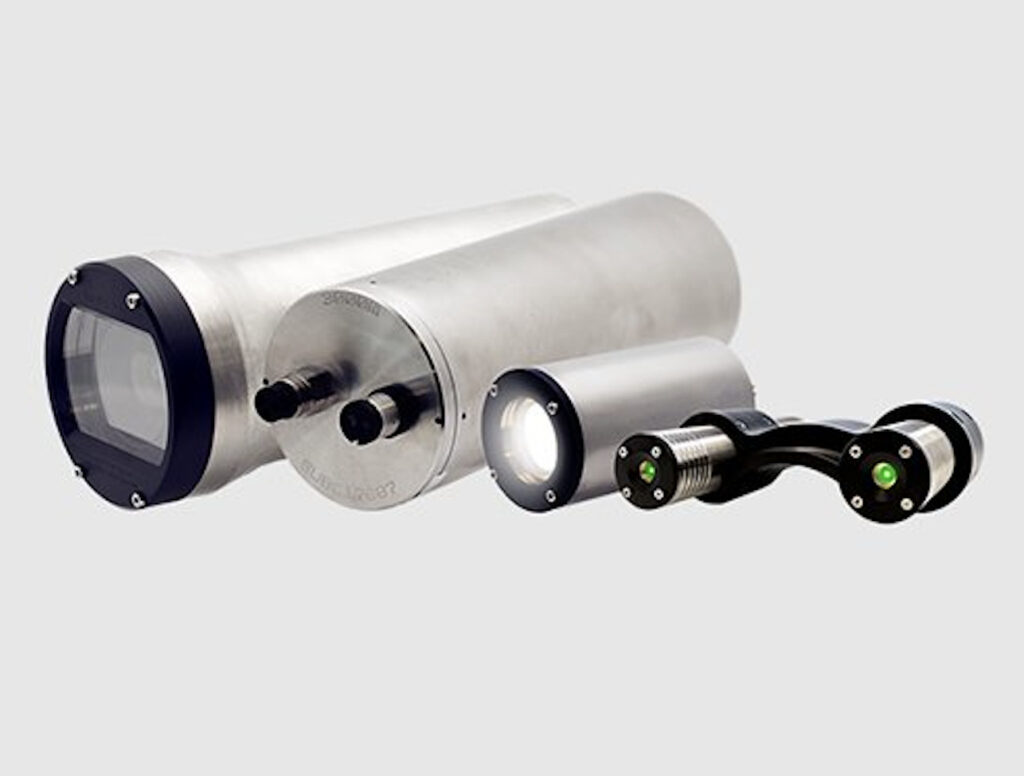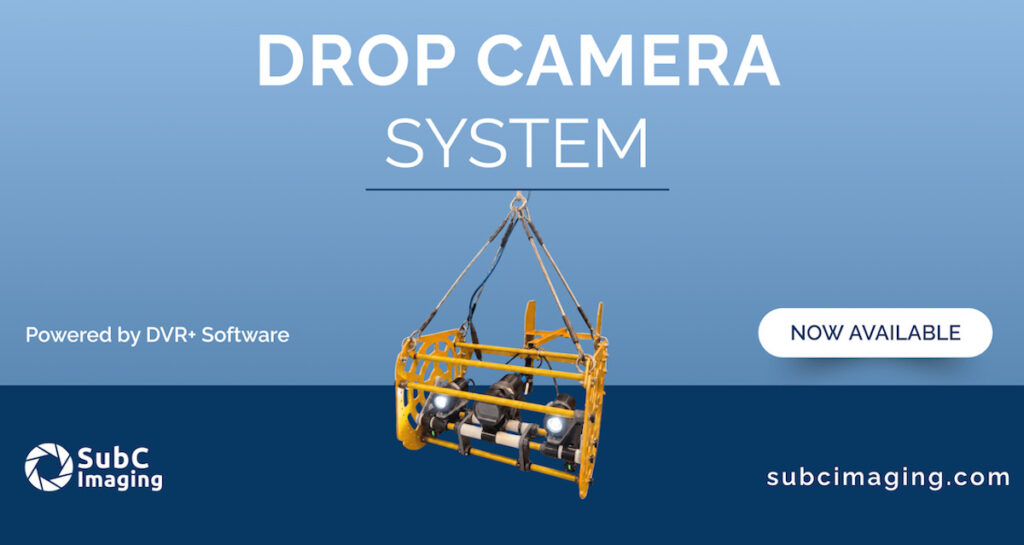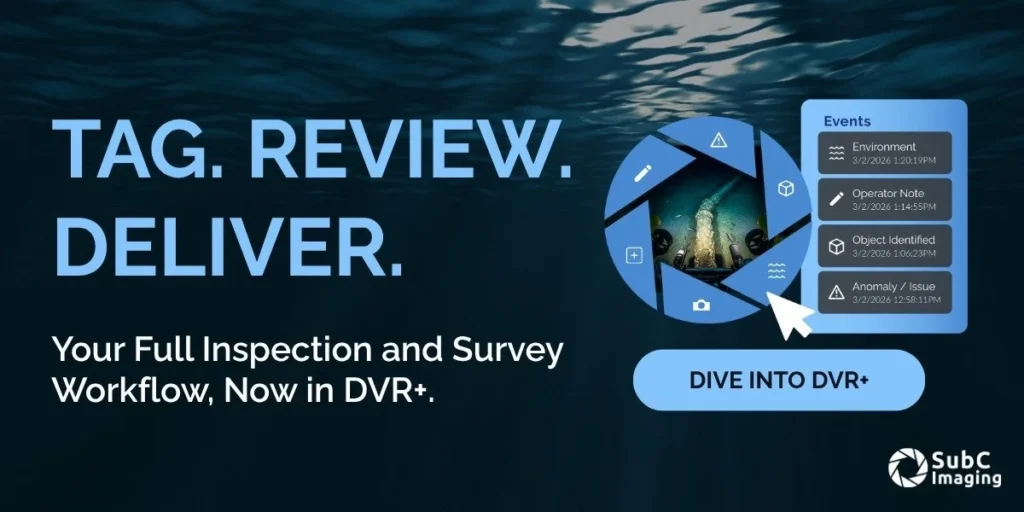





SubC Imaging has developed a real-time streaming solution that reduces offshore network latency, providing responsive, high-quality video to improve precision and decision-making in subsea inspections and ROV operations.
Real-time video performance is critical in these subsea applications, where even small delays can impact control and overall efficiency.
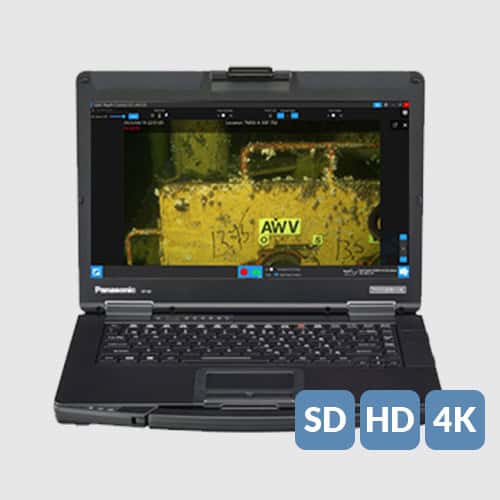
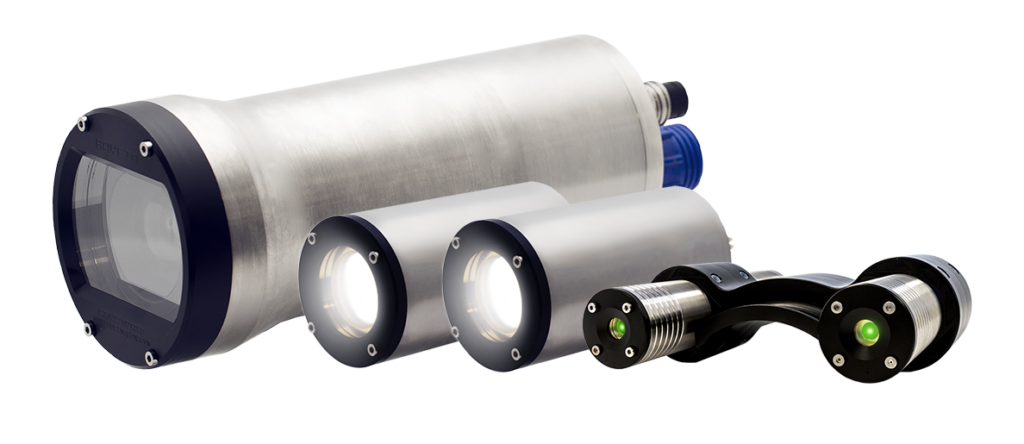
 The streaming technology operates either as a standalone system or integrated within SubC Imaging’s Rayfin camera, DVR+ Overlay, and Blackbox platforms. Its software-based design enables operators to activate live streaming instantly without complex setup. Processing and encoding occur in real time, maintaining one-second-or-less latency even over VSAT satellite connections.
By combining optimized compression, adaptive bitrate control, and high-performance processing, the platform ensures smooth, consistent video transmission across varying offshore network conditions.
Supporting resolutions from SD to 4K via composite, SDI, or HDMI, it integrates easily with existing subsea cameras and recorders. Optional features such as multi-viewer access, two-way audio, and synchronized overlays for parameters like depth, GPS, and CTD enable collaborative, data-rich monitoring from multiple locations.
Understanding and Reducing Latency
Latency, or “glass-to-glass” delay, represents the time between image capture and display. For real-time subsea operations, keeping latency below one second preserves operator awareness and control.
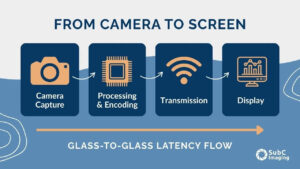
Several key factors influence performance:
- Bandwidth Availability: Limited offshore bandwidth shared among multiple systems can increase latency. Dedicated bandwidth and adaptive bitrate control help maintain stability.
- Compression and Encoding: Higher compression lowers data size but may reduce image detail. Adjustable compression allows balancing quality with bandwidth limits.
- Processing Efficiency: Hardware and software optimized for real-time encoding, such as SubC Imaging’s platforms, minimize delay.
- Transmission Path: Long communication routes and satellite links add inherent latency; optimized network paths or low-Earth orbit networks reduce signal travel time.
- Environmental Conditions: Rough seas or interference can disrupt transmission. Robust network handling and error correction maintain performance without excessive buffering.
Latency testing typically involves comparing a visible time reference captured by the camera to its displayed image on screen, verifying real-world performance. To reduce delay, operators can dedicate bandwidth, adjust compression dynamically, use optimized hardware, minimize network hops, and confirm performance before deployment.
SubC Imaging’s integrated architecture addresses each of these variables, dynamically managing compression and bitrate to sustain real-time responsiveness without loss of visual detail. The result is improved operational control, reduced vessel time, and greater efficiency during offshore inspections.
Enabling Remote Collaboration
Live, high-fidelity streaming from subsea assets allows operators, engineers, and clients to view and analyze operations remotely. With synchronized sensor data and multi-user access, SubC Imaging’s low-latency technology supports informed decision-making and safer, more efficient missions.
Low-latency video streaming has become essential for precision-driven offshore operations. SubC Imaging’s integrated approach provides the speed, stability, and clarity required to deliver accurate, real-time insights across a range of subsea applications.