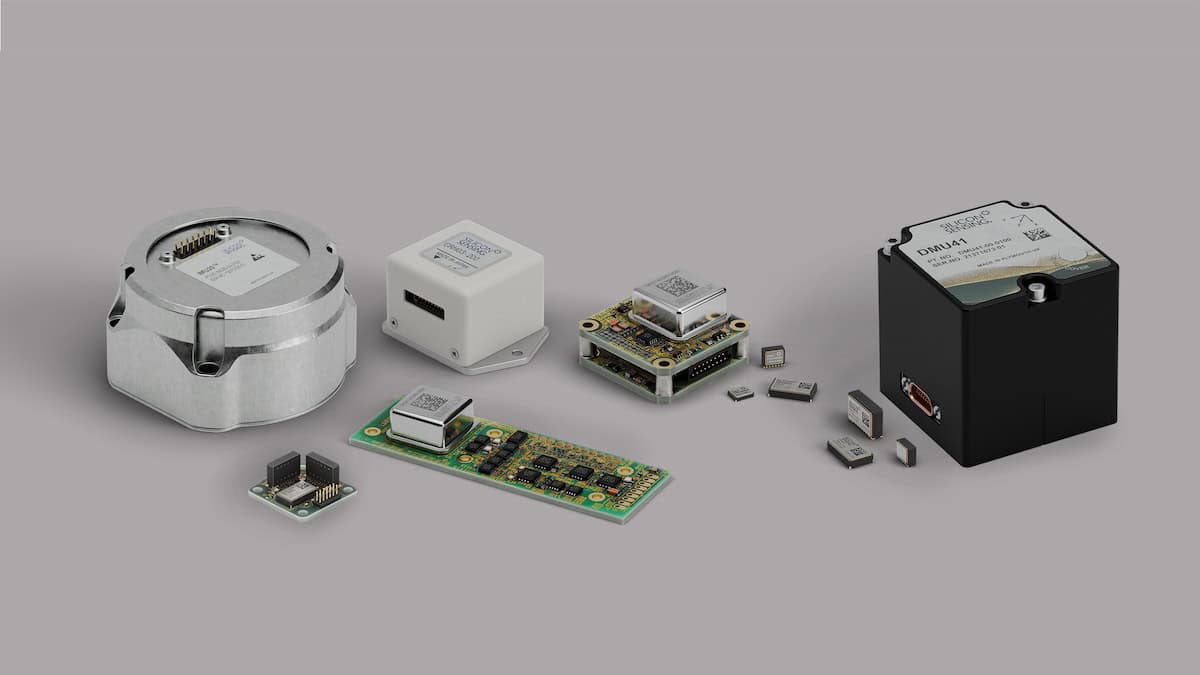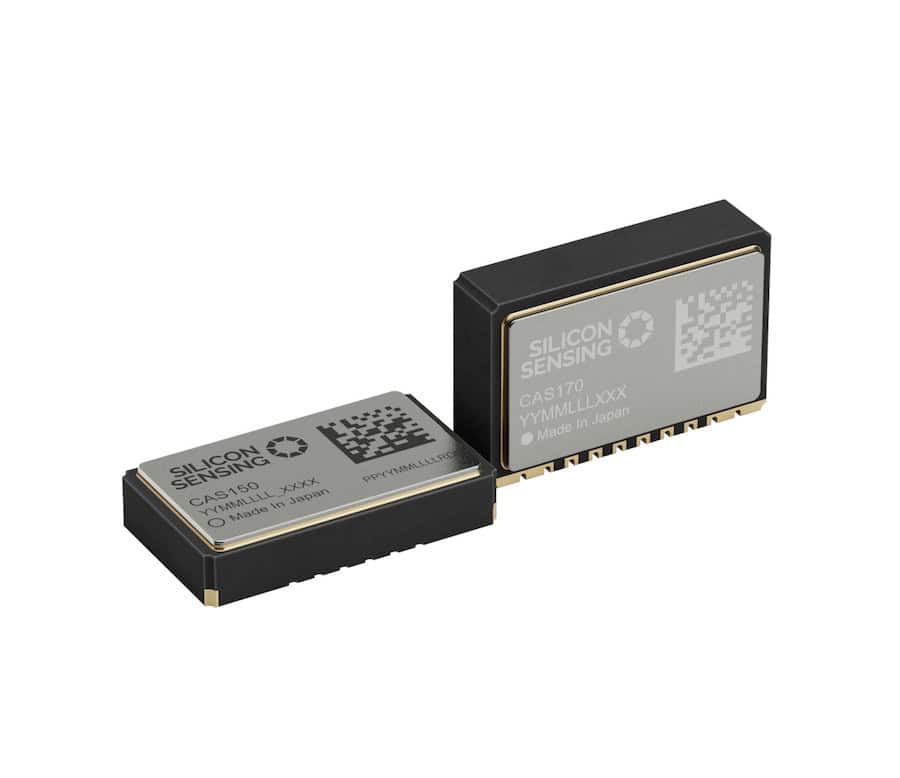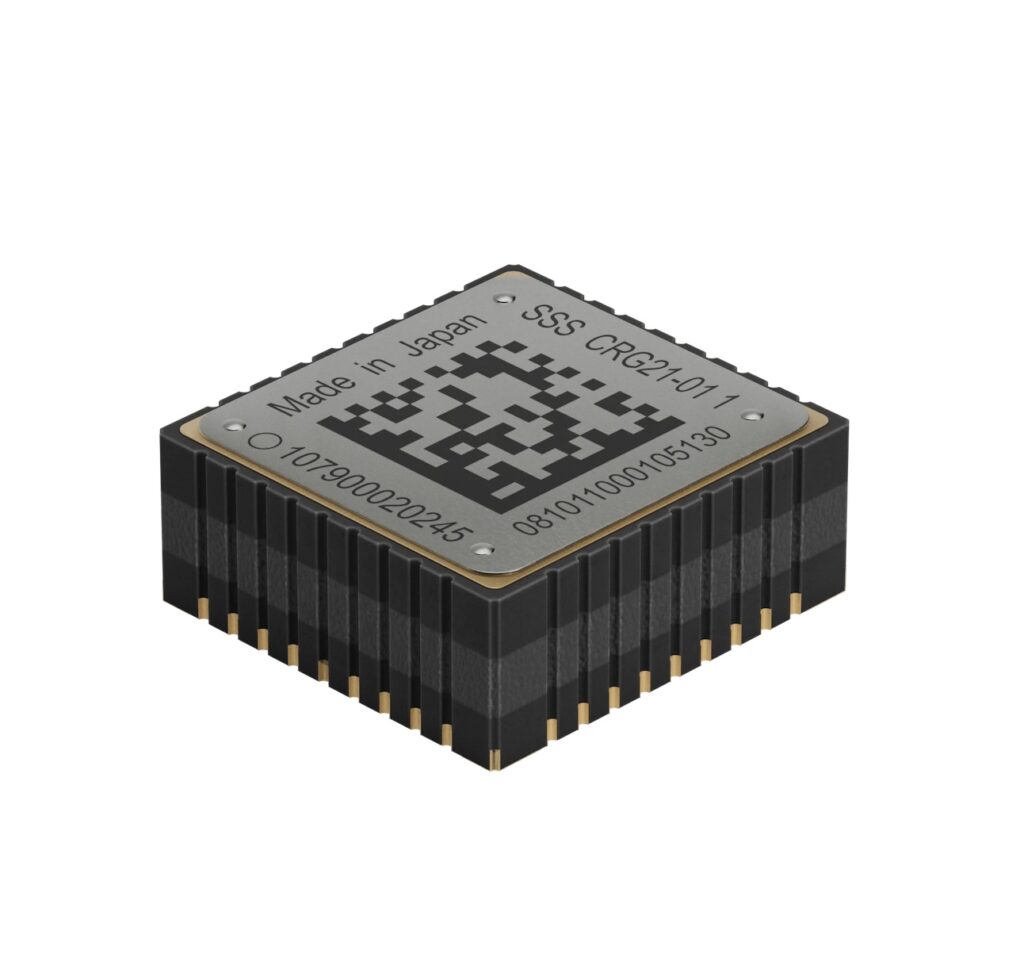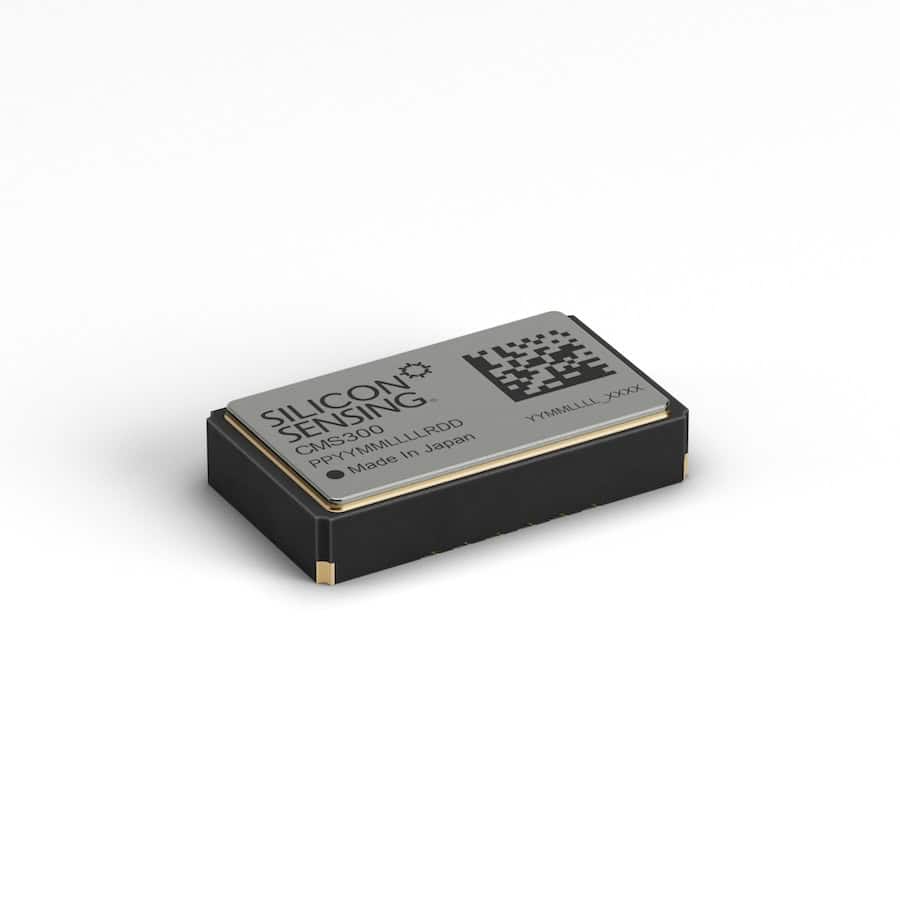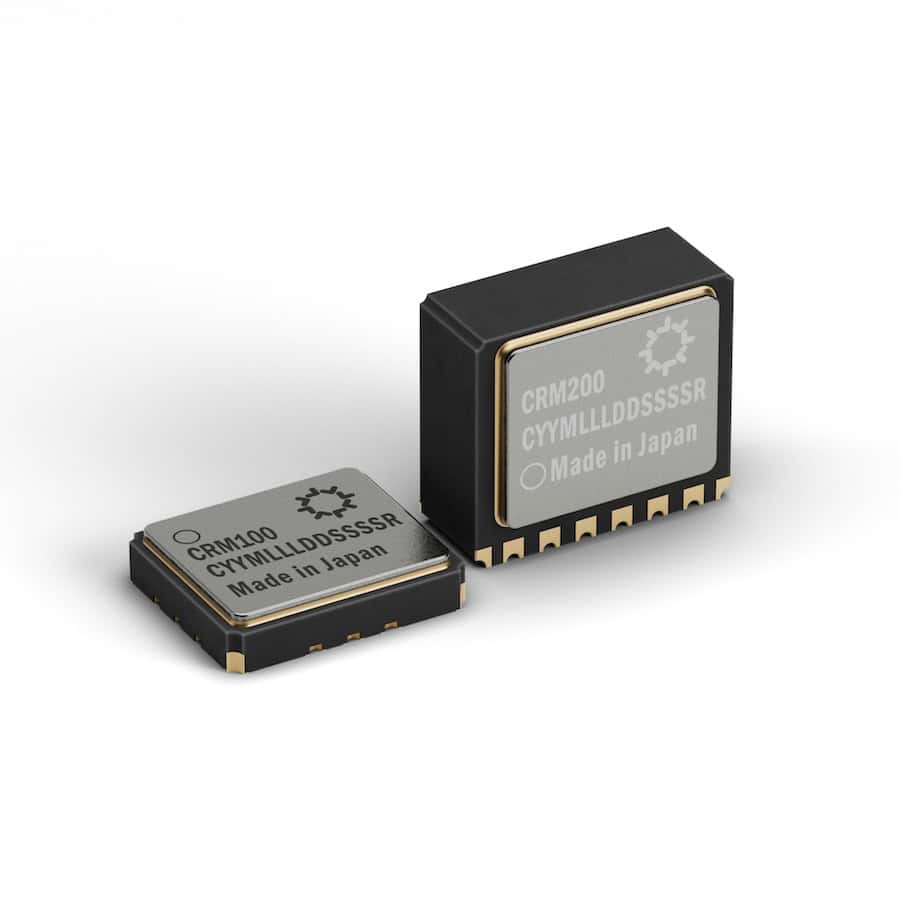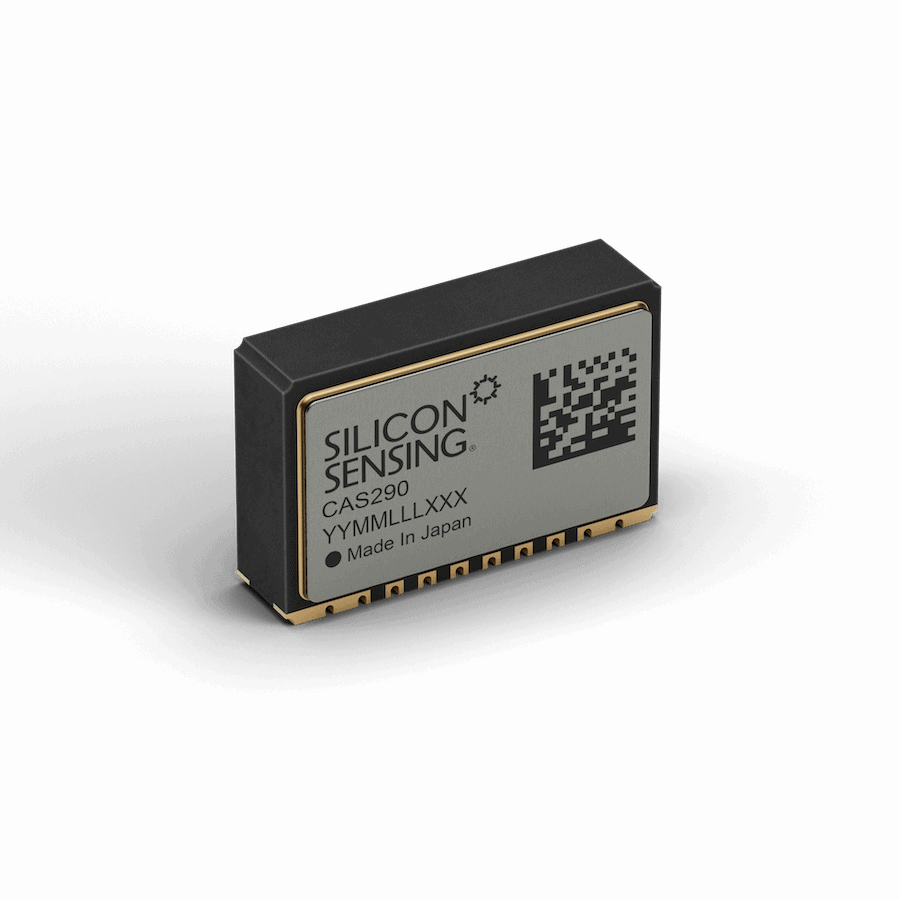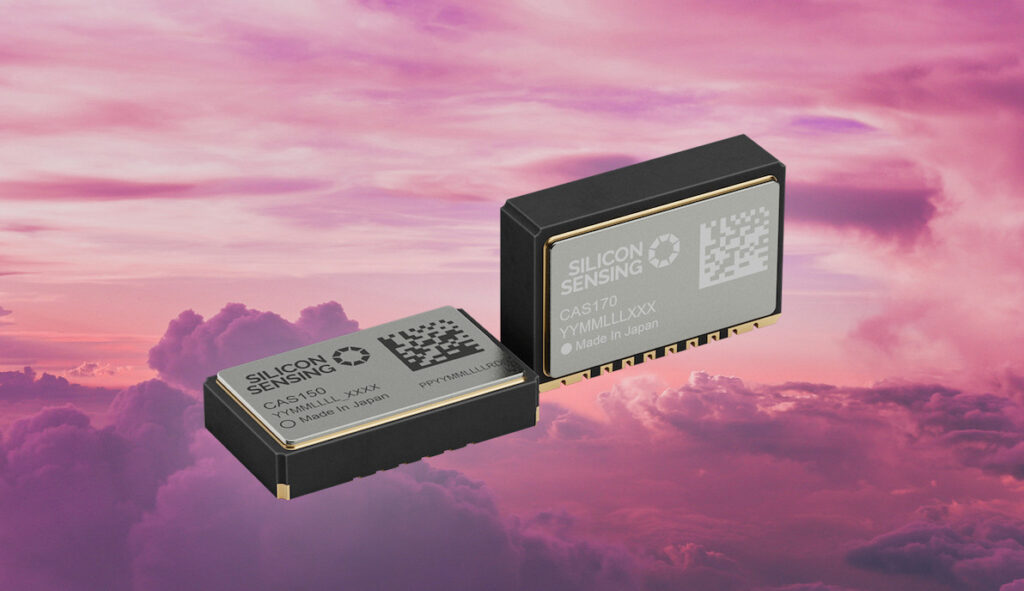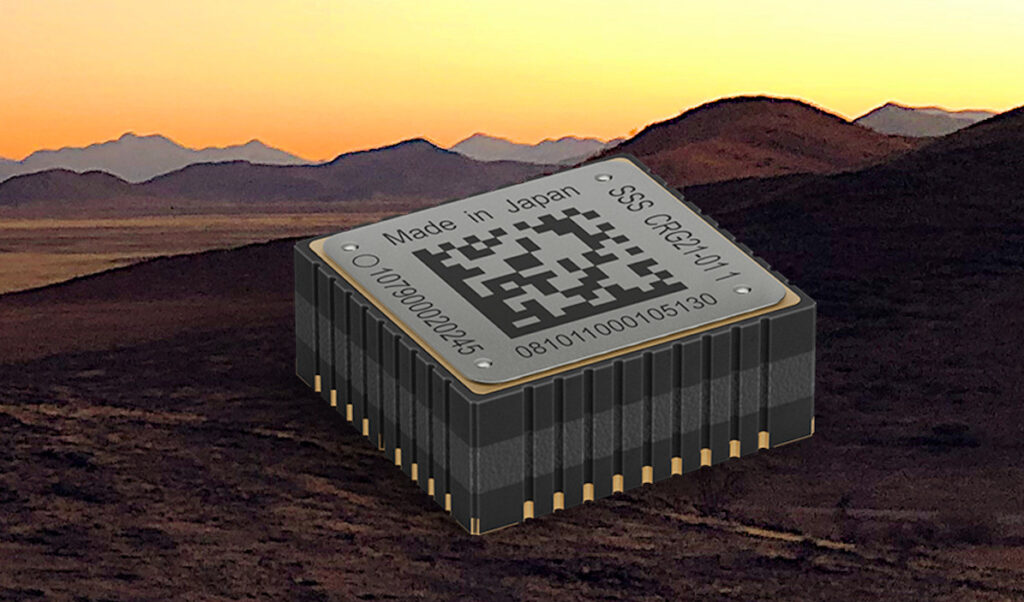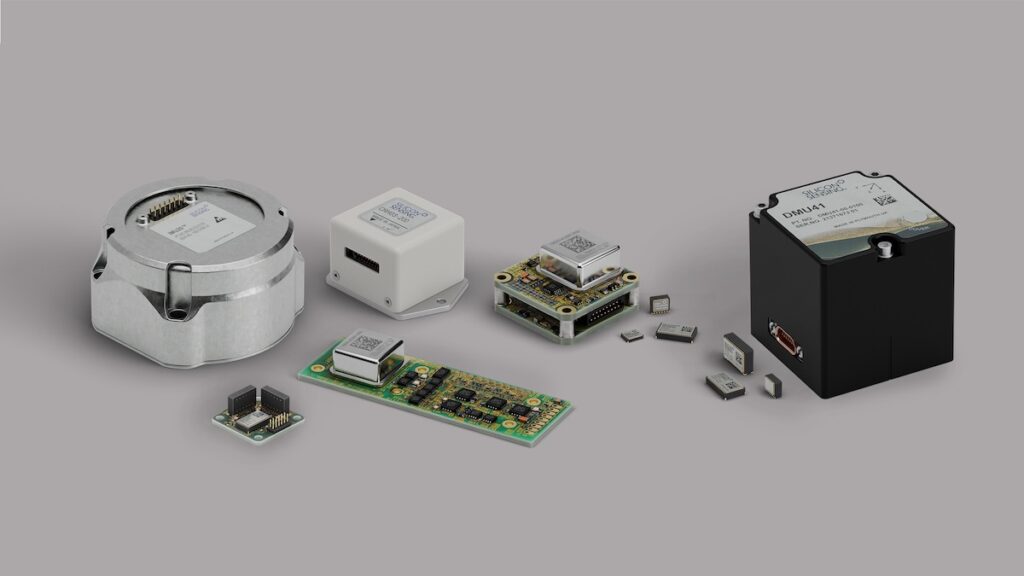


Silicon Sensing, a developer of MEMS gyroscopes, supplied inertial measurement technology during the University of Toronto’s research program, where methods for accurate vehicle localization in autonomous driving were investigated.
The early 2025 study compared a basic odometer-Gyroscope (OG) method against LiDAR and RADAR-based systems in determining spatial awareness in autonomous vehicles, focussing on the accuracy of position and path estimation under varying conditions.
Silicon Sensing’s DMU41 IMU was used to obtain yaw rate data for the OG method. Its performance was evaluated against the existing BOREAS dataset, which includes one year of driving data collected in a variety of weather conditions.
The autonomous driving sector needs more cost-effective and reliable vehicle positioning technologies. LiDAR and RADAR are widely used but have limitations, such as LiDAR’s performance being affected by poor weather, and RADAR offering lower data accuracies.
The OG method, using wheel encoder data combined with yaw rate measurements from the DMU41, was therefore assessed as a low-cost alternative for vehicle spatial awareness.
Research results demonstrated the OG approach outperformed RADAR-based solutions, with a relative translation error of 0.20% as opposed to RADAR’s 0.26%.
This suggests simpler OG technology combined with a high-performance gyro can match advanced methods, while being more cost-effective, computationally efficient, and robust in real-world conditions.
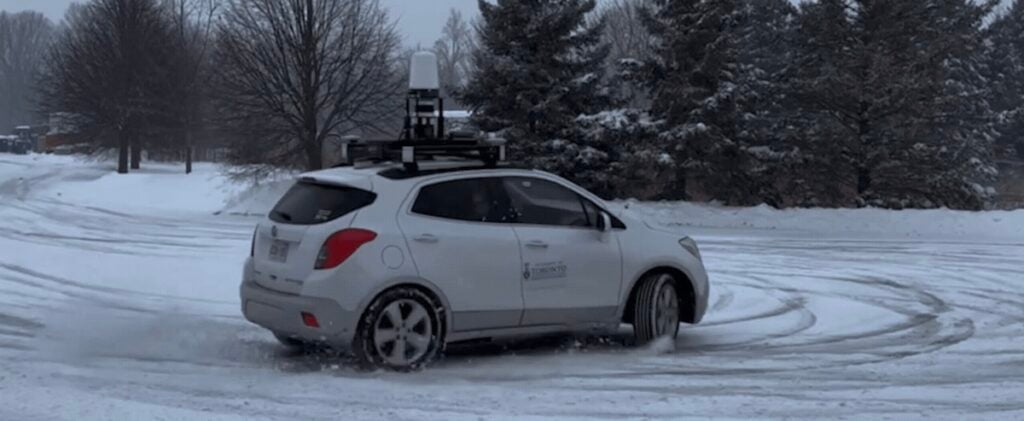
Further testing was also conducted to challenge assumptions in the BOREAS dataset and assess the OG method’s performance under more extreme conditions, specifically the effect of vehicle slippage.
Driving trials were performed in snowy suburban and campus environments, both with and without slippage. Findings continued to show the OG method outperforming RADAR-based systems, with lower computational and financial requirements.
David Somerville, General Manager, Silicon Sensing, stated, “Reducing the cost and complexity of systems used for safe, effective driving, whether autonomous or manned, is essential to achieving a more reliable and cost-effective future. These are promising results, and we hope to continue to contribute to this vital research. Our MEMS inertial technology is ideal for applications such as this, where size, weight, sustained performance and cost are all critical factors.”
Based on these conclusions, the University of Toronto plans to extend research into OG-based technologies, focussing on more challenging scenarios such as increased vehicle slippage and unexpected driving behaviors.