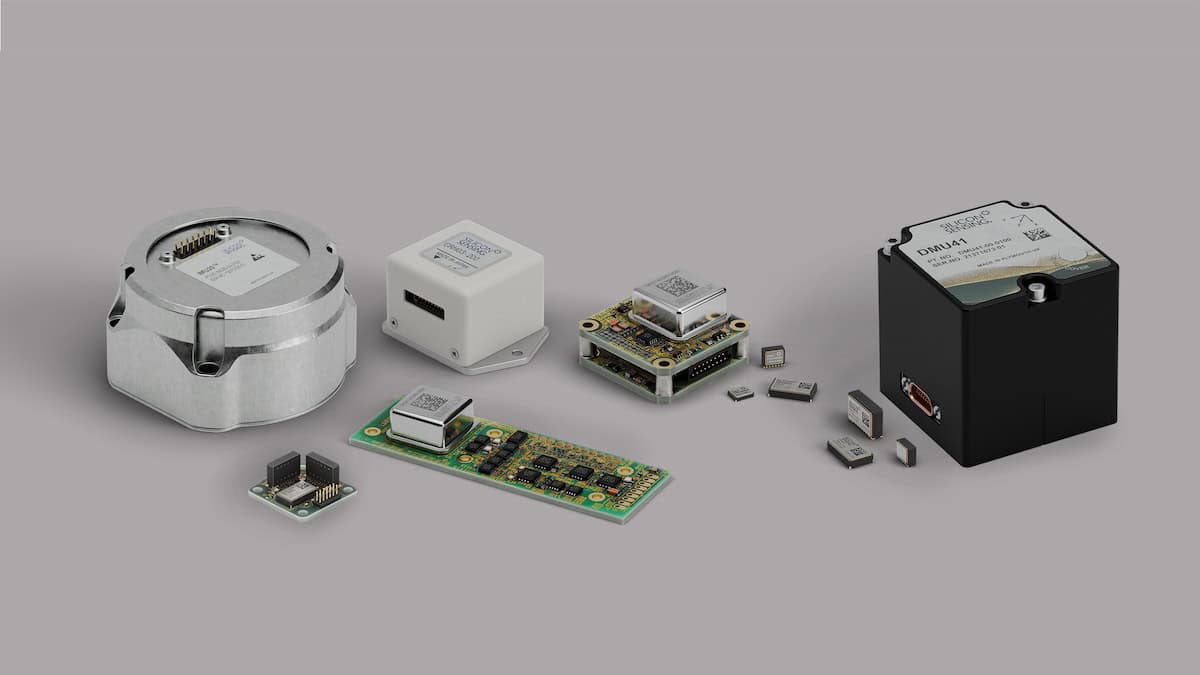
A recently completed test program has evaluated the performance and durability of Silicon Sensing’s DMU41 tactical-grade inertial measurement unit (IMU) in radiation environments similar to those found in space.
The research partnership between Silicon Sensing and the Institute of Science, Tokyo, which was announced in April 2024, showed that the DMU41 continues to perform well when exposed to cumulative radiation doses as high as 10 kRad. This level exceeds the typical radiation encountered during small satellite missions in Low Earth Orbit (LEO).
Testing was conducted at the Institute of Science Tokyo’s Wakasa Wan Energy Research Centre in Fukui City, utilizing a large sample of DMU41 IMUs. The program specifically evaluated Single Event Effect (SEE), which verified resilience to ionising particles, and Total Ionising Dose (TID), which assessed long-term reliability under radiation. All testing used dose and exposure levels at or above key industry standard thresholds, conditions that are harsher than normal operational conditions at LEO.
David Somerville, General Manager, Silicon Sensing comments: “This is an important partnership for us, and these are strong results for our IMU. In this fast-evolving sector performance, size, endurance, power consumption – and cost – are all crucial and these results validate the choice of DMU41 by a growing number of satellite manufacturers. We are confident our technology will significantly improve LEO operations.”
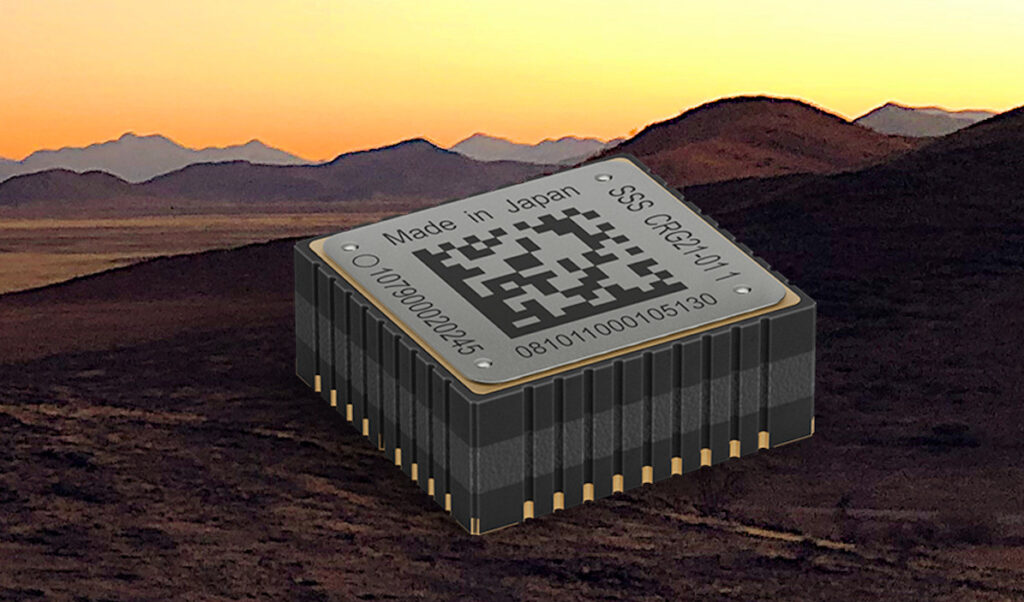
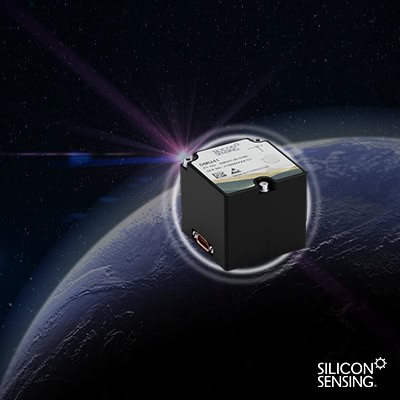
The DMU41 is a robust, 9 degrees of freedom, high-performance IMU. It is designed to operate in temperatures ranging from -40oC to +85oC, and delivers outstanding low noise performance, bias instability, and angle random walk.
The unit offers performance comparable to typical fibre-optic gyro IMUs but comes in a far more compact package, measuring just 50.5×50.5x51mm, weighing under 180g, and consuming less than 1.8W$. The DMU41 is designed to streamline system integration and help satellite developers shorten their certification process.
Silicon Sensing will be available to discuss these results at Space Tech Expo, Bremen, from 18th – 20th November at Booth K23.