
WOLF Advanced Technology explores the importance of Size, Weight, Power, and Cost (SWaP-C) in the design of high-performance systems for defense, aerospace, robotics, and edge AI applications. Read more >>
SWaP-C influences whether a system can transition successfully from concept to deployment, particularly in environments where space, power budgets, and thermal limitations are tightly constrained. While each factor can be considered individually, they remain closely interconnected, with improvements in one area often introducing limitations in another. Increasing compute density, for example, can create additional thermal demands, while reducing power consumption may require more advanced and costly components.
As edge AI systems, autonomous platforms, and portable defense systems continue to evolve, SWaP-C requirements increasingly define what is operationally feasible. Systems designed without early consideration for these constraints can encounter overheating, battery limitations, or integration challenges later in development. Achieving the required level of performance within practical deployment boundaries requires continuous management of compute, thermal, power, and cost trade-offs.
SWaP-C optimization can also create significant operational advantages when performance is improved within fixed physical constraints. In VPX-based systems, newer GPU boards now deliver substantially greater compute capability while maintaining the same form factor and comparable weight, improving performance per pound and overall system efficiency.
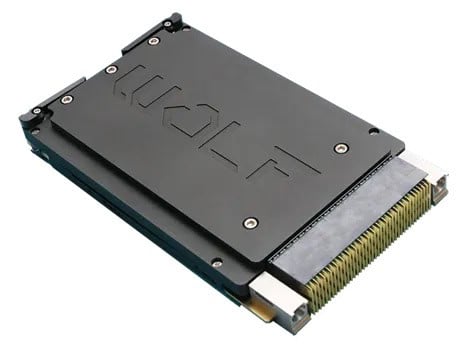
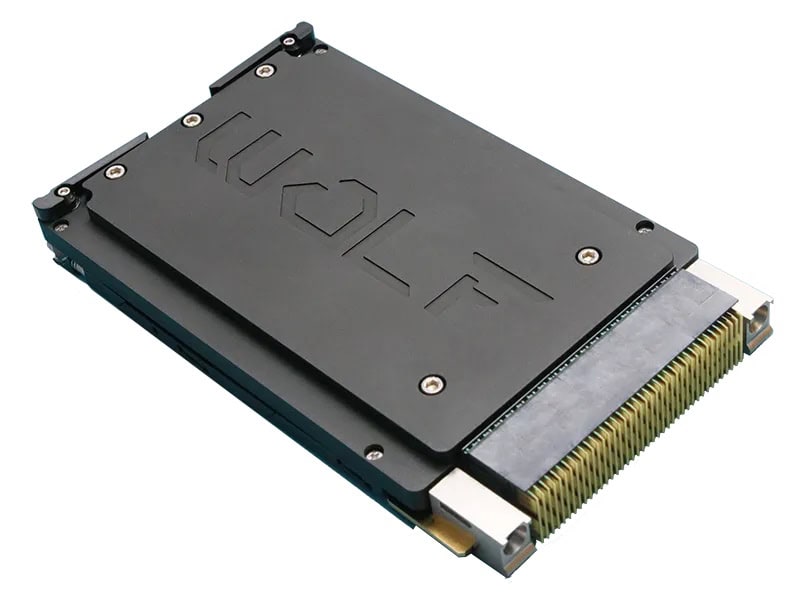
WOLF applies this approach through its VNX+ ecosystem, including the VNXP-ORIN-NX module, which provides up to 100 TOPS of AI inference capability within a package weighing approximately 220g. Configurable VNX+ chassis sizes ranging from roughly four to ten inches in diameter allow compute capability to be scaled across platforms where strict size, weight, and power limitations must be maintained.
By integrating hardware, software, and AI development with early modeling and iterative design processes, SWaP-C becomes a systems-level engineering discipline rather than simply a design constraint. Defining performance requirements first, then optimizing efficiency within real-world operational boundaries, supports the development of scalable and reliable architectures capable of meeting demanding deployment requirements.
To find out more information, read ‘SWaP-C: No Room for Bad Engineering’ here >>