

Knight Optical outlines the key considerations for selecting between optical domes and optical windows, including performance characteristics, environmental conditions, and material selection. Read more >>
Optical domes and windows are widely used components across a variety of systems, ranging from consumer technologies such as smartphones, barcode scanners, and surveillance equipment to advanced platforms including satellite imaging systems, Remotely Operated Vehicles (ROVs), and underwater imaging solutions. The appropriate choice depends on system configuration, operating environment, and wavelength requirements.
Both flat windows and dome-shaped optics function as protective elements while allowing light transmission. However, they are not interchangeable. The selected geometry directly influences optical performance, mechanical durability, and Field Of View (FOV).
Optical Domes: Use Cases & Characteristics
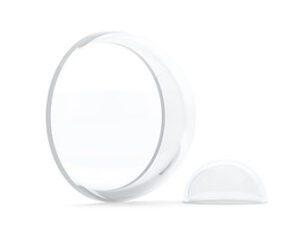
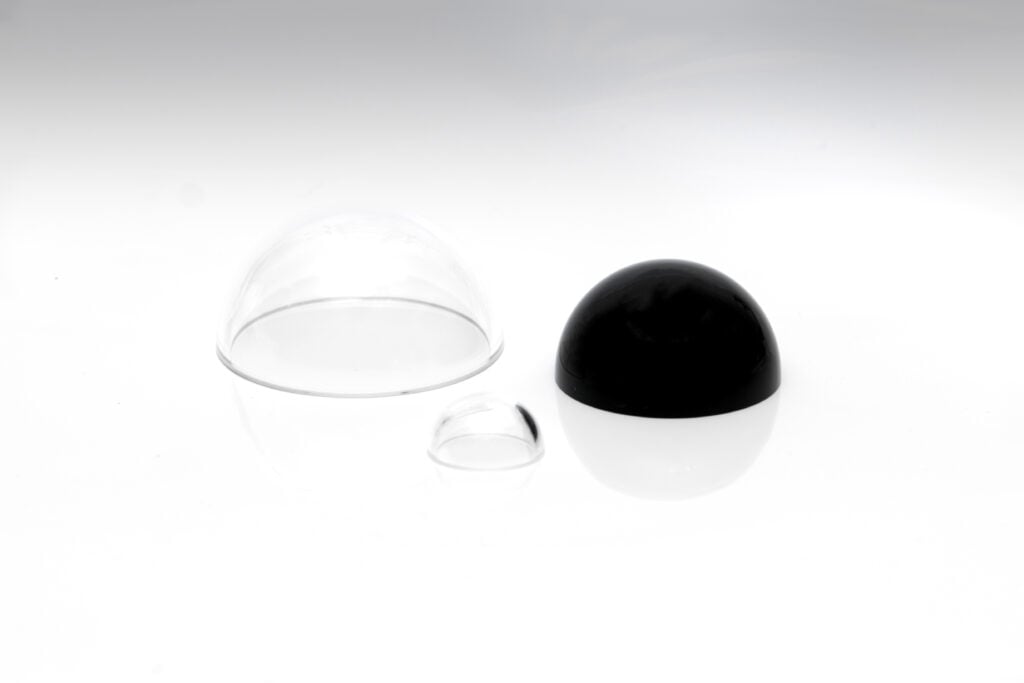
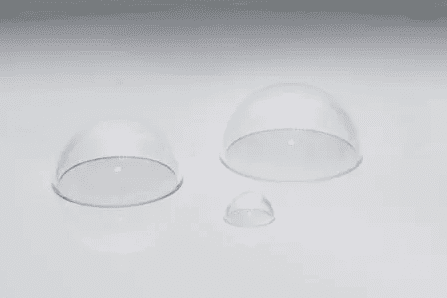
Optical domes are hemispherical components that offer increased structural strength under high-pressure conditions. This makes them suitable for applications such as marine research and infrastructure inspection, where they are used in subsea housings for submersible vehicles and underwater imaging cameras.
Their curved shape enables a wider field of view while ensuring the optical path is not disrupted. As a result, optical domes are also utilized in applications beyond subsea environments, including protecting camera lenses and optical sensors in CCTV systems, supporting aerial navigation platforms, and shielding equipment in film and television applications that require wide-angle imaging.
They are typically selected for systems operating in high-pressure or demanding environments, including deep-sea deployments and defense-related applications, as well as for configurations requiring a broader FOV.
Optical Windows: Use Cases & Characteristics
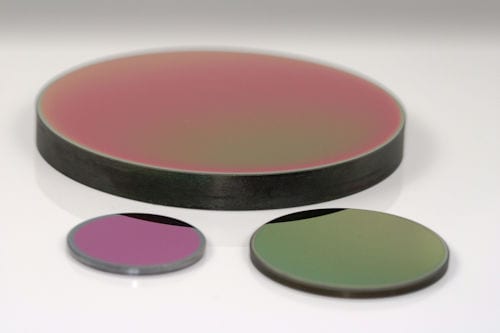
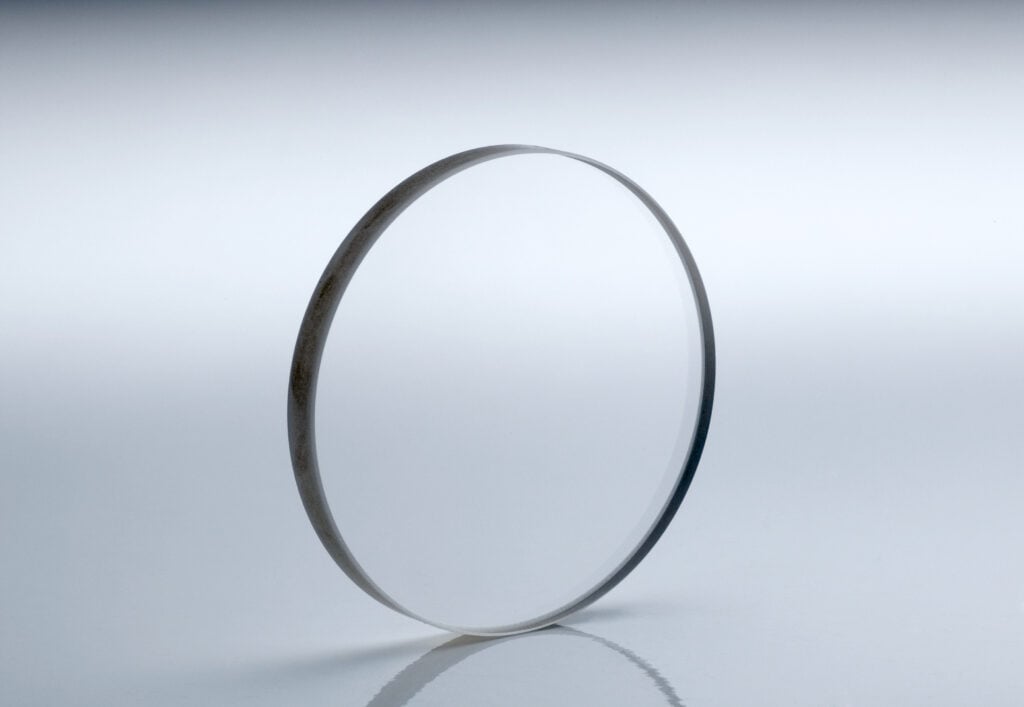
Optical windows provide a flat protective surface that transmits light without introducing magnification. This makes them particularly suitable for systems with narrow FOV.
They are widely used in laser systems, machine vision, and thermal imaging applications such as building inspection and industrial monitoring. Their flat form also allows for straightforward integration. Where magnification is not required and ease of integration is a priority, optical windows are generally more suitable.
Materials & Optical Coatings
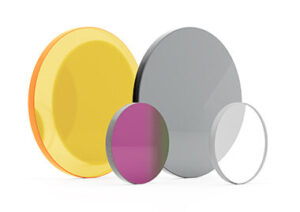
Material selection is key to optical performance. For visible-spectrum applications, BK7 glass provides a cost-effective and durable solution. For ultraviolet transmission, UV-grade fused silica is suitable for wavelengths down to 185 nm. In environments requiring high mechanical strength, sapphire is often selected. For infrared applications such as thermography and gas detection, zinc selenide and zinc sulphide offer effective transmission at longer wavelengths.
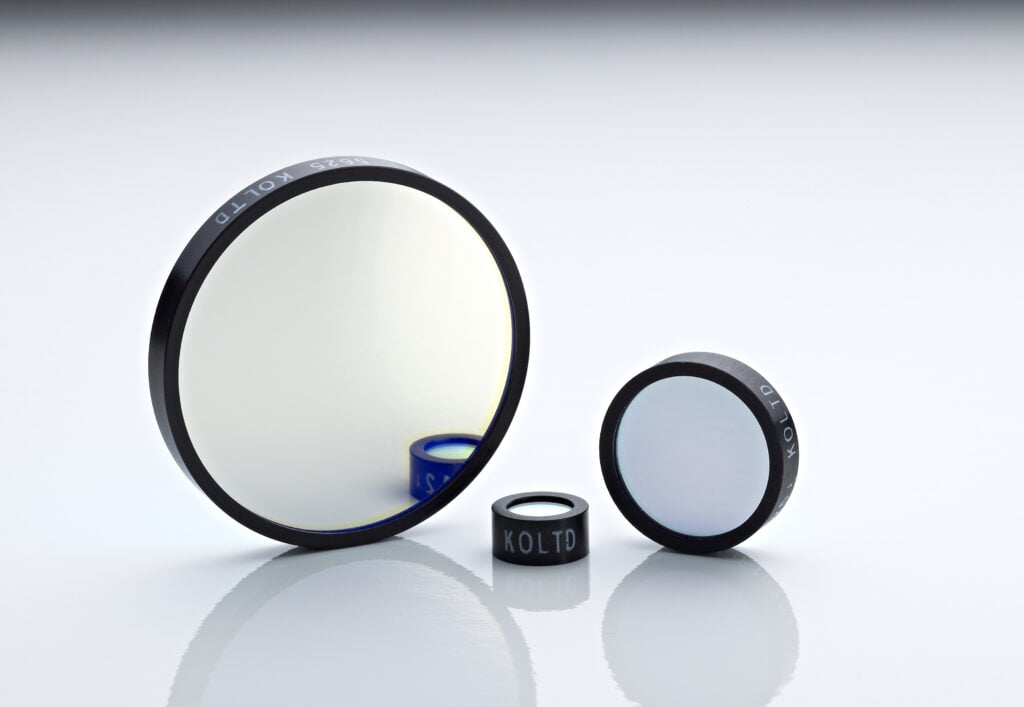
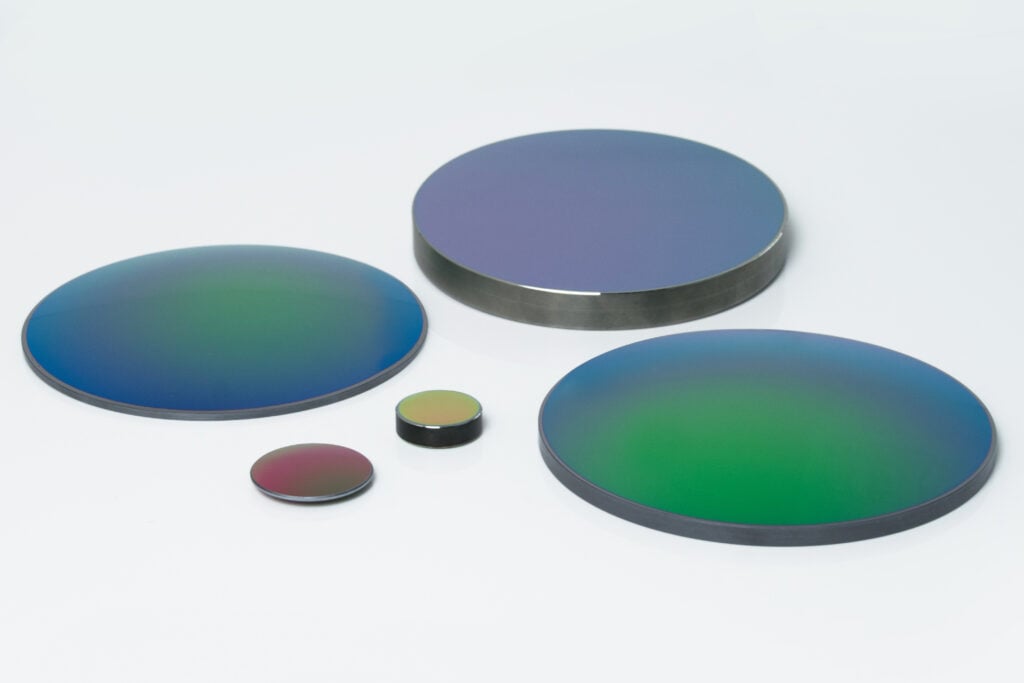
Optical coatings can be applied to improve performance. Anti-Reflective (AR) coatings increase transmission efficiency, while hydrophobic, oleophobic, and diamond-like carbon coatings help improve longevity and maintain surface quality.
The selection of optic type, substrate, and coating depends on application requirements, including wavelength range, environmental conditions, operating temperature, mechanical durability, and budget.
To find out more information, read ‘When to Choose Optical Domes Over Optical Windows’ here >>