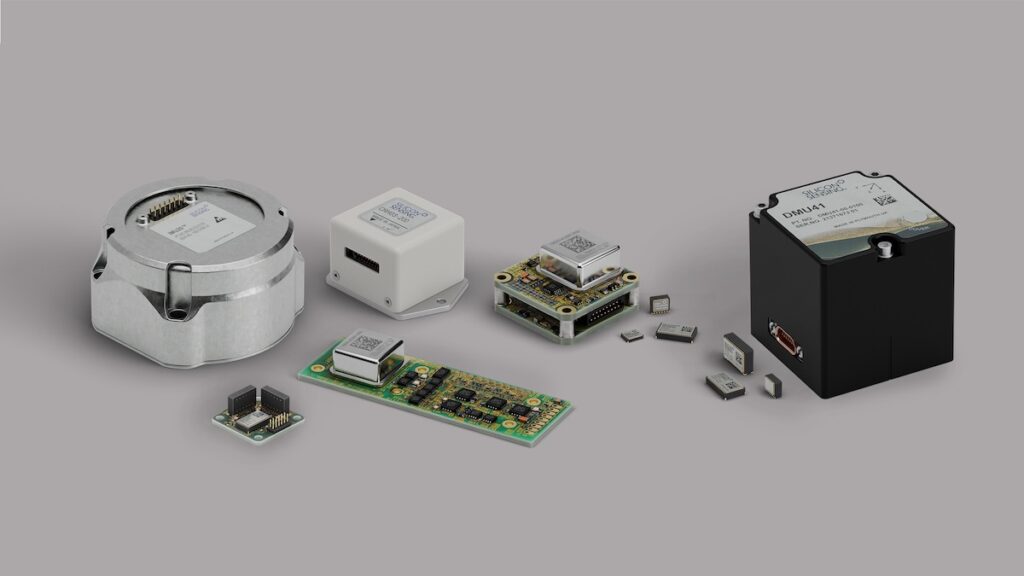

As unmanned systems continue to demand precise motion sensing for stability, navigation, and control, the decision to build or buy an IMU (inertial measurement unit) has become a key consideration for system developers.
Essential in unmanned platforms, IMUs enable precise orientation and motion tracking in GPS-denied environments, during aerial survey operations, or for stabilizing robotics and mobile autonomous systems.
As a leading developer of reliable high-precision MEMS gyroscopes, MEMS accelerometers, IMUs and inertial sensing systems for unmanned systems, Silicon Sensing provides unique industry insights into this decision in the article “Buying Vs Building an IMU“.
Choosing the Right Approach
Silicon Sensing stress that the build-versus-buy decision should be driven by program goals, available development resources, and required deployment timelines. When control over every aspect of sensor design is necessary, internal development may be warranted. However, for the majority of unmanned systems programs, purchasing a proven IMU shortens time to deployment, reduces uncertainty, and ensures repeatable performance.
Developing In-House IMUs: Customization Versus Complexity
Creating an IMU internally may initially appear cost-effective. Development boards are accessible, individual sensors are inexpensive, and open-source software ecosystems offer a seemingly fast path to implementation. In theory, combining discrete gyroscopes and accelerometers with microcontroller-based fusion algorithms can result in a customized inertial solution.
This approach allows selection of specific sensors from different vendors to achieve unique performance profiles. However, this flexibility comes at a cost. The integration of disparate components introduces potential compatibility issues, and system performance becomes highly dependent on sensor calibration quality.
Accurate calibration requires access to advanced facilities and equipment, including thermal chambers, precision turntables, and vibration test systems. Additionally, the setup must be isolated from structural vibrations and ambient interference, adding to facility and infrastructure requirements. These factors translate to significant investment in both capital and engineering expertise.
Moreover, low bias instability, thermal compensation, and consistent scale factor performance are only achievable through expert-level development of sensor fusion algorithms and extensive environmental qualification. While feasible for research programs, such development paths are rarely justifiable for most unmanned systems integrators focused on deployment timelines and operational reliability.
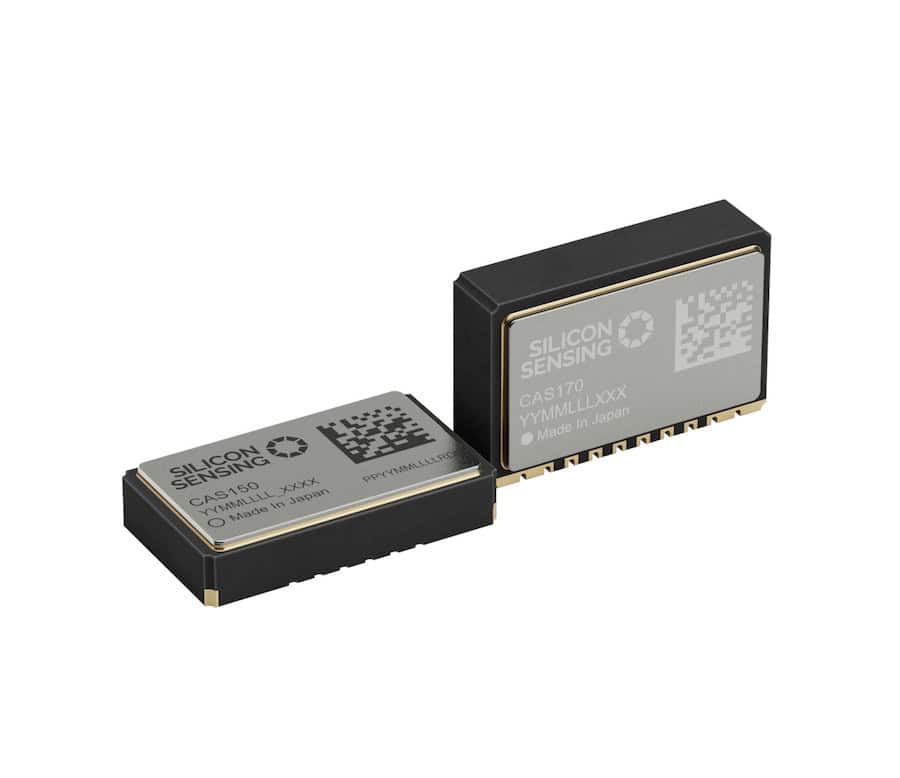
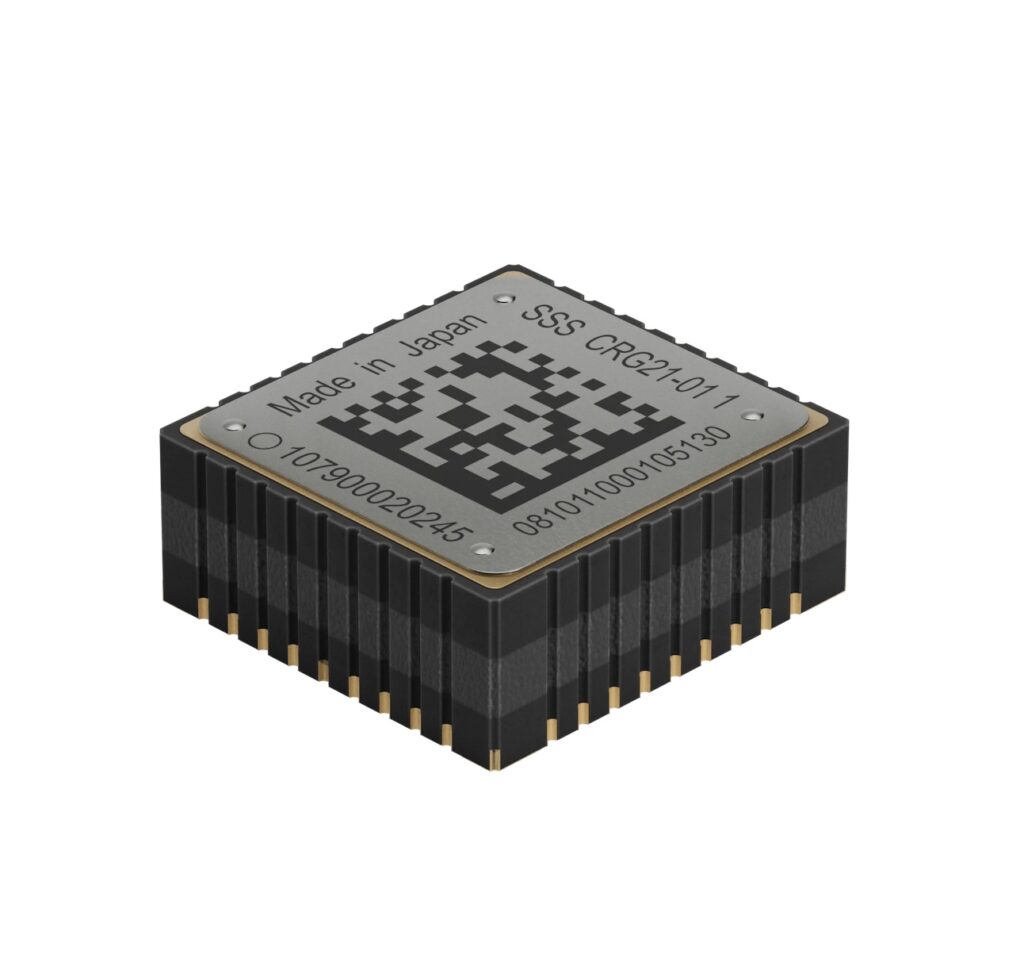
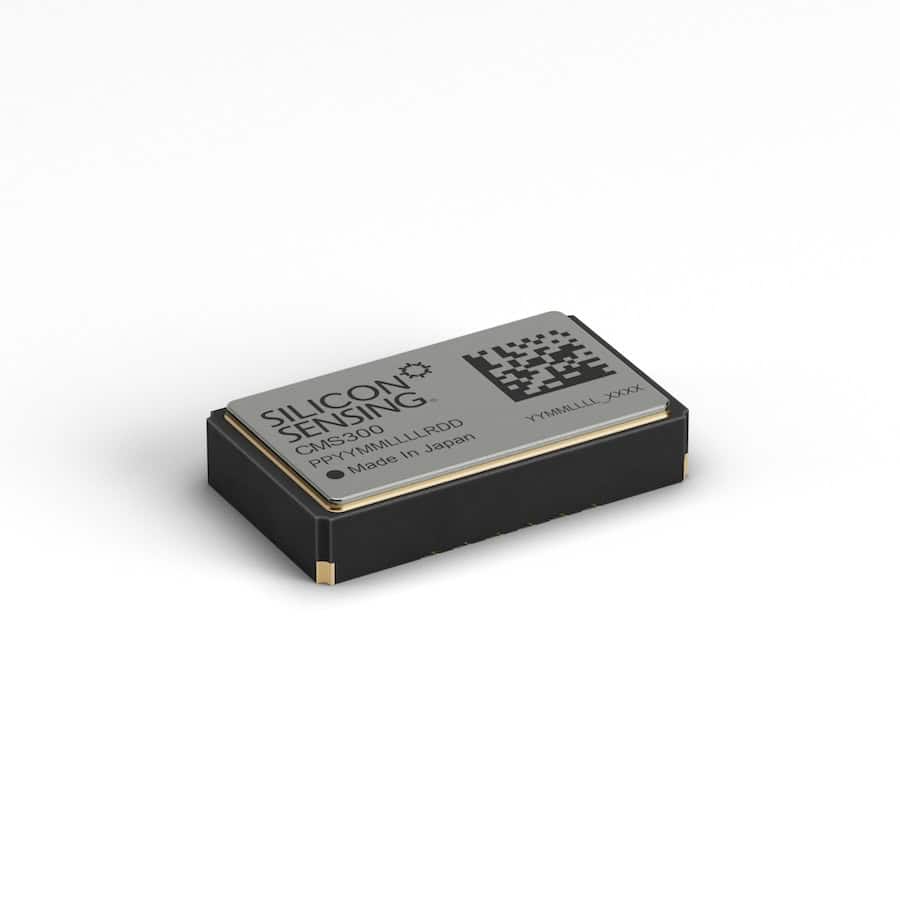
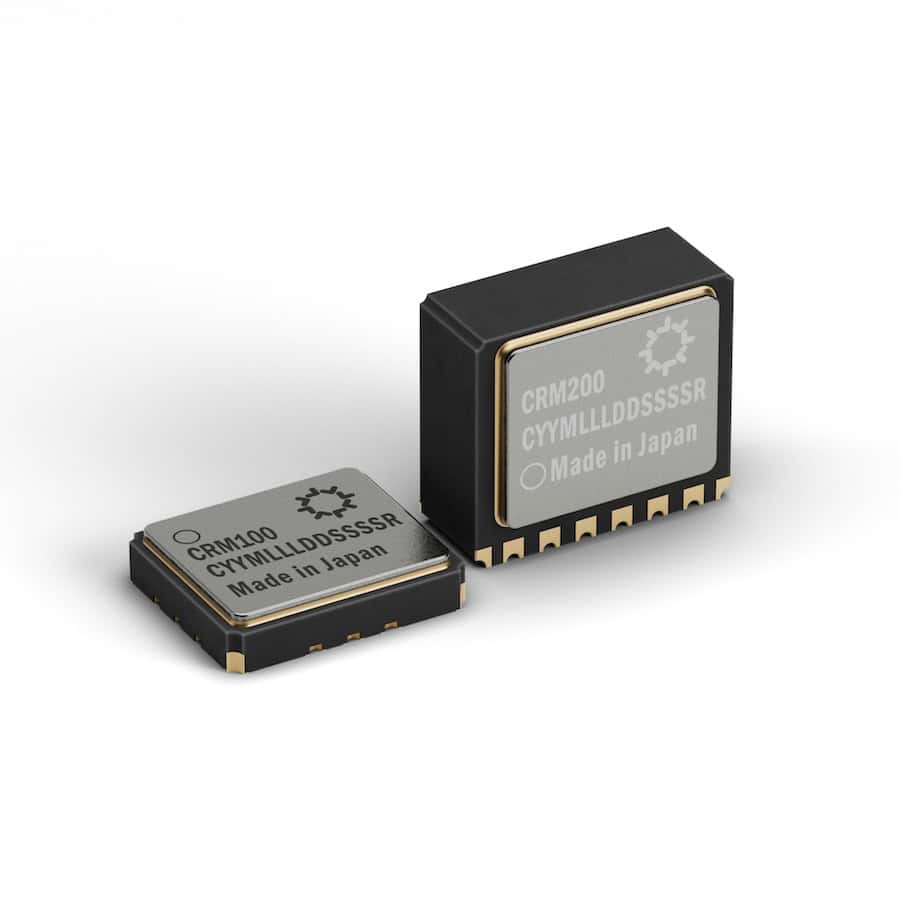
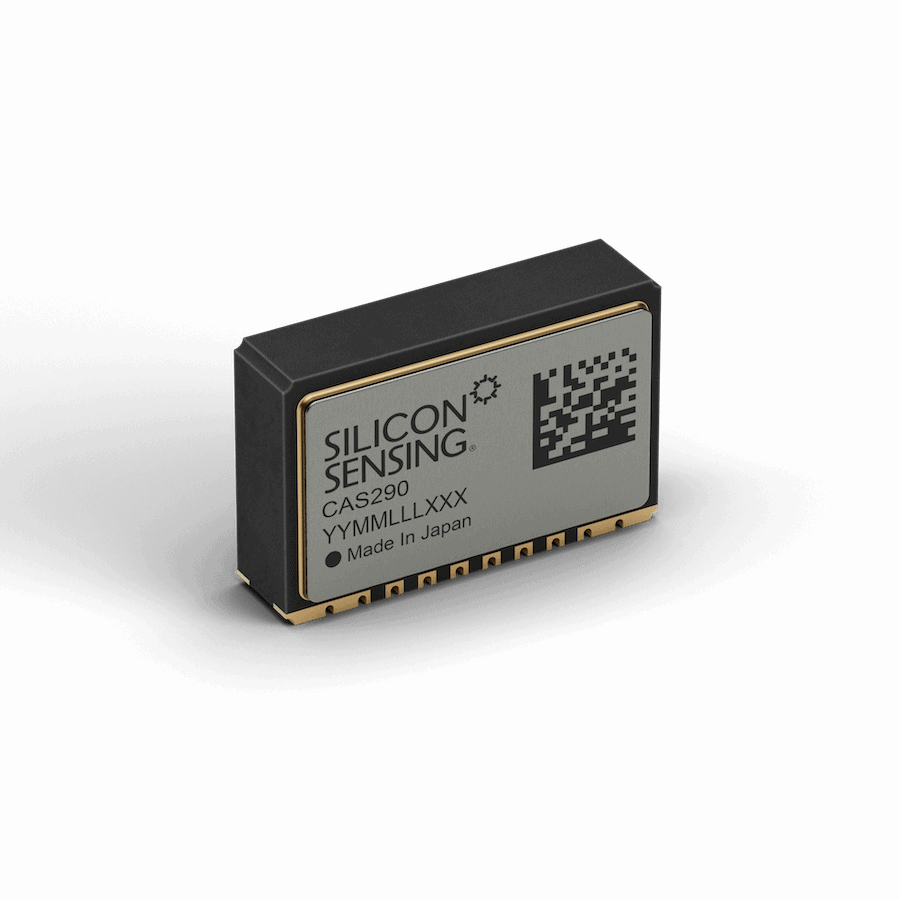
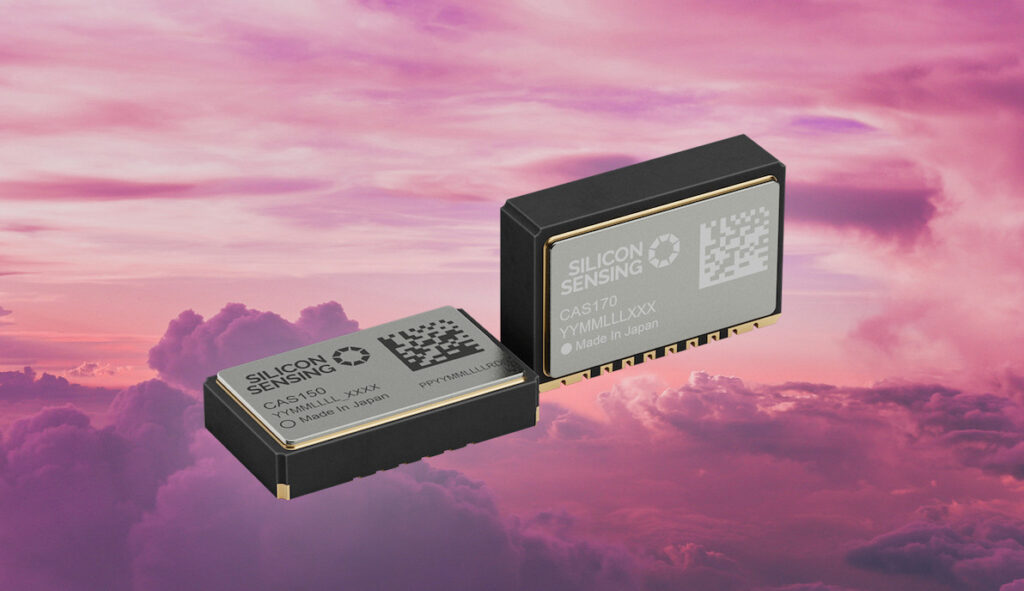
For teams committed to a custom solution, Silicon Sensing offers a portfolio of accelerometers and gyroscopes designed for mutual compatibility. Using sensors from a single source reduces integration complexity and enhances predictability in performance. The company also supports system developers with expertise in calibration, environmental testing, and system-level optimization.
Commercial IMUs: Accelerating Deployment with Proven Performance
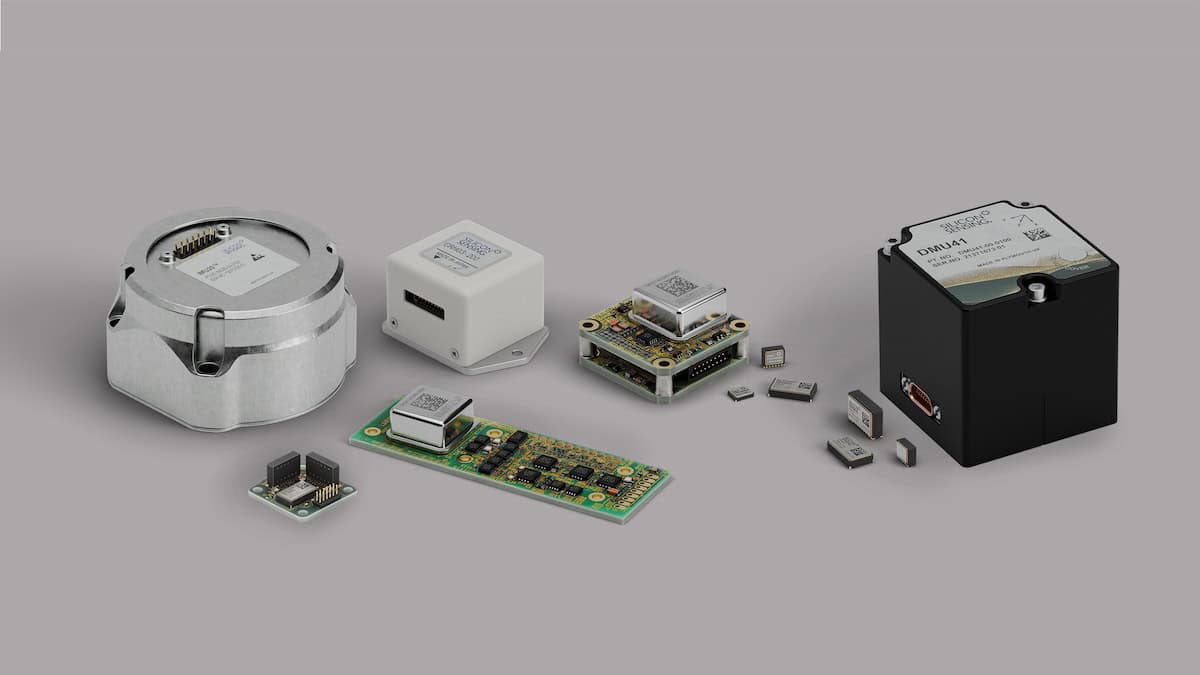
DMU41 by Silicon Sensing
Integrating a pre-built IMU offers immediate advantages in terms of engineering efficiency and system integration. These devices are delivered with fully calibrated, qualified sensor suites, removing the need for internal development of custom calibration procedures or test fixtures. This allows project teams to concentrate on higher-level control and navigation logic.
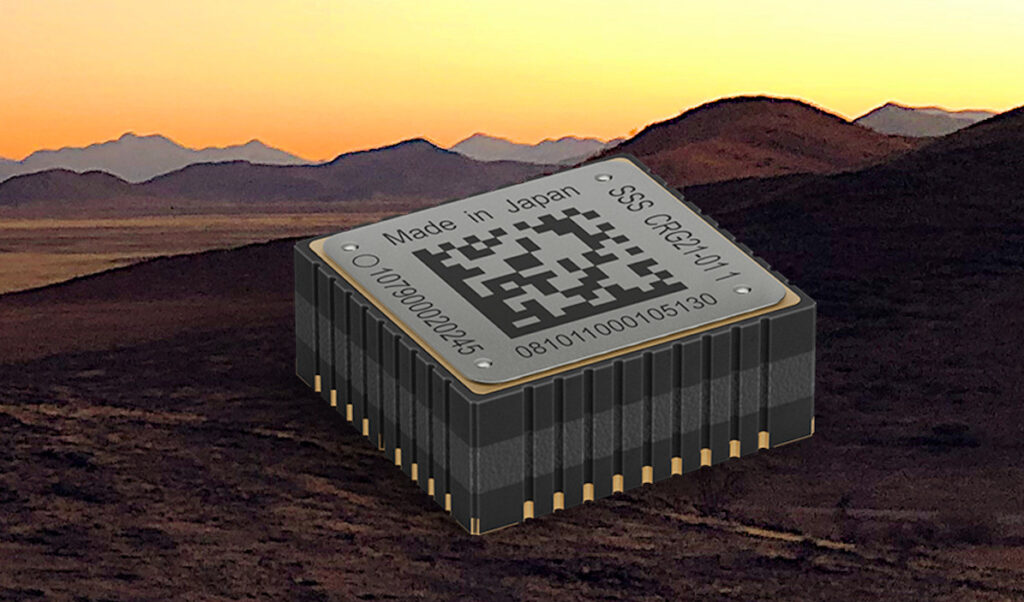
Silicon Sensing’s DMU41, for example, is designed for high-precision unmanned applications. The unit integrates matched MEMS sensors, optimized for consistent performance across bias, scale factor, and temperature. Each IMU undergoes detailed qualification prior to shipment, including mechanical shock, vibration, and thermal cycling, ensuring reliability in demanding conditions.
While commercial IMUs can present limitations in configurability, such as fixed data rates or communication protocols, modern devices are typically designed with a level of flexibility that meets the majority of unmanned applications. Still, engineers must assess these constraints in the context of their architecture, especially where unique data handling or interface logic is involved.
Where off-the-shelf solutions are appropriate, they offer the advantage of reduced technical risk, minimal development overhead, and faster system integration. For unmanned platforms operating in diverse or mission-critical environments, consistency in performance is often more valuable than the theoretical flexibility of a custom design.
Whether building or buying, selecting a supplier with both sensor-level components and integrated systems, such as Silicon Sensing, provides long-term benefits. This includes access to cohesive sensor suites, reduced interoperability challenges, and expert support throughout the product lifecycle.