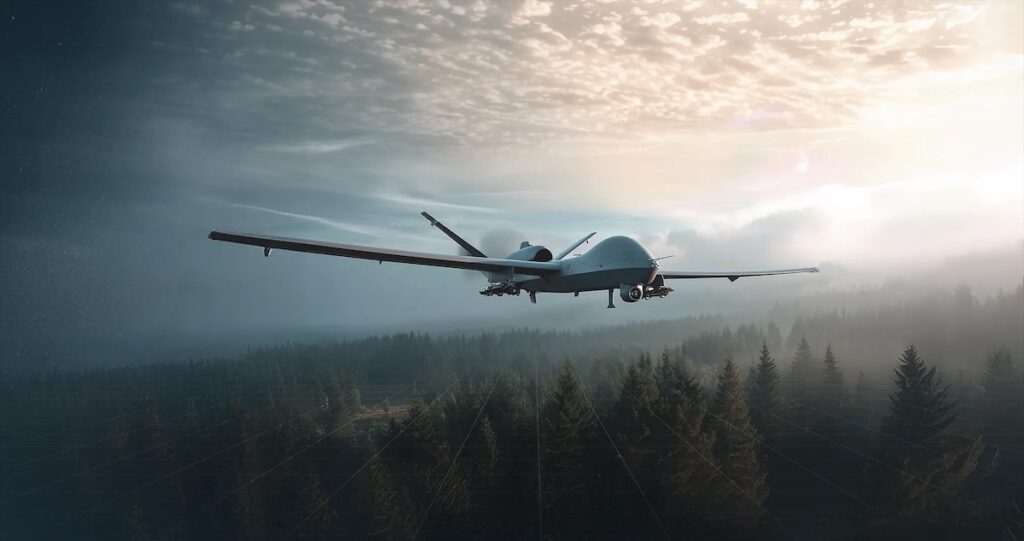
Advanced Navigation outlines supply chain challenges affecting the availability of high-performance Inertial Navigation Systems (INS) for Unmanned Aerial Vehicles (UAVs) and drone programs, and how vertically integrated manufacturing can help address them. Read more >>
As global demand for Assured Positioning, Navigation, and Timing (APNT) continues to increase, defense organizations are experiencing extended lead times when sourcing Fiber Optic Gyroscope (FOG) technology and the INS platforms built around it. In some cases, legacy supply chains require up to 24 months to deliver the sensors needed to support autonomous navigation in GPS-denied environments, creating delays for programs targeting rapid deployment.
FOG-based navigation systems are widely used in UAV applications because their low noise characteristics and bias stability enable accurate positioning over extended periods without reliance on external signals.

However, producing these sensors can be complex. Traditional FOG manufacturing often involves manual coil winding processes that require specialized expertise and can produce lower yield rates. In addition, many legacy suppliers rely on fragmented supply chains, sourcing components such as glass, optical chips, and housings from multiple third-party vendors, which introduces potential vulnerabilities and can slow production timelines. Smaller UAV programs may also face delays when manufacturing capacity is prioritized for large platforms such as naval vessels or fighter aircraft.
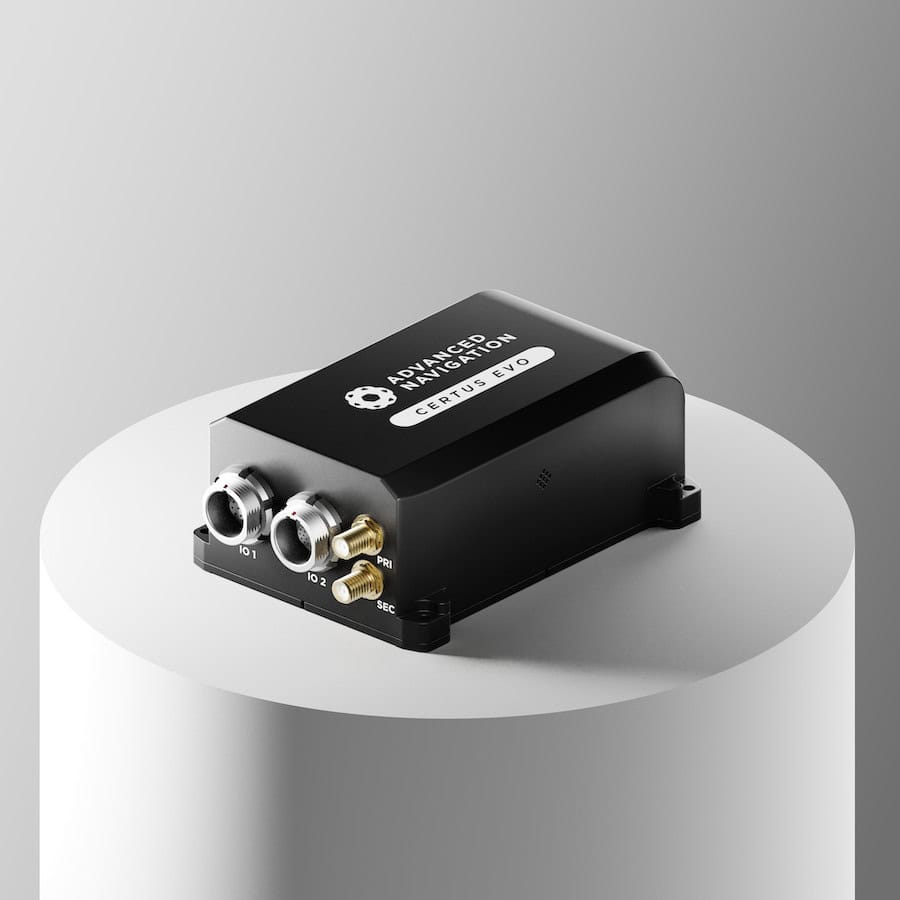
Advanced Navigation addresses these constraints through vertically integrated manufacturing, producing core navigation technologies in-house rather than assembling systems from externally sourced components. By managing the process from precision component production through to final INS integration, the company maintains control over quality and supply chain reliability. This manufacturing approach enables shorter delivery timelines, allowing navigation systems to be supplied in weeks rather than the six to twenty-four months often associated with traditional alternatives.
The company’s navigation solutions are also ITAR-free, reducing export control restrictions that can introduce administrative complexity into procurement and deployment. Without the regulatory constraints associated with ITAR-controlled equipment, program managers can position spare units in forward locations and share navigation telemetry with coalition partners more easily.
Combined with this secure manufacturing model, production can scale with UAV fleet demand, reducing reliance on external suppliers and helping ensure navigation systems are available when deployment is required.