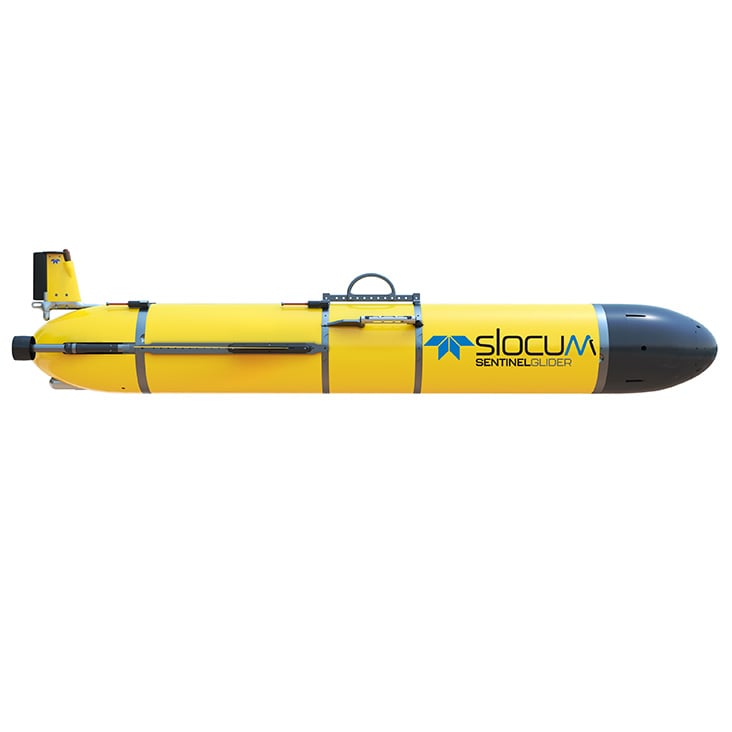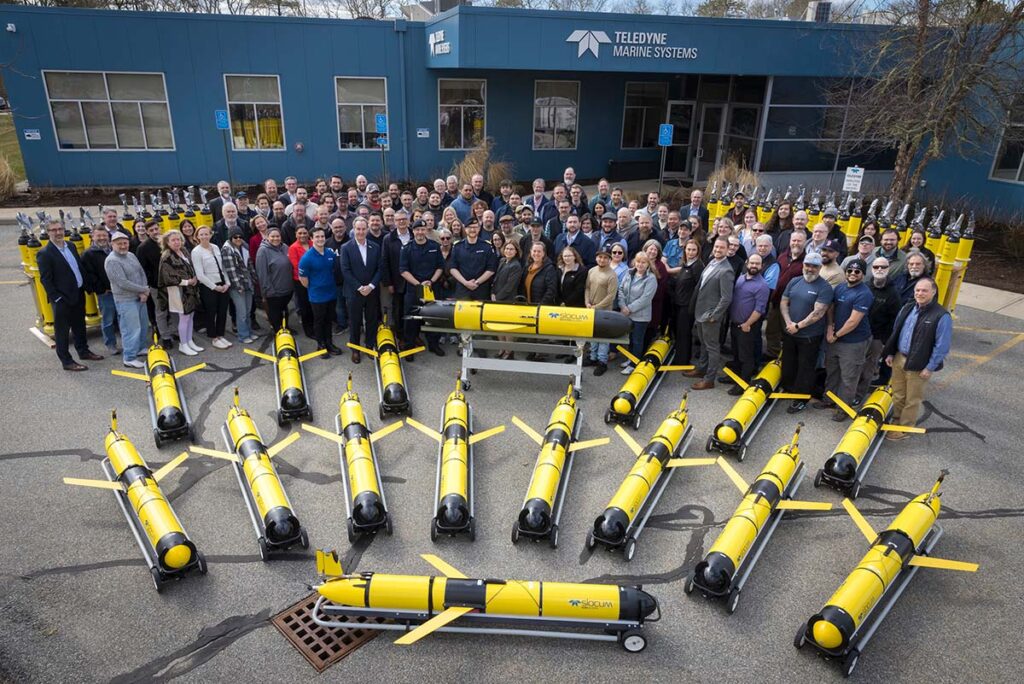
Teledyne Marine recently completed a series of Anti-Submarine Warfare (ASW) demonstrations in the North Atlantic to showcase autonomous detection and communication capabilities to NATO members.
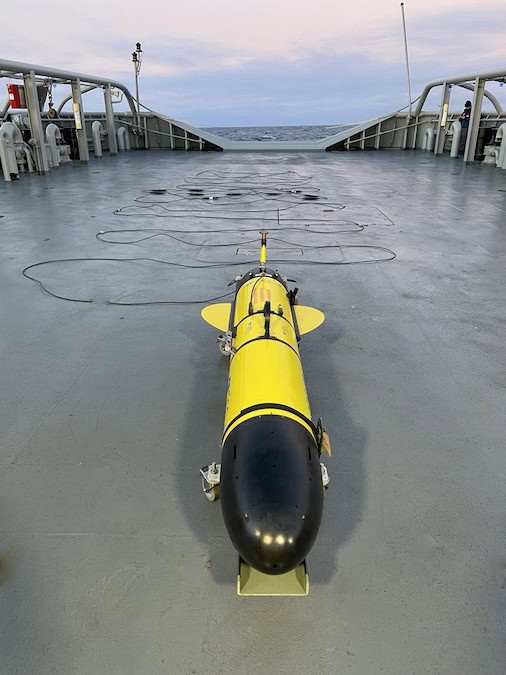
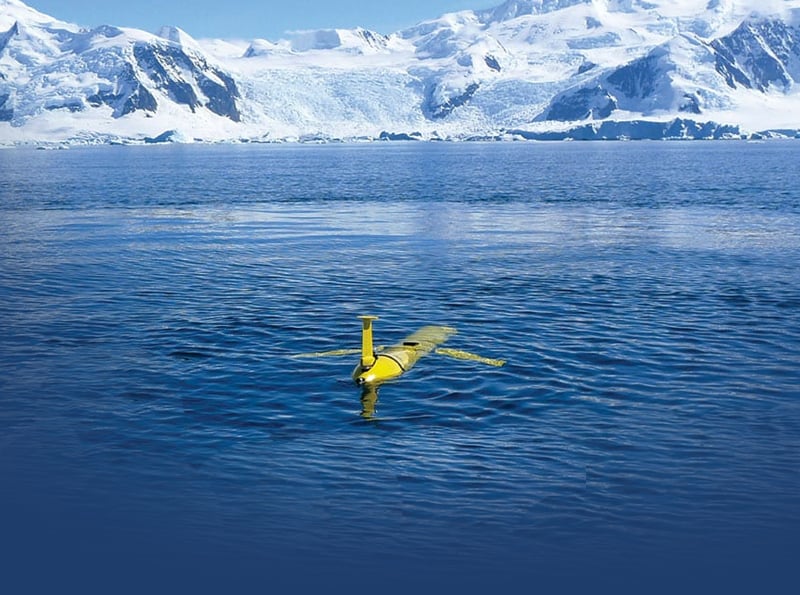
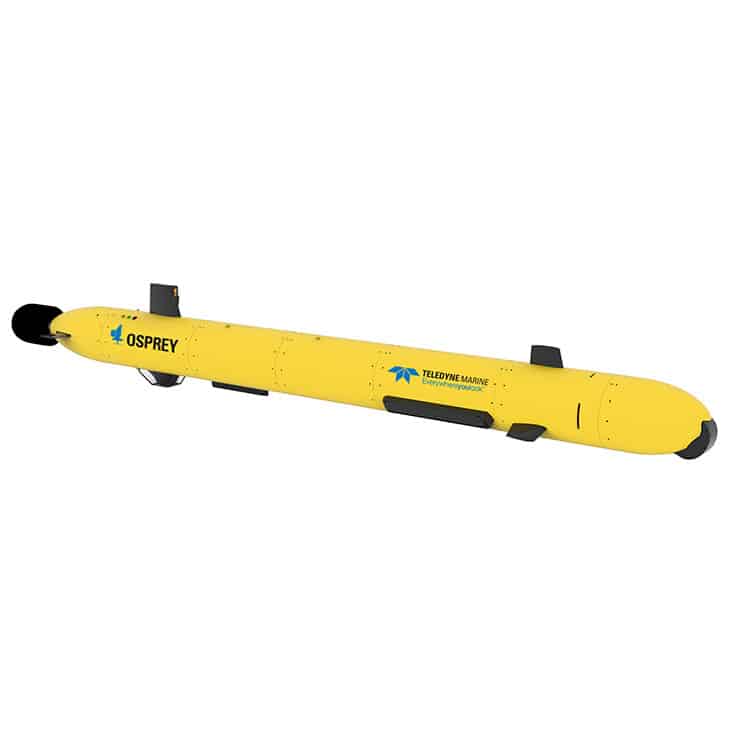
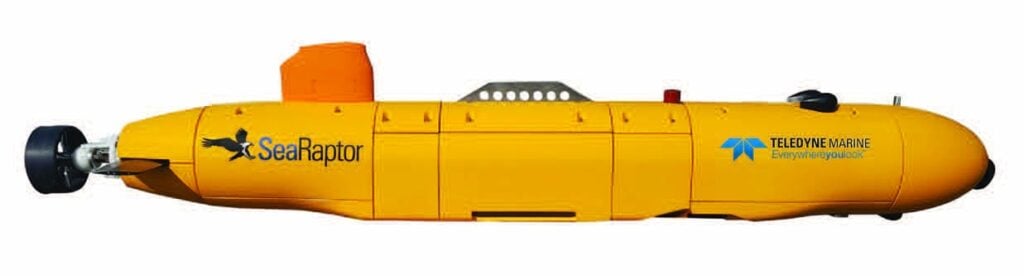
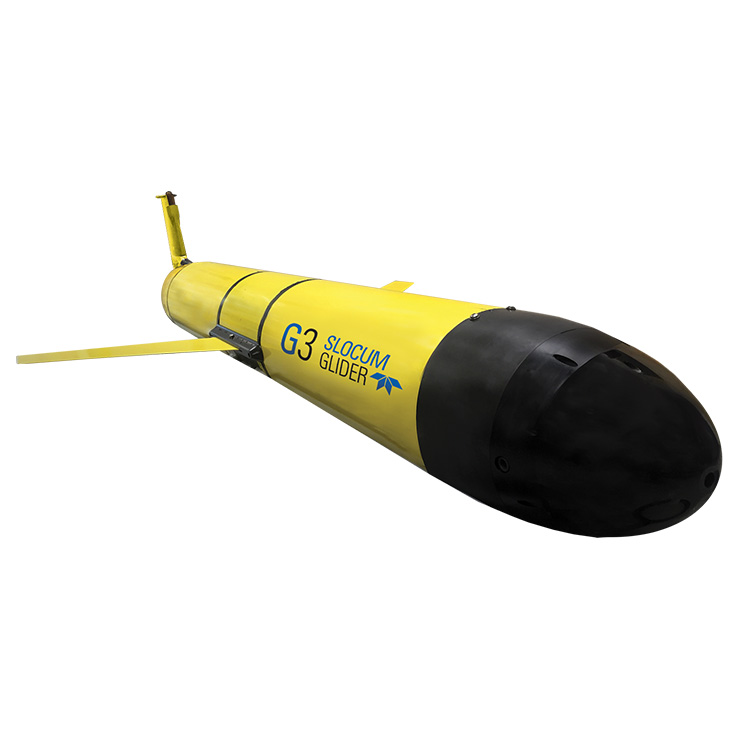
The trials took place between January 17 and January 22 in Icelandic waters, operating out of the Teledyne Gavia facility in Kópavogur. With the support of the Icelandic Coast Guard, the team deployed a suite of Autonomous Underwater Vehicles (AUVs) from the vessel ICGV Þór into the strategic Greenland-Iceland gap. The technology suite included the Slocum Sentinel Glider, a Slocum G3 Glider with integrated Benthos acoustic communications, and two Advanced Profiling Explorer (APEX) floats equipped with ambient noise passive acoustic monitoring sensors.
A primary focus of the exercise involved the Sentinel Glider towing a 60-meter-long passive acoustic thin-line hydrophone array. This system is designed to identify noise from both surface and subsurface vehicles. By traversing the water column to depths of 1,000 meters, these silent gliders create a persistent sensing barrier to monitor subsea activity.
George Bobb, President and Chief Executive Officer of Teledyne, stated, “We are pleased to be demonstrating this technology which helps address a critical issue for global security. We are excited to show what is possible with proven, mature, commercial technology currently in use by NATO militaries.”
The demonstration also validated the ability of autonomous systems to exfiltrate data from sea-bottom nodes. Simulated mission data was recovered from a submerged node in real-time and transmitted via satellite to Mission Operations Control Centers in both Iceland and the United Kingdom. This remote operation was coordinated alongside the National Oceanographic Centre (NOC) in the UK, where Teledyne maintains a European glider service and repair facility.
Dan Shropshire, Vice President of Business Development for Teledyne Marine Vehicles and project lead, said, “This result showcases our ability to meet a large percentage of existing requirements for conducting ASW with autonomous systems in the North Atlantic. The combination of our platforms with advanced sensor technologies, including the use of artificial intelligence and machine learning, allows us to bring a force multiplier to militaries world wide, but at a fraction of the operational expense.”
Teledyne currently maintains a significant presence in the UK, employing approximately 2,600 people across 18 principal facilities. “Teledyne already has a large footprint in the UK with 18 principal facilities and approximately 2,600 employees,” said Brian Maguire, Teledyne Marine Chief Operating Officer. “We are investing even more significantly to bring autonomous technology to the Ministry of Defense and the Royal Navy.”