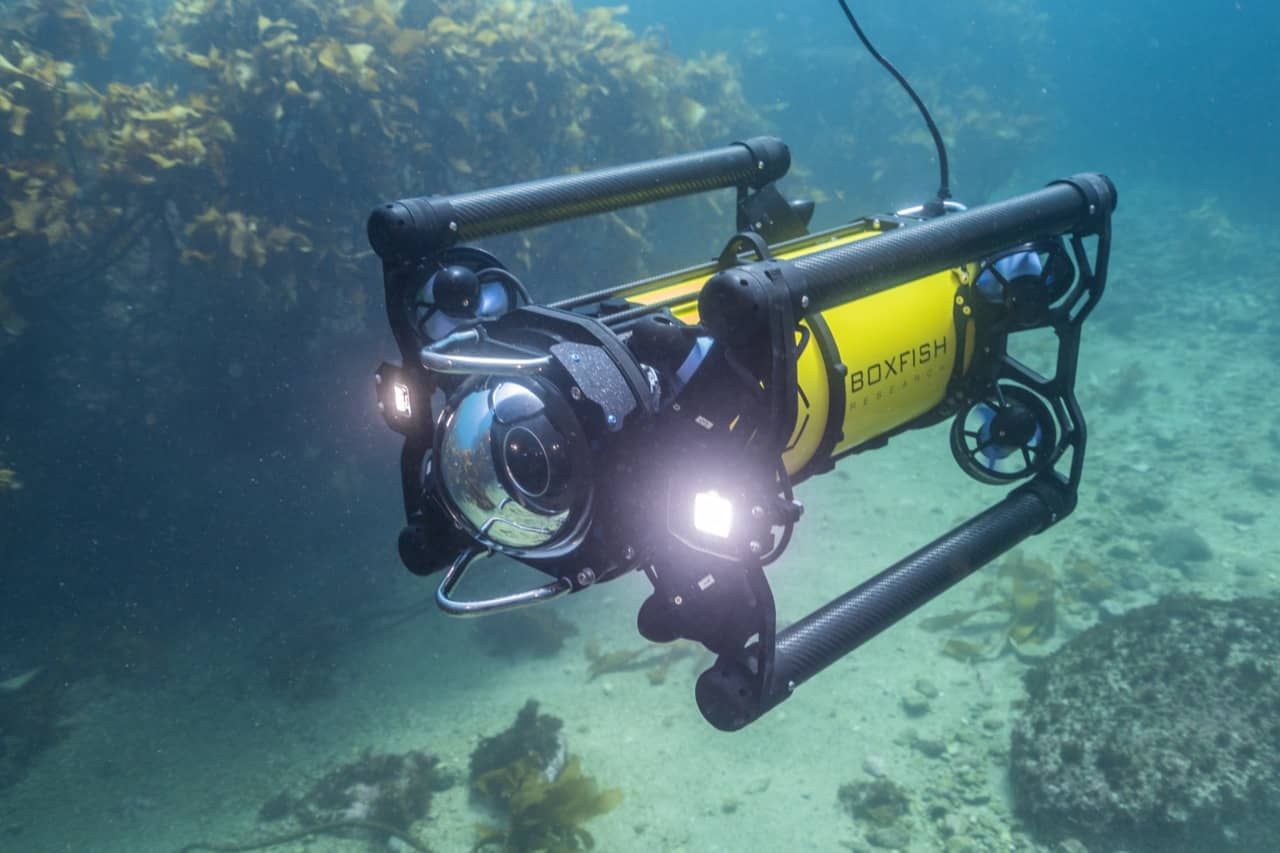

Boxfish Robotics’ advanced Remotely Operated Vehicles (ROVs) will drive the first-ever live-streamed survey of Superior Shoal, a 300-meter-high underwater mountain in Lake Superior known as “The Freshwater Everest.”
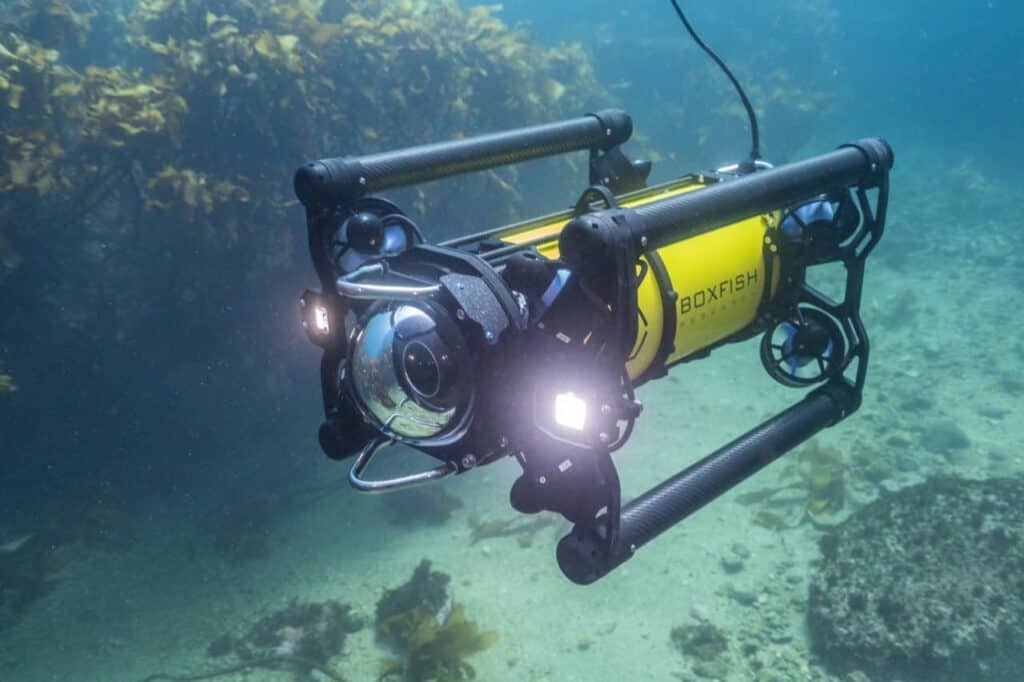
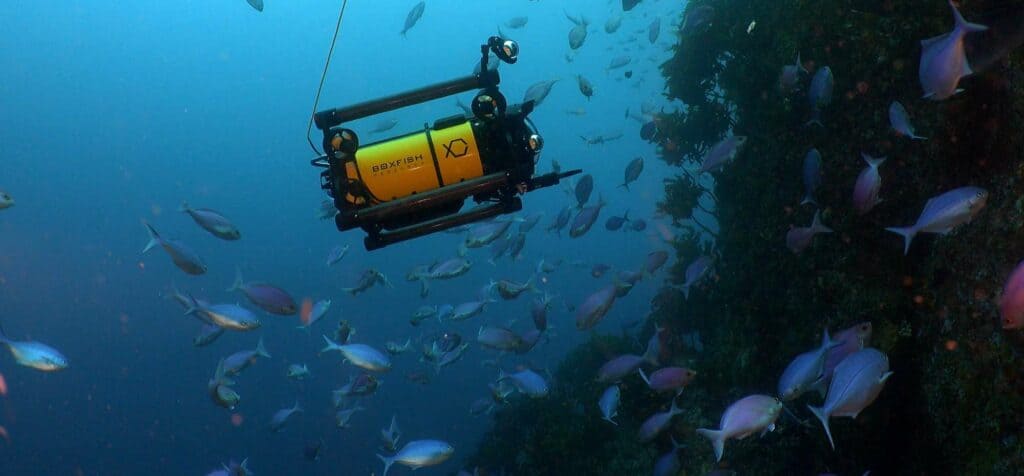
Operating from the Research Vessel Blue Heron, Boxfish ROVs will capture high-resolution imagery and maneuver with precision through steep volcanic cliffs, geological formations, and diverse aquatic habitats to survey the shoal’s submerged environment in real time.
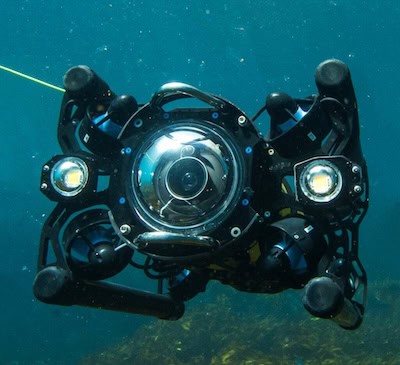
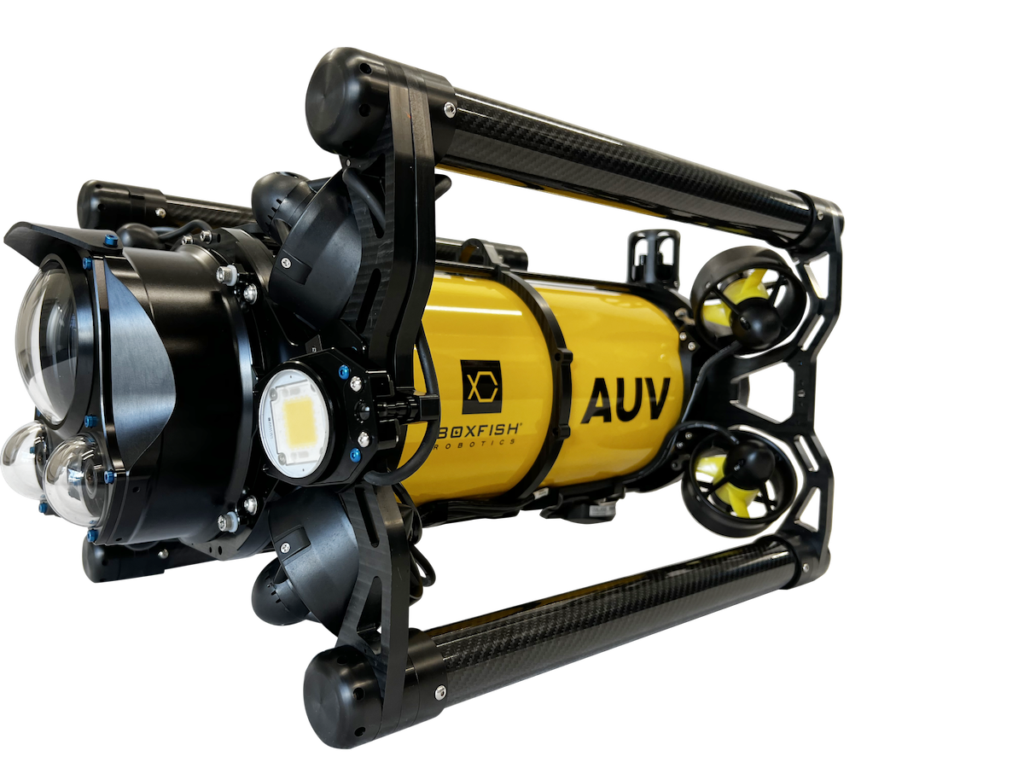
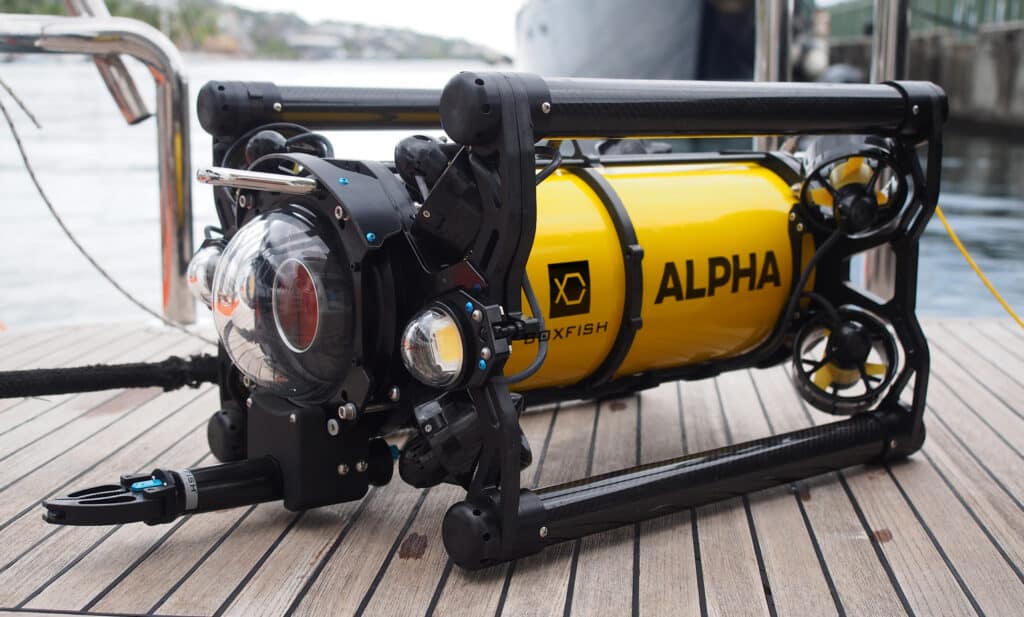
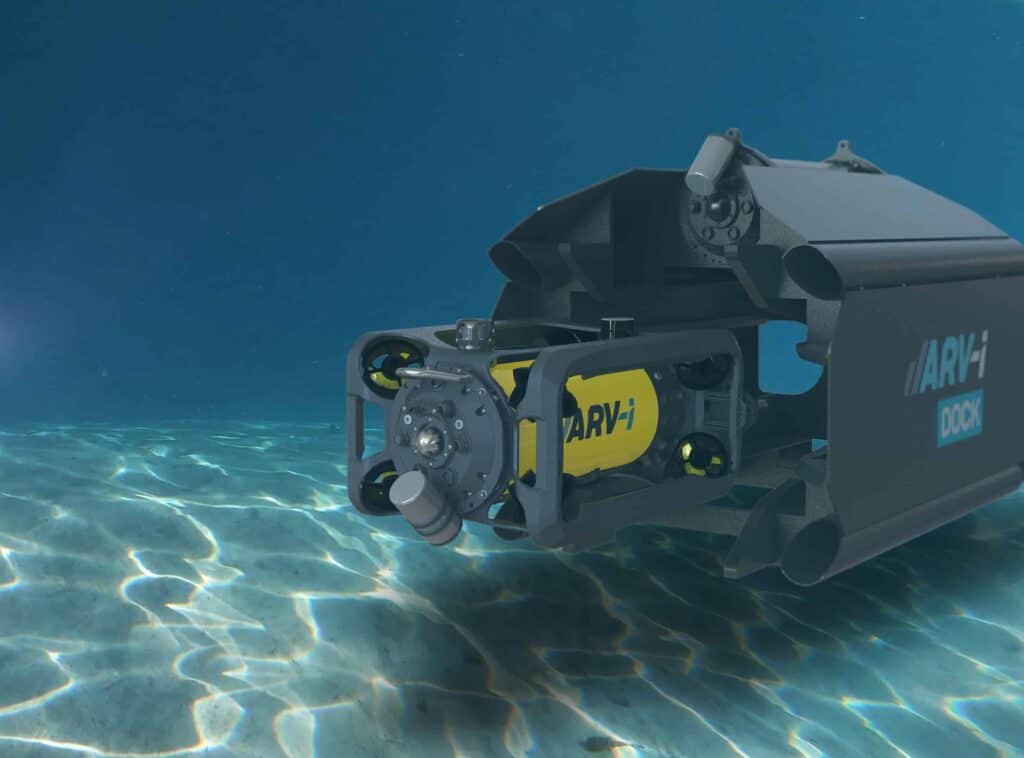
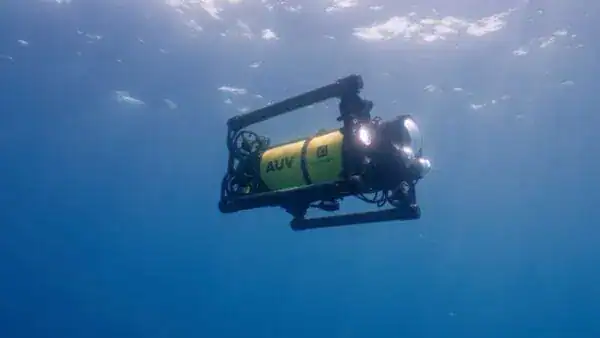
Boxfish Robotics, headquartered in New Zealand, is a leader in underwater robotic systems. Their next-generation ROVs and Hovering Autonomous Underwater Vehicles (HAUVs) are designed to deliver unmatched imaging clarity and precision maneuverability in even the most challenging aquatic environments.
For the Superior Shoal mission, these ROVs will provide the scientists, filmmakers, and audiences worldwide with the ability to view and interact with a hidden underwater landscape in real time.
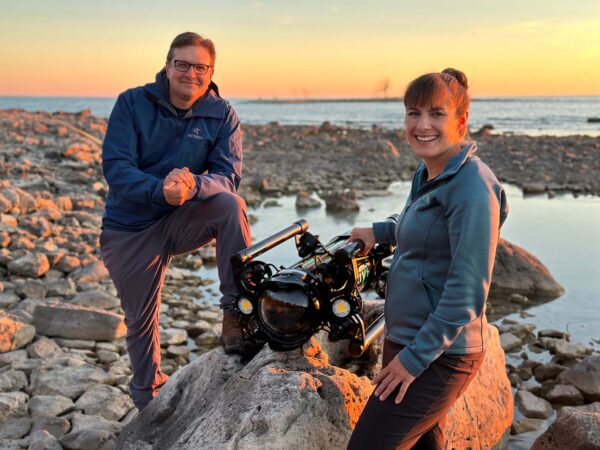
The livestream will be co-hosted by filmmakers and underwater drone operators Yvonne Drebert and Zach Melnick, Fellows of the Royal Canadian Geographical Society, together with freshwater ecologist Dr. Michael Rennie. Employing Boxfish Robotics’ technology, they will guide viewers through one of the least-explored freshwater environments on Earth.
Event Details:
- Date & Time: Sunday, September 14th, 3:00 PM ET
- Backup Date: Monday, September 15th, 3:00 PM ET
- Duration: Approximately 2 hours
- Where to Watch: YouTube Live
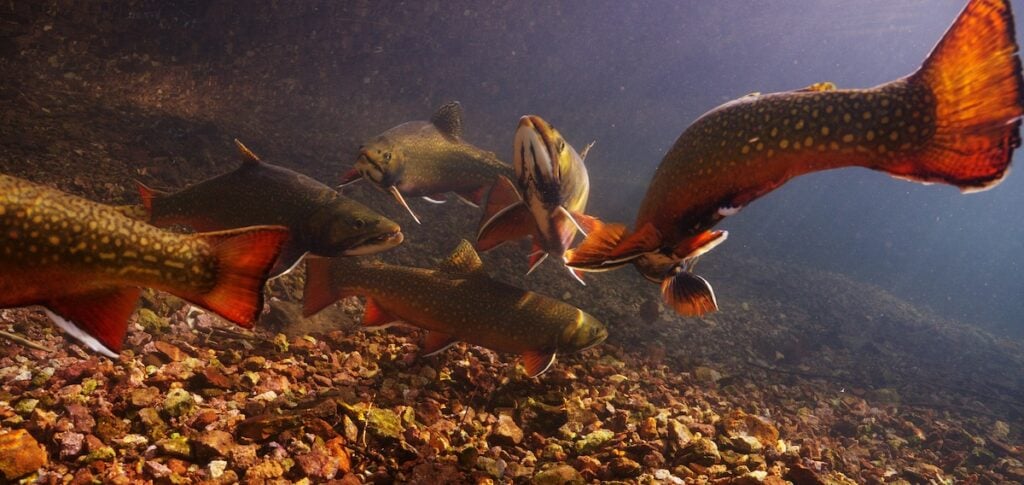
The expedition is expected to document rarely observed species such as deepwater sculpin, siscowet lake trout, and redfin, while also providing opportunities to locate shipwrecks in this historically hazardous stretch of the Great Lakes.
Presented by Parks Canada, Science North, and Canadian Geographic, the livestream is part of a new project Hidden Below: The Freshwater World, a wildlife series from Inspired Planet Productions.
“Superior Shoal may prove to be to freshwater life what seamounts are to ocean life — a vital refuge of biodiversity,” says Drebert.