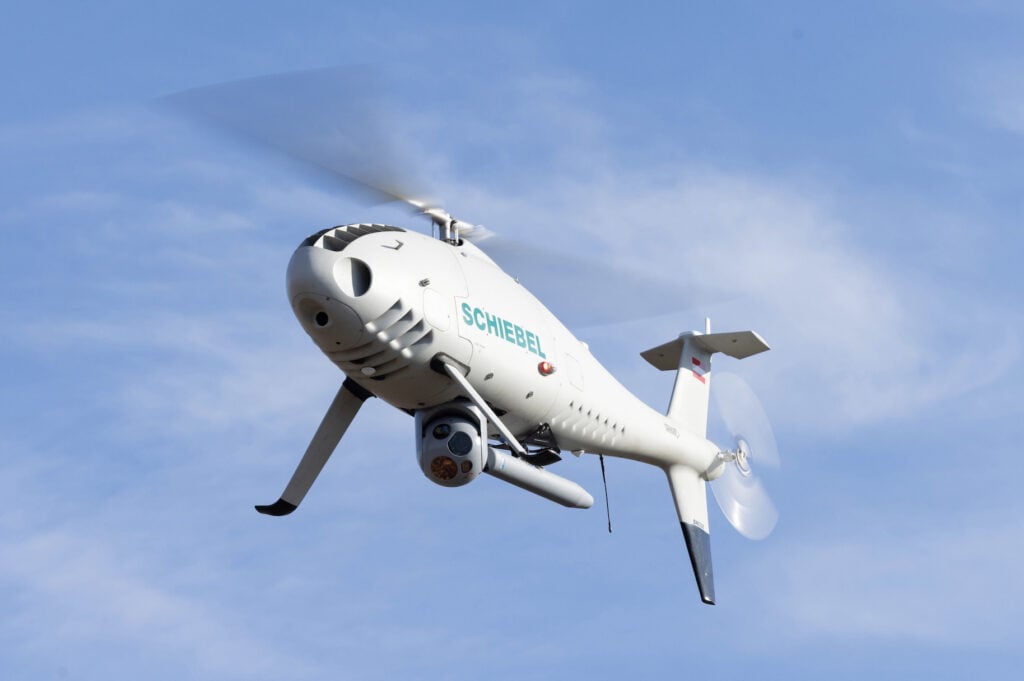
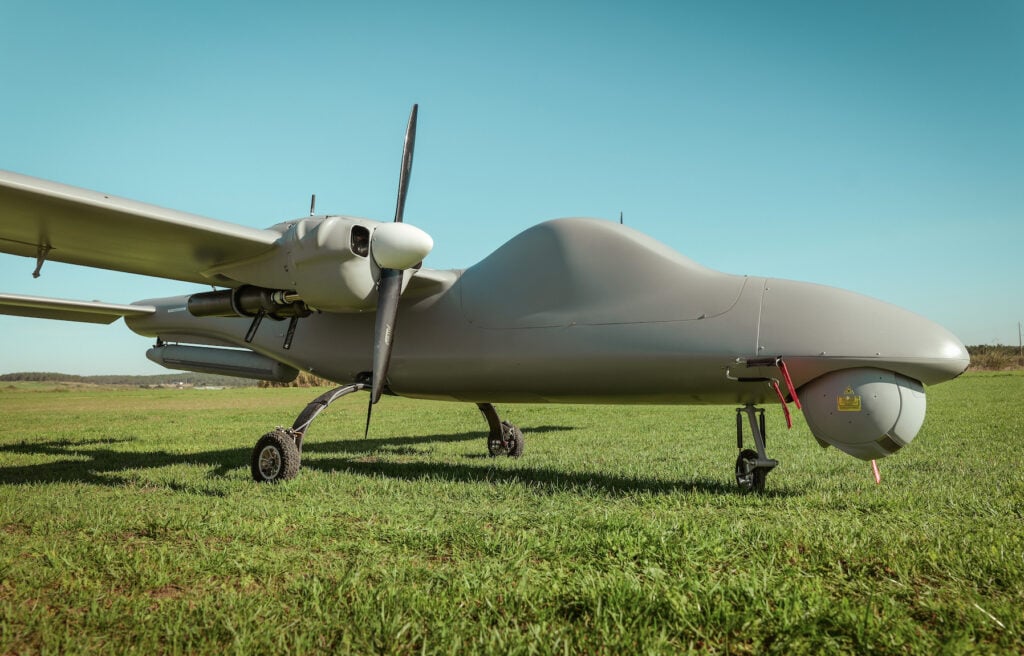
Robb Rigtrup, Vice President of Business Development and Marketing at IMSAR discusses the Iron Triad ISR model, outlining how integrated radar, optical, and signals intelligence enhance situational awareness, enable faster decision-making, and support operations in contested and data-saturated environments.
Can you explain what the Iron Triad is, and why it is important for modern ISR operations?
The Iron Triad is a strategic Intelligence, Surveillance, and Reconnaissance (ISR) model used by IMSAR. It integrates three distinct sensor domains — Radar, Optical, and Signals — into a single, unified framework. The concept is designed to overcome the individual limitations of each sensor by leveraging their collective strengths, creating a system that is significantly more effective than any one tool used in isolation.
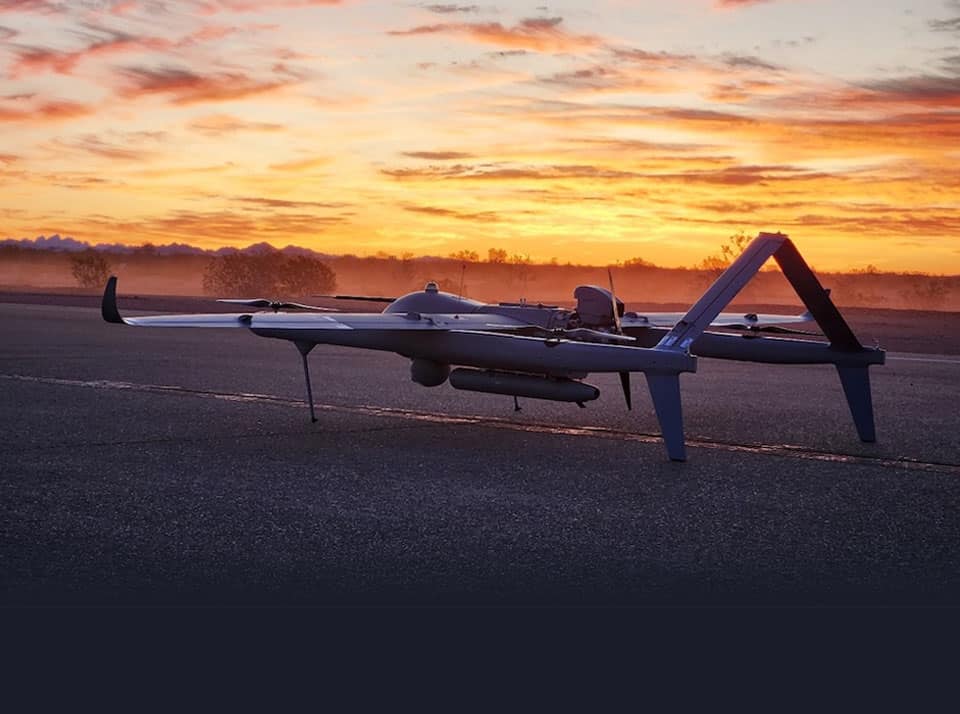
The three components work together much like the legs of a three-legged stool, with each playing a unique and essential role. Radar, specifically Synthetic Aperture Radar (SAR), forms the foundation by providing wide-area awareness. Unlike optical systems, it does not depend on light, allowing it to scan through clouds, rain, smoke, and darkness to detect movement or anomalies across large areas. Optical systems, such as EO/IR gimbals, then provide the detail, offering high-resolution visual clarity. These are used to zoom in on areas flagged by radar in order to identify, confirm, and interpret targets. Signals intelligence adds the final layer of context by analysing electronic emissions, such as AIS or cellular intercepts, helping determine whether electronic activity matches what is being detected by the other sensors and revealing intent or hidden information.
In modern ISR operations, this integrated approach is particularly important. It compensates for the weaknesses of individual sensors by creating a cross-checked intelligence picture—for example, radar can operate in conditions where optical systems are ineffective, while also providing precise mapping to support signals data. It also accelerates decision-making by narrowing the search area, allowing operators to move from detection to a fully developed intelligence picture in minutes. By layering data from multiple sources, the Iron Triad increases certainty, reducing noise and improving confidence for decision-makers. At the same time, advancements such as the miniaturisation of radar technology have made this approach scalable, enabling deployment across a wider range of platforms, from small UAVs to larger manned systems.
How was the Iron Triad concept shaped by the evolving demands of modern ISR missions, particularly in contested and data-saturated environments?
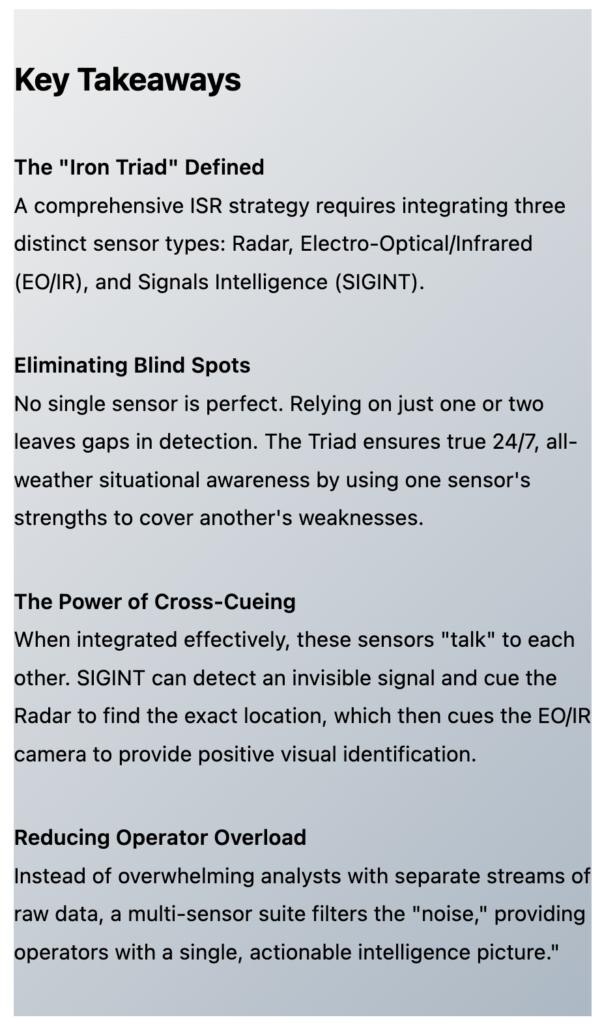 The development of the Iron Triad has been closely tied to the evolving demands of modern ISR missions, particularly as technology has transitioned from high-level strategic assets down to the tactical edge.
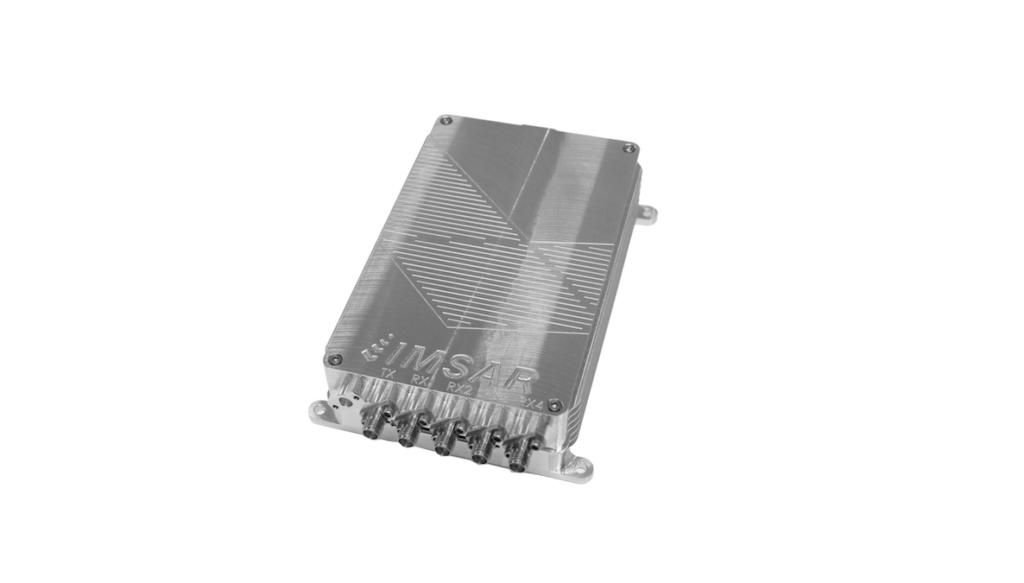
One of the key drivers has been the democratization of ISR capabilities. Historically, sophisticated technologies such as Synthetic Aperture Radar were limited to large, strategic platforms. However, lower echelons of command now face demanding operational objectives that require constant ISR collection, often while competing for limited high-level assets. The Iron Triad addresses this by focusing on the miniaturisation, affordability, and ease of use of SAR, making these capabilities accessible to smaller units operating Group 2 and Group 3 UAVs. This ensures they have the organic ISR tools needed for mission success without relying on higher-level tasking.
Another important factor is the growing need for precision targeting. As modern warfare shifts toward high-precision engagements, tactical units are increasingly equipped with precision-guided weapons that require accurate targeting data. By integrating SAR, the Iron Triad provides the detection and location accuracy needed, even in challenging conditions such as smoke, dust, or cloud cover, to generate targeting coordinates and rapidly transition from a search task to a strike solution.
Risk mitigation has also been a major consideration. In contested environments, where threats are widespread, having organic access to the Iron Triad reduces the need to position personnel in forward or exposed positions for visual reconnaissance. Instead, units can rely on standoff ISR to maintain situational awareness from a safer distance.
Finally, the concept has been shaped by the need to navigate increasingly data-saturated environments. With large volumes of information often obscured by noise or electronic interference, the Iron Triad acts as a filtering mechanism. By combining Radar, EO/IR, and SIGINT, the system can autonomously cross-cue sensors — for example, using radar to detect a target through obscurants and then directing the EO/IR system to the exact location — ensuring operators can focus on actionable intelligence rather than being overwhelmed by raw data.
Can you walk us through how the Iron Triad functions in practice, from initial detection through to identification and intelligence gathering?
In practice, the Iron Triad follows the well-established “Find, Fix, Target, Track, Engage, Assess” (F2T2EA) workflow.
The process begins with detection, where radar scans a wide area to identify movement or anomalies that might otherwise go unnoticed. Once an anomaly is detected — such as a vessel not transmitting AIS signals — radar, together with signals intelligence, works to fix and track the target by providing precise coordinates and movement data.
From there, optical sensors are cross-cued to the radar’s coordinates, allowing operators to zoom in for visual confirmation and classification. This step provides the level of detail needed to properly identify the target.
Finally, signals intelligence contributes to the intelligence-gathering phase by analysing electronic activity associated with the target. By comparing this data with radar and optical inputs, the system produces a richer, cross-checked intelligence picture that supports more informed decision-making.
How critical is radar within the Iron Triad for maintaining situational awareness in degraded visual environments where EO/IR systems alone may struggle?
Radar serves as the foundation of awareness in degraded visual environments. Unlike EO/IR systems, it does not rely on light or thermal signatures and is unaffected by fog, heavy rain, smoke, dust, or total darkness. In conditions where optical sensors may be effectively blinded, radar remains capable of maintaining a consistent view of the environment, identifying activity, and guiding resources. This makes it a critical component for ensuring uninterrupted situational awareness.
What operational limitations emerge when radar is absent from a multi- sensor ISR payload, even when EO/IR and other sensors are present?
Without radar, several important limitations become apparent in a multi-sensor ISR payload. The overall scale of observation is reduced, as operators are restricted to the narrow field of view of optical systems rather than benefiting from wide-area scanning. Operations also become more vulnerable to weather and lighting conditions, with EO/IR-only systems often unable to function effectively in poor weather or at night.
In addition, the absence of radar reduces contextual understanding. While signals intelligence may still detect transmissions, it lacks the spatial mapping needed to determine exactly where those signals originate. This leads to inefficiencies, as operators must search for targets without guidance, significantly increasing the time required to move from discovery to action.
In communications-denied or bandwidth-constrained scenarios, how does the Iron Triad support decision-making at the tactical edge?
In communications-denied or bandwidth-constrained environments, the Iron Triad supports decision-making at the tactical edge through several key capabilities.
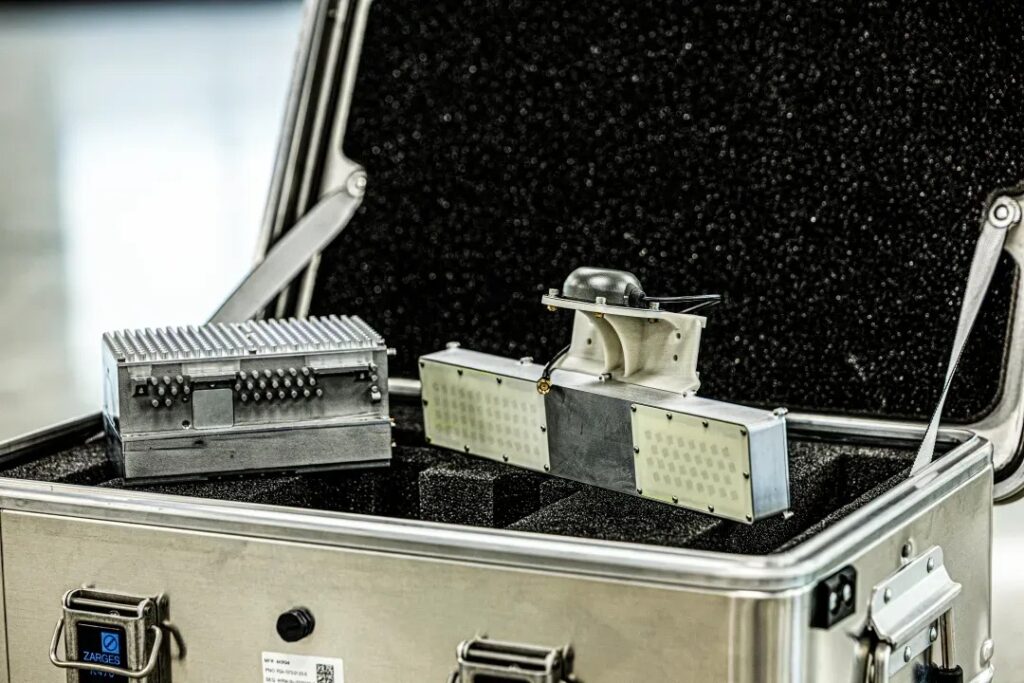
One of these is onboard or edge processing. Systems such as IMSAR’s “Lisa Air,” used on manned missions, can process raw radar data directly on the aircraft, producing final intelligence outputs such as imagery and tracking data without the need for extensive data transmission.
The system also supports relative navigation. Synthetic Aperture Radar can provide measurements that assist with navigation and targeting even in environments where GPS or GNSS signals are denied.
Finally, the Iron Triad enables efficient use of limited bandwidth. Rather than transmitting high-definition video, which requires significant data capacity, the system can send smaller, highly relevant data packages, such as target “chips” or Cursor-on-Target (CoT) messages, ensuring that critical information is shared quickly and effectively across tactical networks.