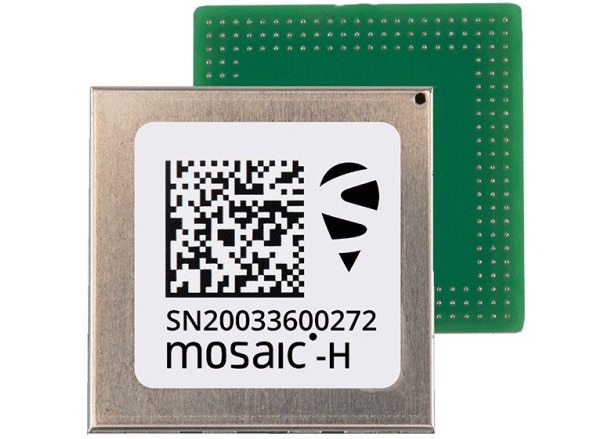
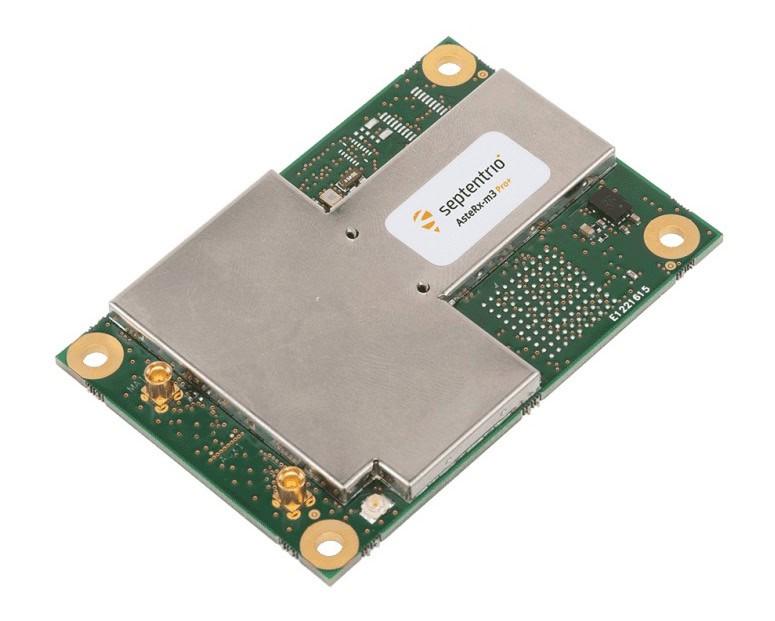
Septentrio outlines the importance of resilient GNSS receivers in protecting GNSS/INS navigation systems from jamming and spoofing. Read more >>
As autonomous platforms become more common across agriculture, robotics, and self-driving vehicles, reliable positioning remains fundamental to safe and continuous operation. The company’s analysis focuses specifically on interference at the signal level and the role of built-in anti-jamming and anti-spoofing mechanisms within the GNSS receiver.
The article explains how GNSS and inertial sensors operate together in an integrated navigation system. GNSS provides absolute positioning in global coordinates, while the IMU delivers relative motion and orientation data. Because inertial measurements accumulate drift over time, they depend on periodic GNSS updates for correction. This dependency creates a vulnerability when GNSS signals are disrupted or deliberately manipulated.
Particular attention is given to spoofing attacks that introduce gradual position changes designed to remain within inertial drift thresholds. In these cases, conventional consistency checks inside the INS may not identify the manipulation. The article demonstrates why detection and mitigation at the GNSS receiver level are essential, including the ability to authenticate signals, identify anomalies, reject corrupted measurements, or transition to controlled dead reckoning when necessary.
The full feature examines how multi-layer interference mitigation, implemented across hardware signal processing and software integrity monitoring, strengthens GNSS/INS resilience. It also discusses how selecting receivers with embedded anti-jamming and anti-spoofing mechanisms allows integrators to concentrate on sensor fusion and application development while maintaining confidence in positioning integrity.