LiveU details how Departments of Transportation (DOTs) are transitioning from reactive infrastructure management to real-time, data-driven situational awareness, addressing persistent challenges in connectivity, data transfer, and operational coordination. Read more >>
Agencies responsible for monitoring extensive roadway networks, aging bridges, and emergency response operations are increasingly constrained by limited resources and legacy systems such as fixed cameras, radio communications, and manual inspection processes. At the same time, growing volumes of Unmanned Aerial System (UAS) imagery, LiDAR datasets, and incident documentation are placing additional pressure on workflows that often lack the ability to rapidly integrate and operationalize data across enterprise environments.
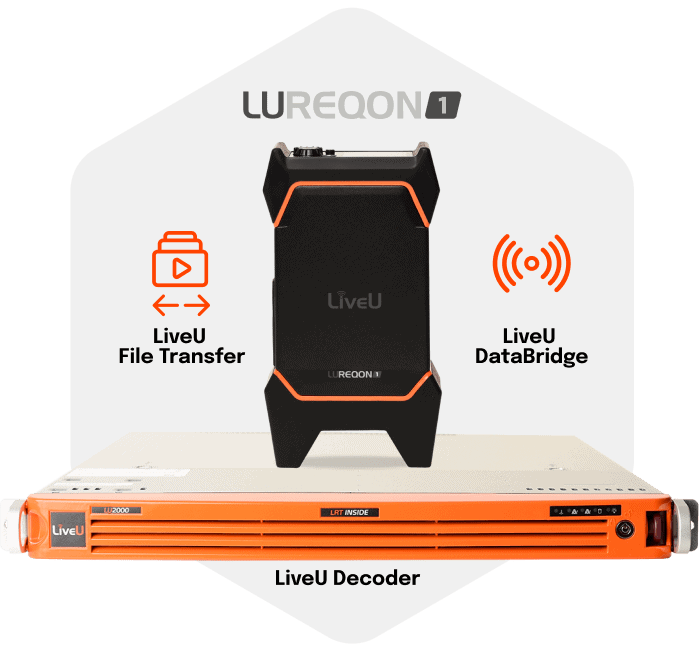
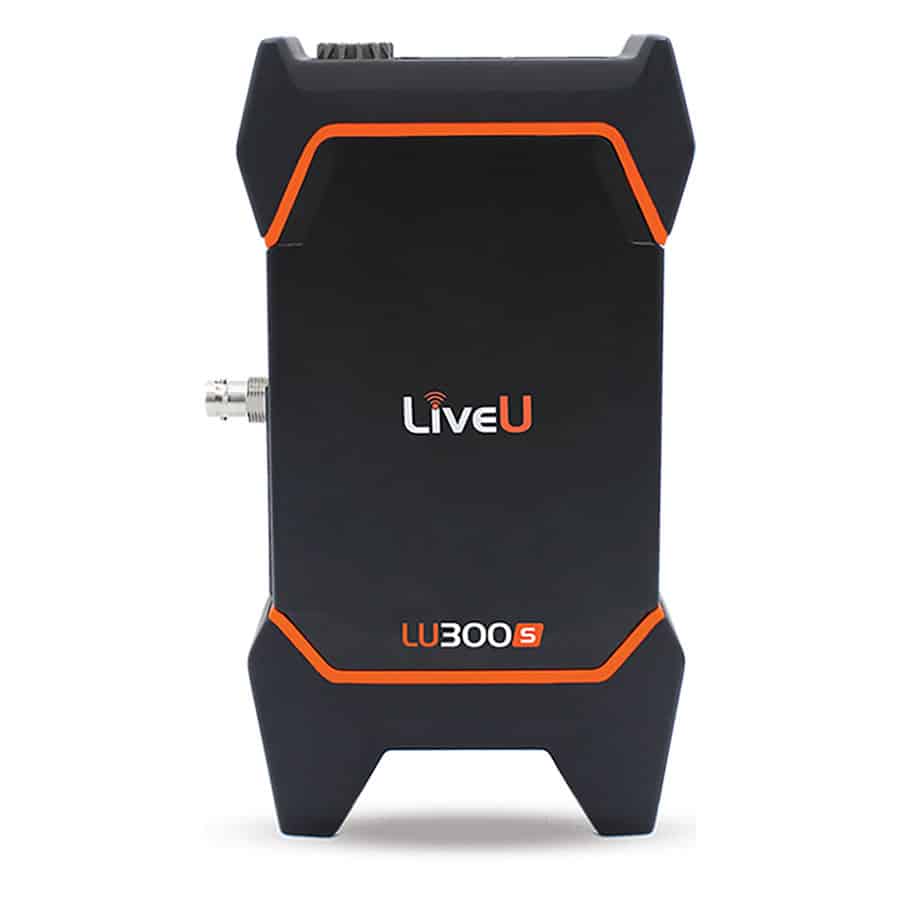
The company explains that combining bonded cellular connectivity with secure IP-based video transmission and accelerated file transfer allows agencies to stream live video and move large inspection datasets from the field to command centers within minutes, even in low-connectivity environments.
This capability is particularly relevant across the U.S. bridge network, where more than 617,000 bridges are in service, with a significant proportion exceeding their intended lifespan and tens of thousands classified as structurally deficient or below current standards. Faster data transfer supports improved risk mitigation, enabling quicker maintenance decisions and reducing the time between data capture and actionable insight.
LiveU enables DOT operations through four core capabilities:
- Accelerated file transfer for rapid movement of large drone datasets
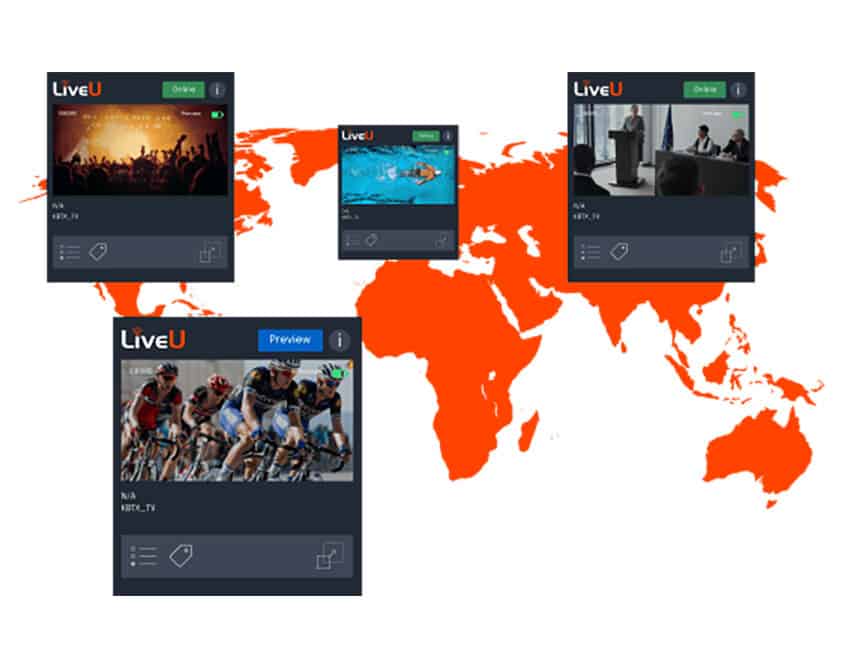
- Real-time video transport for immediate incident assessment
- Edge connectivity to link field-based sensors and devices
- Integrated voice communication to unify teams.
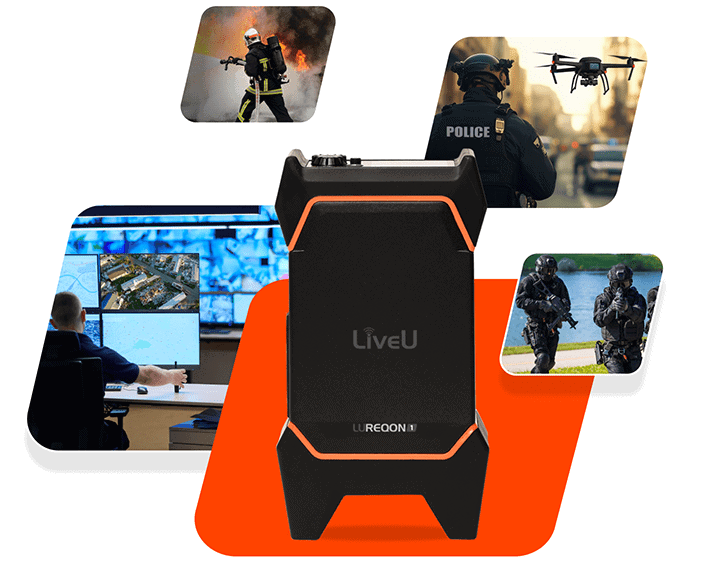
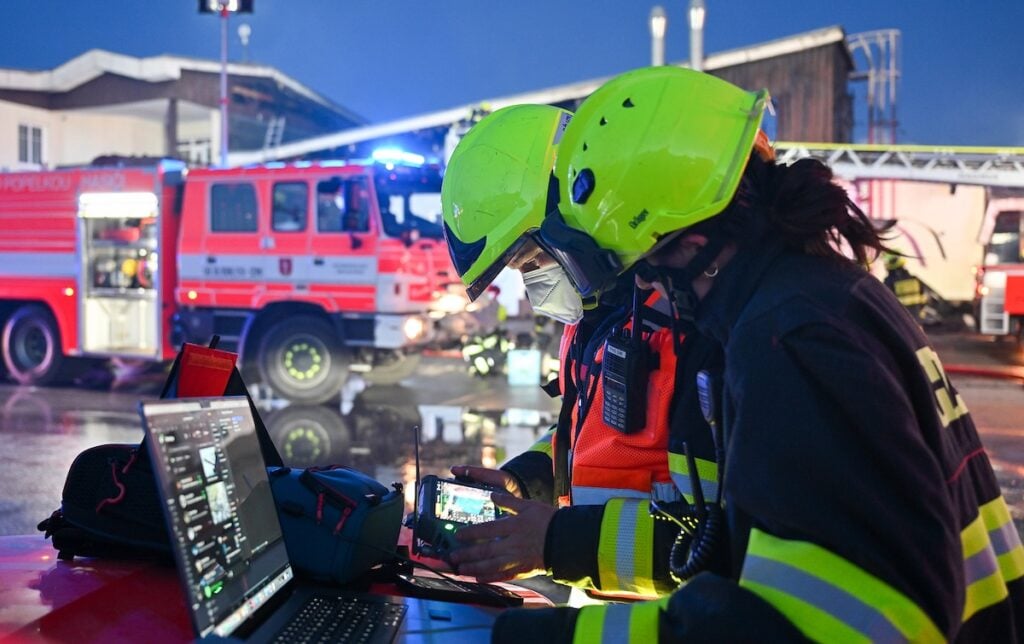
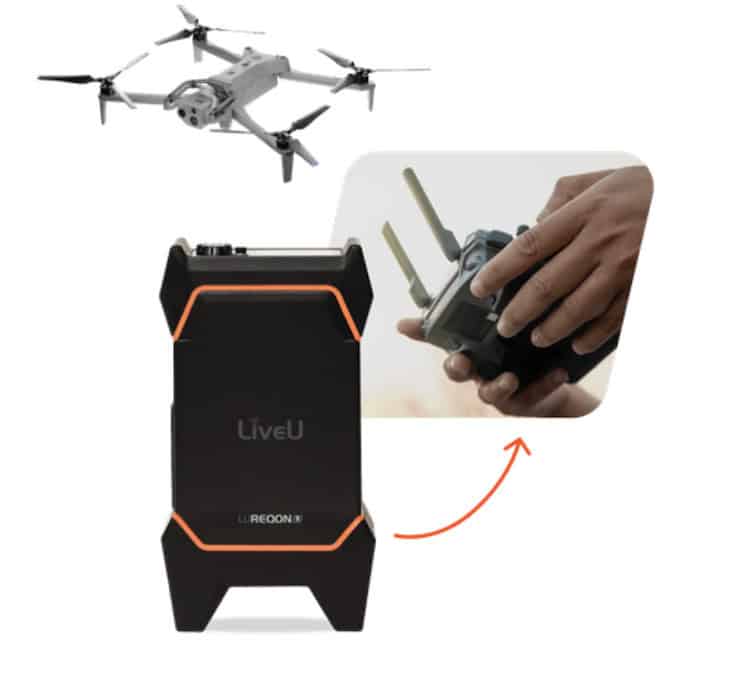
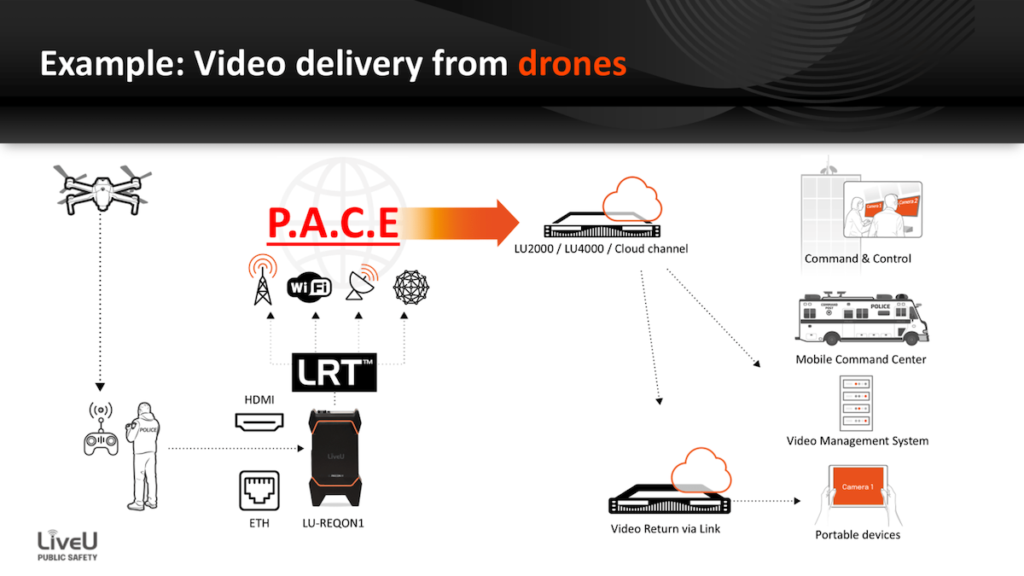
Together, these functions enable continuous information flow between field crews and command centers, supporting live situational awareness, remote control of equipment such as PTZ cameras, and real-time collaboration. These capabilities also extend to drone-enabled workflows, including Drone as First Responder solutions, where aerial video can be streamed directly to command centers ahead of on-site personnel.
By enabling secure transmission of high-quality video and large datasets across multiple networks, LiveU’s bonded connectivity technology ensures reliable performance in challenging environments such as rural corridors or congested network conditions. This approach reduces the need for repeated site visits, extends the reach of specialized personnel, and allows multiple projects to be monitored simultaneously. The result is a shift toward proactive, video-driven infrastructure management, narrowing the gap between detection and decision while supporting improved coordination, resource efficiency, and network resilience.