



UAV Navigation-Grupo Oesía develops flight control and autopilot technologies tailored to demanding Unmanned Aerial System (UAS) operations, including missions where one UAS is deployed to intercept another, a concept explored in this article as an effective approach to countering aerial threats. Read more >>
Its systems are engineered to deliver accurate guidance, navigation, and control, supporting the requirements of aerial threat mitigation through coordinated and adaptive flight capabilities.
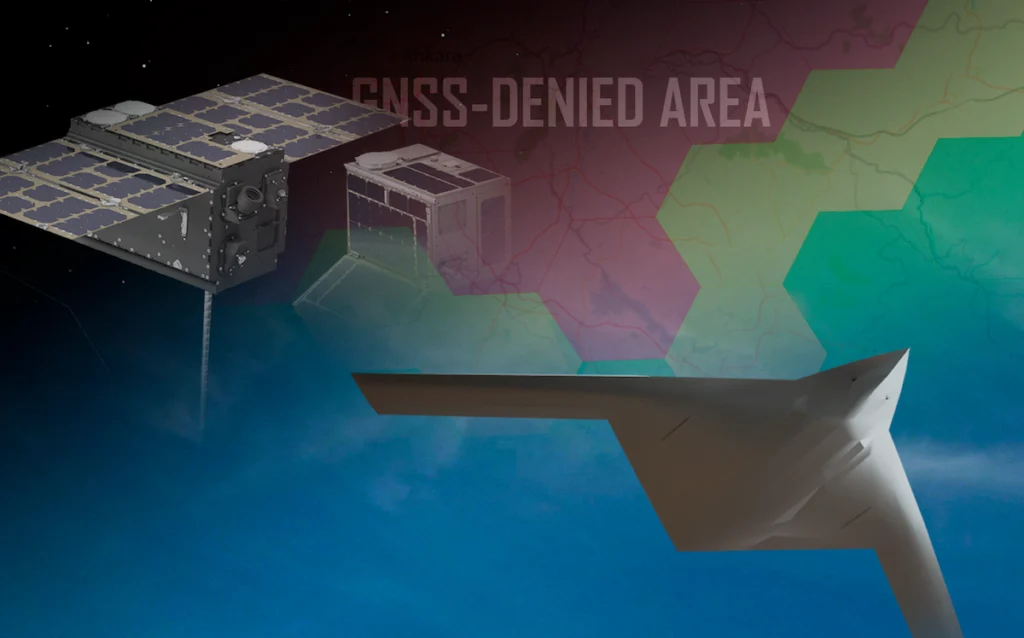
Unmanned aerial systems have significantly reshaped operational strategies across modern defense environments. At the same time, their widespread adoption has introduced new risks, driving the need for countermeasures capable of addressing hostile or unauthorized aerial platforms. While electronic techniques such as GNSS jamming and spoofing remain widely used, interceptor UAS solutions provide an alternative approach that combines operational flexibility with cost efficiency. In these scenarios, unmanned platforms are tasked with identifying, tracking, and neutralizing airborne threats directly.
Flight Control Requirements for Interceptor UAS
Successfully intercepting a moving aerial target requires highly capable guidance and control systems. Precision in navigation plays a central role, ensuring that the interceptor platform can continuously track and approach its objective. This level of performance depends on a combination of advanced functionalities, including navigation referenced to moving targets, camera-based navigation providing coordinates to the autopilot, and coordinated multi-platform operation.
Referenced Navigation
Flight control systems must support continuous updates to the target’s position during flight. By recalculating trajectories in real time, the autopilot maintains accurate pursuit paths, enabling reliable interception even when the target changes direction or speed.
Camera-Based Navigation
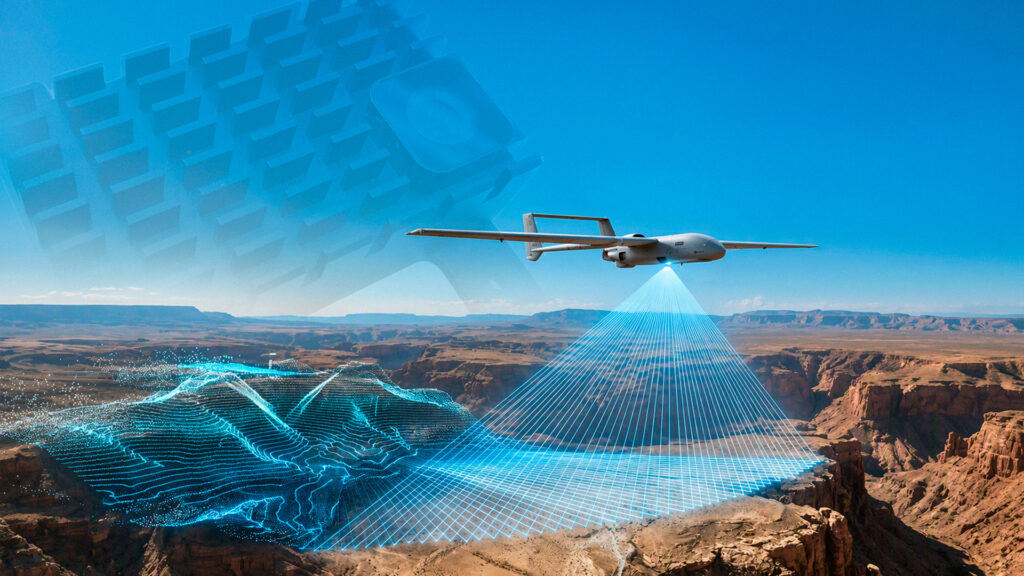
Integration between onboard imaging systems and the autopilot enhances operational awareness and targeting accuracy. The onboard camera provides target coordinates directly to the flight control system, allowing the autopilot to guide the aircraft using real-time visual references.
Swarm Coordination
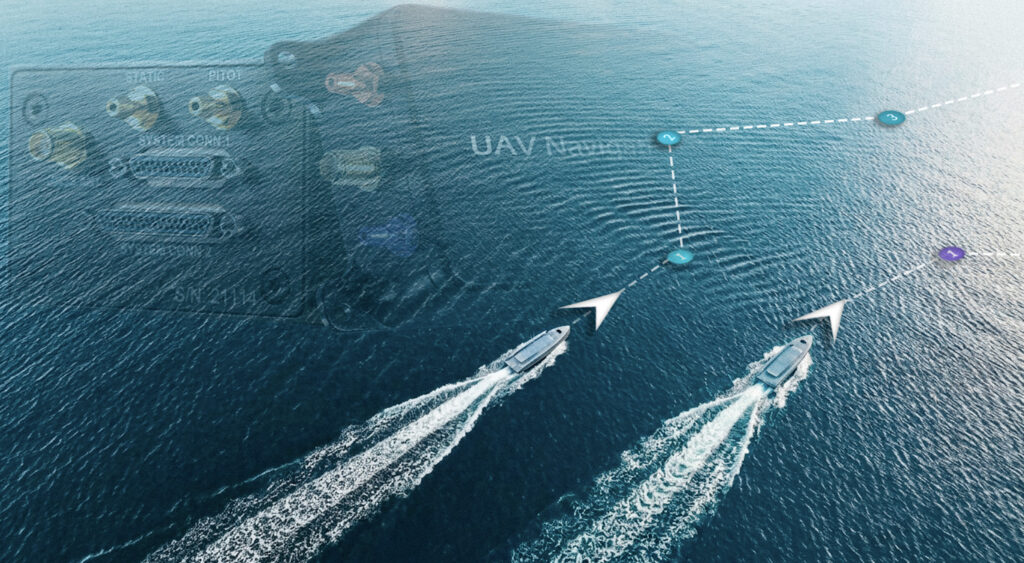
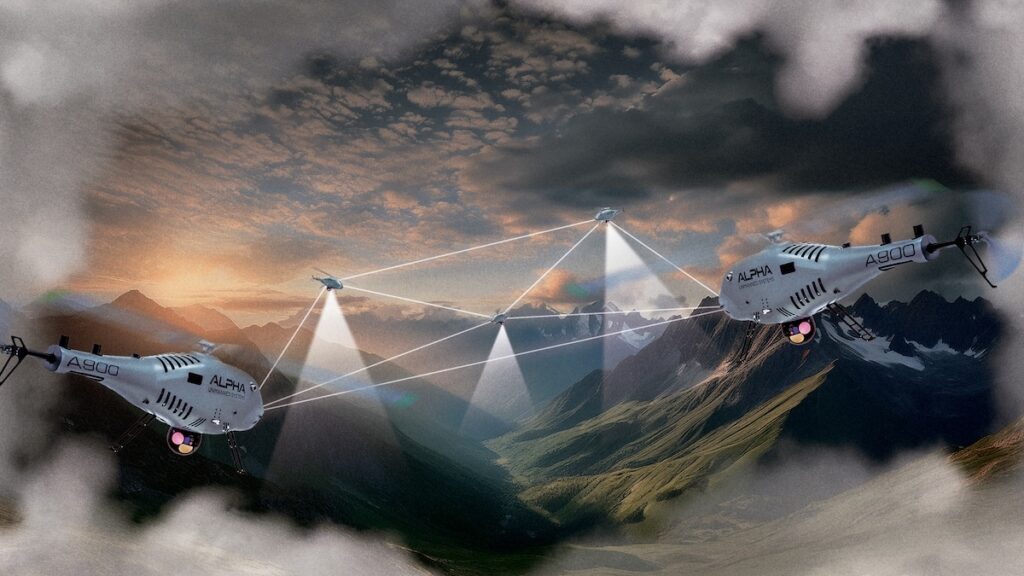
The deployment of multiple interceptor UAS introduces advantages when addressing complex or simultaneous threats. Swarm operation enables platforms to exchange information continuously and adjust their behavior collectively. This capability requires advanced flight control systems capable of maintaining communication and coordination between multiple units.
Flight Control Solutions from UAV Navigation-Grupo Oesía
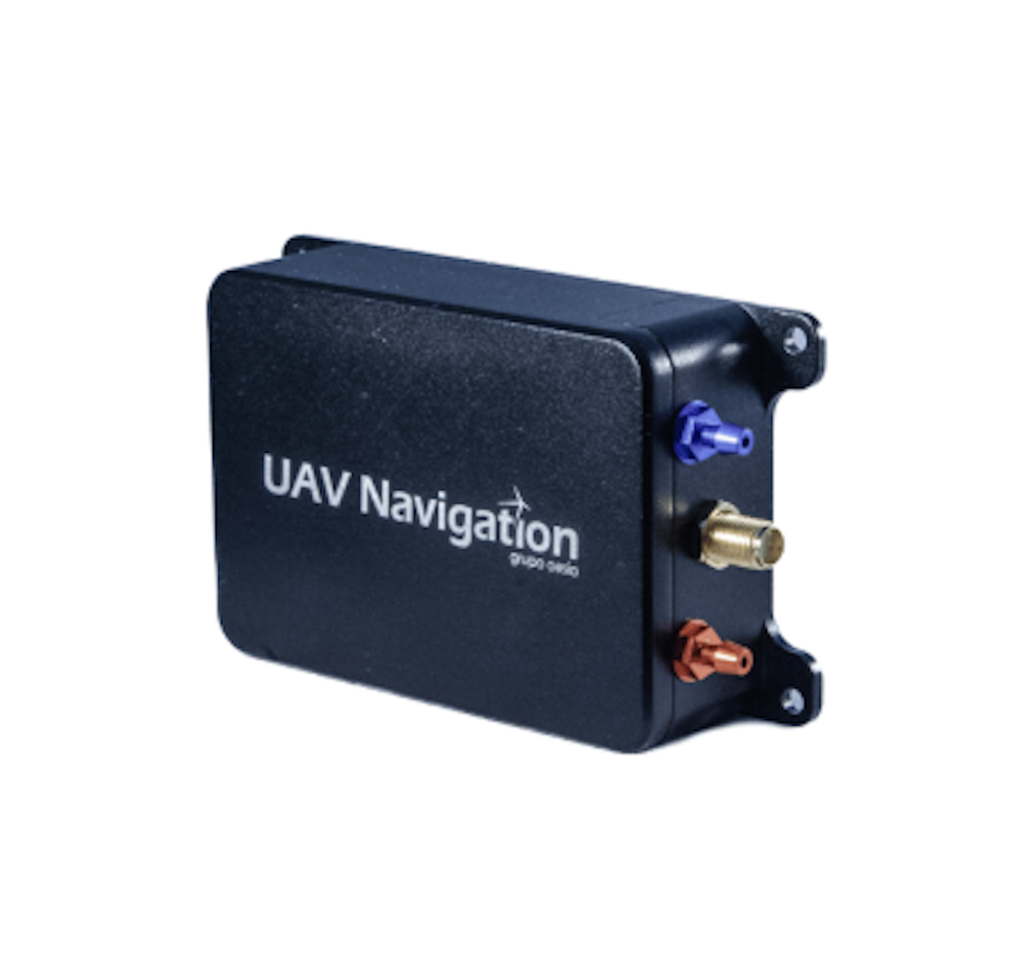
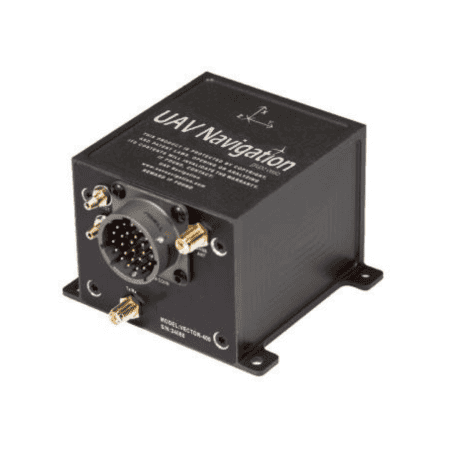
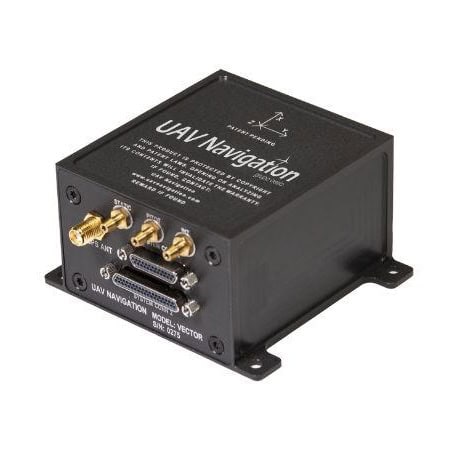
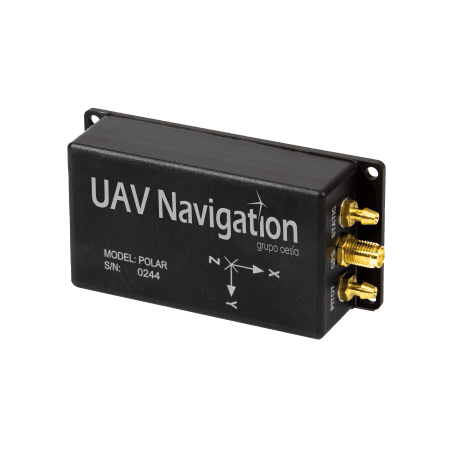
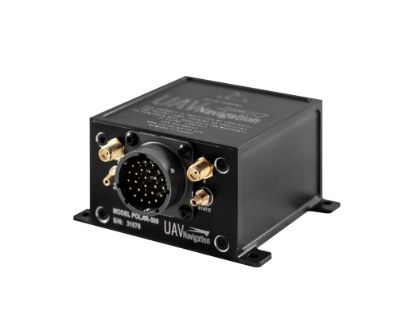
Autopilots developed by UAV Navigation-Grupo Oesía incorporate the capabilities required for UAS-on-UAS operations. These systems support swarm flight, navigation referenced to moving targets, and camera-based guidance providing positional data to the autopilot. The combination of these features allows unmanned platforms to perform interception missions with a high degree of accuracy and operational reliability.
Advancing Counter-UAS Capabilities
The continued evolution of counter-UAS strategies is expected to introduce increasingly capable and adaptable technologies. Improvements in detection, tracking, and response mechanisms are driving the development of more effective interception solutions.
The integration of artificial intelligence will enable interceptor UAS to adapt in real time to changing threats and improve accuracy and responsiveness in complex environments. At the same time, ongoing progress in swarm flight capabilities will facilitate more efficient coordination between multiple platforms, increasing the probability of mission success.
Within this context, advanced flight control systems remain a critical component, providing the precision and responsiveness required to neutralize aerial threats effectively.