Lowental Hybrid outlines changes in tactical Unmanned Aerial Systems (UAS) highlighted at UAV Technology USA 2026, including the shift of small UAS and loitering munitions to central roles, outcome-based requirements, energy architecture, and evolving acquisition approaches.
These points reflect structural trends shaping the next phase of scalable, mission-focused UAS development.
Although UAV Technology USA 2026 largely concentrated on higher-category platforms such as the MQ-9 Reaper, Lowental Hybrid notes that several of the most substantive discussions took place within United States Army-led sessions focused on tactical systems.
These sessions, grounded in operational experience and acquisition realities, provided a clearer picture of how small UAS and loitering munitions are being redefined at the edge, reflecting a shift from fast development to fast adoption.
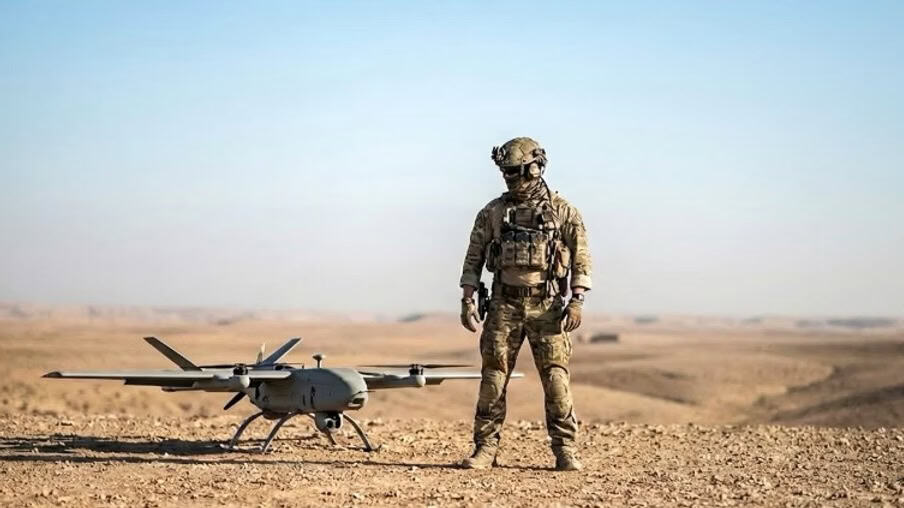
Lowental Hybrid states that tactical unmanned systems are no longer treated as niche tools and are becoming a central element in how forces approach persistence, reach, and decision advantage at the edge.
Transition from Platform Specifications to Mission Effects
Lowental Hybrid highlights a conceptual shift in how requirements are defined, with reduced emphasis on individual platforms and greater focus on mission outcomes across operational levels.
Discussions at the event emphasized structured and outcomes-driven requirements tied to unit roles and mission profiles, including differences in endurance, payload, operating footprint, and logistics.
This approach enables systems to be assessed based on what they enable, rather than only their individual specifications.
Endurance as a Function of Energy Architecture
How endurance is being defined is also changing. Instead of referring only to flight time, it now includes the ability to remain relevant over time in a real mission context. This includes supporting onboard systems such as sensors with higher duty cycles, datalinks that maintain power draw under demanding conditions, and onboard processing. These elements introduce continuous and competing energy demands.
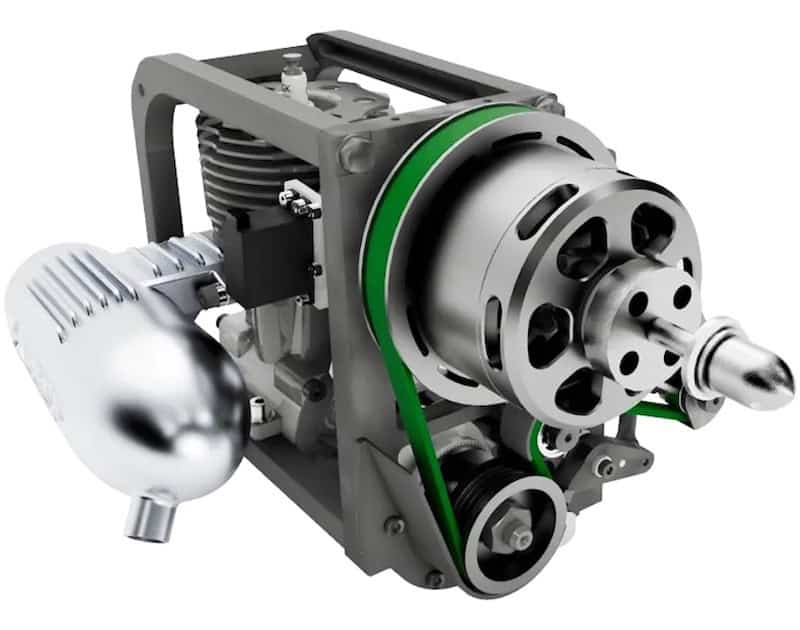
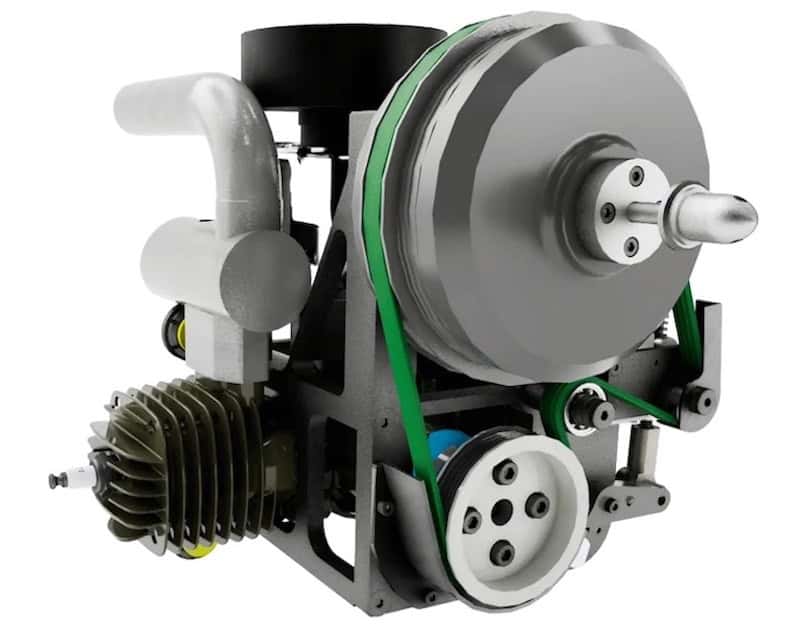
As a result, endurance is increasingly linked to overall energy architecture, with propulsion and energy treated as a single integrated constraint in system design.
Performance Defined by Integrated System Demands
Performance is no longer defined solely by flight characteristics such as speed, altitude, and range. Performance now includes the requirements of mission systems, including sensing, communications, and onboard computing, operating continuously under real conditions and duty cycles.
This creates a combined performance framework in which both flight capability and system functionality depend on how energy is generated, distributed, and managed.
Evolving Acquisition Models to Support Faster Deployment
Lowental Hybrid points to procedural developments discussed at the event, including efforts to reduce the time between capability validation and field access. One approach presented is a marketplace-style acquisition model, intended to enable operational units to access approved systems more directly.
This reflects an effort to link feedback, validation, and access more closely than in traditional acquisition cycles.
Operational Feedback as a Scaling Mechanism
The discussions highlighted the role of end-user feedback in system adoption, indicating that solutions combining performance with reliability, simplicity, and supportability are more likely to scale.
This places emphasis on reducing logistical burden and operator workload, as these factors influence whether a system becomes a standard tool or remains a specialist asset.
Structural Trends Defining the Next Phase of Tactical UAS
Based on discussions at UAV Technology USA 2026, Lowental Hybrid outlines several factors influencing the tactical UAS domain:
- Increased capability at the edge, including sensing, autonomy, and persistent presence
- Reduced tolerance for complexity in operation and maintenance
- Increased pressure on energy architecture to support extended missions and onboard systems
The event highlighted that the next leap in tactical systems is unlikely to come from a single component upgrade, but from integrated tradeoffs involving usable endurance, energy delivery, operational simplicity, and procurement pathways designed to move faster.
For companies operating in this space, the discussion pointed to the importance of delivering real mission effect repeatedly without adding burden to operators.