Knight Optical details how beam expanders enhance the capabilities of laser technology across defence platforms, outlining the optical components, configurations, and material choices that influence system performance.
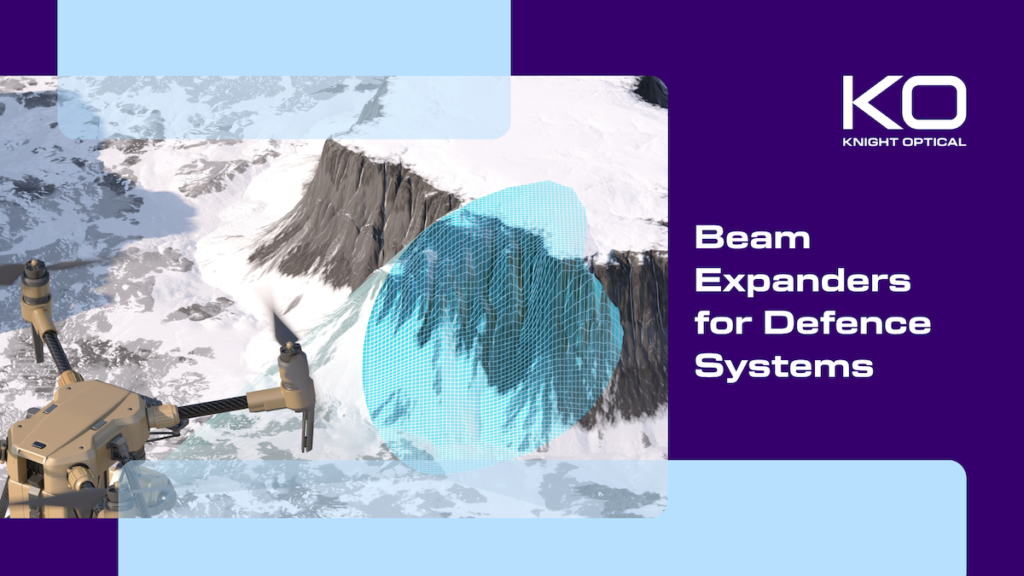
These optical assemblies are used in applications including laser rangefinding for distance measurement, as well as LiDAR for terrain mapping, obstacle avoidance, and remote sensing.
Beam expanders increase beam diameter while reducing divergence and maintaining collimation, transforming a diverging beam and enabling it to remain tight over distance. By maintaining a parallel propagation path, these characteristics support consistent and dependable laser output and contribute to an improved laser spot in defence applications.

Optical Design and Components
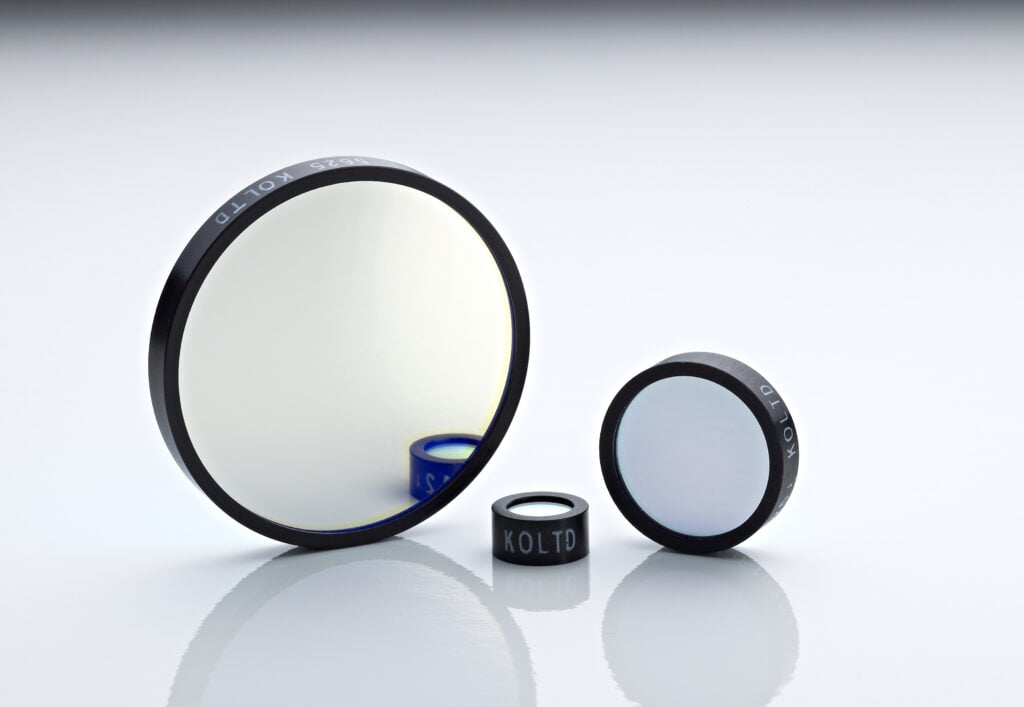
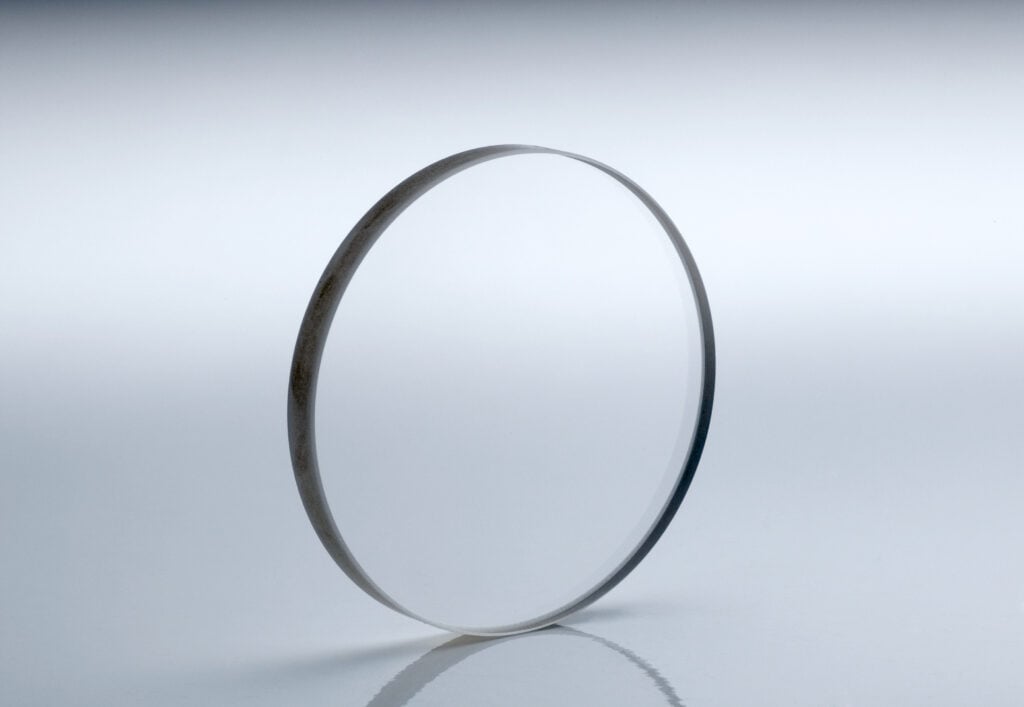
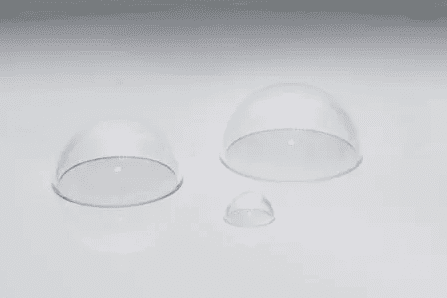
Knight Optical explains that while optical design provides the foundation of a beam expander, component specification is often where performance is determined. Physical optical elements such as lenses, specified to required focal lengths, and windows used as protective covers, together with optical coatings and material selection, directly influence the final output.
Two primary configurations are used:
Keplerian designs use two positive lenses and include an internal focal point, allowing a spatial filter to be integrated for beam clean-up and improved output. Plano-convex, bi-convex lenses, and achromatic doublets are commonly specified.
Galilean designs combine a positive lens with a negative lens and do not include an internal focal point. This results in a more compact design, making them suitable for high-power laser applications. Positive lenses such as plano-convex are typically paired with negative lenses such as plano-concave or bi-concave.
Coatings and Materials
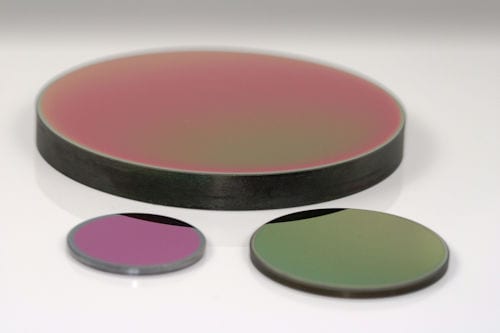
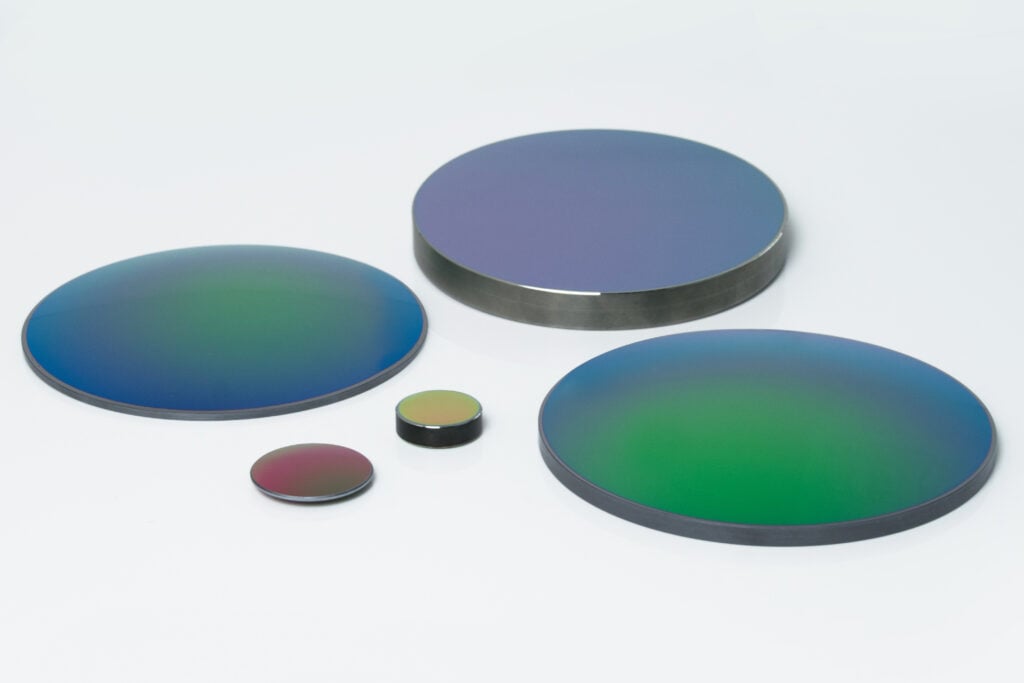
Anti-reflection coatings are applied to minimise reflection and maximise transmission across the required spectral range. Knight Optical highlights that in high-power configurations, including solid-state lasers, high-intensity diode lasers, and short pulsed lasers, these losses can accumulate and affect beam divergence, beam quality, and power.
Material selection also plays a key role in performance:
Fused silica offers low thermal expansion, high thermal stability, and a high optical damage threshold, making it suitable for high-power systems, extreme temperatures, and UV applications.
N-BK7 provides a high-quality, cost-effective optical glass option for use in less demanding environments.
Sapphire is extremely hard and scratch-resistant, making it suitable for applications where mechanical durability is required.
Environmental Factors and Verification
Knight Optical notes that beam expanders operate in challenging conditions where environmental factors can affect performance. Temperature extremes can lead to expansion and contraction, impacting alignment, output, and beam divergence. Vibration can cause misalignment of optical components such as lenses, while dust and contaminants can degrade optical quality over time, particularly on exposed surfaces such as windows.
To support specification requirements, Knight Optical verifies components through its in-house metrology laboratory, certified to ISO 9001:2015 standards. Measurements include transmission, centration, and lens figure, supported by a dedicated quality assurance function working to MIL-SPEC standards and ITAR-registered facilities.