
Knight Optical explores the evolving use of light detection and ranging (LiDAR) technology and the precision optical components that enable its performance across modern applications. Read more >>
With compact, efficient designs replacing the larger instruments of earlier decades, advances in optical engineering continue to enhance the accuracy and reliability of LiDAR-based systems used in sectors from autonomous vehicles to infrastructure mapping.
The global LiDAR market is forecast to grow from around $2.89 billion in 2025 to approximately $15.83 billion by 2034. This rise reflects the technology’s transition from specialized industrial use to wider deployment in consumer and commercial systems. Designers value LiDAR for its precise measurements, high resolution and fast data acquisition, while its use of laser light allows consistent operation across ultraviolet, visible and infrared wavelength ranges.
Different LiDAR configurations meet distinct operational requirements. Mechanical scanning systems employ rotating mirrors to direct the laser beam, flash LiDAR captures entire scenes with a single pulse, and optical phased array (OPA) LiDAR achieves solid-state beam steering through electronic control. These variations provide flexible solutions across automotive, mapping and defense applications.
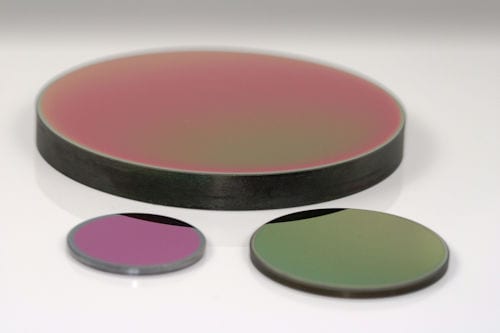
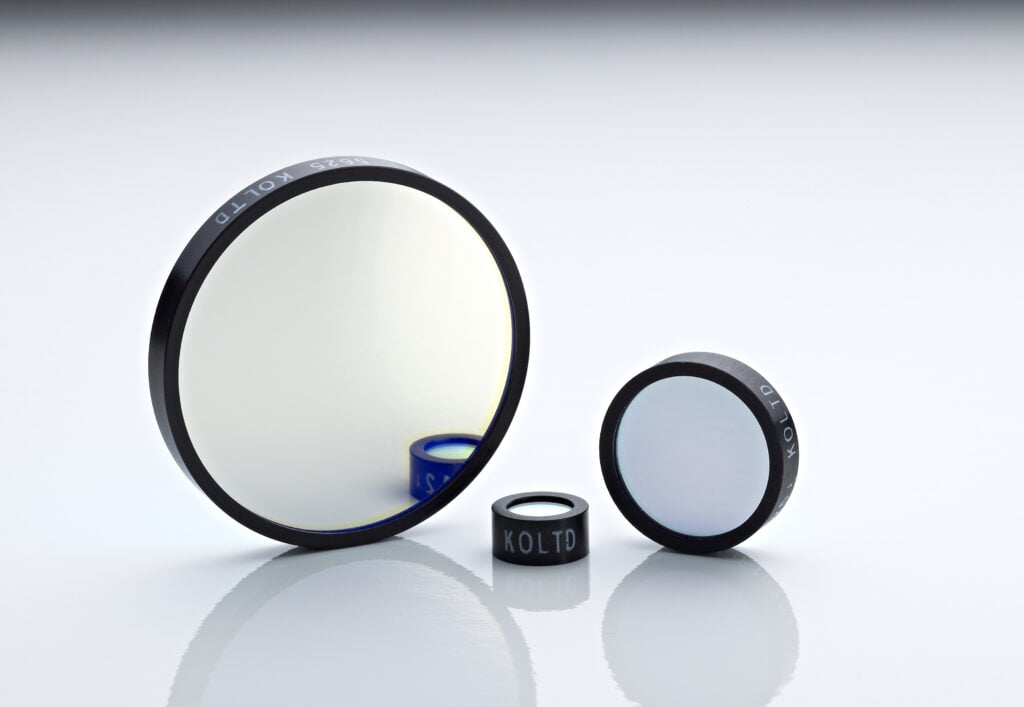
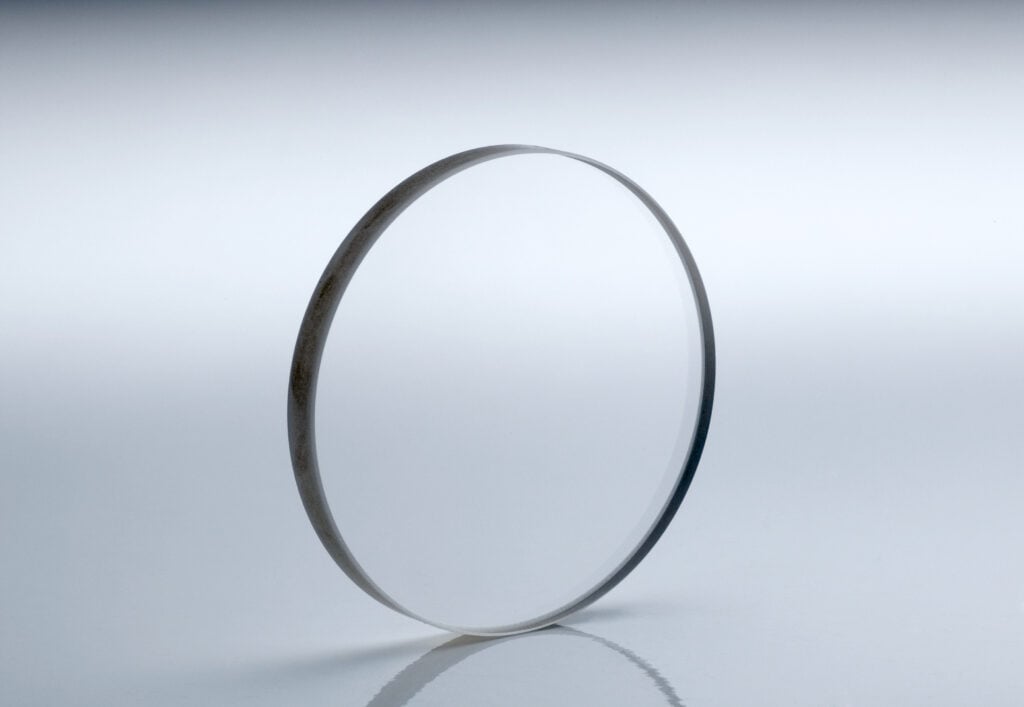
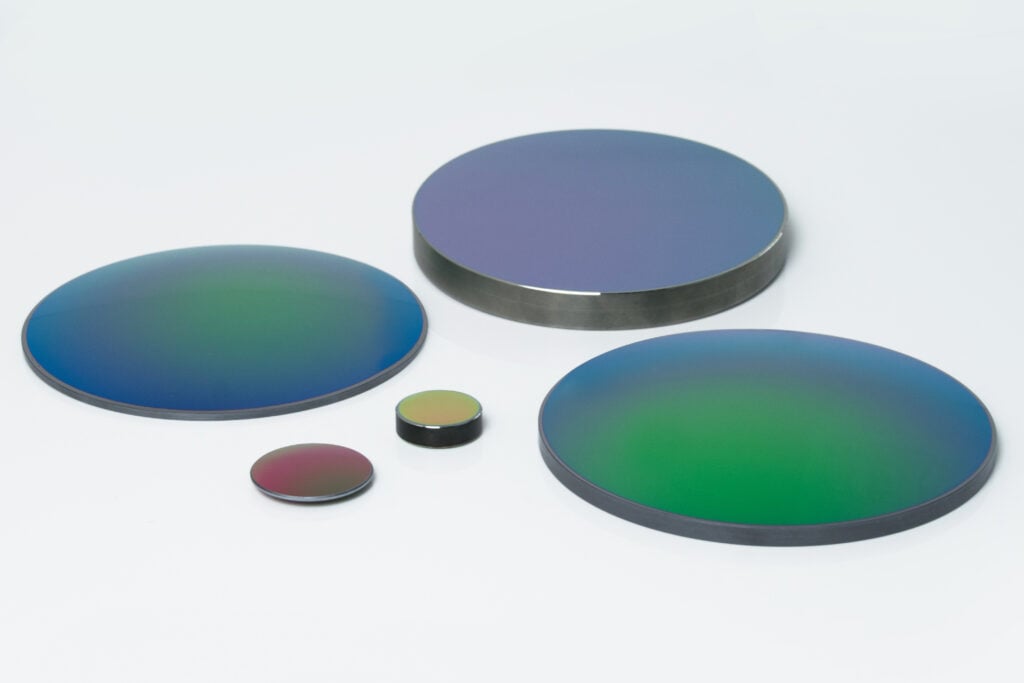
Knight Optical supplies the optical components at the foundation of LiDAR system design. Optical filters isolate specific wavelengths to reduce interference, and lenses manage beam collimation and focus. Protective windows safeguard internal assemblies, while mirrors, beamsplitters and prisms guide and divide light paths for accurate signal processing. These elements are essential for maintaining precision and reliability in the next generation of LiDAR technologies.