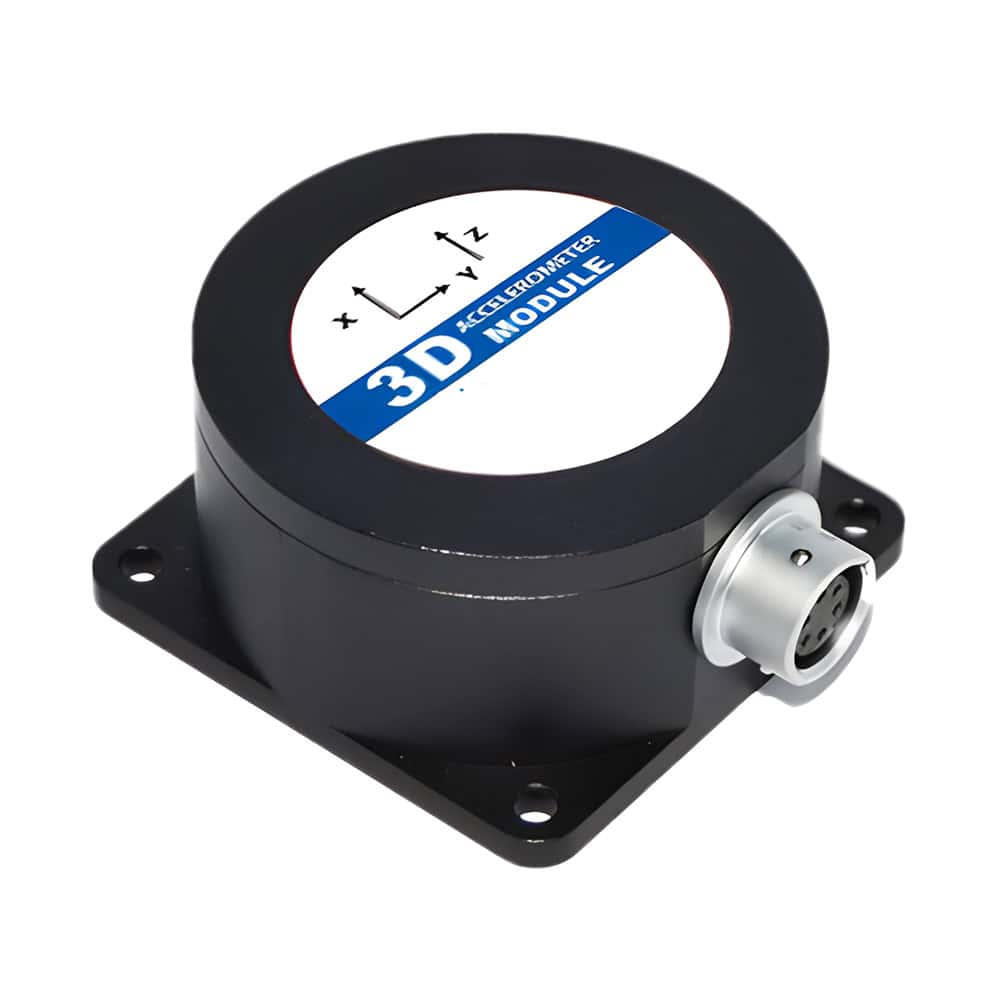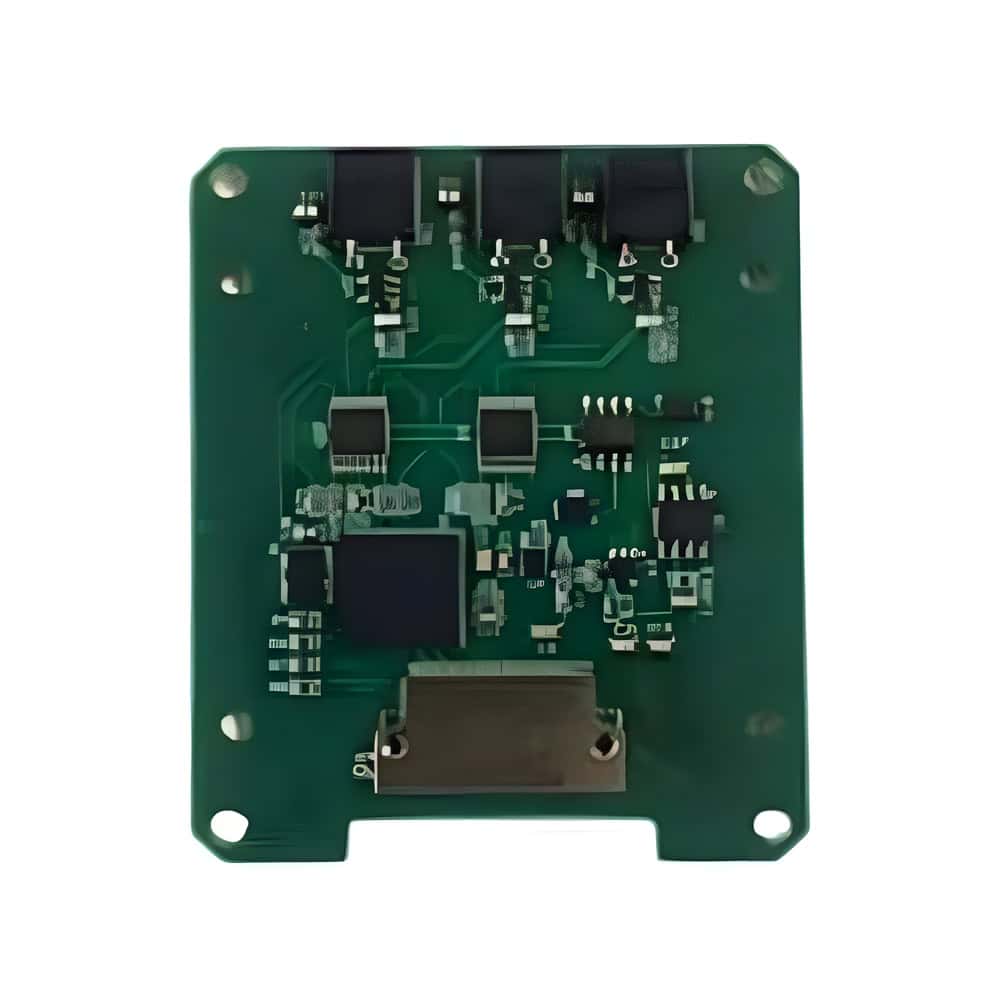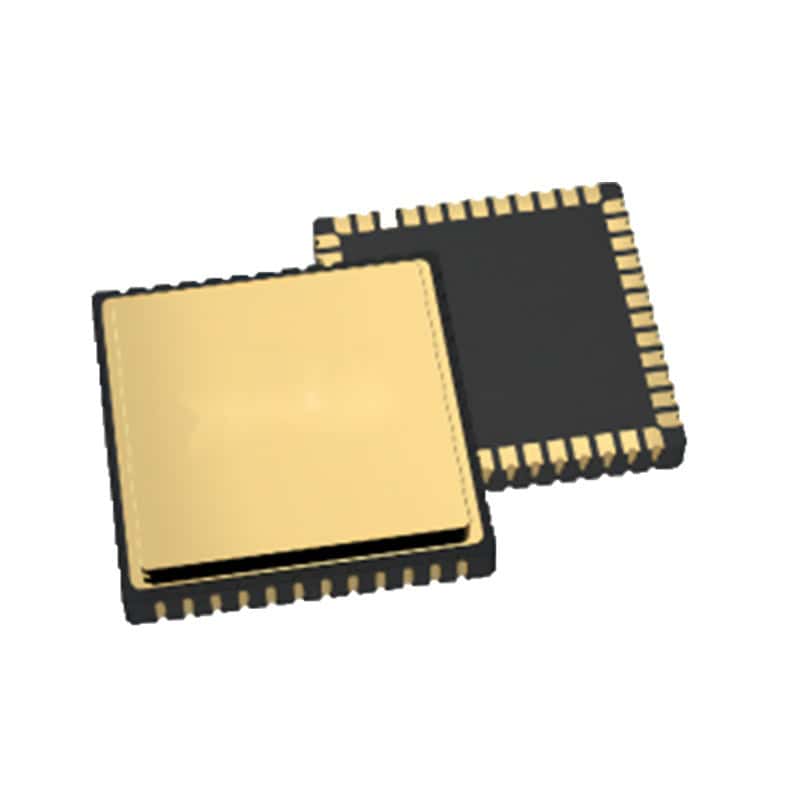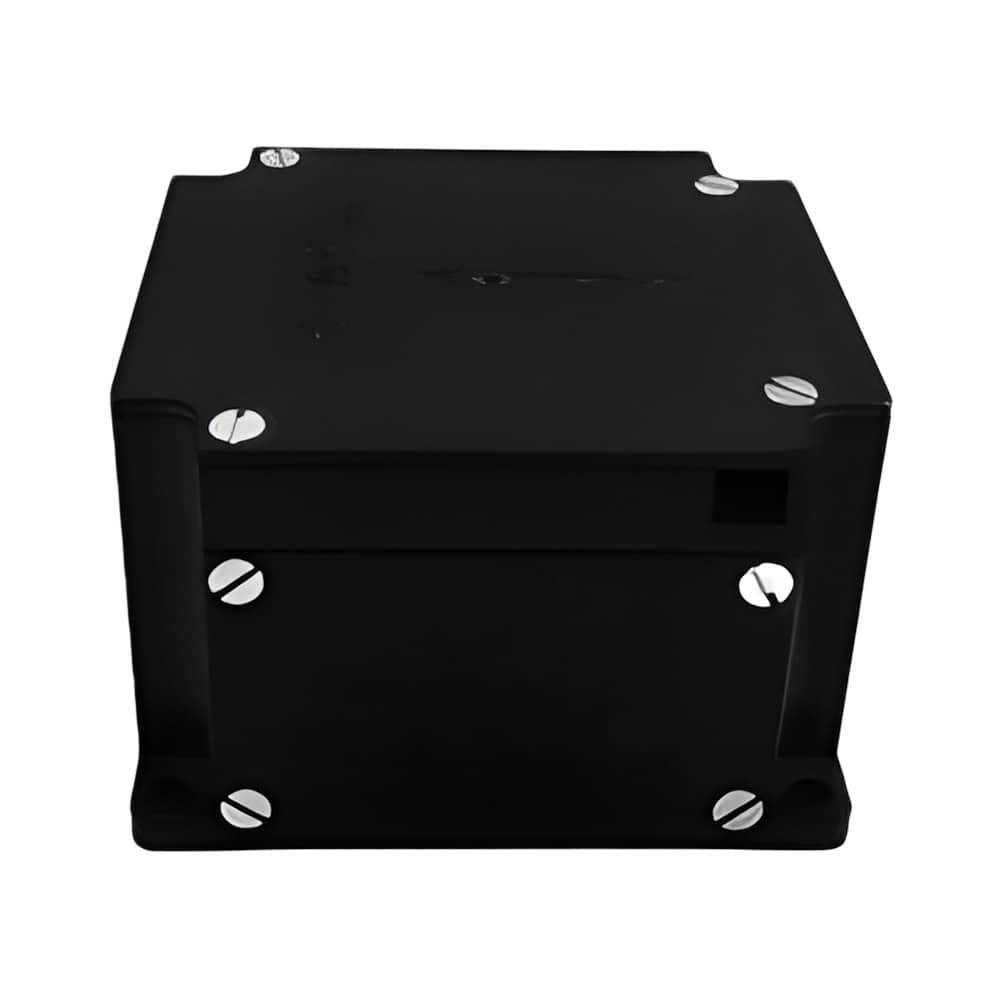





High-performance inertial navigation depends on accurate acquisition of low-level analog signals, and system designers continue to push for lower drift, tighter synchronization, and improved resilience to environmental variation. Micro Magic introduced a 32-bit A/D converter board to address these requirements within precision accelerometer interfaces.
The design is intended for architectures where signal integrity and timing consistency directly influence navigation solution quality across aerospace and high-end industrial applications.
The board’s central performance benefit comes from its measurement fidelity and thermal control. It accepts a ±50 mA current input and applies a 32-bit conversion stage capable of resolving small variations in accelerometer output. Across its -40°C to +70°C operating range, the zero temperature coefficient is better than ±2 nA/°C and the scale factor temperature coefficient is below 3.0 ppm/°C. These characteristics help retain stable performance during temperature transitions. Zero stability and scale factor stability remain in the nA and ppm ranges, supporting consistent signal behavior and maintaining a low noise baseline.
Coordinated sampling is essential for multi-axis inertial solutions, and the board incorporates timing features that ensure alignment across all channels. Internal and external synchronization are selectable through system commands. In internal mode, the board generates its own sampling clock.
In external mode, RS422 differential timing signals from the navigation computer set a unified acquisition instant for all channels. A latching mechanism captures channel values on the falling edge of the synchronization signal so that acceleration and temperature readings on the X, Y, and Z axes are collected at the same moment, providing a consistent dataset for downstream processing.
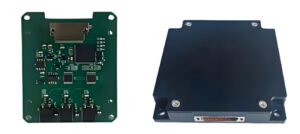
AD-K: 32-bit High precision A/D converter board
Interface and communication structures are arranged to support integration into existing navigation frameworks. The transmitted data packet carries tri-axis current measurements, temperature values, a card serial number, a timestamp, and a checksum, providing a complete set of elements for data handling and verification. A compact instruction set enables the host computer to initiate or stop output, query or define upload frequency between 1 and 200 Hz, and adjust synchronization modes. Independent power and ground pins are included, and recommendations for twisted and shielded signal wiring support noise reduction and maintain signal quality at the physical layer.
Through high thermal stability, precise timing synchronization, and high-resolution conversion, the 32-bit A/D converter board addresses key requirements associated with inertial signal acquisition. The design supports accuracy, reliability, and environmental robustness for navigation systems deployed in aerospace and industrial settings where consistent inertial sensing is essential.