ATMOSPHERE is a leading developer of satellite connectivity solutions for UAVs (unmanned aerial vehicles) and drones.
In this exclusive Q&A, UST sat down with Jean-Marc Gaubert, Managing Director at Atmosphere to discuss their PLANET mission-management platform, the operational challenges it addresses, and how its integrated hardware, network, and software layers enable BVLOS operations, remote deployments, and real-time situational awareness.
Can you walk us through how your PLANET mission-management platform operates, from mission planning through data reporting, especially for UAV/USV users?
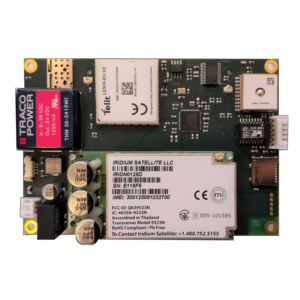
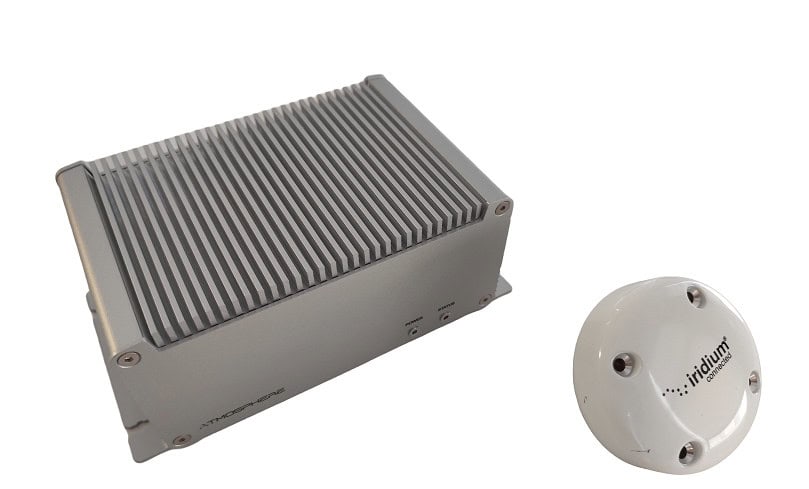
PLANET 9523 TC06 Board
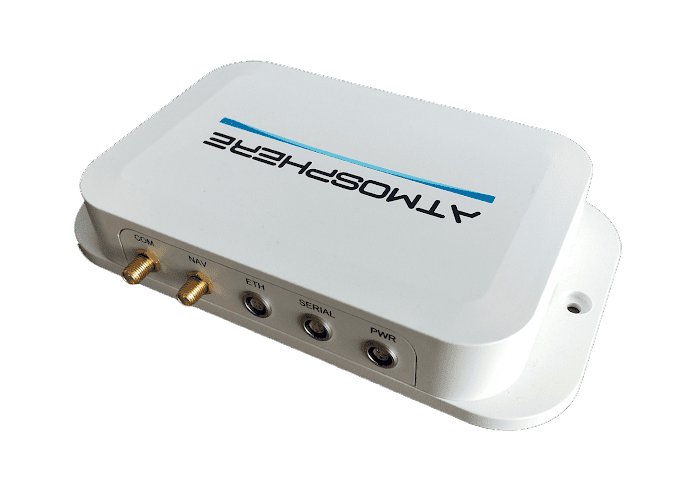
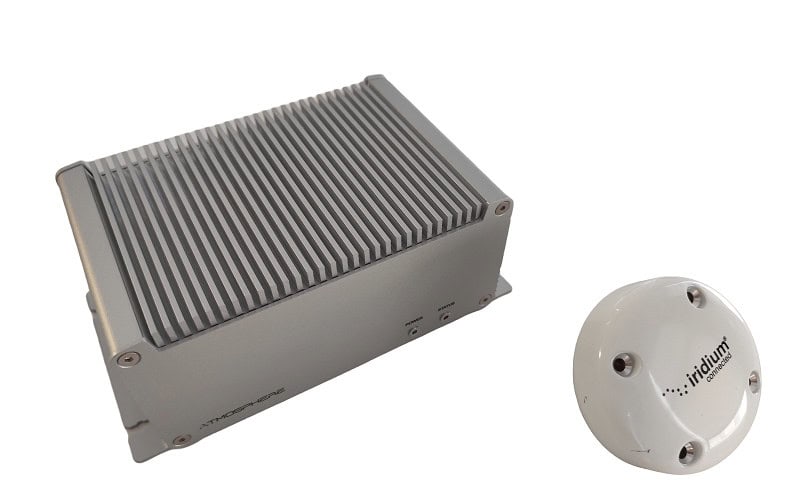
The PLANET product line is structured in three vertically integrated layers. The first layer is the hardware, consisting of on-board terminals designed for easy integration on UAV platforms. The terminals come in a range of capabilities but share a common goal: to deliver unlimited range and reliable connectivity. The second layer is the network, which provides end-to-end mobile networking services, supporting traffic routing, inter-networking functions, and security features such as firewalling and VPNs.
The third layer is the application, where the PLANET mission-management platform operates. Centered on a mapping view, this web-based application allows users to monitor any type of flight mission. At the planning stage, it enables the definition of flight plans, mission zones, waypoints, and custom layers.
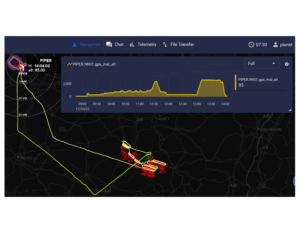
PLANET Application Service
During mission execution, it provides real-time monitoring of flights, environmental data such as weather, and other air traffic in the mission area. This operational view can be shared with stakeholders including operational partners, end customers, local authorities, or air traffic control. Additional widgets can be configured to display telemetry data as needed. All data is recorded, allowing post-mission flight replay and extraction of specific information for mission reporting.
How do you ensure interoperability with existing ground systems and airspace/regulatory frameworks?
PLANET mission-management platform is regularly used to coordinate UAV BVLOS operations with airspace management authorities such as ATC and local authorities. It comes as an over layer to their own ATM systems. As it is web-based, it can be easily and swiftly deployed, which is very convenient for mission-based UAV operations. If further integration is required, PLANET platform provides API for third party access to real-time information flows.
Can you share specific use-cases or success stories where Atmosphere’s connectivity or mission management enabled extended BVLOS operations or operations in remote/unserved regions?
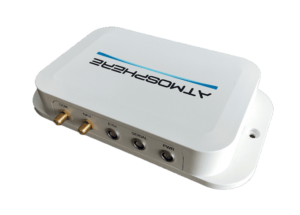
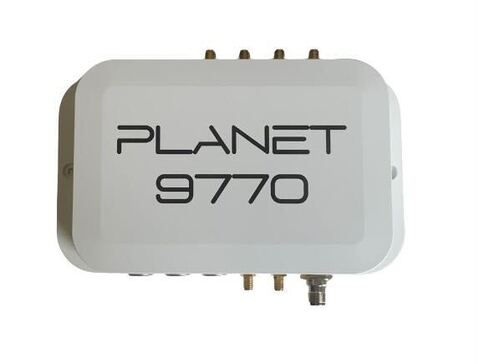
PLANET 9523 UAV
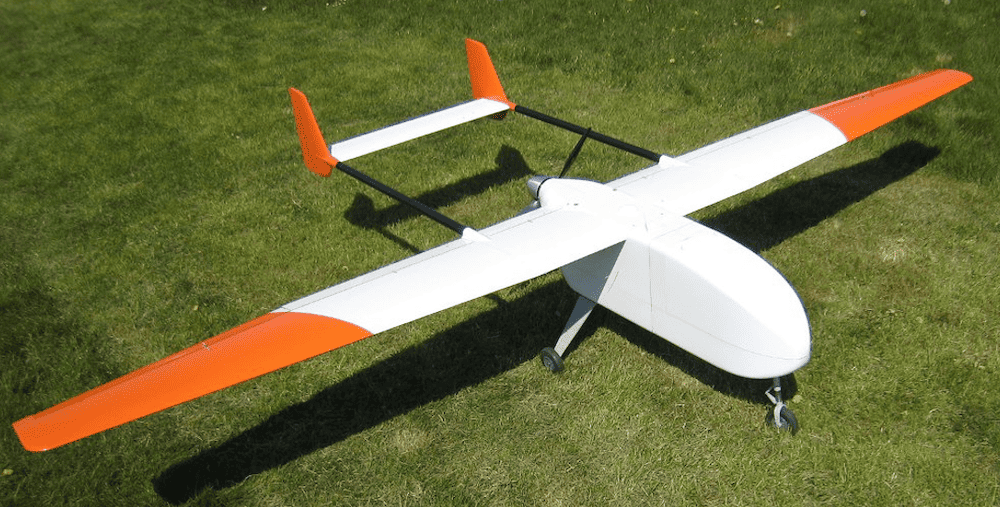
PLANET has been supporting BOREAL UAV BVLOS operations in the Indian Ocean, Caribbean, and French Guiana as part of science and surveillance missions. For BOREAL, the platform is fitted with PLANET 9523 UAV terminals, which provide connectivity for command and control as well as light telemetry. In addition, the terminals deliver independent position reporting to the PLANET mission-management platform.
PLANET has also supported CNES BALLOONS operations, where the balloon use their own connectivity systems to directly transmit monitoring data to the PLANET mission-management platform.
How does Atmosphere manage satellite communication bandwidth, cost, and encryption/security for unmanned systems, especially in contested or remote environments?
The PLANET family of terminals supports a range of communication capabilities, including IoT, narrowband, and midband throughputs. This flexibility allows the terminals to meet diverse use cases and platform constraints related to size, weight, and power.
Users can monitor usage and manage costs via an online service management portal, which provides access to traffic data records and configurable usage alerts. For security, the terminals are set to whitelisting mode by default, ensuring only authorized traffic is transmitted. Additionally, users can configure VPNs with encryption to further secure communications as required.
What are your development priorities for the next 2–3 years, e.g. miniaturization, power efficiency, multi-band/multi-satellite compatibility, AI-enabled autonomy, resilience to GNSS denial, etc.?
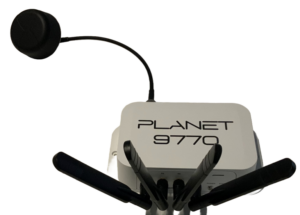
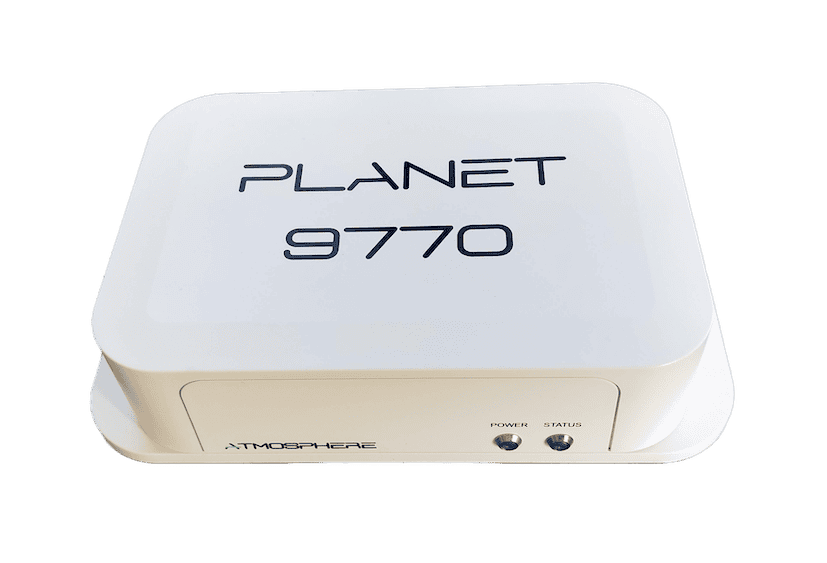
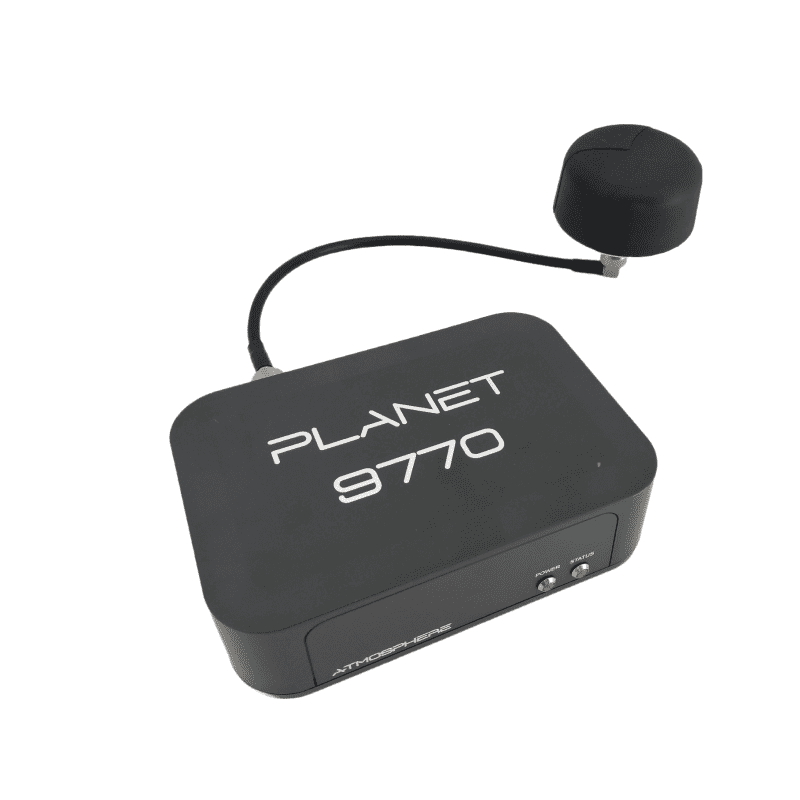
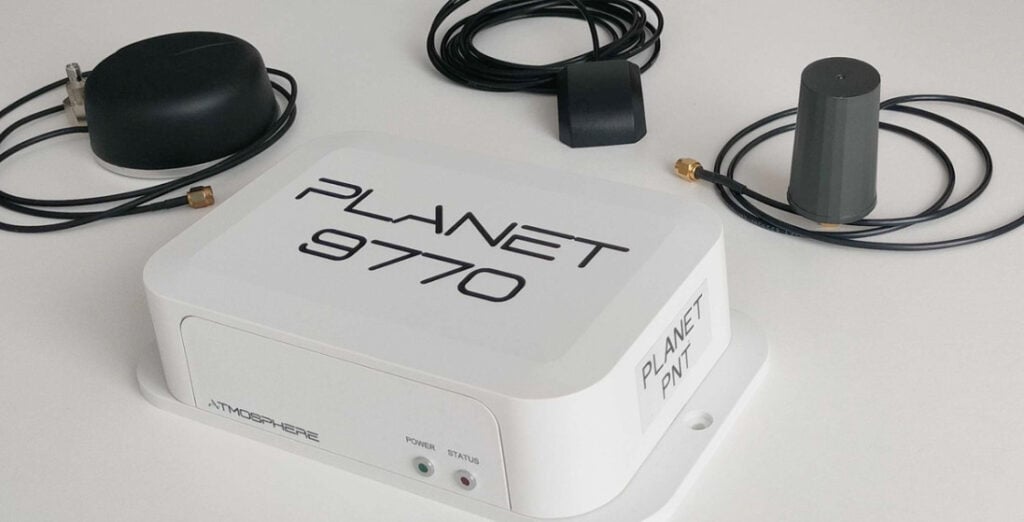
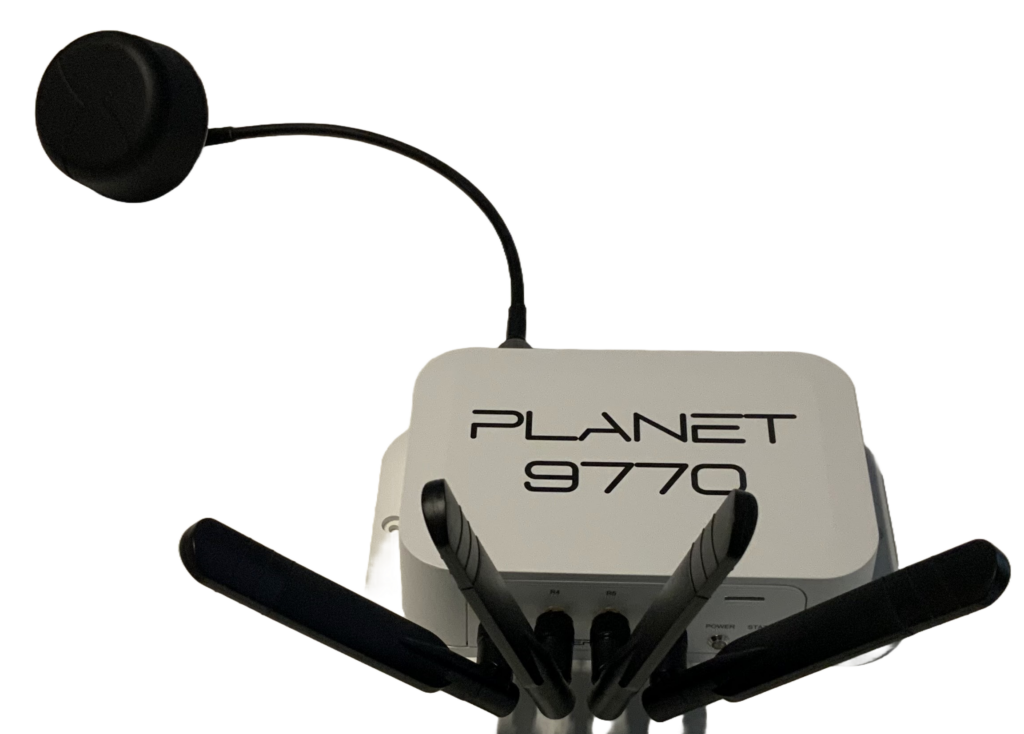
Planet 9770 UAV-F Terminal
Planned improvements to the PLANET ecosystem include Satellite Direct-to-Cell integration, e-SIM support, and ongoing enhancements to cyber-resilience and cloud services. For GNSS-denied environments, integration of Iridium PNT is underway, with this feature expected as an incremental upgrade by late 2025 or early 2026.
What are the biggest hurdles for Atmosphere’s UAV SATCOM / connectivity products, and how are you planning to overcome those?
As our products and services are adopted by a constantly growing number of users, our main challenge is to scale-up our production and support capabilities. Test automation, integration of custom features into base products, leveraging service portal capabilities, and investment in human resources are required to maintain a high quality for the products and services delivered.
Thank you for your time Jean-Marc. It has been a pleasure speaking with you, and we look forward to following the continued advancements and adoption of their PLANET mission-management platform and satellite communication solutions in the unmanned systems industry.