As maritime operators face increasing pressure from geopolitical instability, regulatory change, and evolving security risks, Greensea IQ provides a robotic system designed to enable continuous hull visibility and maintenance.
The company’s EverClean solution combines autonomous biofouling removal with integrated inspection and damage assessment, allowing vessels to maintain operational readiness without reliance on periodic, diver-led interventions.
A Persistent Vulnerability in a Changing Risk Environment
The maritime sector is operating within one of its most complex environments in recent decades. Ongoing threats in the Strait of Hormuz, combined with broader conflict-related risk factors, have introduced significant unpredictability into global shipping operations. Insurance premiums have increased, coverage conditions have been reassessed or withdrawn, and fuel costs continue to rise.
Despite these pressures, hull inspection and biofouling management practices across much of the industry remain episodic. As high-traffic shipping lanes are disrupted, vessels are more frequently held in place or rerouted, increasing idle time. This creates favorable conditions for biofouling accumulation, while also exposing crews and operators to heightened operational risks in less predictable waters.
Even without regional conflict, underlying vulnerabilities persist. Commercial vessels continue to face security challenges linked to drug trafficking operations, where sea chests and magnetically attached packages are used to exploit hull structures. These practices introduce significant legal exposure for vessel owners and operators, particularly when arriving from high-traffic regions.
Inspection methods have not kept pace with these risks. Dive teams are commonly deployed as the first layer of assessment, but hull complexity, limited underwater visibility, and variability in human performance can reduce the reliability and consistency of inspections.
Integrated Autonomous Hull Operations
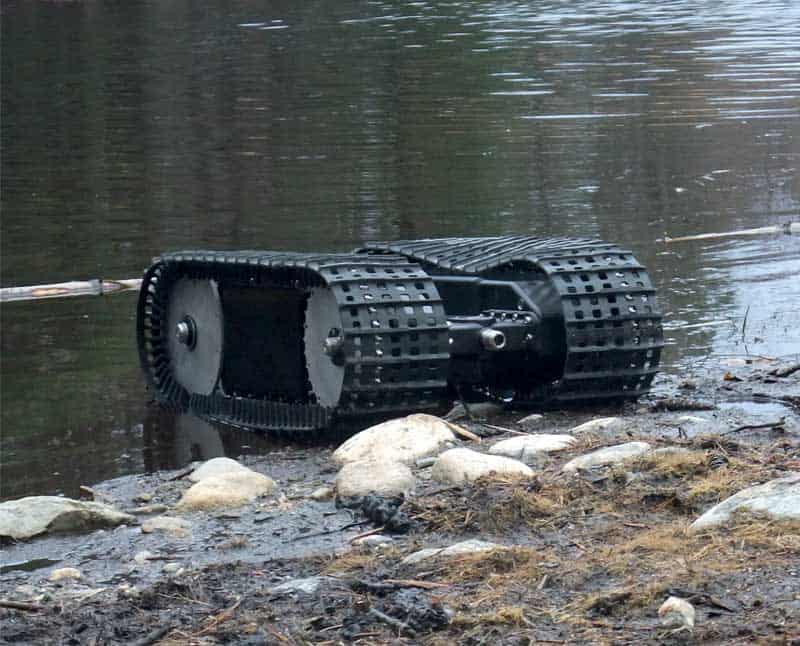
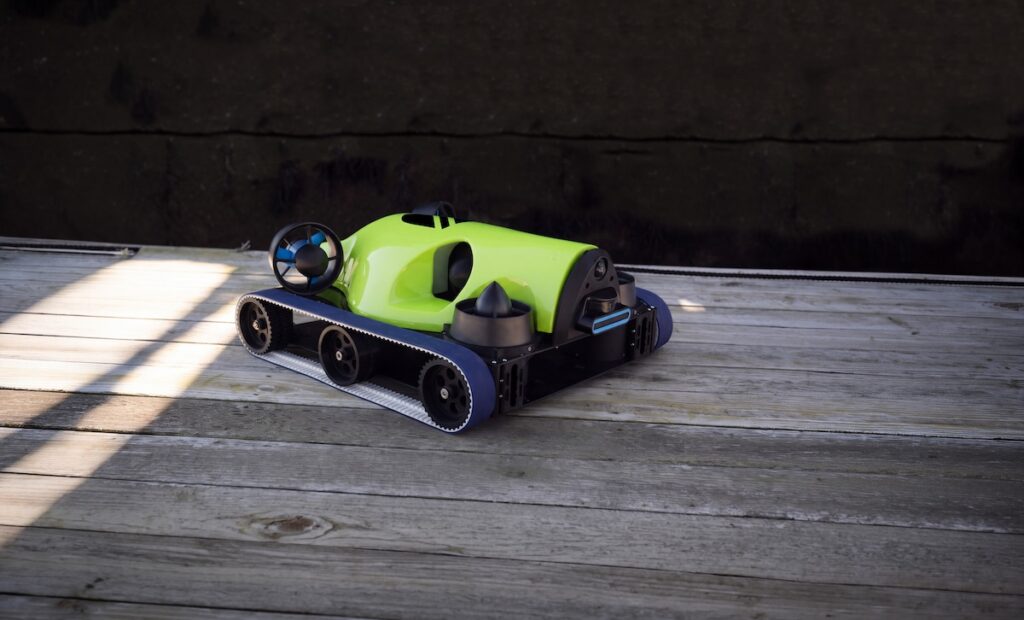
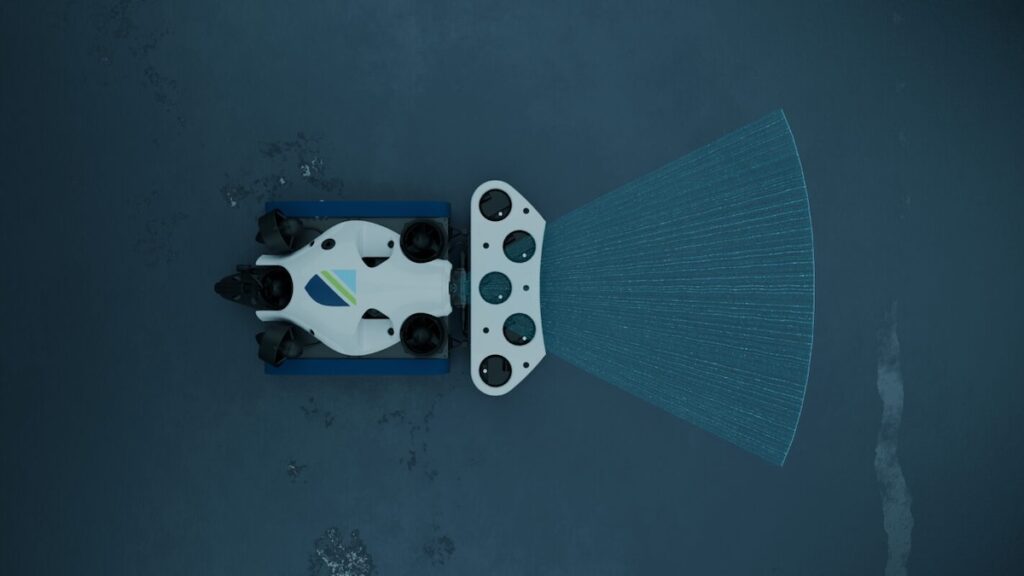
EverClean is engineered as a full-service maritime robotic system capable of performing biofouling removal, hull inspection, and damage assessment within a single in-water deployment. The system operates without requiring drydock access, eliminates the need for divers to conduct routine inspection and cleaning tasks, and avoids disruption to vessel schedules.
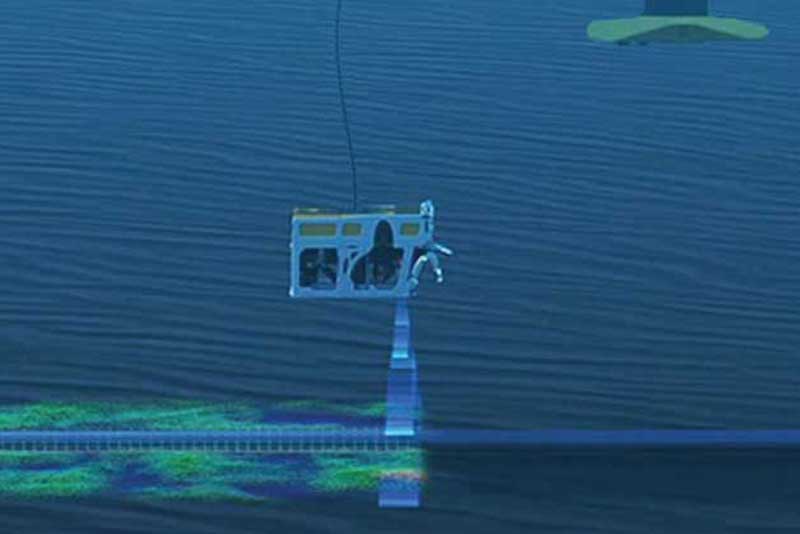
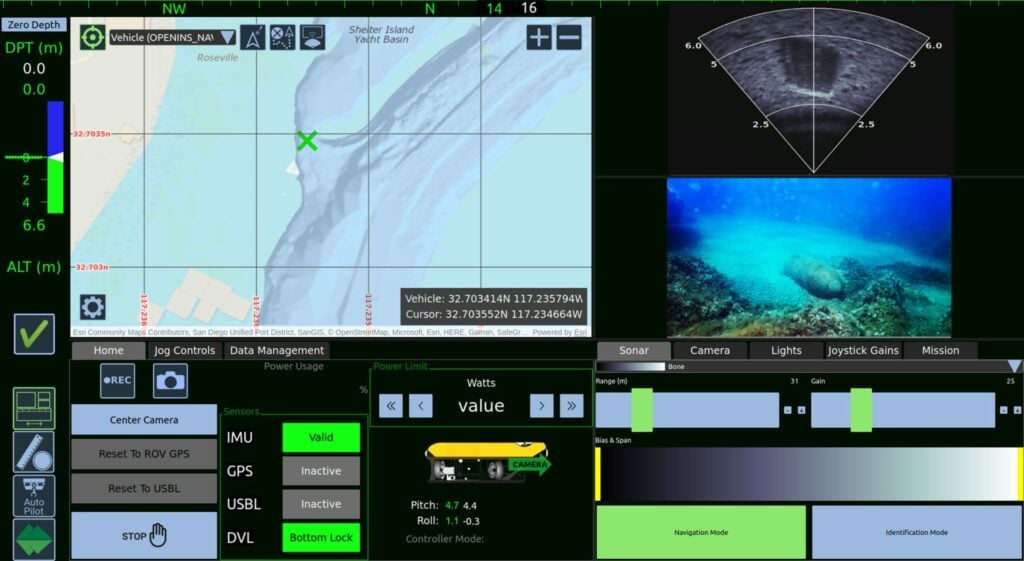
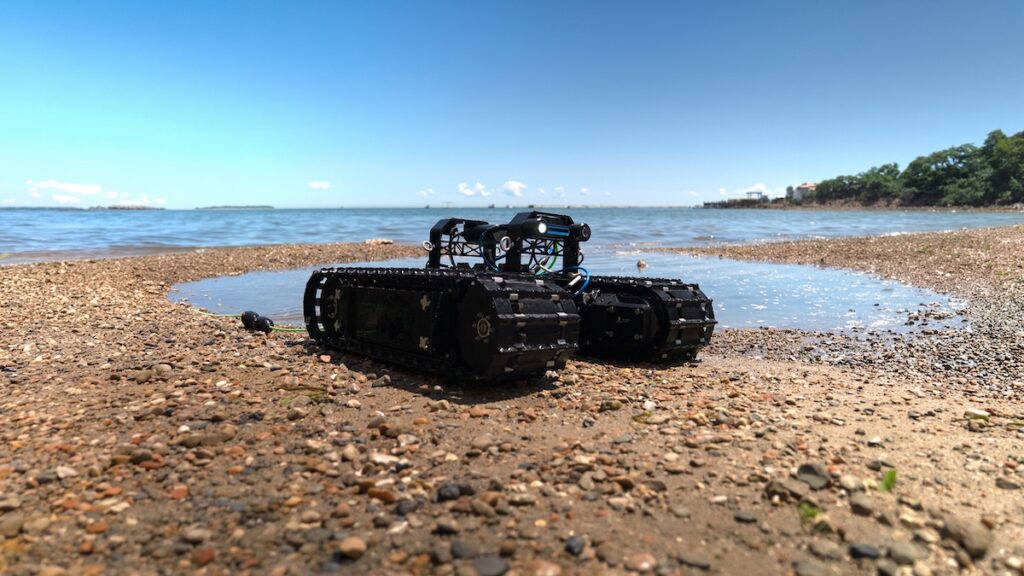
Autonomous robots traverse up to 90 percent of a vessel’s hull, executing cleaning operations while simultaneously capturing continuous video and hull condition data. This approach embeds inspection directly into the maintenance process, ensuring that hull visibility is maintained as an ongoing function rather than a separate activity.
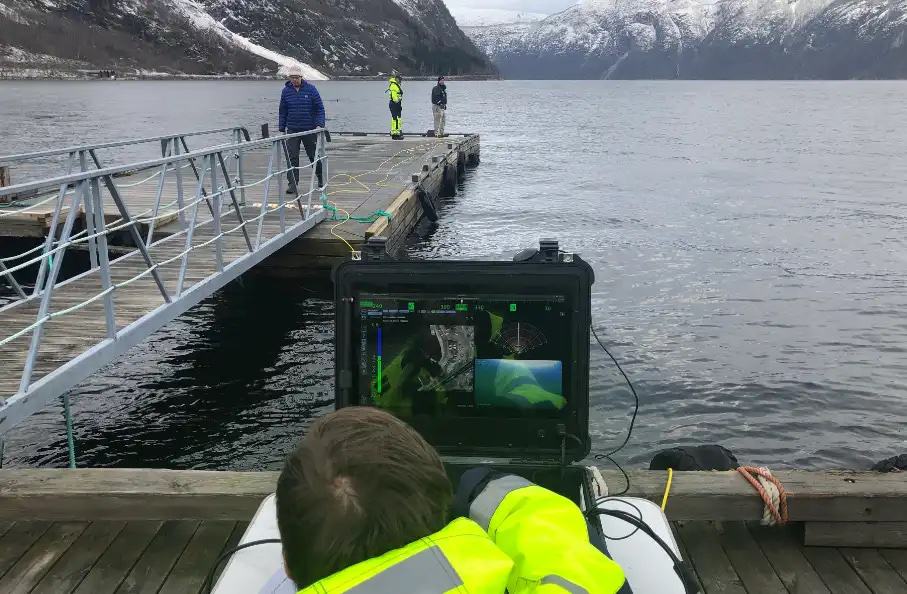
The system can be deployed as a self-hosted onboard capability or configured for customized use cases, particularly in regions where consistent port-based service infrastructure is not available.
Defense-Derived Autonomy Framework
The autonomy architecture underpinning EverClean is based on technology developed and deployed by Greensea IQ for high-risk defense remotely operated vehicle operations. In these environments, real-time underwater precision and intelligence are mission-critical requirements. The system has been validated through more than 20 years of military operational use, providing a foundation for consistent and reliable performance in commercial maritime applications.
Limitations of Conventional Biofouling Management
Biofouling remains a significant driver of fuel inefficiency. Accumulated marine growth can increase fuel consumption by up to 30 percent, while maintaining a clean hull can reduce fuel costs by approximately 20 percent.
However, only about one-third of shipping operators currently invest in routine biofouling management beyond coating strategies and standard five-year drydock cycles. In many cases, intermittent dive services serve as the primary maintenance approach, limiting consistency and long-term effectiveness.
Regulatory expectations are also evolving. The International Maritime Organization’s 2026 Biofouling Guidelines call for vessel operators to implement biofouling management plans and maintain records of cleaning activities. Although these guidelines are currently voluntary, regional authorities are increasingly adopting enforcement measures. Vessels that do not meet these expectations may face denied port entry, operational delays, or legal consequences.
Enabling Continuous Hull Awareness
EverClean is designed to support a range of maritime stakeholders, including commercial shipping fleets operating across high-risk and variable routes, cruise operators managing safety and reputational considerations, and port authorities addressing increased security requirements.
Across these applications, the system provides persistent, autonomous hull intelligence while maintaining cleanliness and operational efficiency. By integrating inspection with routine maintenance, EverClean enables a proactive approach to hull management that aligns with emerging regulatory frameworks, reduces fuel consumption, and supports consistent vessel readiness in an increasingly demanding maritime environment.