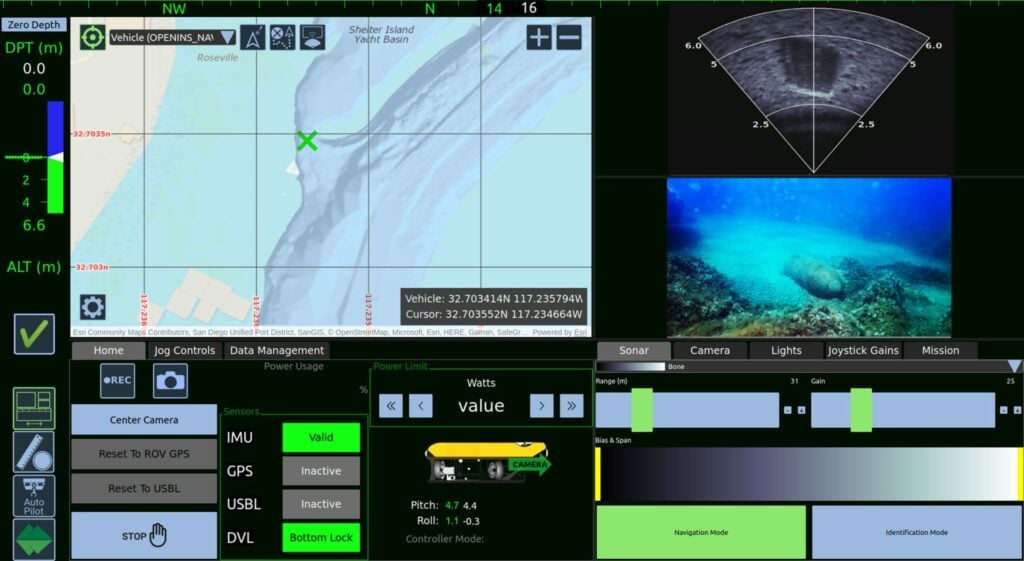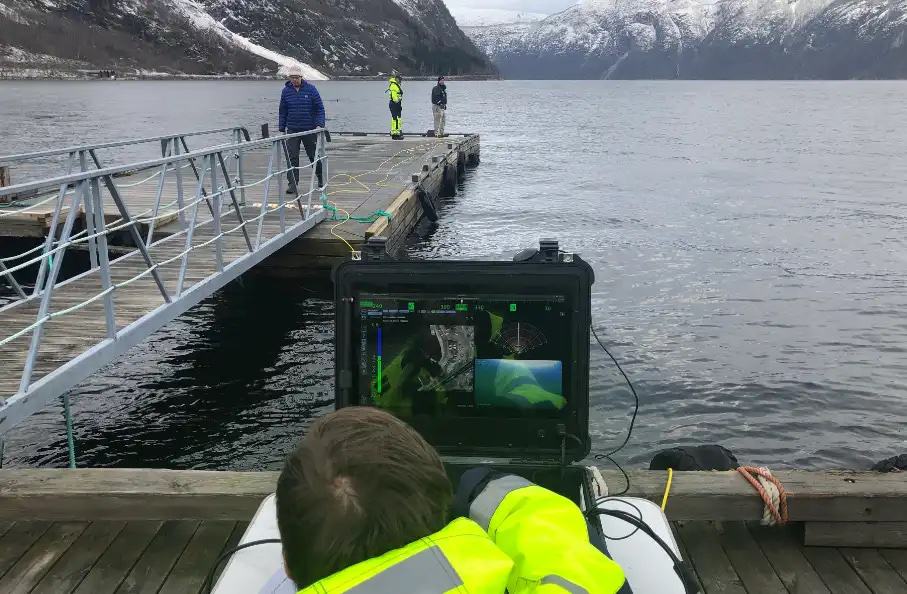

Greensea IQ successfully supported a live autonomous demonstration of Unexploded Ordnance (UXO) detection and classification at a former military site in Maine, delivering reliable, high-accuracy data in complex coastal conditions.
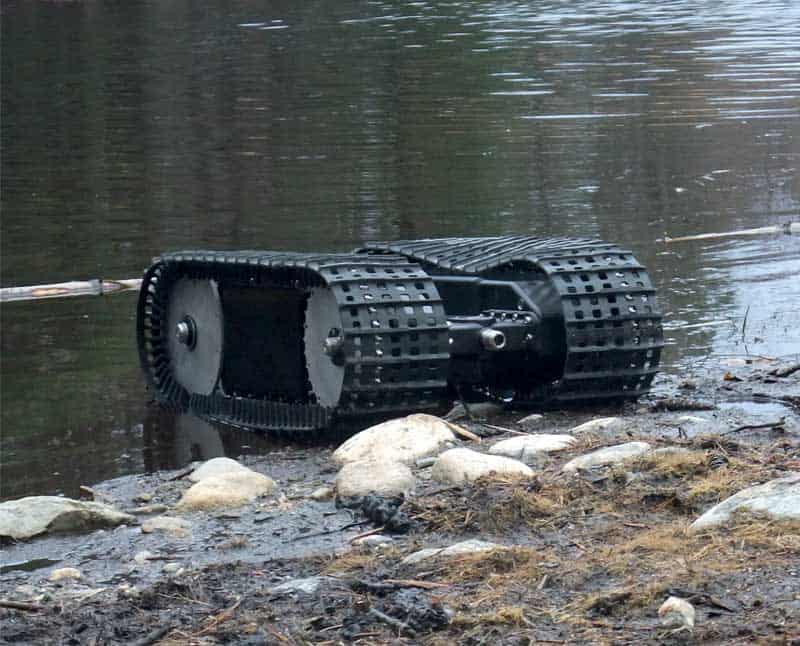
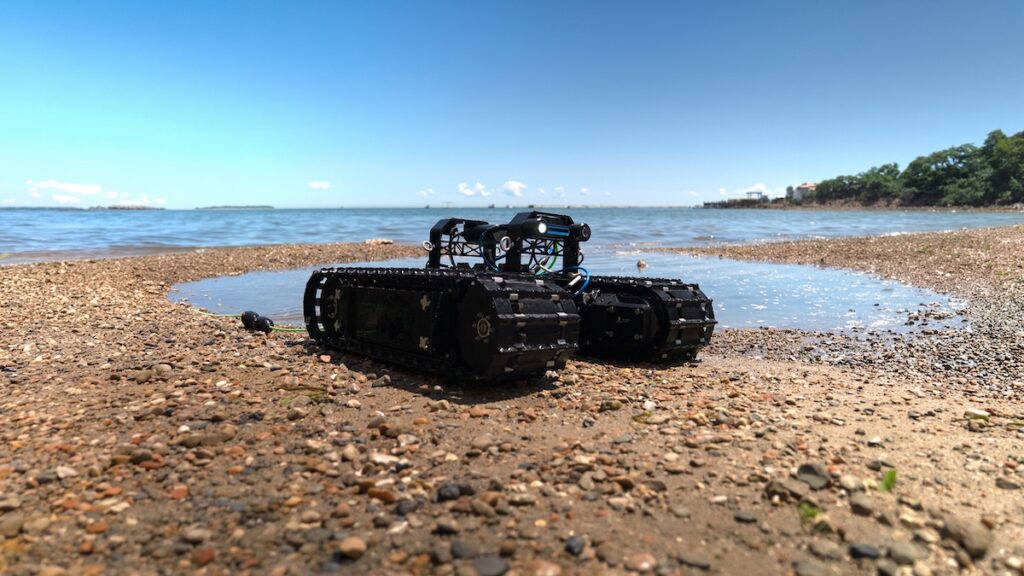
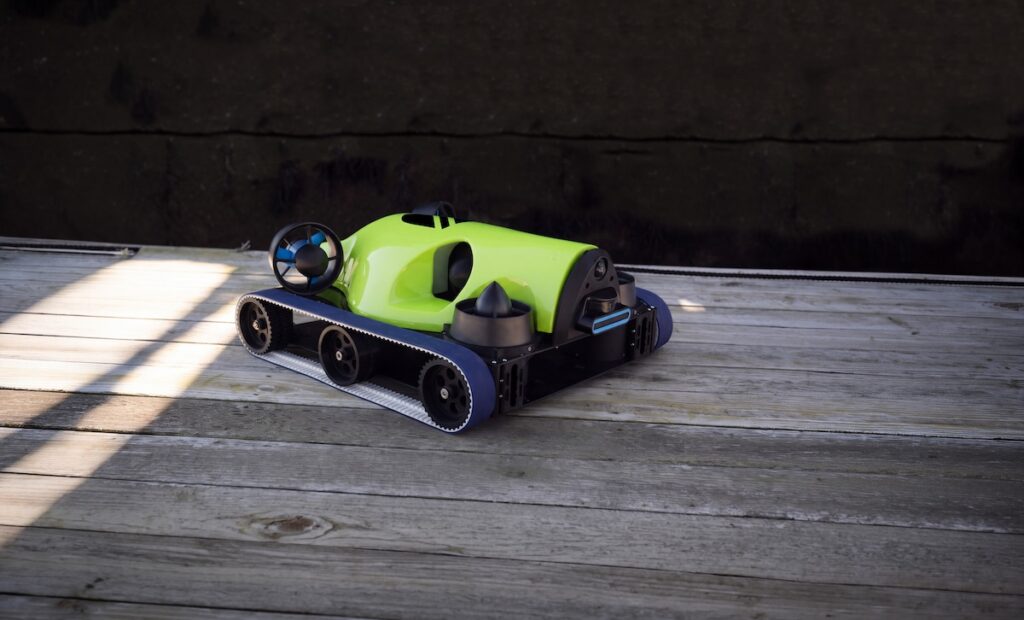
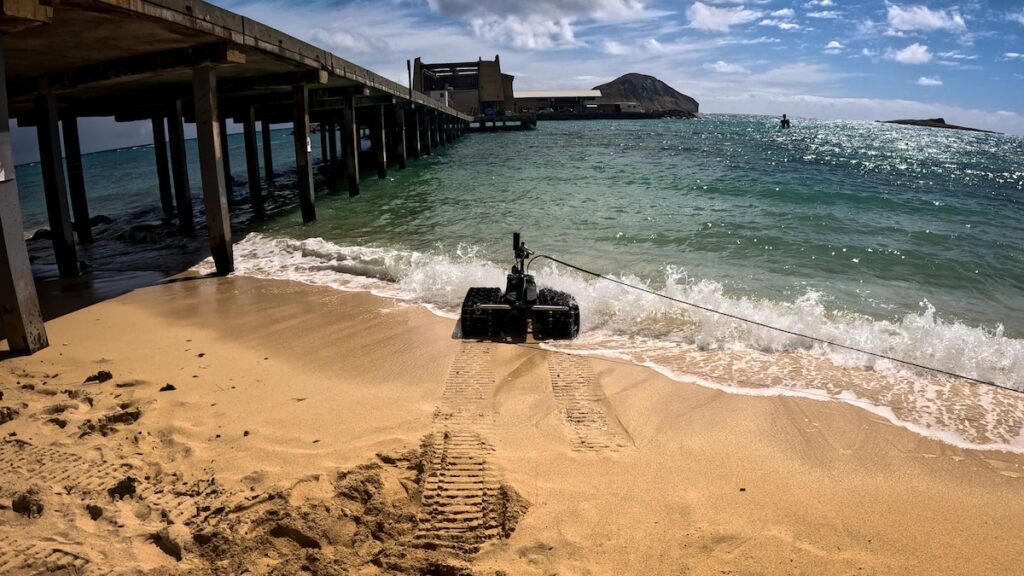
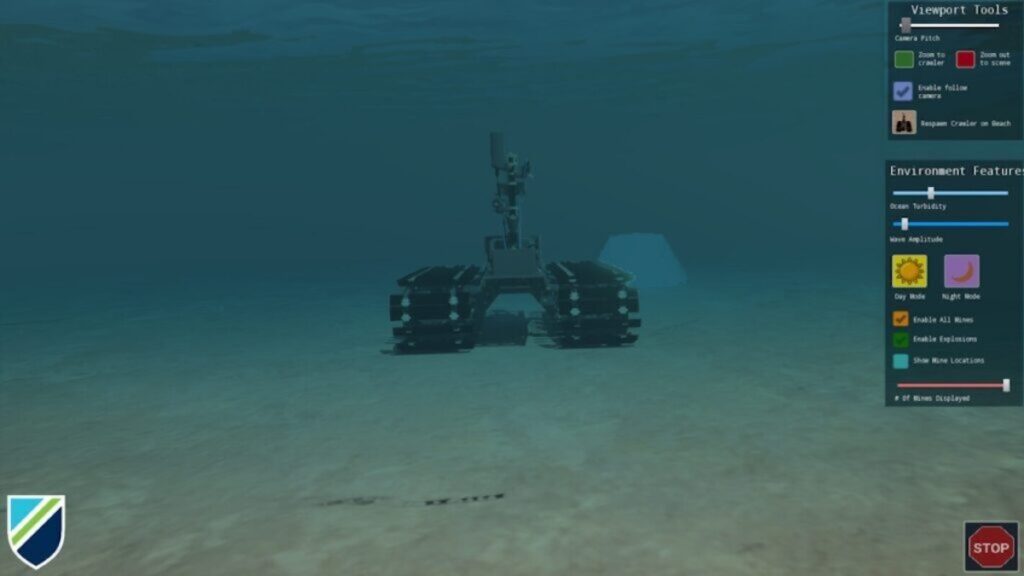
The operation utilized the Bayonet 350 Autonomous Underwater Ground Vehicle (AUGV) to navigate the challenging surf, swash, and nearshore environments of the former Maine Bombing Area, while towing a UXO detection sensor sled.
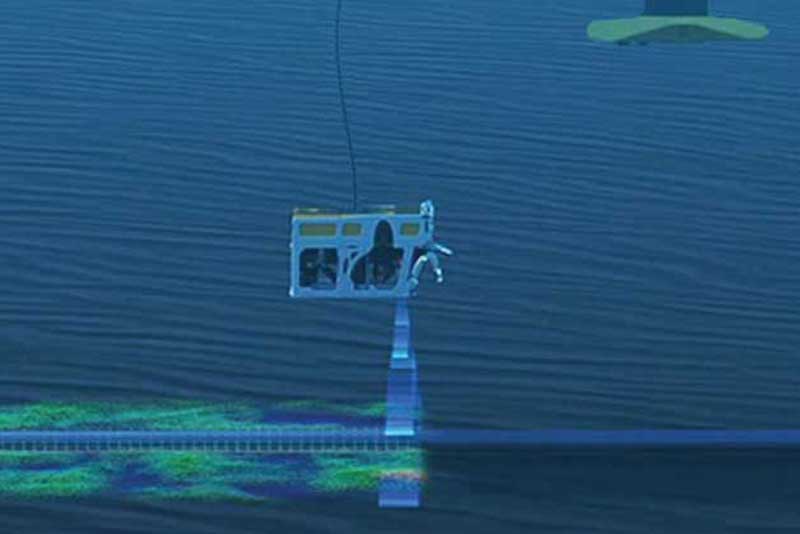
To achieve precise mapping, the Bayonet 350 was equipped with an RTK-GPS system and deployed the APEX three-dimensional electromagnetic (3D EM) system developed by White River Technologies. This hardware combination allows for the autonomous surveying of large seabed areas while generating high-resolution geophysical data. UXO consists of munitions that failed to detonate and remain in the environment, posing long-term risks to public safety, marine operations, and coastal development.
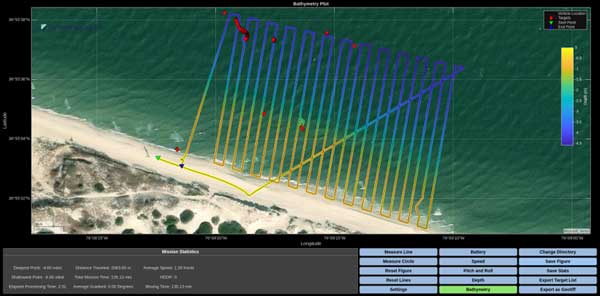
Field operations spanned five days and continued through a New England blizzard. During this time, the vehicle surveyed approximately eight acres of the surf zone and shoreline without any downtime from system failures. The collected data was processed by White River Technologies using Advanced Geophysical Classification (AGC) methods to accurately classify and identify targets of interest for subsequent investigation by the U.S. Army Corps of Engineers.
By eliminating the need for personnel in dangerous surf zones and providing scalable, data-driven UXO response operations, the demonstration confirmed the viability of using robotic systems to address maritime hazards. The platform demonstrated precise positioning, high-resolution data acquisition, and scalable autonomous survey capabilities in hazardous environments.
Located within Reid State Park, this site is a Formerly Used Defense Site (FUDS) that served as a bombing range during World War II. The deployment was funded through the Strategic Environmental Research and Development Program (SERDP) and the Environmental Security Technology Certification Program (ESTCP) to validate emerging technologies in real-world conditions.
Historically, the complexity, risk, and cost of searching these hazardous areas, particularly in challenging nearshore and surf zone environments where traditional methods are limited, have meant that many large impacted regions remain restricted and unaddressed.
Ben Kinnaman, Greensea IQ CEO, commented, “Unexploded ordnance is a major issue in the ocean, especially on beaches, sounds, and marshes. UXO presents both a public safety risk and an environmental hazard. Historically, these areas have been difficult to address because there has not been a reliable way to efficiently search large areas and accurately distinguish UXO from typical seabed trash.
“The Bayonet AUGV, paired with the APEX system from White River Technologies, enables autonomous surveying of large seabed areas while producing accurate maps of classified threats. This allows for more efficient and precise mitigation. This technology provides a cost-effective way to address a significant public safety challenge and reopen impacted areas for recreation and public use.”
The partnership between Greensea IQ and White River Technologies therefore aims to provide a commercially available solution for the ongoing detection, classification, and mapping of underwater munitions.