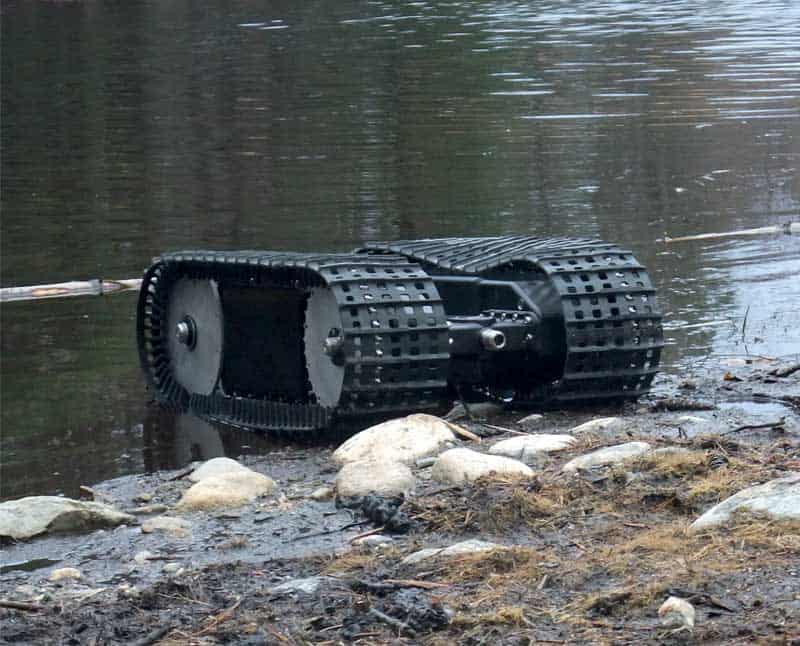

Greensea IQ has successfully completed a rapid-response demonstration of its EverClean robotic hull-cleaning system for the U.S. Army at Joint Base Pearl Harbor–Hickam.
The event was organized after Army leadership identified a critical requirement to mitigate hull fouling, a factor that significantly impacts vessel performance and maintenance schedules. When an initial supplier became unavailable, Greensea IQ mobilized technicians and robotic equipment from Vermont to Hawaii in less than four days. This quick deployment highlighted the role of commercially mature autonomy in supporting logistically complex vessel fleets.
Operating at a strategic maritime hub that supports the U.S. Pacific Fleet, the demonstration drew a diverse group of participants. Army vessel crews, Navy maintenance personnel, and dive units from both the Army and Navy Salvage teams observed the technology in action. The collaboration underscored how robotic systems can provide multi-service value and improve interoperability during maintenance operations.
The technical evaluation focused on the efficiency of the EverClean system compared to traditional manual diving methods. Current estimates suggest a single operator using the robot can clean the hull of an Army Large Tug or Logistic Support Vessel (LSV) in approximately six hours. Implementing such regular, in-water cleaning is expected to provide transformative benefits for fuel consumption, vessel range, and overall maneuverability.
Col. Rachael Hoagland stated, “Greensea IQ demonstrated what private-sector agility truly looks like. Their team immediately mobilized—funding their own travel, shipping robots across the country, and arriving in Pearl Harbor ready to perform. Their responsiveness and technical performance were pivotal to the success of this demonstration.”
Rob Howard, CGO added, “Greensea IQ is proud to support the U.S. Army’s readiness initiatives, and we are proud that our team and our technology delivered when it mattered most.”
By removing the biofouling that creates drag, the autonomous system allows the Army to maintain its forward-positioned watercraft without the extended downtime typically associated with dry-docking. This capability is particularly vital at installations like Joint Base Pearl Harbor–Hickam, which serves as a primary hub for aviation and logistics assets in the Pacific.